The happiness factor: measuring a new kind of growth in Hanoi
The Words on the Street today explores how the capital’s first Happiness Index shifts focus from GDP to everyday contentment, reflected in the smiles, calm mornings, and small joys that define life in the city.
THE HANOI TIMES — It was a quiet Saturday morning in my alley in Thanh Xuan Ward. The coffee vendor, who has seen my face for years, smiled as she poured the familiar blend of strong, fragrant coffee into a small glass. “People keep talking about GDP and income, but for me, happiness is being able to enjoy this cup every morning without rushing,” she said.
Her words stayed with me long after I walked away. Perhaps without realizing it, she had captured the very essence of what Hanoi’s leaders are now striving to measure: happiness.
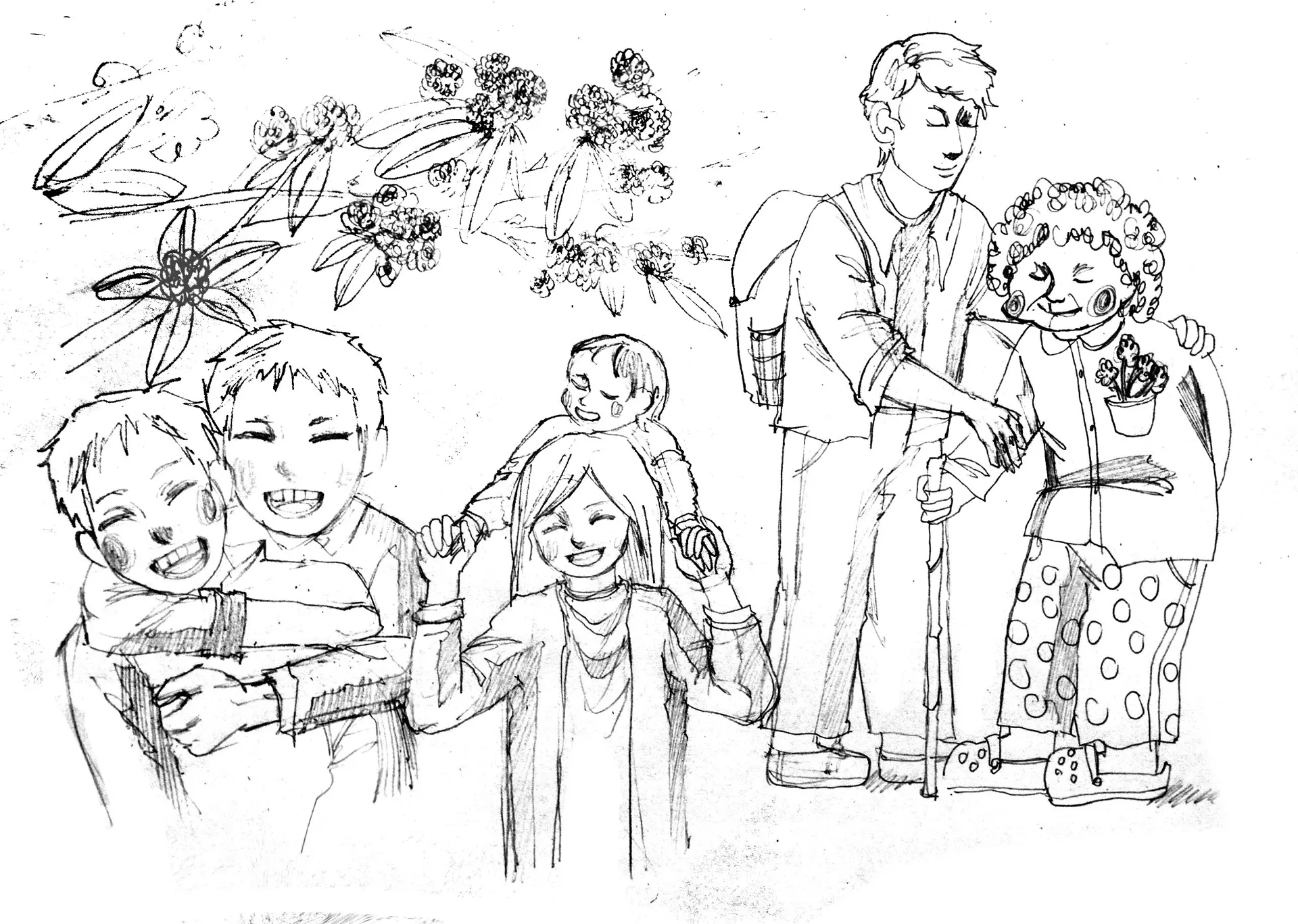
The Hanoi Times Illustration by Charmy Nguyen
For the first time, Hanoi has introduced a Happiness Index (HPI) into its official development indicators, a small but remarkable step that might change the way the capital defines progress.
According to Nguyen Van Phong, Standing Deputy Secretary of the Hanoi Party Committee, the idea was born during the preparation of the city’s congress documents. The committee studied international models and compared data from other Asian capitals to find a set of criteria that truly fit Hanoi’s identity and aspirations.
For decades, like most cities, Hanoi has measured success through economic growth and the HDI, which focuses on education, health and income. But as Phong stressed, HDI alone cannot capture what makes life worth living, the smiles on people’s faces, their sense of belonging, or how safe and content they feel walking through their neighborhoods.
The new Happiness Index aims to reflect a more holistic picture by measuring not only economic and social welfare, but also intangible aspects such as environmental quality, cultural vitality, and people’s satisfaction with public services.
In other words, it’s not just about how much Hanoians earn, but how they live.
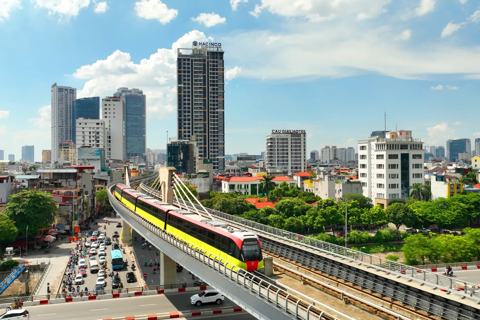
This shift feels timely. The city has grown rapidly in both size and ambition, but growth has also brought new challenges such as pollution, congestion, rising living costs and the subtle erosion of the slow-paced charm that once defined the capital. The HPI could help bring balance, reminding policymakers that clean air, quiet spaces and a strong sense of community matter just as much as skyscrapers and smart cities.
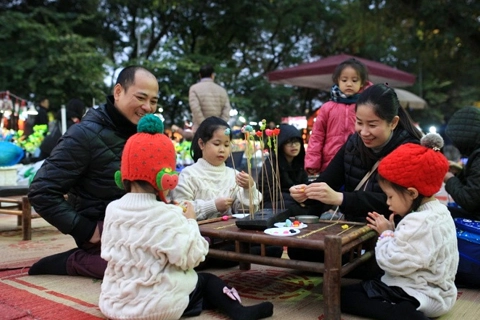
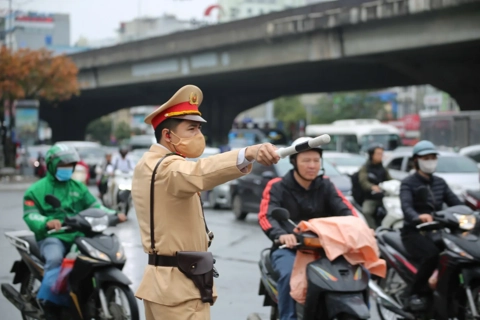
Ask ten Hanoians what happiness means, and you’ll likely hear ten different answers. For the elderly man playing chess by Hoan Kiem Lake, it may be the laughter of his grandchildren. For the elderly woman crossing the street, it may be someone helping her get across safely. For a young office worker stuck in traffic on Kim Ma Street, perhaps it’s the dream of getting home early enough to have dinner with his or her family.
For me, it’s the subtle things such as the blooming milk flowers in early autumn, the sound of street vendors calling in the morning, or the sight of a newly painted public school filled with students. Those details, small as they seem, shape the emotional landscape of the city.
If the Happiness Index is to work, it must listen to these everyday voices, from the vendors, drivers, teachers and families whose sense of well-being depends on the rhythm of daily life.
As Phong explained, adding the HPI to the city’s goals means that every future plan, from urban design to transport, healthcare and education, must consider how it affects citizens’ well-being.
“All policies and actions of the Party Committee and the city government are ultimately directed toward the happiness of the people,” he said.
That’s an ambitious promise. Measuring happiness is notoriously complex. Bhutan famously pioneered the concept with its Gross National Happiness, inspiring cities around the world to seek similar balance between material progress and inner contentment. Hanoi’s version will need to translate that idea into measurable outcomes, with better public spaces, cleaner air, stronger community ties and efficient public services.
It also requires a cultural shift, one that values empathy as much as efficiency, listening as much as planning.
The challenge now lies not in defining happiness, but in sustaining it. Hanoi’s leaders have spoken of a vision where the city becomes not only a center of growth but also a place “worth living, worth visiting and worth taking pride in.”
That vision aligns with what many Hanoians quietly desire. After all, a city’s greatness isn’t built only on its skyline or GDP figures, but on how it makes its people feel of secure, connected and fulfilled.
Walking home that same Saturday, I met my friend in the middle of the alley. She had just finished serving free chicken rice soup to needy children at a nearby hospital. She laughed when I asked why she spent her weekend doing this. “Because I want those children to look happier and stronger,” she said.
It struck me that perhaps the new Happiness Index doesn’t need to chase abstract numbers at all. Happiness, in Hanoi, might already be taking shape, in every shared effort to make the city a little cleaner, kinder and more human.