US drops Vietnam off developing country status
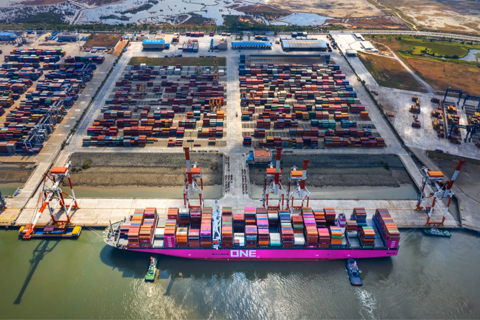
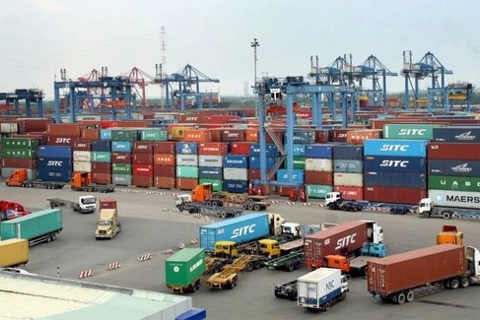
As the 16th largest US trade partner, Vietnam's exports to the US will be more expensive because of the elimination of preferential tariffs.
The Trump administration has eliminated its special preferences for a list of self-declared developing economies that includes Brazil, China, South Korea, Singapore, Thailand, Malaysia, and Vietnam.
The elimination resulted from a decision by the US’s Office of Trade Representative on February 10 in which it lowered the threshold for triggering an investigation into whether nations are harming US industries with unfairly subsidized exports.
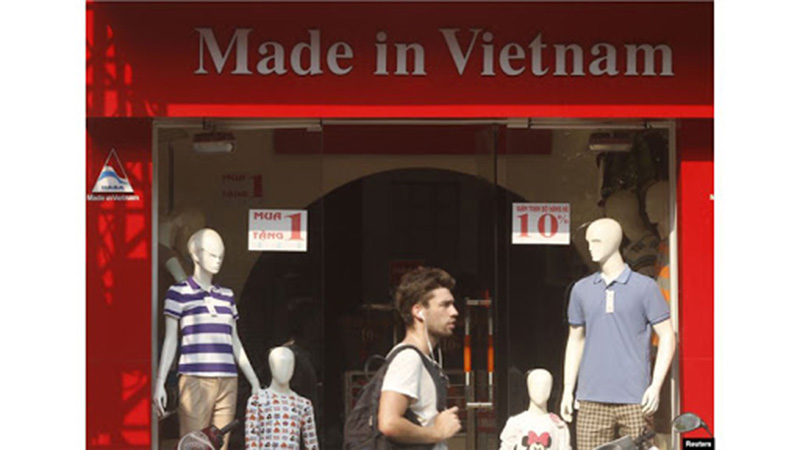
| Vietnam's exports to the US will be more expensive. Photo: Reuters |
The US Trade Representative (USTR)’s decision will affect US-Vietnam trade relations as well as Vietnam’s export industry in general.
Carlyle A. Thayer, Emeritus Professor, the University of New South Wales at the Australian Defence Force Academy, has explained the move and given some clues for it.
President Trump on July 26, 2019, issued an Executive Memo entitled “Reforming Developing-Country Status in the World Trade Organization (WTO).” This memo directed the Office of the United States Trade Representative (USTR) to “no longer treat as a developing country for the purposes of the WTO any WTO Member that in the USTR’s judgment is improperly declaring itself a developing country.”
The USTR was directed to determine whether or not there had been “substantial progress” by the World Trade Organization to limit the number of states considered developing countries. If no “substantial progress” was made in 90 days, President Trump declared that the US would act unilaterally.
The result was that the USTR reviewed its lists of least-developing and developing countries and updated the criteria for classification. In other words, the USTR’s February 10 Notice in the Federal Register was the outcome of a bureaucratic review initiated by Trump’s Executive Memo.
According to Thayer, countries, like Vietnam, who was taken off the developing countries list, will no longer receive preferential treatment. Also, they will be subject to a lower threshold for triggering a US Countervailing Duties investigation into whether their exports are unfairly subsidized by the state and harm US industries.
Vietnam, the 16th largest US trade partner, is said to lose its developing country status because it has at least a 0.5% share of global trade. Its exports to the US will be more expensive because of the elimination of preferential tariffs, Thayer said in an interview with international reporters recently.
After the US’s move, Deputy Spokesman Doan Khac Viet of the Vietnamese Ministry of Foreign Affairs said at a press conference on February 20 that Vietnam will have dialogue with the US to promote the bilateral trade under the mutual interest mode.
Hanoi will keep an eye on possible impacts that the drop-off may cause, Viet said in a regular press meeting.
Trade between Vietnam and the US rose 25% to nearly US$76 billion in 2019 in which the US remained Vietnam’s biggest import market while Vietnam is among the US fastest-growing trade partners.