14TH NATIONAL CONGRESS OF THE COMMUNIST PARTY OF VIETNAM
Log in
Business

Vietnam passenger car import surges 150% in Jan-Oct

This resulted in Vietnam importing an average of 9,230 cars per month and over 300 cars per day, and car imports of nearly US$1.75 billion during the period, up 250% year-on-year.

Vietnam imported 92,230 passenger cars, or cars with less than nine seats, in the first ten months of 2019, up 150% year-on-year, according to the Ministry of Industry and Trade (MoIT).

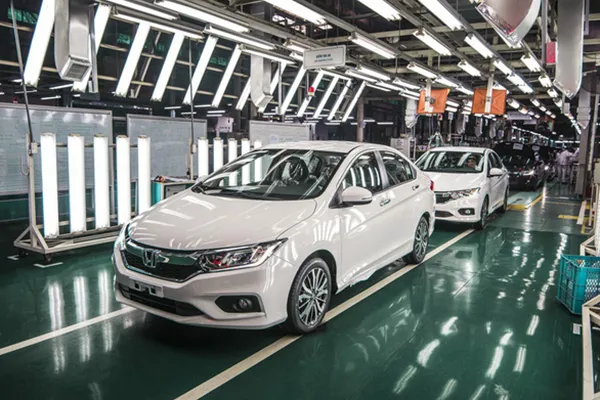
 Illustrative photo.

This resulted in Vietnam importing an average of 9,230 cars per month and over 300 cars per day, leading to car imports of nearly US$1.75 billion during the 10-month period, up 250% year-on-year.

In October, Vietnam imported 15,000 vehicles, in which 90% were passenger cars worth US$206 million. Meanwhile, 37,800 were assembled locally, up 1.3% year-on-year, accumulating a total of 284,200 in the January – October period, up 8.6%.

According to the MoIT’s statistics, imported car parts and accessories also witnessed a hike of 123% year-on-year in October at US$400 million.

As of September, Vietnam imported 109,000 automobiles of all types worth US$2.4 billion, up 167.8% in quantity and 157% in value year-on-year.

The majority of imported cars to Vietnam are from Thailand, Indonesia, Japan, China and Germany, accounting for 97% of total cars imported into Vietnam to date.

In 2019, Vietnam is projected to have a record car trade deficit of US$3.4 billion, stated the MoIT.

Car imports into Vietnam from ASEAN countries are rising fast as the ASEAN Free Trade Agreement (AFTA) became effective, leading to zero import tariff. 

“Car imports would continue to increase thanks to stronger domestic demand, in turn causing negative impacts on the domestic automobile production industry and the country’s trade balance,” said the MoIT in a report. 

The concentration of a high number of car makers and assemblers in such a small-size automotive market is one of the main reasons for the sluggish development of Vietnam’s automotive industry, stated the MoIT. 

More importantly, Vietnam’s car making industry depends heavily on the multinational production chains and has only participated in the simple phase of the global value chain with low added value products. Meanwhile, local companies have not been able to master core technologies such as engine and control systems. 

Reactions:
Share:
Trending
Most Viewed
Related news
Vietnam on course to switch to biofuel nationwide from June 1

Vietnam on course to switch to biofuel nationwide from June 1

The nationwide shift to biofuel gasoline marks a major step toward a cleaner and more sustainable fuel market.

Vietnam coffee exports stay resilient amid oversupply risks

Vietnam coffee exports stay resilient amid oversupply risks

Vietnam’s coffee industry enters 2026 with strong revenue expectations, but shifting global supply conditions and tighter sustainability rules are forcing exporters to adjust strategies and strengthen long-term resilience.

Hanoi, FPT break ground on digital technology park to drive innovation-led growth

Hanoi, FPT break ground on digital technology park to drive innovation-led growth

Hanoi has moved to accelerate its transition toward a knowledge-based economy by launching a large digital technology park designed to support innovation, attract talent and promote sustainable development.

Profitable Japanese firms in Vietnam hit record high since 2009

Profitable Japanese firms in Vietnam hit record high since 2009

Vietnam is designing competitive and forward-looking policies to help FDI enterprises operate smoothly and succeed in the country.

Online retail sales in Vietnam top US$16 billion

Online retail sales in Vietnam top US$16 billion

Vietnamese consumers purchased more than 3.6 billion products on Shopee, Lazada, Tiki and TikTok Shop in 2025, up more than 15% on year.

Dutch chip giant ASML eyes Vietnam expansion as semiconductor ambitions accelerate

Dutch chip giant ASML eyes Vietnam expansion as semiconductor ambitions accelerate

Vietnam’s plan to build a high-value semiconductor ecosystem is drawing attention from Dutch giant ASML, one of the world’s most critical chip equipment suppliers, signaling rising confidence in the country’s technology-led growth strategy.

Capital calls on enterprises to lead innovation push for double-digit growth

Capital calls on enterprises to lead innovation push for double-digit growth

Hanoi leaders are urging enterprises to accelerate innovation, digital transformation, and green growth as the capital targets GRDP growth of at least 11% in 2026, laying the foundation for sustained double-digit expansion through 2030.

Vietnam tipped as Asia’s growth champion in 2025: HSBC

Vietnam tipped as Asia’s growth champion in 2025: HSBC

For 2026, HSBC forecasts Vietnam’s GDP growth at 6.7%, supported by faster public investment and the resilience of exports.