Vietnam’s FDI performance signals shift toward quality investment and sustainable growth momentum
A local economist discussed Vietnam’s foreign direct investment (FDI) trends, emerging opportunities in high-tech sectors and key policy priorities to ensure foreign capital becomes a long-term, sustainable driver of economic growth.
THE HANOI TIMES — Nguyen Van Toan, Vice Chairman of the Vietnam Association of Foreign Invested Enterprises (VAFIE), spoke with Hanoimoi Newspaper about Vietnam’s FDI performance in 2025 and the direction needed to turn foreign investment into a truly sustainable growth driver.

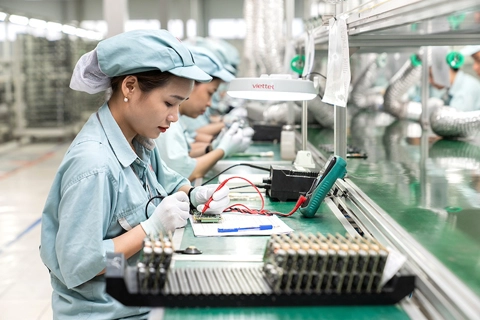
Production of semiconductor components at Solum Vina Company. Photo: Hoang Nam/The Hanoi Times
How do you assess Vietnam’s FDI attraction results in 2025?
According to the General Statistics Office, total registered foreign investment reached $38.4 billion as of December 31, 2025, up 0.5% year-on-year. Disbursed FDI rose to an estimated $27.6 billion, marking a 9% increase from 2024 and the highest level recorded in the past five years.
This outcome stands out amid global uncertainties, including geopolitical tensions, rising trade protectionism and tighter monetary conditions in major economies. It confirms that Vietnam continues to attract foreign investors.
More importantly, FDI quality has improved, with a growing share of high-tech projects and deeper integration into global value chains.
These results reflect the government’s consistent efforts to maintain macroeconomic stability, improve the business environment and strengthen investor confidence in Vietnam’s long-term development outlook.
What do you think about the idea of FDI playing a bigger role Vietnam’s ambition to achieve double-digit economic growth, especially in new areas such as digital infrastructure, high technology, semiconductors and artificial intelligence?
I agree that FDI will play a more decisive role in the coming period. As Vietnam pursues fast and sustainable growth driven by productivity, science and innovation, the focus of FDI attraction must move from quantity to quality.
Future growth will depend on sectors such as digital infrastructure, high technology, semiconductors, artificial intelligence, green industries and the circular economy.
Attracting leading multinational corporations in these areas will bring capital, advanced technologies, modern management practices and stronger human resources.
If Vietnam directs FDI toward digital and green transformation while strengthening domestic capacity, foreign investment can become a core driver of growth from 2026 onward.
What advantages and limitations does Vietnam face in attracting FDI into high technology and digital infrastructure?
Vietnam benefits from solid fundamentals. Political and social stability, a clear development orientation and deep international integration through new-generation free trade agreements create strong advantages.

Nguyen Van Toan, Vice Chairman of the Vietnam Association of Foreign Invested Enterprises. Photo: Hanoimoi Newspaper
The investment legal framework, including the amended Investment Law, has become more transparent and business-friendly, particularly for foreign investors.
Major Party resolutions on science and technology, innovation, digital transformation, institutional reform and private sector development have started to generate positive effects, reinforcing investor confidence.
Vietnam’s market of nearly 100 million people and its young, adaptable workforce further enhance its attractiveness.
The government’s strong push for digital, green and innovation-led growth opens new opportunities for strategic investors.
However, several constraints persist. Digital, energy and logistics infrastructure have improved but still lag behind the requirements of large-scale high-tech projects.
Skilled human resources, especially in semiconductors and artificial intelligence, remain limited.
Administrative procedures in some sectors also continue to slow investment implementation.
What solutions should Vietnam focus on to attract stronger FDI inflows into emerging sectors?
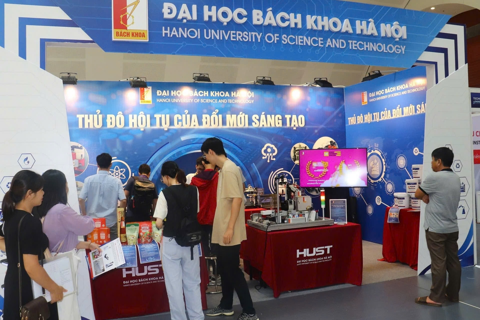
First, Vietnam must invest more strongly in developing high-quality human resources. The country aims to train around 50,000 engineers, researchers and skilled professionals for the semiconductor industry in the coming years.
To meet this target, universities and training institutions need closer coordination with enterprises to ensure education aligns with real market demand.
Second, Vietnam should refine targeted incentive policies for high-tech projects, including taxation, land access, credit support and a stable, predictable business environment.
Continued investment in digital infrastructure, high-speed connectivity and data centers remains essential, as these form the foundation of technology-driven industries.
Administrative reform also plays a critical role. Wider application of digital tools, a truly effective one-stop mechanism and faster licensing processes will help accelerate project implementation.
Finally, building a strong supporting industry ecosystem will allow domestic firms to integrate into global value chains and increase spillover benefits from foreign investment.
Thank you for your time!