Vietnam to launch Ao Dai Cultural Association
The association aims to create a global cultural space for lovers of the ao dai (Vietnam’s traditional long dress) and to seek UNESCO recognition for this iconic symbol of Vietnamese heritage.
THE HANOI TIMES — The Vietnam Ao Dai Cultural Association will be launched on August 9 at the Hanoi Opera House to unite Vietnamese and international enthusiasts dedicated to preserving and promoting the cultural value of the iconic ao dai.
Formed on the foundation of the Vietnam Ao Dai Heritage Club, the association continues meaningful initiatives like the “Youthful Silhouettes” program, which has presented nearly 2,000 white ao dai dresses to 12th-grade students in underprivileged areas.
These efforts help spread the elegance and cultural symbolism of ao dai in both daily life and education.
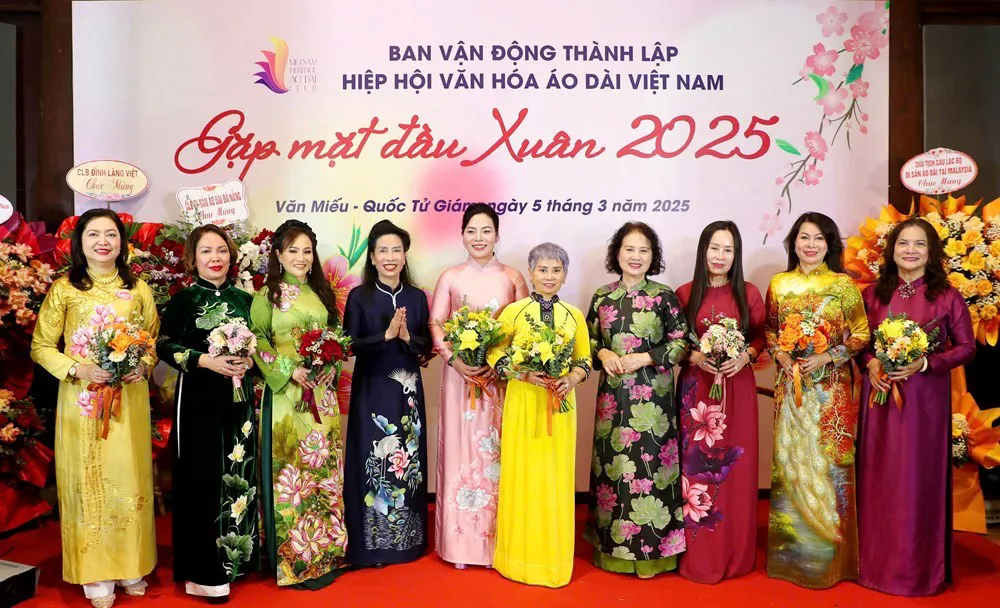
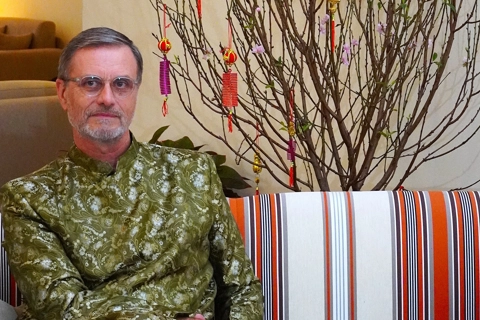
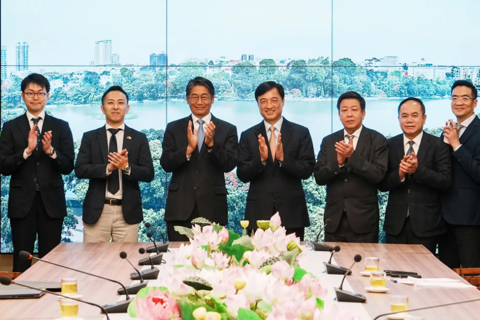
Lunar New Year 2025 meeting of the Vietnam Ao Dai Cultural Association’s Founding Committee. Photo: Baovanhoa.vn
The association will hold its first congress to adopt the association’s charter, elect a leadership board, and outline its 2025-2030 development targets.
Speaking ahead of the event, Dr. Dang Thi Bich Lien, former Deputy Minister of Culture, Sports and Tourism, stressed that ao dai is more than a traditional outfit; it represents the spirit and cultural strength of the Vietnamese people.
“This symbolic dress has accompanied Vietnamese women through every chapter of history, from the early days of building and defending the nation to today’s journey of international integration,” she said.
Khuc Thi Dau, Head of the founding committee, expressed hope for creating a shared cultural space for those who love ao dai.
She envisions a place where ideas can meet and grow, helping ao dai expand from everyday life into the arts and creative fields, both in Vietnam and among Vietnamese communities around the world.
In the coming years, the association plans to promote the development of a nomination dossier for UNESCO to recognize ao dai as an Intangible Cultural Heritage of Humanity. It will also encourage the growth of ao dai cultural spaces connected with education, artistic expression, and innovation.