A journey into Lai Chau’s wild beauty begins in Sin Suoi Ho
As Lai Chau in the northwest continues to polish its hidden gems, tourism leaders are increasingly optimistic about the bright future ahead.
THE HANOI TIMES — Nestled on the mountainside of Son Bac May at more than 1,500 meters above sea level, and just 30 kilometers from the northern mountain province of Lai Chau's city, the poetic village of Sin Suoi Ho lies hidden among the clouds, home to the H’Mong ethnic community.
In the Mong language, Sin Suoi Ho means “stream of gold,” a name that mirrors the village’s calm and luminous beauty.
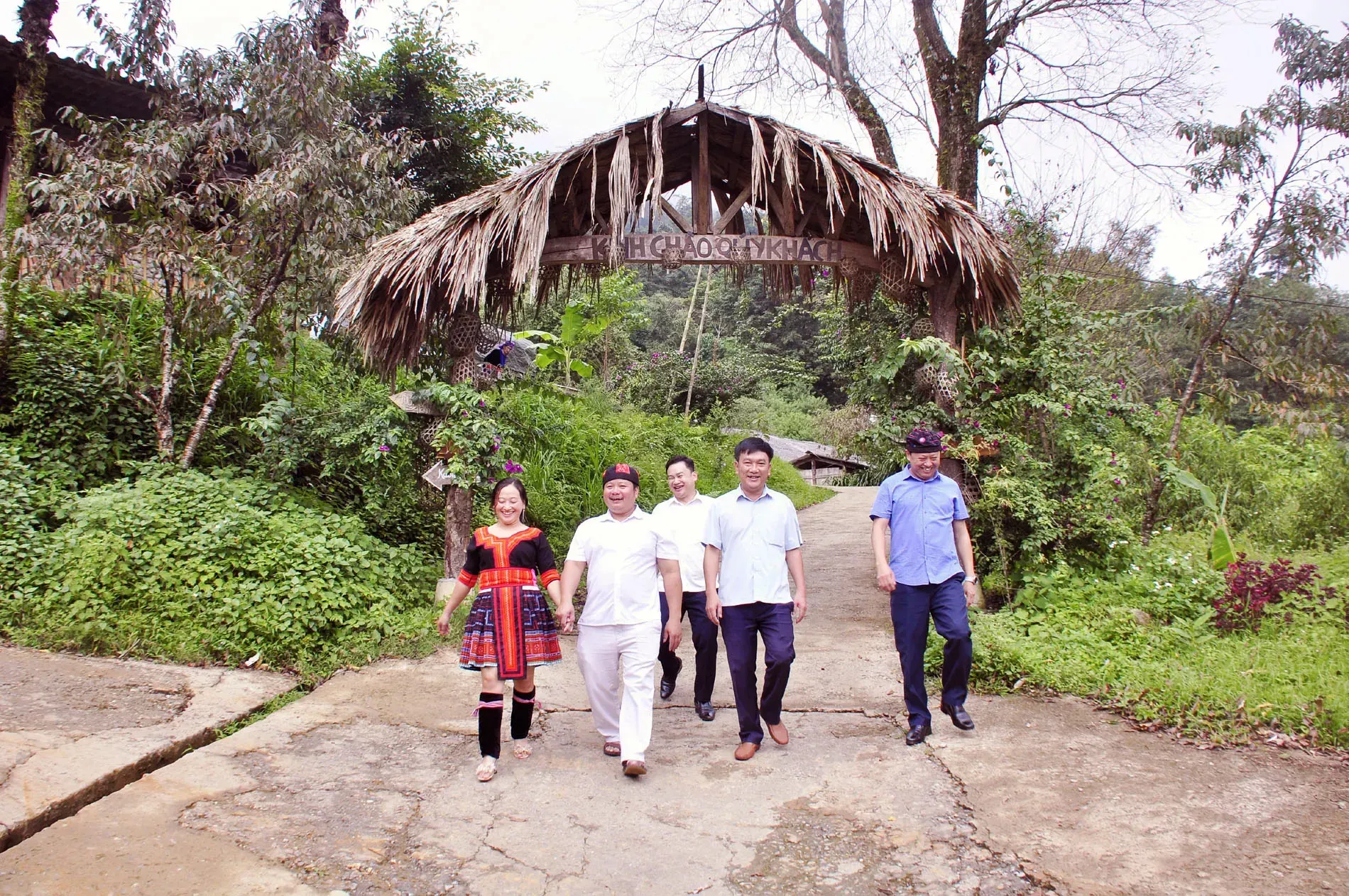
Tourists take in the scenery at Sin Suoi Ho ethnic village in Lai Chau Province. Photo: Hoai Nam/ The Hanoi Times
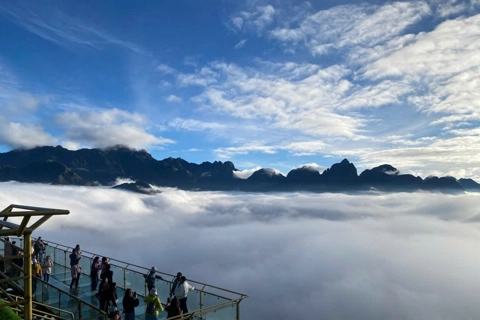
Sitting in Vietnam’s remote northwest, Lai Chau is blessed with some of the country’s most spectacular landscapes: the legendary O Quy Ho Pass, which is considered the longest mountain pass in Vietnam, along with the stunning Dragon Cloud Glass Bridge and vast forests of Hoang Lien National Park.
Sin Suoi Ho Village in Phong Tho Commune, already recognized by ASEAN, hints at the province’s deep well of untapped tourism potential. Soon, this beautiful natural landscape and unique minority culture will reach a wider audience, as Hanoi has pledged to work closely with Lai Chau to promote the province and develop new tour offerings tailored to the inbound tourism market.
Enormous potential still waiting to shine
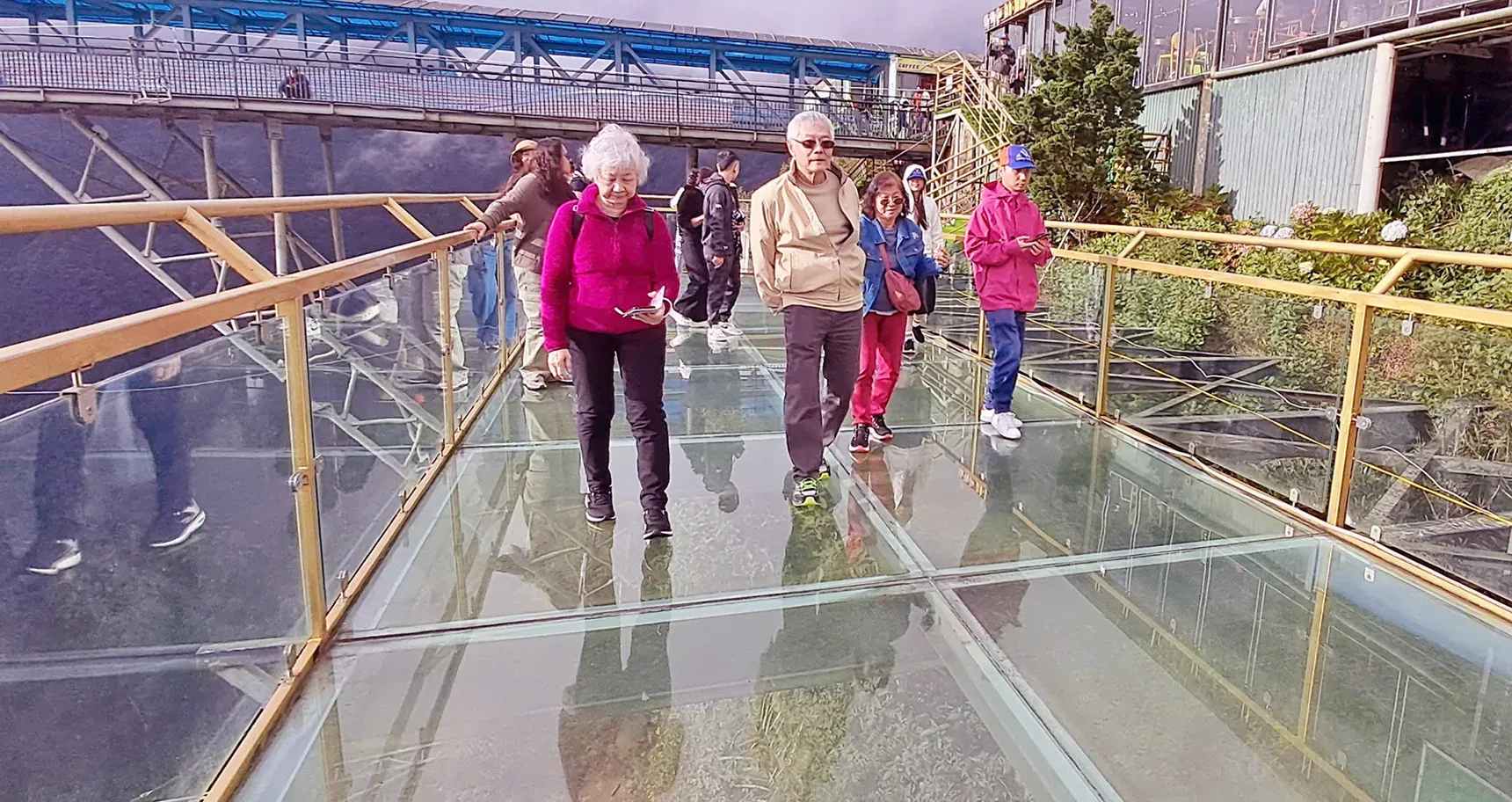
International tourists take in the dramatic scenery from the Dragon Cloud Glass Bridge in Lai Chau Province, Vietnam.
According to Lai Chau’s Department of Culture, Sports and Tourism, the province currently boasts 20 provincial-level tourist sites, an ASEAN-accredited community attraction, and two dedicated tourism zones that can welcome a broad range of visitors, including high-end travelers.
Lai Chau’s tourism infrastructure is gradually improving, with more than 133 accommodation facilities, including a five-star hotel, alongside 150 restaurants serving ethnic cuisine and widespread 4G and high-speed internet. A new road linking Lai Chau to the Noi Bai-Lao Cai Expressway and a tunnel that will cut travel time across Hoang Lien Pass from 30 minutes to around eight minutes are expected to reshape visitor access significantly.
Lai Chau is home to 20 ethnic groups whose traditions, architecture, and cuisine remain vibrant. The Dao people’s fire dancing festival still burns bright with ancestral energy, while Sin Suoi Ho stands out as a leader in green, sustainable tourism.
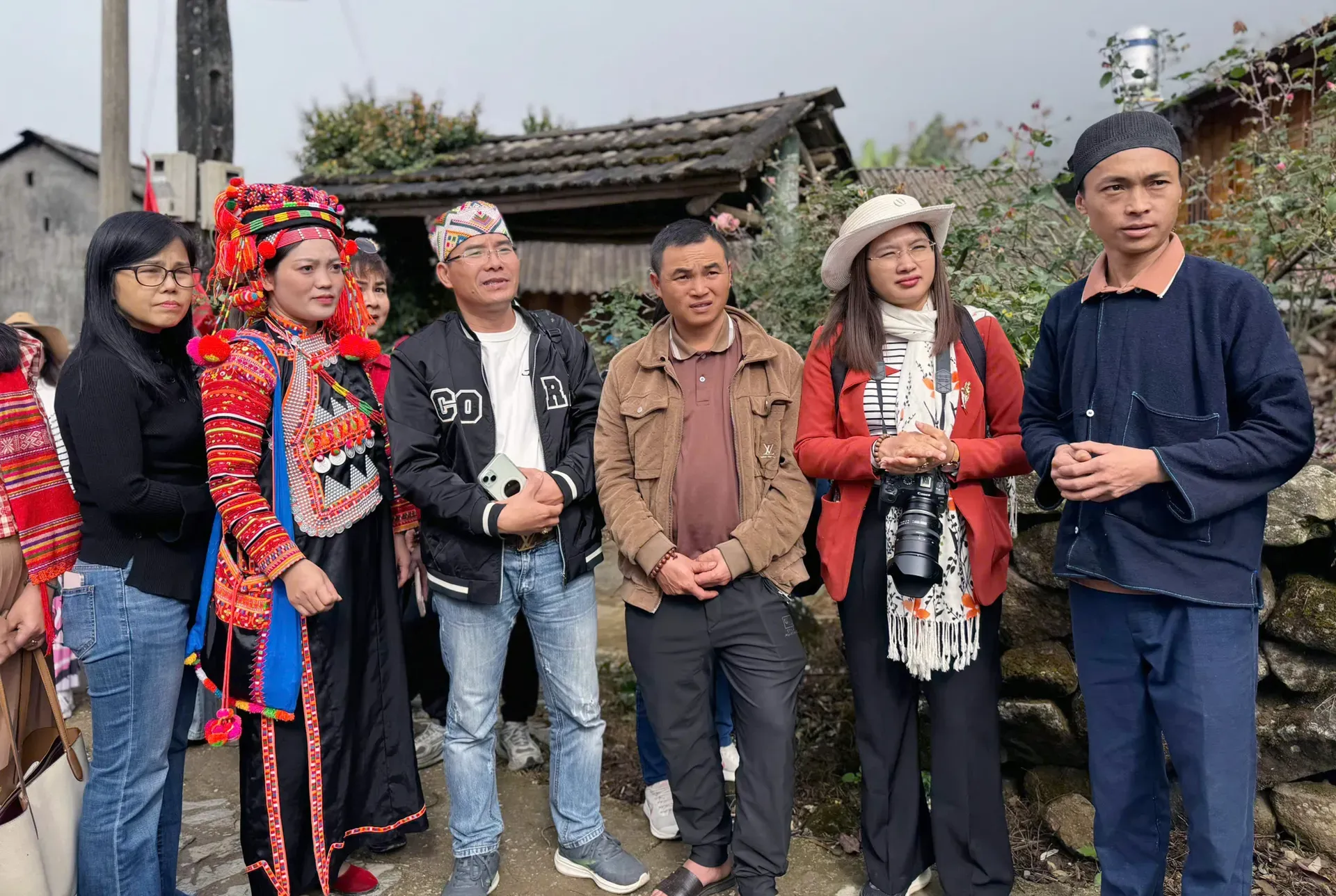
Tourism enterprises from Hanoi and Lai Chau discuss ways to attract visitors at Si Thau Chai Village, Lai Chau. Photo: Hoai Nam
Yet the province remains underpromoted. Many travelers and even investors know little about its offerings. Misconceptions linger, such as the common belief that the Dragon Cloud Glass Bridge belongs to neighboring Lao Cai.
Hanoi-based travel companies say Lai Chau also lacks strong, large-scale players capable of modernizing services and building a cohesive tourism ecosystem. As a result, current products still focus largely on sightseeing and dining rather than holistic travel experiences.
Dao Thi Bich Huong, General Director of SEA GATE Investment Consulting, Translation and Tourism Co., Ltd., said that community-based tourism remains basic and many cultural activities are not yet presented fully. Infrastructure in key areas, she added, varies widely and lacks the complementary services needed to lift community tourism to the next level.
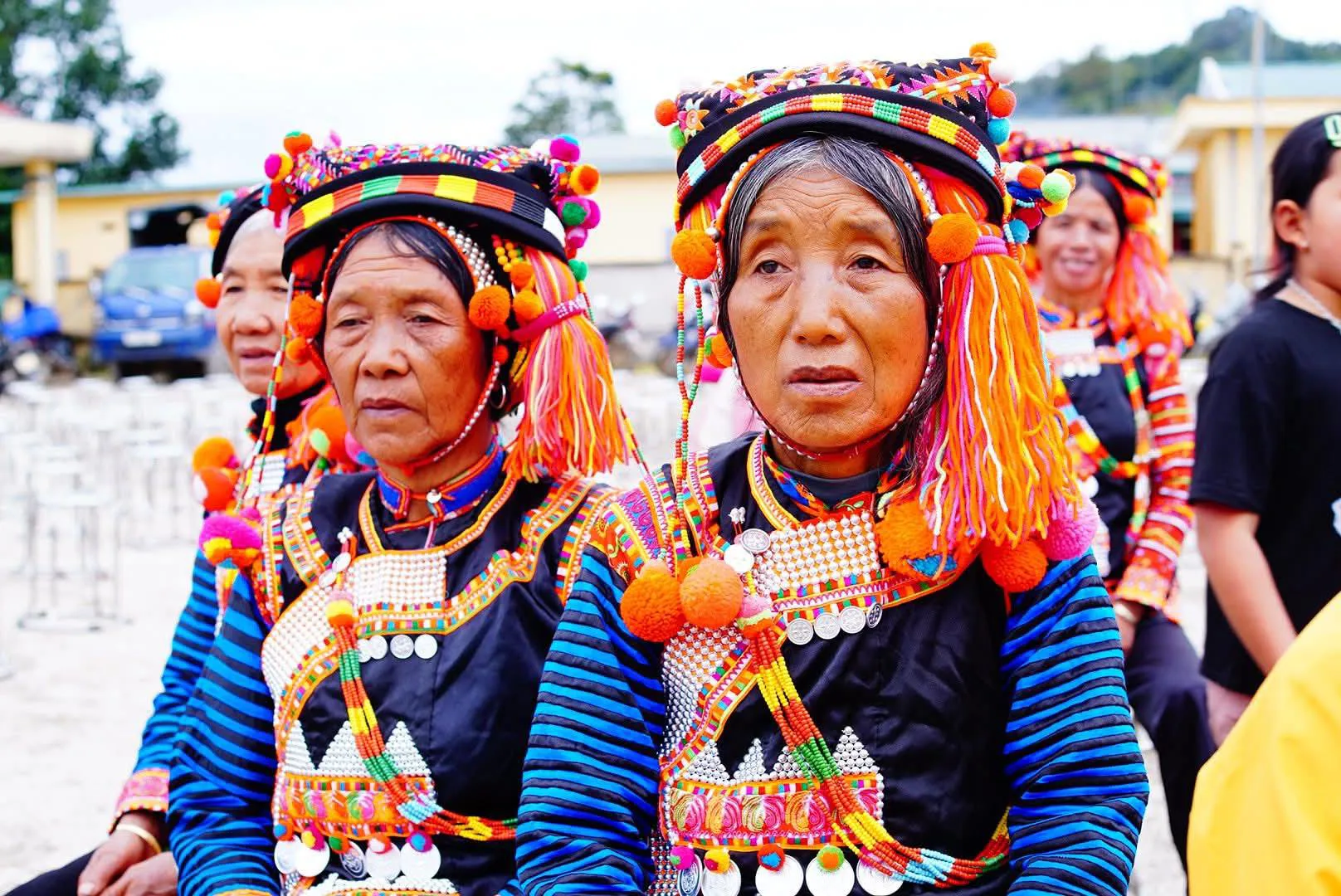
H’Mong ethnic minority residents in Lai Chau Province. Photo: Ve Dep Lai Chau Page
Nguyen Van Tung, Director of Tay Bac Travel, said that Lai Chau’s strong appeal for international travelers seeking mountain landscapes and cultural immersion is undeniable. However, outdated accommodation standards limit the province to organizing only three-star tours, well below the expectations of high-spending tourists.
These challenges reflect a larger reality, with Lai Chau a promising untapped resource that needs polishing to become a true magnet for travelers. Experts say the key lies in developing standout experiences, strengthening regional partnerships, and boosting promotion.
Vice Chairman of the Hanoi Tourism Association Nguyen Tien Dat suggested Lai Chau expand its digital presence across platforms such as Facebook, Zalo and YouTube. He also emphasized developing more cohesive tourism products that weave together the cultural identities of ethnic groups rather than showcasing them in isolation.
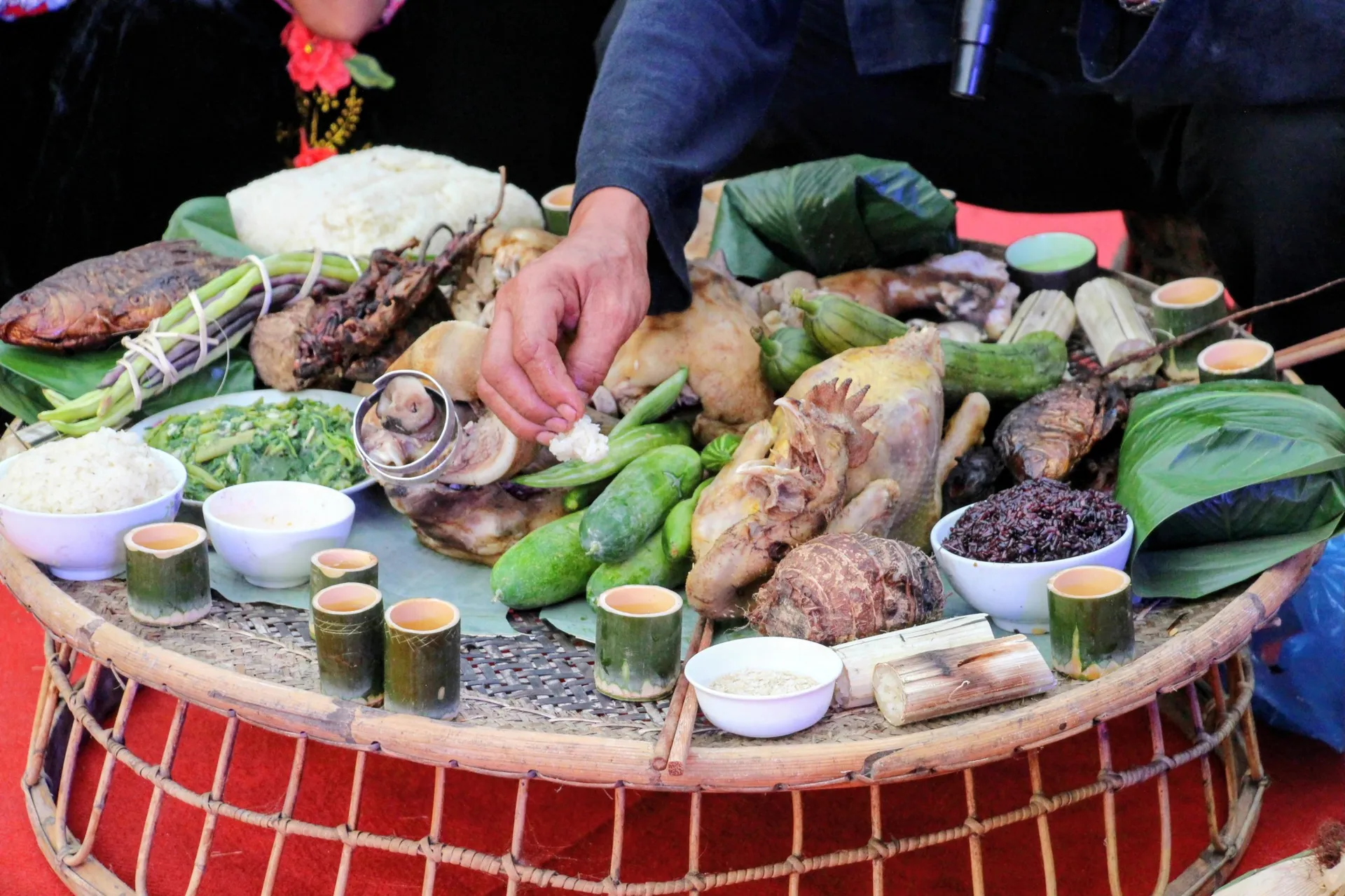
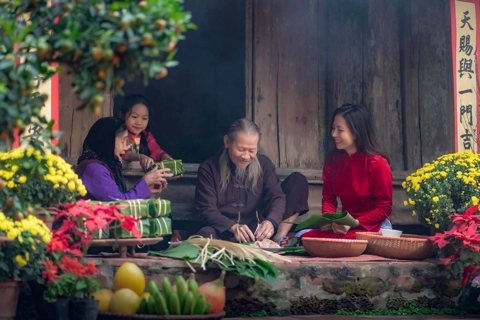
A festive meal marks the new rice season for the H’Mong ethnic group in Lai Chau. Photo: Ve Dep Lai Chau Page
FiveStar Travel CEO Luong Duy Doanh highlighted Lai Chau’s rich specialties and OCOP products, urging closer collaboration with the Department of Industry and Trade to design programs where travelers receive local goods as souvenirs. This approach does not only supports tour promotion but also helps OCOP producers, encouraging tourists to choose Lai Chau for authentic experiences.
To encourage longer stays, Mai Viet Travel Director Duong Xuan Trang recommended linking routes with Lao Cai and Dien Bien to form inter-provincial tours. He stressed the need for higher-end hotels and better roads to meet the demand of wellness focused inbound visitors.
“Lai Chau should develop Dao and H’Mong cultural experiences that stand apart from Sapa so tour operators can craft products unique to the province,” Trang added.
Other travel businesses proposed interconnected discounts to stimulate demand. “For instance, hotel guests could receive reduced price tickets to the Glass Bridge tourist area, and visitors to the site could receive hotel discounts,” said Ta Van Hung, Deputy Director of Augroup Vietnam Co., Ltd.
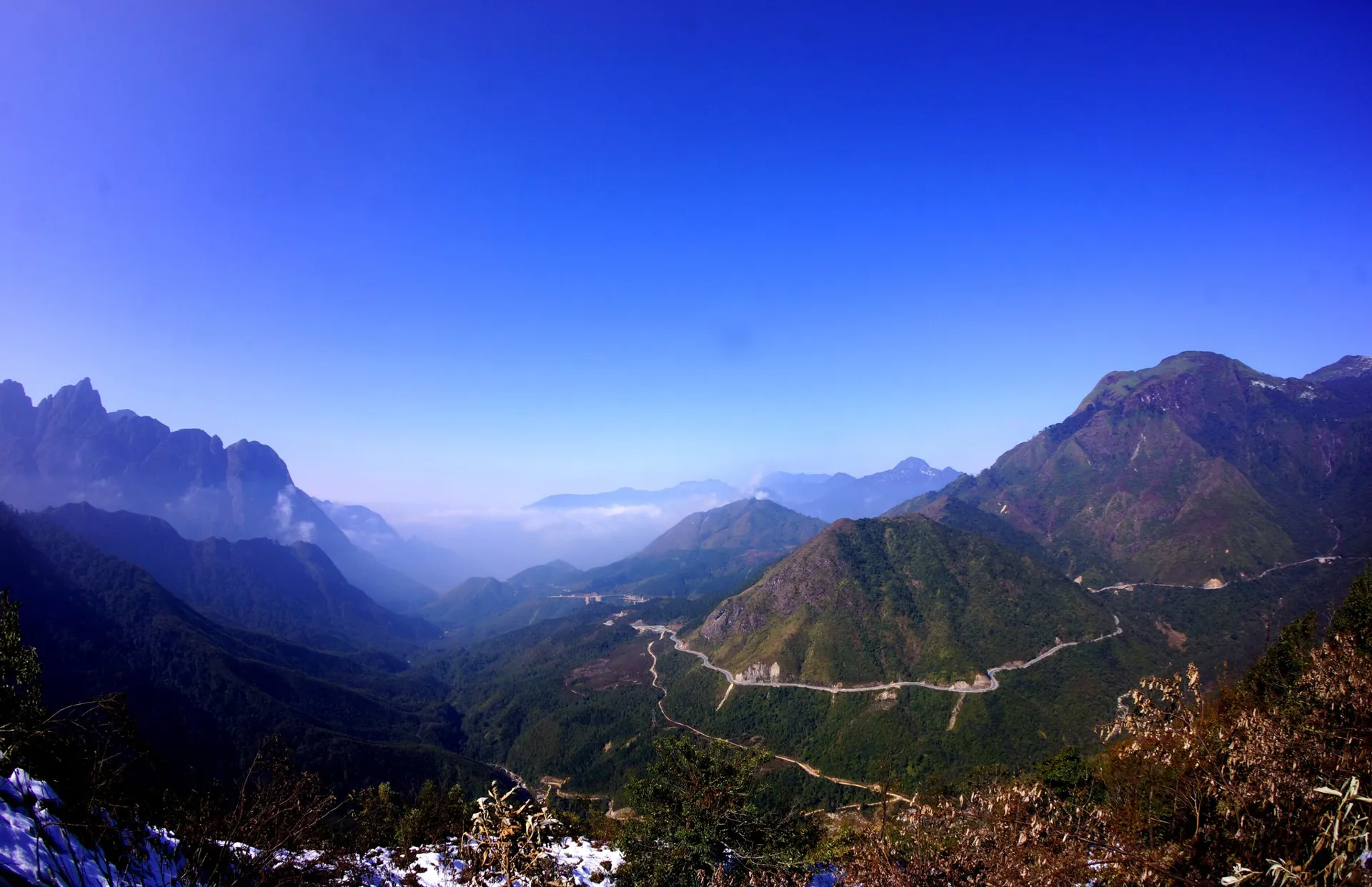
A breathtaking bird’s-eye view of the magnificent O Quy Ho Pass in Lai Chau Province. Photo: Lai Chau Tourism
Responding to the proposals, Hanoi Department of Tourism Deputy Director Tran Trung Hieu affirmed Hanoi’s readiness to collaborate in creating distinctive tourism products tailored to diverse audiences. “Hanoi tourism will go hand in hand with Lai Chau tourism in promotional activities to attract domestic and international tourists,” he said.
Representing the host province, Lai Chau’s Deputy Director of the Department of Culture, Sports and Tourism Tran Quang Khang emphasized continued support for Hanoi-based travel agencies in building and operating tours. “The land of Lai Chau will always welcome Hanoi businesses to come and share benefits together,” he said.
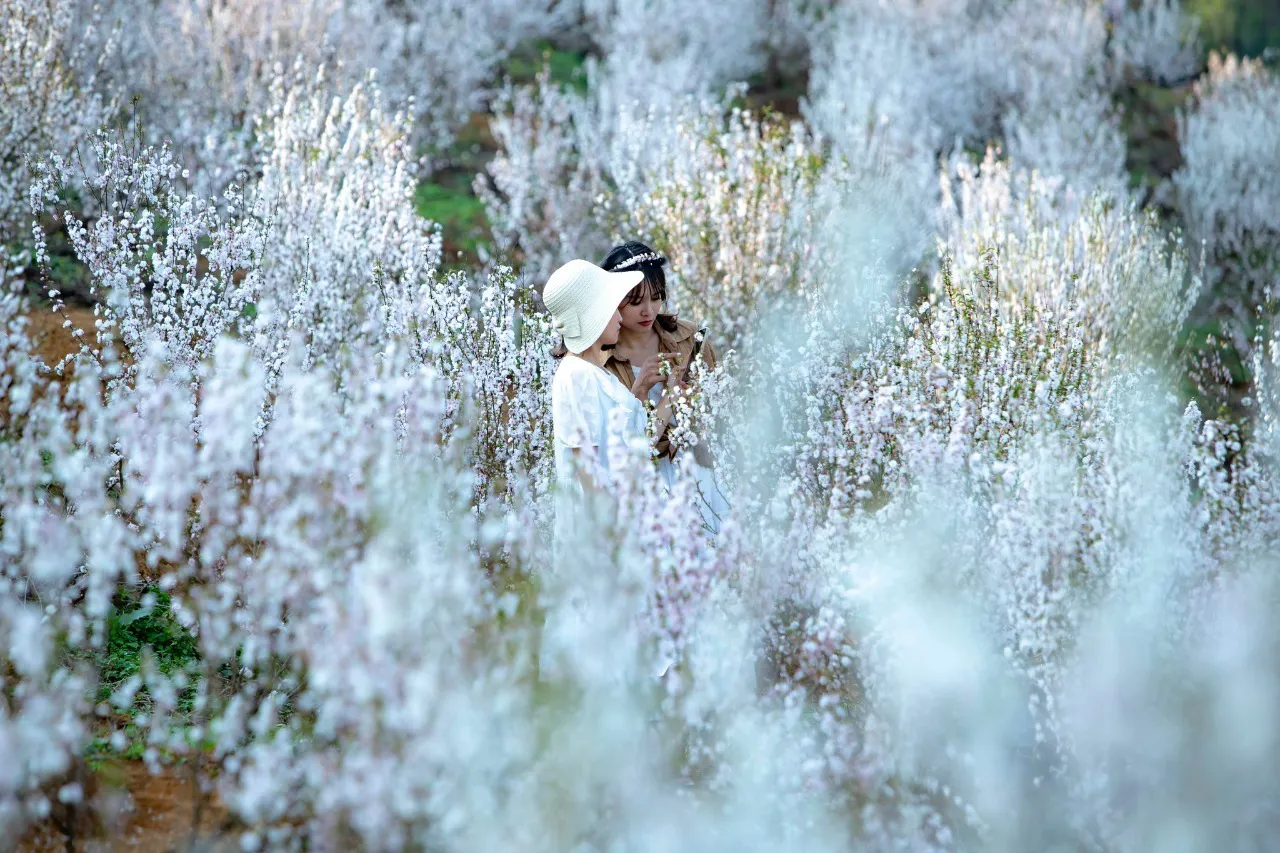
Springtime beauty unfolds across the landscapes of Lai Chau Province. Photo: Ve Dep Lai Chau Page