Border soldiers walk alongside children on Lai Chau’s hardships to school
In Vietnam’s northern border highlands, many children begin their school day hours before sunrise, walking dangerous mountain paths to reach class. Behind their perseverance stands quiet, long-term support from border soldiers, teachers and local authorities.
THE HANOI TIMES — While darkness and thick fog still wrapped Senh Sang A Hamlet in Dao San Commune of the northern mountain province of Lai Chau, Giang A Gio, 10, quietly wakes up.
He washes his face with cold water, packs his worn schoolbag and steps out into the mountain morning long while other children of his age are still enjoying a good sleep.
The path from Gio’s home to school stretches more than 10 kilometers across steep slopes and narrow trails. Classes begin at 8 AM, which means he must leave home no later than 5 AM, moving through darkness, mist and silence to reach the classroom on time.
Gio walks to school and back every day. By the time he returns home, his small legs have carried him more than 20 kilometers.
No one walks with him. His father died when Gio was still in kindergarten, leaving his mother alone to care for nine children. Survival comes first in the family. His older siblings work to earn money, while Gio shoulders the long journey to school on his own.
On rainy days, the path turns slick and dangerous. Gio said he leaves even earlier then, because one slip on the steep mountainside could cost him an entire day of lessons. Falling behind worries him more than the cold, the exhaustion or the fear.
Local authorities have provided some support to his household, but the daily struggle belongs to him alone. Even so, when Gio talks about school, his voice softens.
“Every day at school feels happy and I really love going to class,” he said. For Gio, education represents hope, even when the road to reach it feels endless.
The distance Gio walks is only one of many burdens facing children in Lai Chau’s border hamlets. Across the highlands, many students grow up in families broken by separation, illness or unstable incomes, where schooling often feels uncertain and fragile.
Fifth grader Ly Chim Khanh knows this struggle well. Before entering a boarding school, he walked nearly 20 kilometers every day from his home in Ma Can Hamlet to class, repeating the journey through heat, rain and cold.
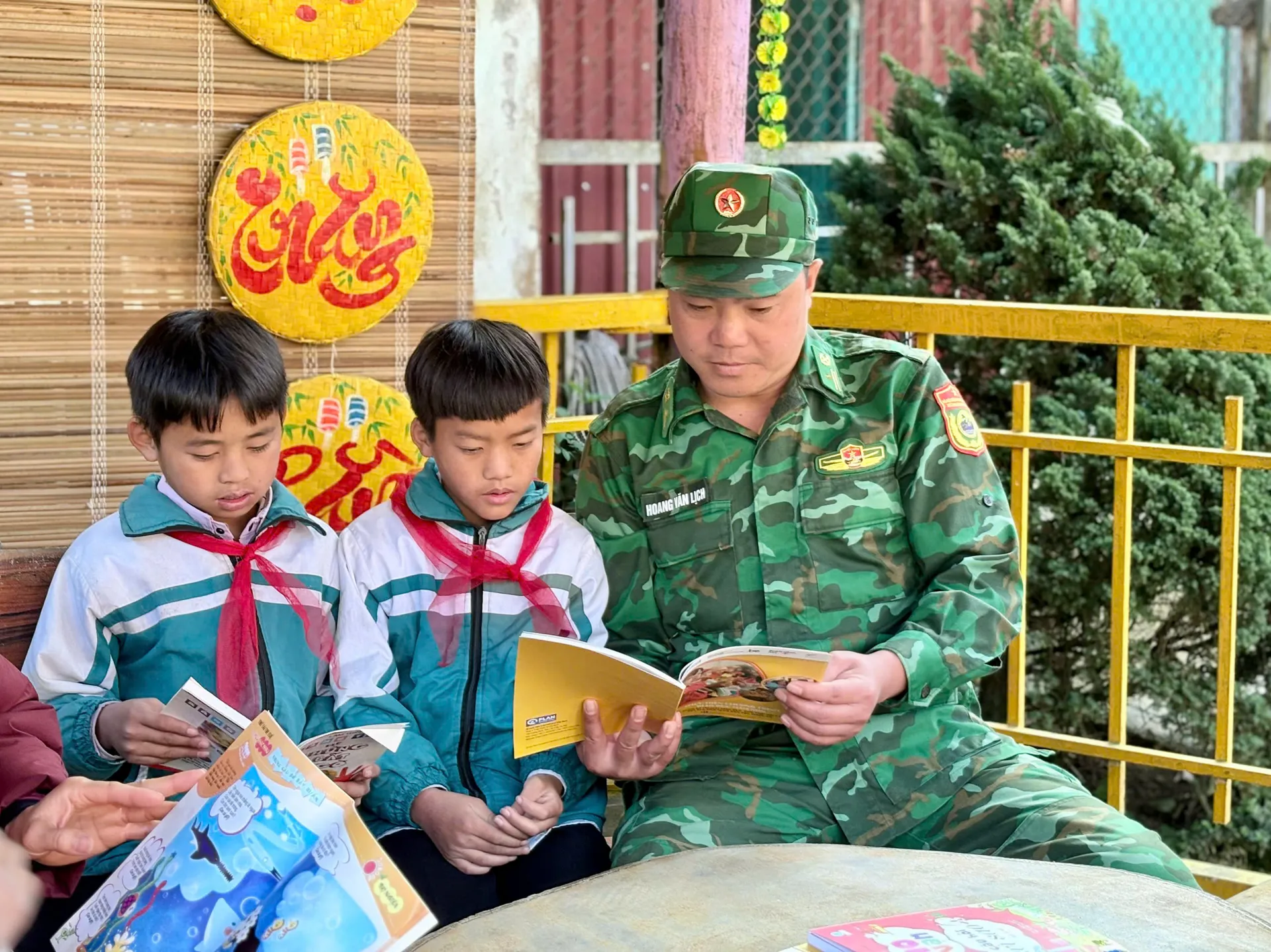
Border soldier Hoang Van Lich guides students during a reading session at the school.
His parents are no longer together and he now stays with his elderly grandparents. Admission to the boarding school eased the physical hardship, but it came at another cost. Khanh now spends most of the month away from home.
“I miss home very much, but I still feel lucky and grateful to be able to study,” he said. Sometimes, he manages to return only once a month.
Khanh’s experience reflects the quiet reality for many border students. Long distances, broken families and unstable living conditions turn education into a daily test of endurance.
Life along Vietnam’s northern border has long followed the rhythm of steep mountains, limited resources and harsh weather. In Lai Chau, where homes scatter far from schools and services, learning often begins with hardship.
For many children here, the journey to school starts long before sunrise, across winding paths that grow dangerous in heavy rain or early winter cold. Long before they open a textbook, they must first overcome the road itself.
The bonds that ease students’ strains
The stories of Giang A Gio and Ly Chim Khanh show resilience shaped by teachers, local authorities and more than two decades of steady support from Lai Chau’s border soldiers.
For over 20 years, border guards in Lai Chau have run a student support program that now reaches about 230 children.
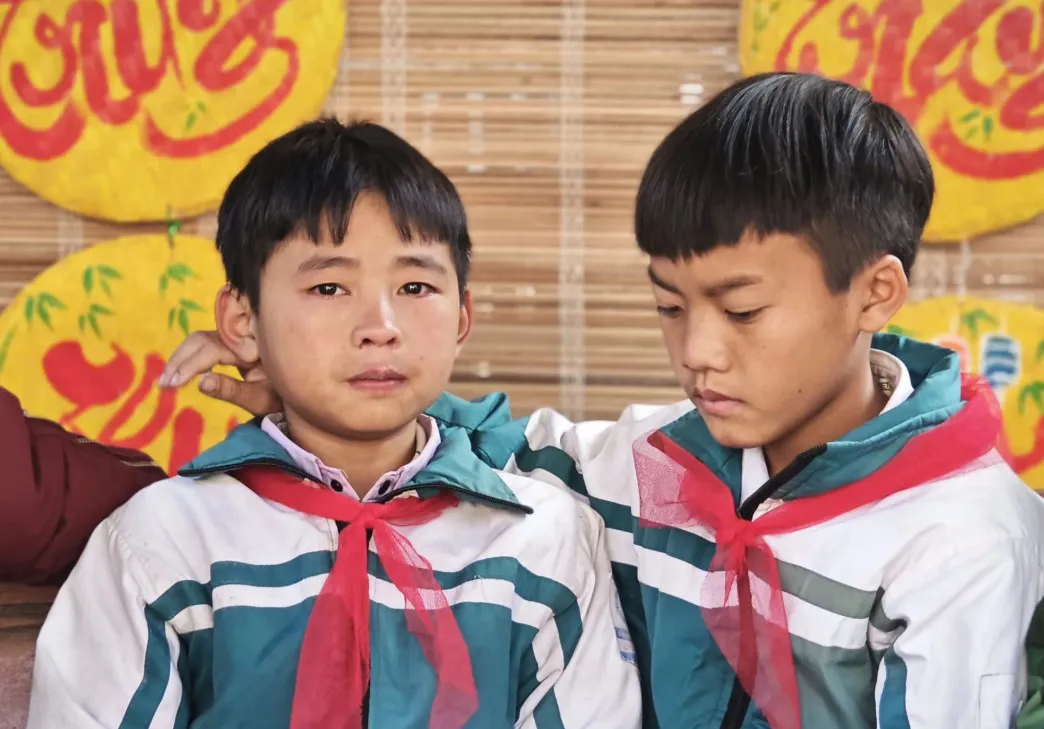
Fifth grader Ly Chim Khanh (left) becomes emotional while speaking about the support he receives from border soldiers.
Through monthly assistance and close guidance, they help students stay in school despite distance, poverty and unpredictable mountain conditions.
With 28 hamlets and more than 16,000 residents scattered across steep terrain, even small disruptions can push children out of school.
These vulnerabilities have increased the importance of the province’s border guard forces over the past two decades.
Their role has grown into a structured presence across education, social welfare and community support.
Colonel Le Cong Thanh, Vice Political Commissar of the Lai Chau Border Guard Command, said the bond between officers and students feels like family and soldiers work to ensure children “feel guided rather than alone.”
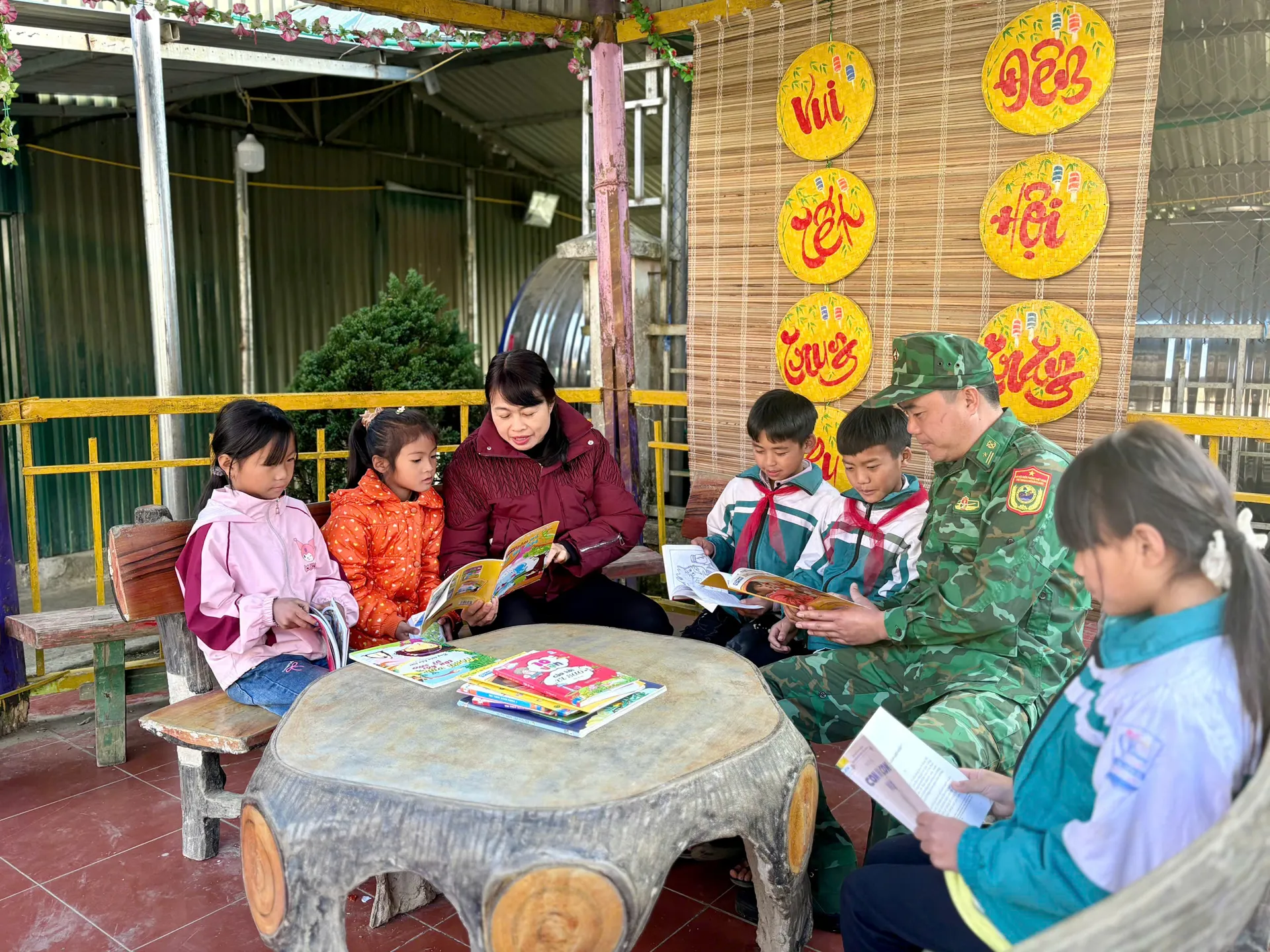
Teachers in the highlands share this view. Pham Thi Xuan, principal of the Dao San Primary Boarding School, grew emotional as she spoke about the hardships many students bring with them to class, wiping away tears while describing the burdens they carry.
She said the school would struggle without the steady help of border guards. “We are grateful for their support,” she said.
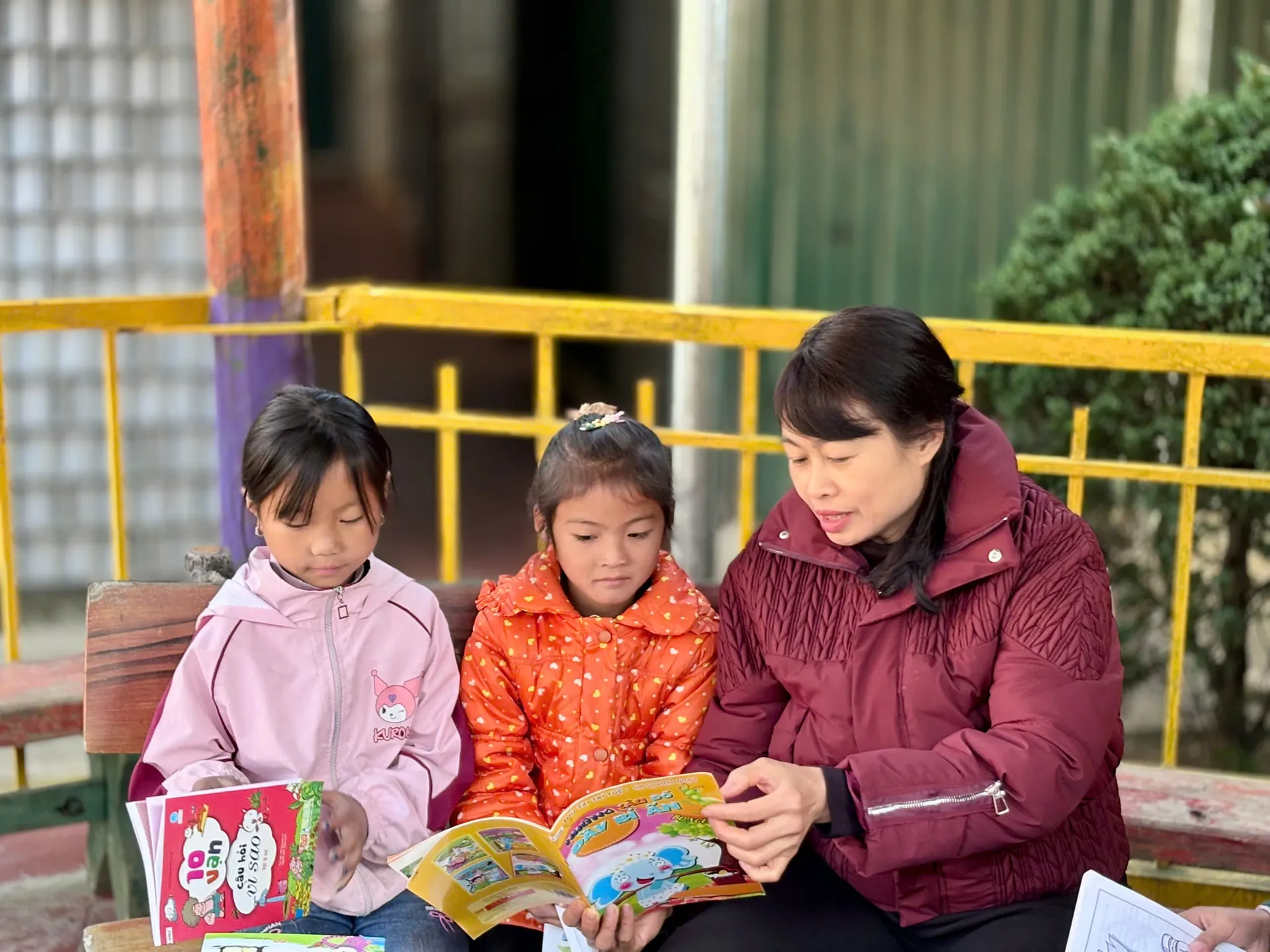
Principal Pham Thi Xuan supports young students during a reading activity.
She added that the students behave well and show strong unity and the school aims to teach resilience, discipline and values alongside academic lessons.
Positive results
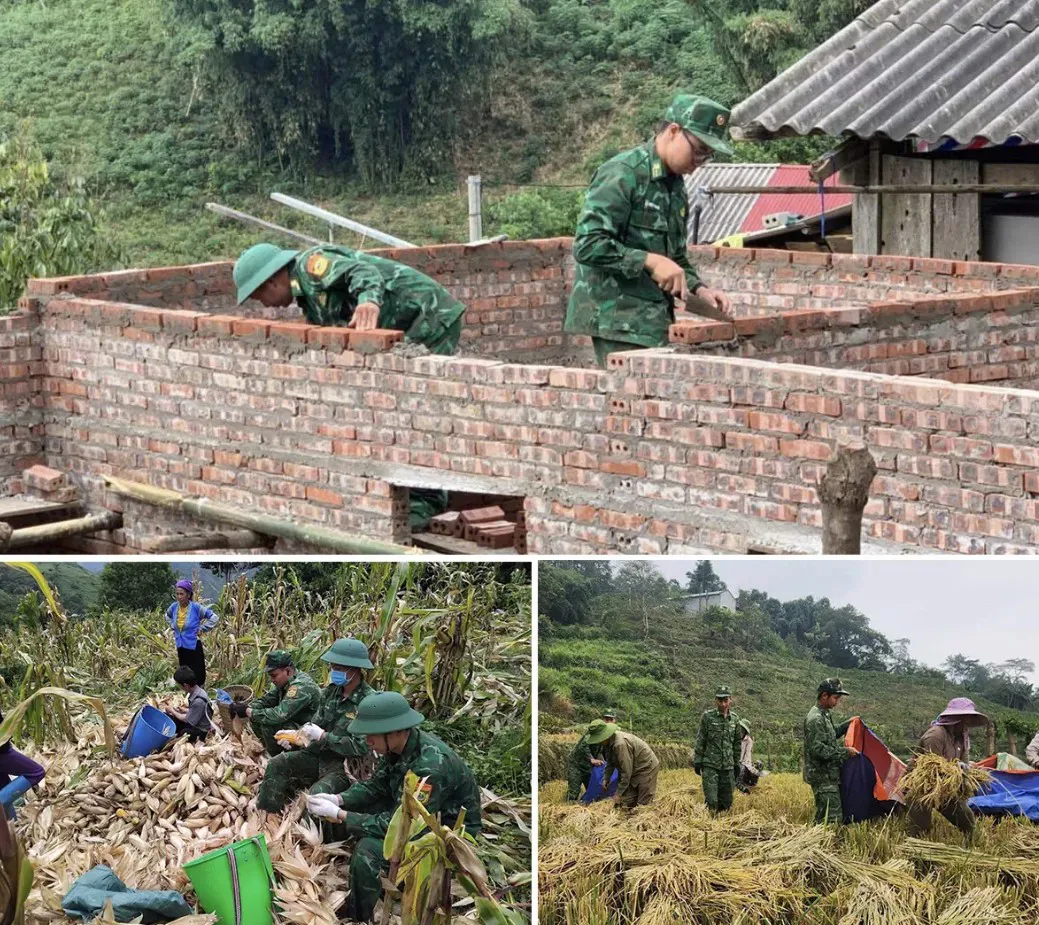
Reports from border posts show consistent action. In 2025, local units organized 64 legal education sessions for more than 7,275 residents. Officers contributed 30 workdays to repair storm-damaged homes and 85 workdays to help farmers during harvest season.
These efforts reduce pressure on families during difficult times and allow children to stay in school. Soldiers also help repair classrooms, maintain facilities and distribute supplies from volunteer groups.
A core pillar of this long-term effort is the “Stepping Up for School” program, launched in the mid-2000s and later expanded nationwide.
The program now supports about 230 students in border communes, providing roughly US$20 per month for basic needs and, when needed, bicycles, clothing or blankets.
Some children stay at border posts during the school year because their homes sit too far away or lack stability for daily travel.
Border soldiers partly fund the program themselves, contributing an estimated US$12,000 to US$16,000 from their salaries each year.
Their support extends beyond education. In 2025, social welfare activities by local units delivered about US$25,000 in assistance and medical care to more than 500 residents, strengthening family safety nets and helping children remain in school.
Many students have advanced to upper secondary school, while others have returned as teachers, youth workers or local officials. Several former beneficiaries have joined the border guard force.
Through steady, practical support, Lai Chau’s border soldiers have become essential partners in keeping children in school and strengthening the future of border communities.
The impact has grown clear. Many students have progressed to higher education or returned to serve their communities, reflecting the lasting value of sustained support.
Colonel Le Cong Thanh said officers continue to follow students’ progress after they leave the program, guiding them through key transitions and encouraging them to pursue higher goals.
Through consistent commitment and care, Lai Chau’s border soldiers help ensure that long journeys to school do not stop children from shaping a better future.