Experts back vision for Hanoi Technology Exchange
The Hanoi Technology Exchange, which is expected to open to public by 2026, will match tech supply and demand, commercialize intellectual property (IP), and boost the city's competitiveness.
THE HANOI TIMES — Experts called for tax incentives for firms trading on the Hanoi technology exchange, which is currently under review and open for expert consultation.
Approved by the Hanoi People’s Committee in April 2022, Project No. 1442 on the establishment and operations of the exchange has become even more imperative given the recent issuance of key central policies concerning science, technology, innovation, and digital transformation. The policies include Resolution No. 57-NQ/TW, Resolution No. 68-NQ/TW on private sector development, and National Assembly Resolution No. 193/2025/QH15 on piloting special mechanisms for science and technology.
Vu Hao Quang, Chairman of the Advisory Council on Science, Education, Environment, and Socio-Cultural Affairs, the Vietnam Fatherland Front in Hanoi: Goals, operations, and legal basis for the “public-private” model should be clarified.
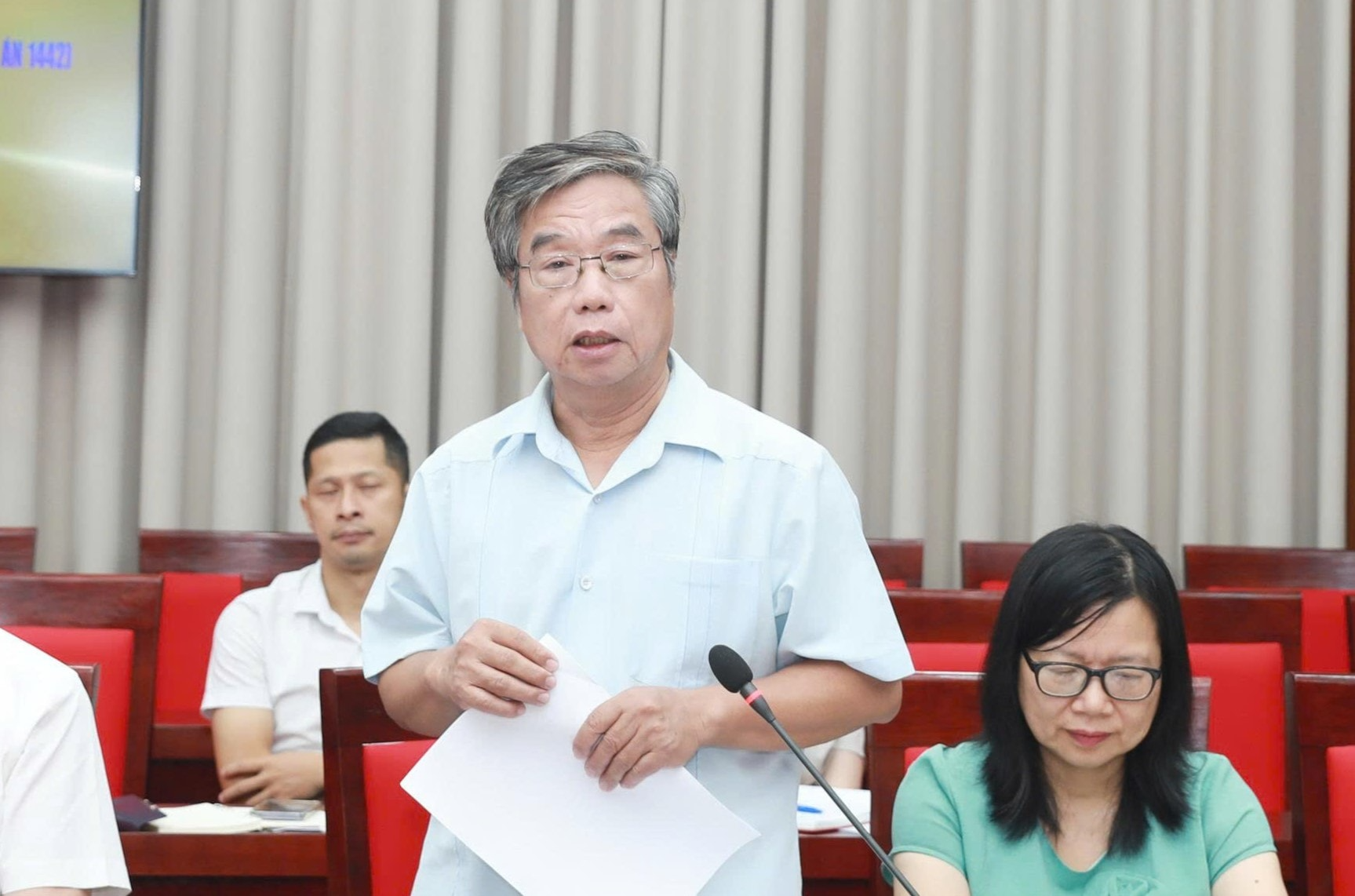
Vu Hao Quang from the Vietnam Fatherland Front in Hanoi speaks at a conference on the tech exchange held on July 18. Photos: Hanoimoi Newspaper
Hanoi has the scientific potential to host a national or regional technology exchange, which would help fill the gap caused by the lack of intermediaries, such as exchanges, in the domestic technology market.
Currently, only 10% of research results have been commercialized. The city's draft resolution is not strong enough for the operation and maintenance (O&M) model.
This could lead to confusion when assigning responsibilities and pose a risk of conflicts of interest or oversight lapses. The draft should clearly define the capital structure, partner selection process, (O&M) contract bidding process, and supervisory mechanisms.
Ambitious targets, such as becoming Southeast Asia’s leading exchange by 2030 with 1,000 annual transactions worth VND500 billion (US$19 million), require a detailed roadmap and intermediate indicators.
The plan must also address international connectivity, intellectual property protection, technical standards, and transparent governance.
Le Van Hoat, former Vice Chairman of the Hanoi People’s Council: Rename the project to reflect its full scope.
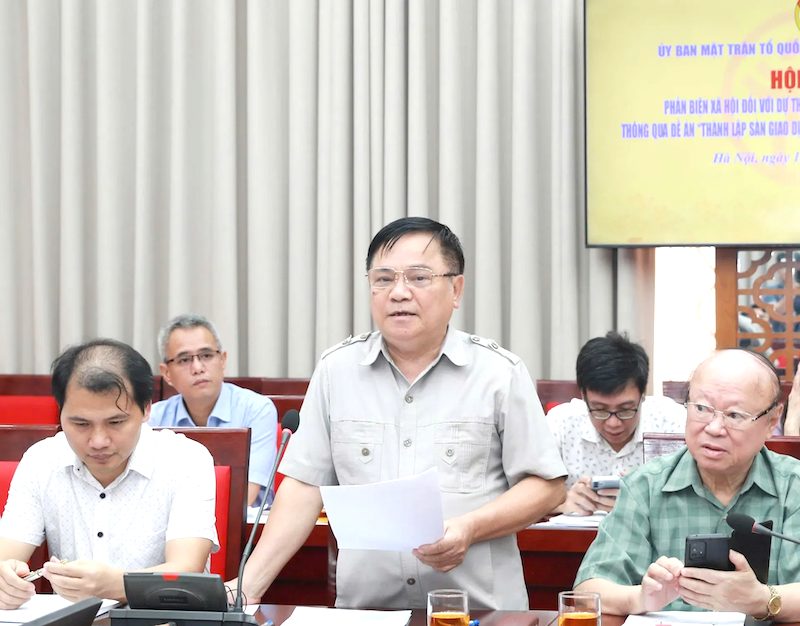
Le Van Hoat, former Vice Chairman of the Hanoi People’s Council.
The current title "Establishing and Operating the Hanoi Technology Exchange" is confusing because it excludes the scientific aspect, even though the exchange incorporates such products.
The overall objective should emphasize the exchange of modern science and technology infrastructure and a regional and international data hub in addition to valuation, brokerage, technology transfer, commercialization of research outcomes, and development of intellectual property.
The draft proposes establishing a joint-stock company with capital contributions from the state, investment funds, and research and development (R&D) institutions. However, the language is unclear and may imply that state funding is mandatory. This must be clarified.
All products listed on the exchange must be inspected and meet technical and quality standards.
Tax incentive policies should clearly define the scope and eligibility criteria, including the conditions for corporate income tax exemptions for the exchange operator and participating organizations.
Pham Duc Nghiem, Deputy Director General of the National Agency for Technology Entrepreneurship and Commercialization Development, under the Ministry of Science and Technology: Enhance financial mechanisms, protect intellectual property (IP), and support small businesses

Pham Duc Nghiem, Deputy Director General of the National Agency for Technology Entrepreneurship and Commercialization Development.
The draft document and proposal already provide a solid legal, scientific, and practical foundation, and are coherent with the city’s development orientation.
However, to ensure effective enforcement, it requires concrete solutions for financial management, technology valuation, international cooperation, and in particular support for small and medium-sized enterprises (SMEs).
SMEs face numerous obstacles in technology access and transfer that need targeted support to engage with the technology exchange platform.
To meet goals such as reaching 1,000 transactions per year or attracting global partners, it's necessary to have stronger financial, technological, and legal support.
If we do not address the financial constraints of SMEs, the difficulties of technology commercialization, and the legal barriers of IP protection, achieving the objectives will be challenging.
Additionally, it's important to have an independent financial oversight system, transparent reporting, policies to attract international resources, and funding programs tailored to SMEs.