Monkeypox unlikely to spread to the community in Vietnam
Anyone showing suspicious symptoms should immediately go to the hospital for early detection and treatment and to avoid infecting others.
Vietnam detected the first case of monkeypox infection through epidemiological surveillance on October 3. Prof. Dr. Phan Trong Lan, director of the Department of Preventive Medicine under the Ministry of Health (MoH) has spoken to the Government Portal about the early detection of monkeypox and the risk of disease transmission in the country.
How is Vietnam’s first monkeypox patient monitored?
The patient contracted the disease in Dubai. She displayed symptoms like fatigue, chills, muscle aches, headaches, coughing, and rashes on some body parts from September 18 while she was there. The woman returned to HCMC on September 22 and went to Tu Du Gynecology Hospital the next day for diagnosis, where she was suspected of harboring an infectious disease. She was then transferred to HCMC Dermatology and Venereology Hospital, where she was diagnosed as infected with monkeypox. Here she was isolated and her test samples were sent to the HCMC Hospital of Tropical Diseases and the Pasteur Institute for analysis.
Her result came back positive on September 25, so she was transferred to the HCMC Hospital for Tropical Diseases for treatment and for the viral genome to be sequenced. Her health is now stable.
Prof. Dr. Phan Trong Lan, director of the Department of Preventive Medicine under the Ministry of Health. Photo: VGP |

All her close contacts since returning to Vietnam are being monitored. It has been more than 10 days and they have not yet shown signs of monkeypox.
The MoH and Ho Chi Minh City have ensured surveillance, testing, and zoning in accordance with recommended guidelines.
What do you think about the risk of a monkeypox entering Vietnam after the first case?
All those who have had physical interaction with the first monkeypox patient have been zoned and controlled. Therefore, it is unlikely that the disease will spread to the community in Vietnam.
Monkeypox has now been reported in over 106 countries outside Africa, which is the endemic area. Traveling is now not restricted in the world, therefore, the risk of monkeypox infection in Vietnam is rather high.
We should prepare early and medical facilities must always be on high alert. All his close contacts since returning to Vietnam are being monitored. It has been more than 10 days and they have not yet shown signs of monkeypox.
The World Health Organization (WHO) said that the current monkeypox test kits in the world are very scarce. Thus, how do we detect cases? How is Vietnam's testing capacity for monkeypox?
This case is similar to the first Covid-19 case detected in Vietnam. We have primitive biological products that can be tested, at least to diagnose diseases, then implement preventive measures. Besides, Vietnam’s health sector will also coordinate with international organizations to get biological products for testing.
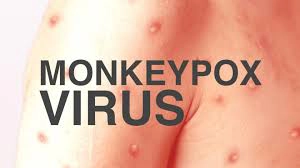
Monkeypox virus is an orthopoxvirus that causes a disease with symptoms similar, but less severe, to smallpox. Photo: WHO |
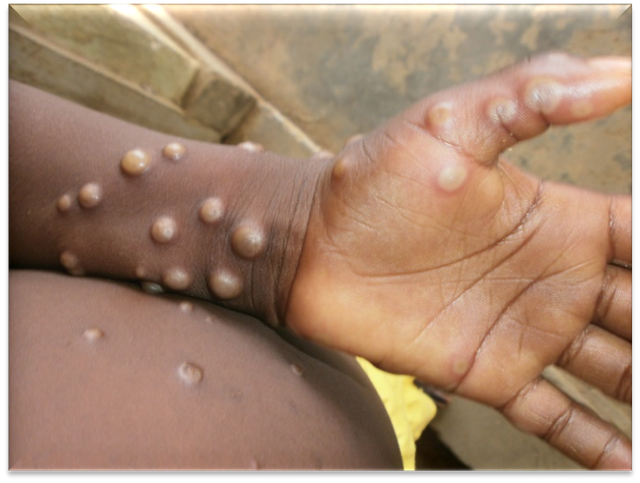
Moreover, we can conduct gene sequencing to identify suspected cases.
The first clinically suspected case was detected by real-time PCR and gen sequencing.
We will be in regular contact with international organizations to ensure the timely update of biological products and diagnostic methods, among others.
How does Vietnam build the scenario when the first case is detected?
The Vietnamese health sector has developed three scenarios: when there are no cases, when there are cases of intrusion and when there are cases of transmission in the community. But we are flexible to ensure timely epidemic prevention.
What is the mortality rate of monkeypox in the world?
There are currently two main strains in West Africa and Central Africa; of which the strain circulating in West Africa is milder. Most of the monkeypox cases recorded outside of Africa, such as in Europe, the United States, and other countries, belong to the West African strain, including the case detected in Vietnam.
The mortality rate of the West African strain was lower than that of Central Africa. However, further epidemiological evaluation is needed to avoid risk to vulnerable groups who may be at high risk of severe diseases, such as children, pregnant women, and immunocompromised individuals.
Thank you for your time!
Vietnam's Ministry of Health has advised local residents to cover their nose and mouth when coughing or sneezing, wash their hands often with soap and water, or use an alcohol-based hand sanitizer. Close, skin-to-skin contact with monkeypox-infected persons and infected objects and utensils should be avoided. People should ensure food safety, practice a healthy lifestyle, and engage in more physical activity. People with an acute rash of unknown cause, accompanied by one or more suspicious symptoms, should contact a medical center for follow-up and advice. They should also self-isolate and avoid sexual intercourse. Persons traveling to countries with monkeypox outbreaks should avoid contact with live and dead mammals because they may contain the virus. . |