For a more livable Hanoi
As Hanoi strives to become a more livable capital, creativity is taking center stage, with a growing network of cultural spaces fostering community engagement, revitalizing urban heritage and enriching everyday life.
THE HANOI TIMES — Hanoi has taken a fresh step in strengthening its creative ecosystem with the launch of the Hanoi Creative Spaces Network recently, bringing together 82 members.
The network signals a new phase in the capital’s efforts to turn creativity into a catalyst for urban development and improved quality of life.
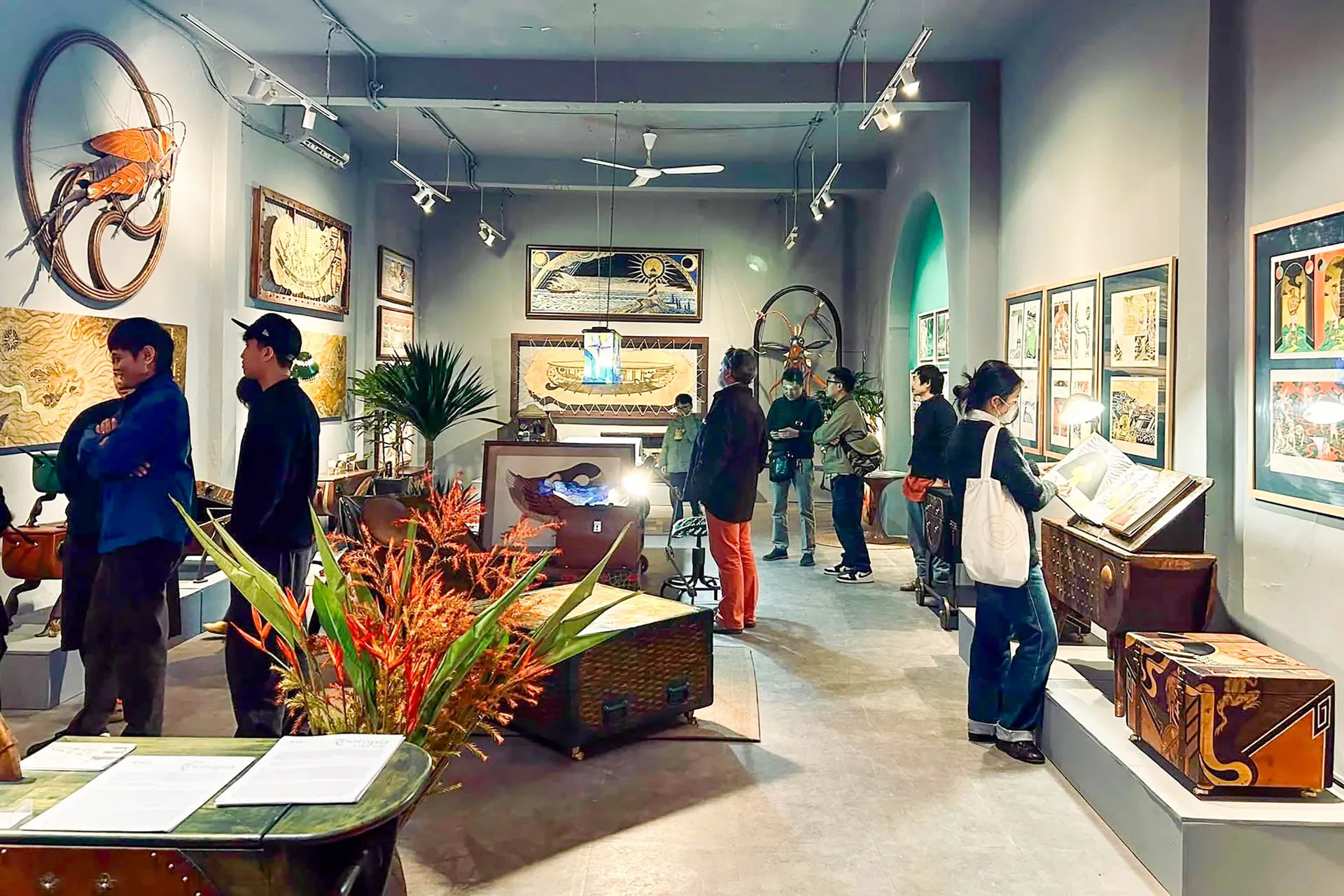
It is connecting physical venues as it transforms creative spaces into environments where artists actively create rather than merely exhibit and where residents are not passive spectators but participants and beneficiaries.
In doing so, these spaces become platforms for collaboration and idea exchange, contributing to a happier city where individuals have greater opportunities for holistic development.
Nearly seven years after joining the UNESCO Creative Cities Network, Hanoi has chosen to tell its story not through slogans but through steady, grassroots practice. A growing creative community has given rise to open spaces where ideas are nurtured by both traditional memory and contemporary energy. Creativity, in this context, is no longer an individual pursuit but a shared civic practice.
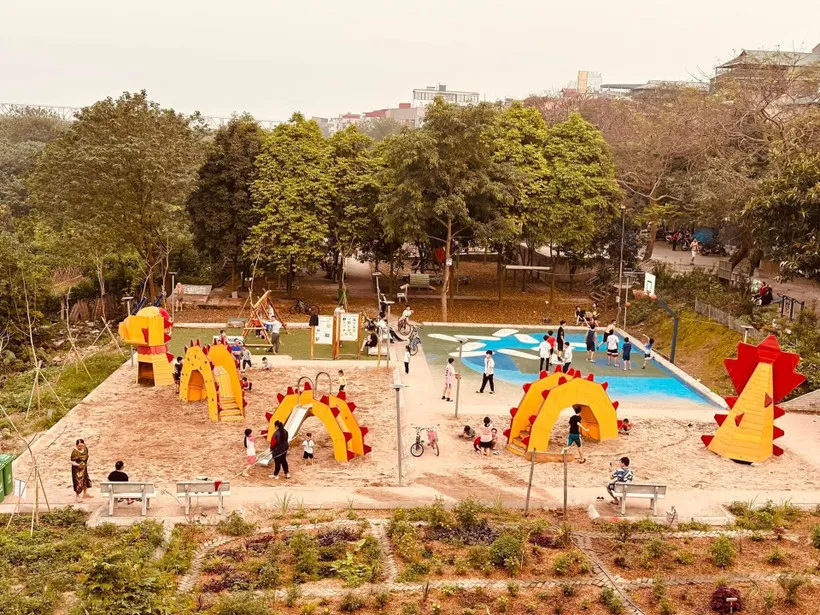
Phuc Tan Playground, featuring a charming little dragon, seen from Long Bien Bridge. Photo: Think Playgrounds
Founded in 2014, Think Playgrounds has quietly championed children’s right to play as an essential part of urban life. Viewing playgrounds not just as recreational sites but as forms of community architecture, the initiative engages residents in designing shared spaces. Its message is clear: a livable city is not measured solely by grand infrastructure, but by small spaces where people can gather, play and feel they belong.
Similarly, the open forum “For a Livable Hanoi” has created a platform for experts, policymakers and citizens to exchange ideas and contribute to the city’s development. The guiding principle is inclusivity - a Hanoi where every voice is heard and every resident has a role in shaping shared spaces.
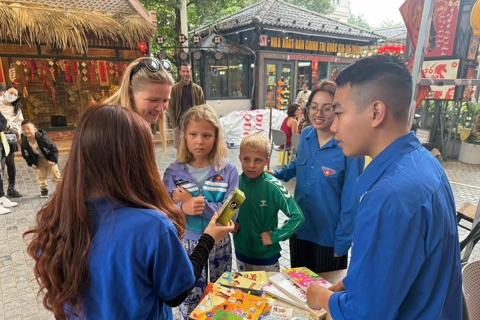
Independent art hubs and cultural venues such as Manzi Art Space, Complex 01 and VCCA have also redefined how art is experienced in the capital. Small art cafés host regular workshops in painting and handicrafts. Independent cinemas and film centers like DocLab at the Goethe-Institut Hanoi have become gathering points for young film enthusiasts.
Weekend classes in ceramics, screen printing and candle-making are often fully booked. What sustains these spaces is not only the artwork on display, but the communities that form around shared passions and open dialogue.
These creative spaces are also reshaping the urban landscape. Old warehouses are converted into art studios, historic houses become gallery cafés and rooftops turn into mini cinemas. Such transformations enrich cultural life while supporting sustainable growth in tourism, gastronomy and retail.
An “incubator” for creative cities nationwide
Despite the diversity and vibrancy of Hanoi’s creative spaces, many have operated independently, driven largely by spontaneous community efforts. The launch of the Hanoi Creative Spaces Network signals a coordinated effort by city authorities to connect, guide and maximize these creative resources.
According to Dr. Lu Thi Thanh Le of the University of Social Sciences and Humanities under Vietnam National University, Hanoi, networking isolated spaces allows them to find one another, share information regularly and expand opportunities for collaboration. It also improves the mobilization and allocation of resources, creating favorable conditions for support programs.
However, challenges remain, Le said that many creative spaces lack access to public land or venues, and some operate informally without legal status, limiting their eligibility for support.
“Stronger incentives, including reduced or waived rental fees for public properties, would enable these spaces to focus more on professional and research activities. International experience shows that flexible policies can support both formal and informal creative groups, placing creators truly at the center of policy,” said Le.
From a long-term planning perspective, Associate Professor Pham Quynh Phuong from Vietnam National University, Hanoi, argues that if creative spaces are to become part of the cultural industry, they must clearly define their concepts, characteristics and necessary conditions.
“Successful examples in countries such as the United Kingdom, France and China demonstrate that dynamic, multifunctional spaces, focused on cultural production rather than mere presentation, are key to sustainable development, measuring success by the quality of cultural life and the depth of human connection,” said Phuong.
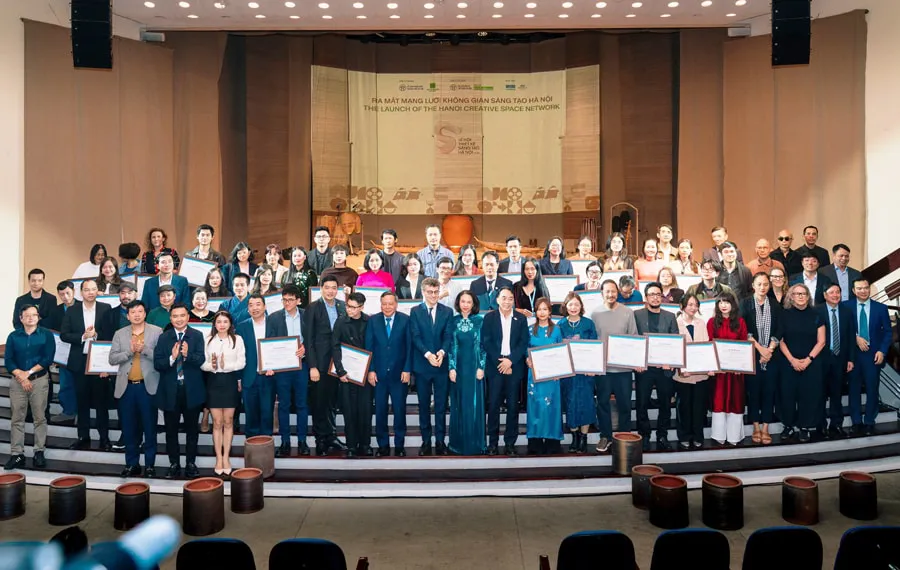
Eighty-two creative spaces were awarded certificates at the launch ceremony of the Hanoi Creative Spaces Network. Photo: hanoimoi.vn
In Vietnam, Phuong said former factories present particular potential. As industrial heritage sites, they carry architectural and historical value. However, once old factories are regarded as industrial heritage, the responsibility is not only to reuse them but also to conduct research, documentation and preservation of memory, ensuring that this heritage continues to live on.
According to Dr. Le, with the right mechanisms, the Hanoi Creative Spaces Network could become a cornerstone of the capital’s creative ecosystem. Beyond Hanoi, cities such as Ho Chi Minh City, Hoi An and Da Lat, also recognized within creative city frameworks and may benefit from similar networks serving as incubators for innovation and collaboration nationwide.
From this starting point, Le said the network is poised not only to connect spaces within Hanoi but also to foster national and international partnerships. As creative communities share practices and experiences, cultural opportunities for the public expand and local artists gain access to regional and global platforms.
“When creativity is returned to the community, the joy of participation and the sense of belonging grow stronger. Urban happiness then ceases to be an abstract ideal and becomes a lived experience, reflected in the everyday cultural life of Hanoi’s residents,” said Le.