Creative Design Festival 2026 opens with focus on creative economy
Opening with traditional music and folk imagery, Hanoi’s Creative Design Festival 2026 frames creativity as an economic asset, extending design from cultural expression into year-round urban development.
THE HANOI TIMES — The Hanoi Creative Design Festival 2026 officially opened on January 10 at Dong Kinh Nghia Thuc Square, launching a year-long series of creative activities aimed at positioning the capital as a regional hub for the creative economy.
The opening ceremony marked the debut of “Creative Meetups,” the festival’s inaugural program, jointly organized by the Hanoi People’s Committee and the Vietnam Association of Architects.
A ccording to the organizers, the event is a starting point for sustained engagement rather than a one-off showcase.

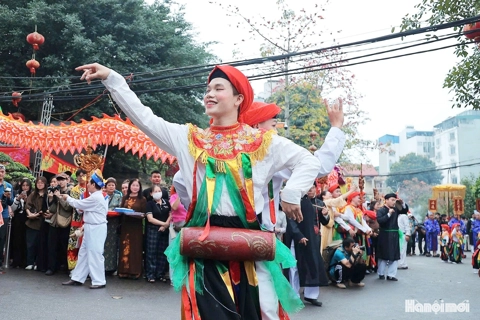
An art performance marked the opening of “Creative Meetups,” the inaugural program of the Hanoi Creative Design Festival 2026. Photo: Hanoimoi
Traditional Vietnamese music performed on the dan tranh and dan bau accompanied a modern stage interpretation of “Vinh Quy Bai To,” the iconic Dong Ho folk painting symbolizing a triumphant homecoming, setting the tone for dialogue between heritage and contemporary creativity.
Speaking at the ceremony, Jonathan Baker, head of UNESCO’s representative office in Vietnam, said the festival has evolved into an open platform for experimentation and collaboration rather than a conventional exhibition.
Since its launch in 2021, he noted, the festival has functioned as “an open laboratory where ideas are tested, debated and refined.”
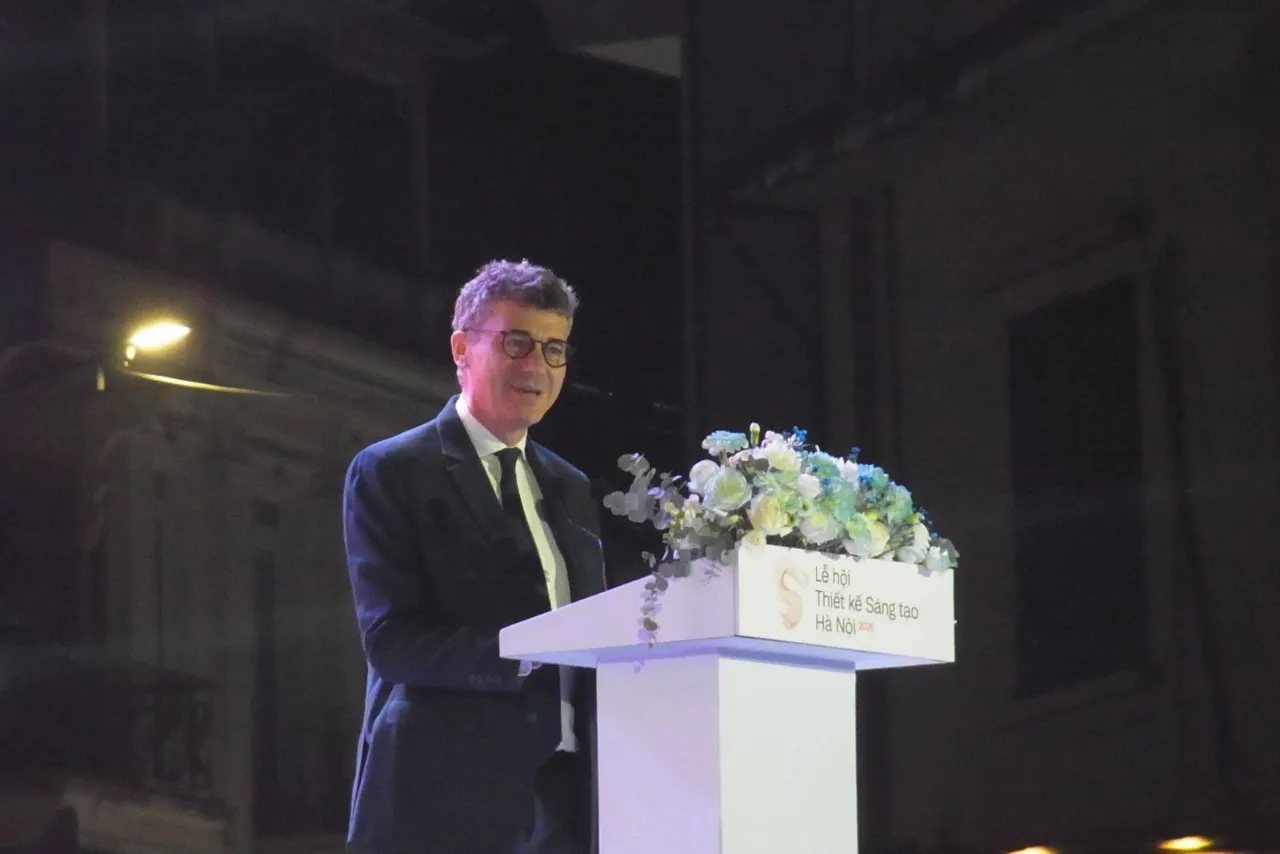
Jonathan Baker, head of UNESCO’s representative office in Vietnam, praised the creative vitality of the Hanoi Creative Design Festival’s community. Photo: VNA
“What distinguishes Hanoi’s Creative Design Festival is its emphasis on process rather than finished products,” Baker said, adding that participation has increasingly expanded across Asia, reinforcing Hanoi’s role in the regional creative landscape.
Baker said Hanoi’s progress since joining the UNESCO Creative Cities Network reflects a broader shift in urban development strategy, where creativity is treated as a driver of economic growth supported by public institutions, private enterprises and creative communities.
That view was echoed by Vu Thu Ha, Vice Chairwoman of the Hanoi People’s Committee, who said the 2026 festival adopts “Creative Economy” as its central theme. The approach, she said, connects design and culture with tourism, education, services and knowledge-based industries.
“Creative Meetups is the starting point for a more sustained and proactive model,” said Ha.
Instead of concentrating activities within a short festival period, Hanoi is extending creative engagement throughout the year and expanding international cooperation.”
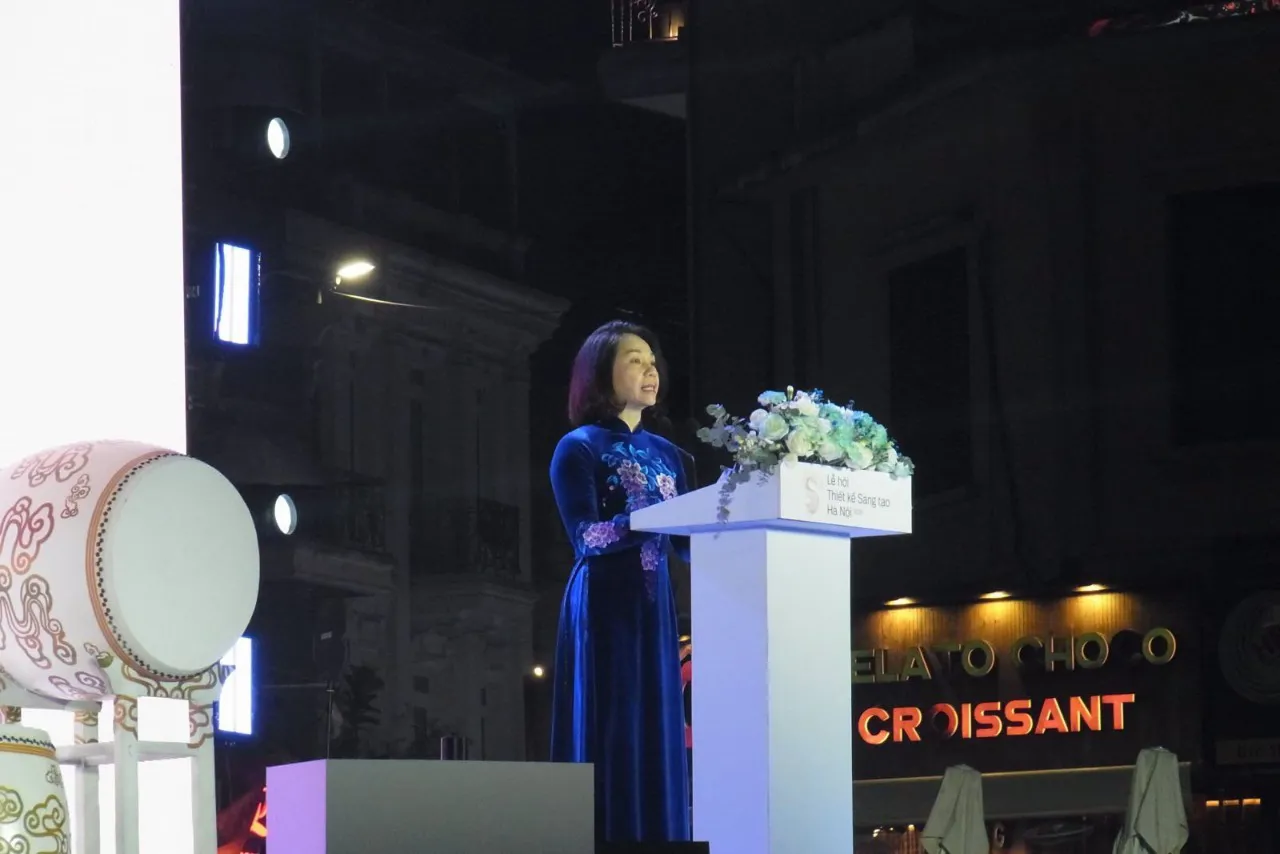
Vu Thu Ha, Vice Chairwoman of the Hanoi People’s Committee delivers her speech at the opening ceremony of the “Creative Meetups” program. Photo: VNA
Nearly 200 creative organizations participated in the opening program, forming a cross-sector network that includes businesses, universities, cultural agencies and independent creators.
Organizers said the goal is to build a multidimensional creative ecosystem capable of generating new initiatives, products and cultural industry models tailored to Hanoi’s urban context.
Throughout 2026, the festival will host networking sessions, public dialogues, experimental projects and immersive creative experiences across multiple locations in the capital, as part of efforts to embed creativity more deeply into everyday urban life and enhance Hanoi’s appeal to residents, visitors and international partners.