Giang Vo Ward: A new cultural and tourist landmark in downtown Hanoi
Once home to ancient military schools, the newly established ward in Hanoi has transformed into a vibrant commercial hub, blending rich cultural heritage, historical depth, and dynamic urban development.
THE HANOI TIMES — Giang Vo Ward's creation is a significant move in Hanoi's administrative modernization, resulting in a lively urban area that merges heritage with modern living and tourism appeal.
Hanoi’s newly formed urban core
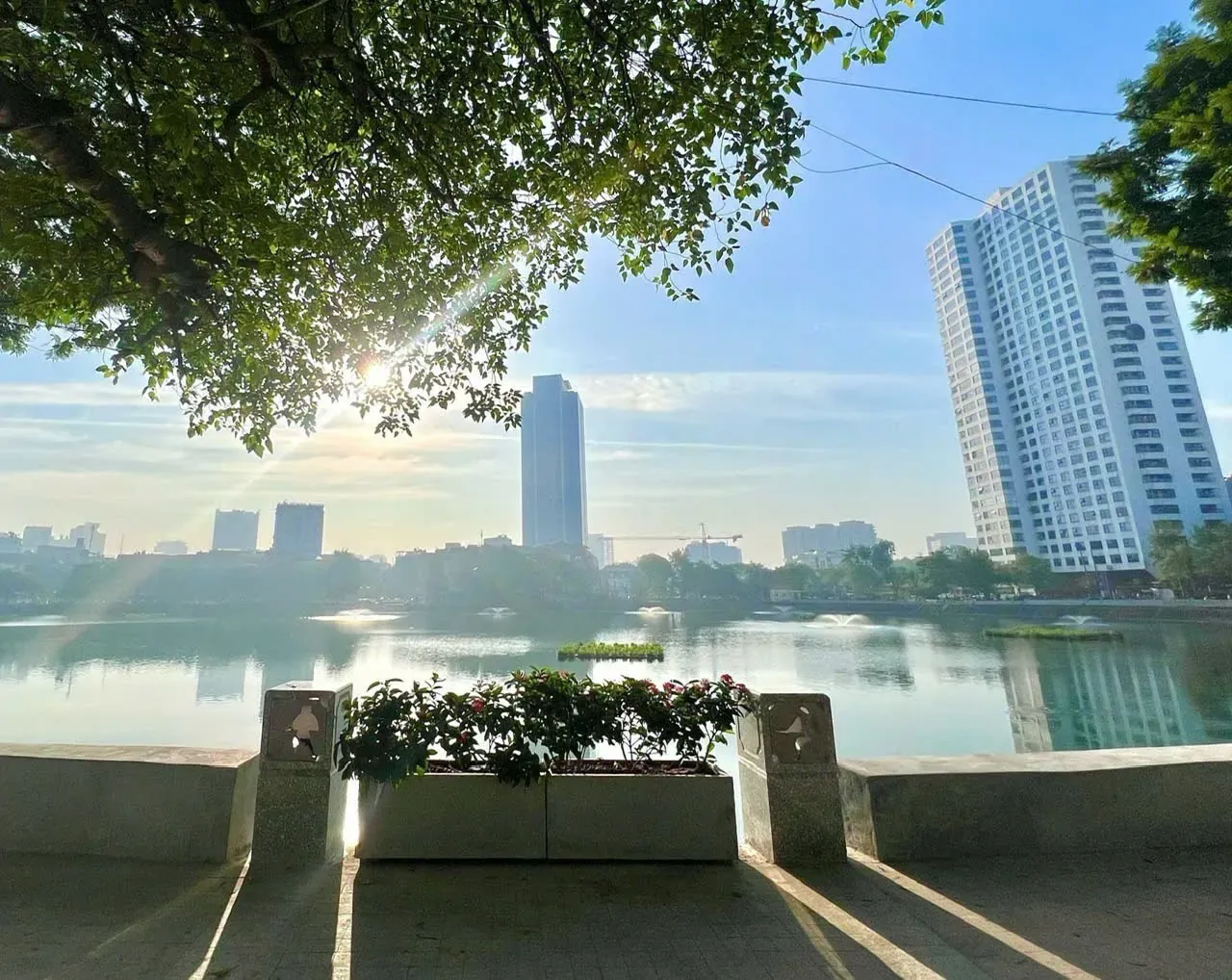
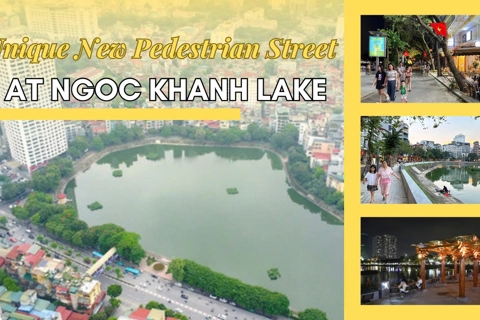
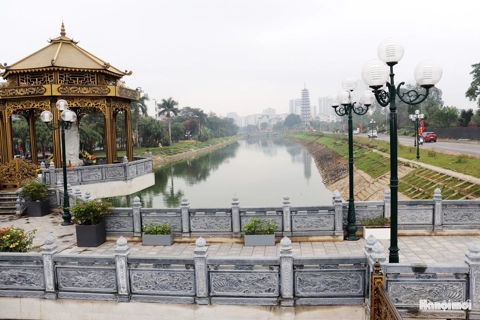
The dreamy beauty of Ngoc Khanh Lake, Giang Vo Ward, Hanoi. Photo: Thuy Tien/ The Hanoi Times
Officially established on July 1, 2025, Giang Vo Ward covers areas and populations from seven former wards in Ba Dinh and Dong Da districts. The ward spans 2.60 square kilometers with a population of 97,034 people, being a dense and dynamic core in the capital.
The name Giang Vo holds historical and cultural weight. It originates from Giang Vo Military School, founded in 1010 under the Ly Dynasty, which once served as a royal military training ground. Retaining this name honors the area’s past while promoting administrative continuity and public familiarity.
Giang Vo Ward borders key areas including O Cho Dua, Ba Dinh, Ngoc Ha, Nghia Do, Lang, Cau Giay, and Dong Da, and is well-connected via strategic transport routes such as Giang Vo Street, Lang Ha Street, Nguyen Chi Thanh Street, and the Cat Linh–Ha Dong Metro Line.
As a bustling urban zone, the ward is home to major service and commercial centers, national agencies, large universities, and modern infrastructure. It combines the character of long-standing apartment blocks with vibrant businesses and boasts high-quality public amenities, including the National Cinema Center, libraries, cultural houses, and outdoor sports facilities.
A new cultural and tourist rendezvous
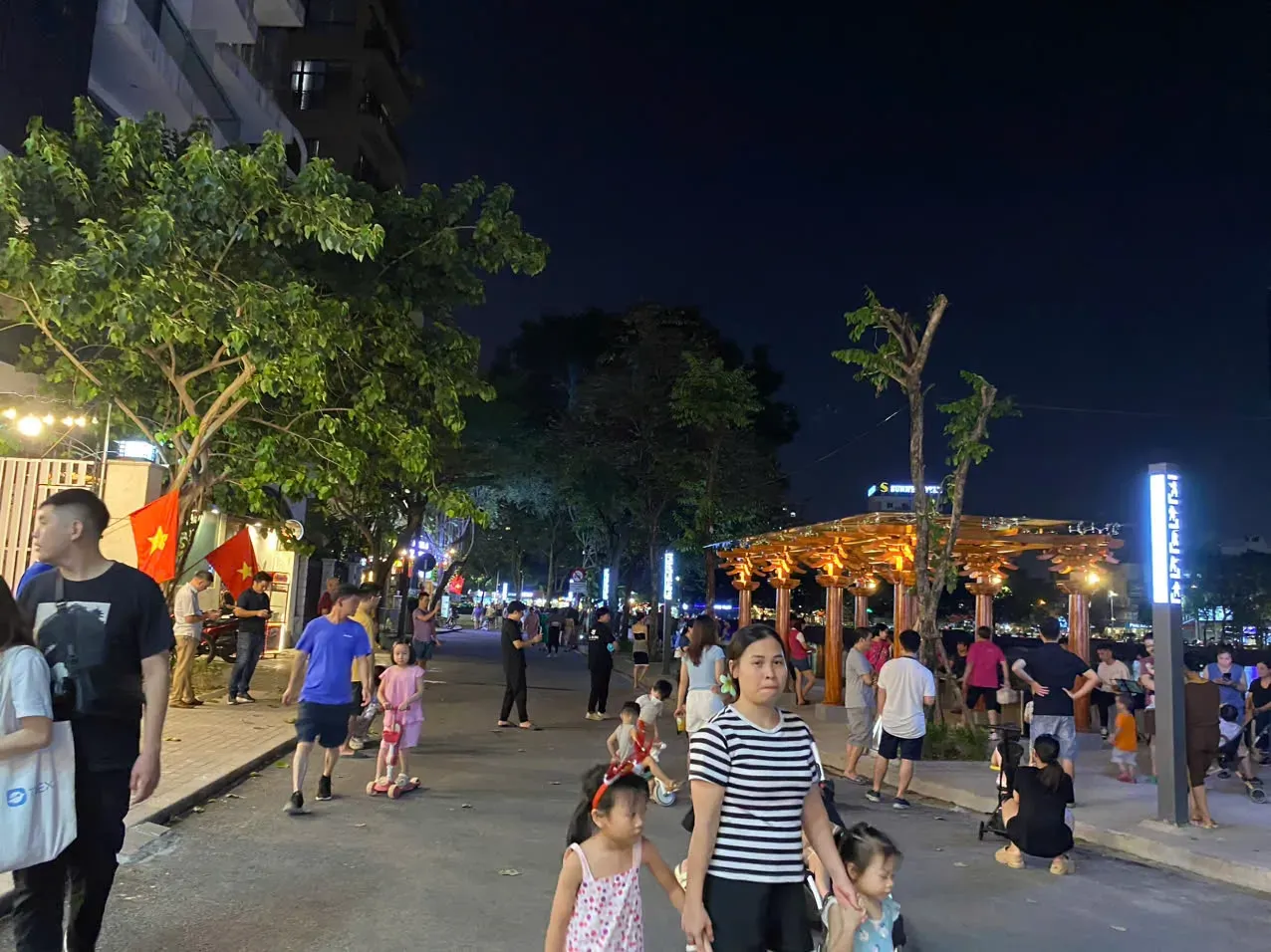
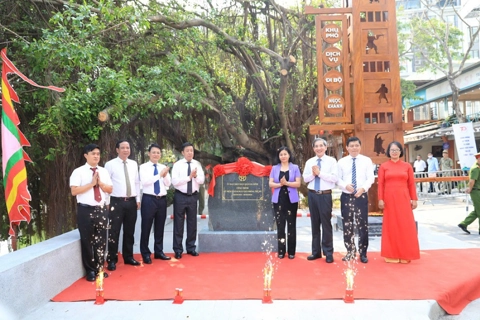
The pedestrian street around Ngoc Khanh Lake. Photo: Thuy Tien/ The Hanoi Times
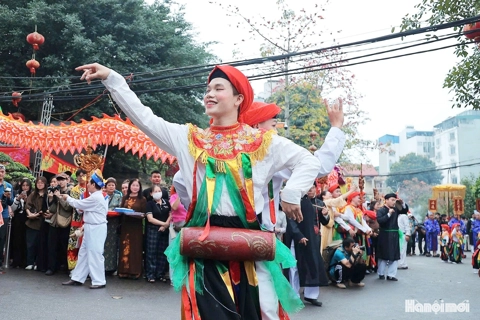
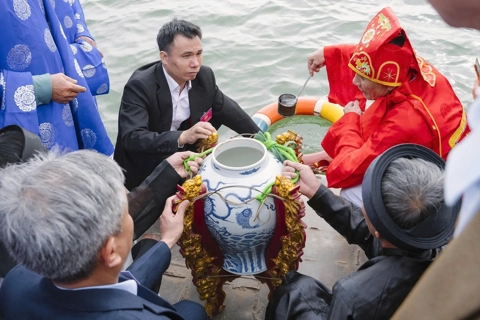
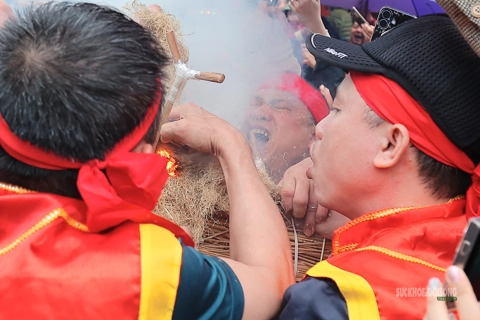
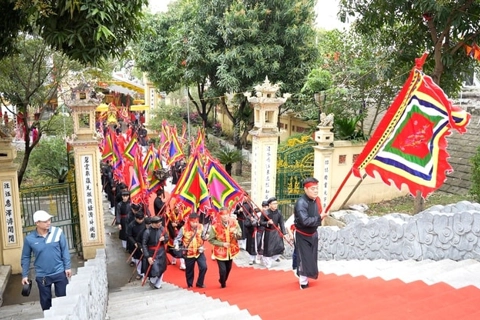
Giang Vo is rich in cultural heritage and historic significance. It houses numerous recognized relics, including Giang Vo Communal House, Thanh Cong Communal House, and Cat Linh Pagoda. Annual traditional festivals continue to be held in the area, where folk games, Cheo, and Quan ho singing maintain their strong local appeal.
One of the most fascinating cultural landmarks is the Ngoc Khanh Lake walking street, a peaceful green space with a remarkable secret beneath its surface. Hidden under the 3.6-hectare lake lie the remnants of Giang Vo Hall, the site of the National Military School dating back to the Ly, Tran, and Le dynasties.
According to the Complete Annals of Dai Viet, Giang Vo Military School was originally constructed in 1010 under the Ly Dynasty, followed by the establishment of the Archery Hall in 1070. These facilities served as early military academies, dedicated to training royal guards and national troops in martial arts and combat skills.

The ancient weapon found under Ngoc Khanh Lake are now on display at Hanoi Museum. Photo: Jenna Duong
In August 1253, Emperor Tran Thai Tong developed the site into a formal military training ground. Giang Vo Hall became a key location for teaching military strategy, practicing martial arts, and conducting drills during the Tran and subsequent dynasties.
By 1481, under the Le Dynasty, the area was expanded, and Giang Vo Military School continued to function as a site for soldier and cavalry training.
Interest in the site's historical value resurfaced in the 1960s, when a number of ancient weapons were discovered in the area. A pivotal moment occurred in March 1983, during a project to expand Ngoc Khanh Lake in what is now Giang Vo Ward. As construction crews dug deep into the ground, they unearthed a trove of artifacts, including weapons, ceramics, and architectural fragments made of wood and terracotta.
These findings prompted an archaeological investigation, leading to extensive excavations. By 1984, two scientific conferences organized by the Ministry of Culture confirmed that the Ngoc Khanh Lake area was once part of the National Military School of the Le Dynasty (1428- 1527). Thousands of artifacts were recovered and entrusted to the Hanoi Museum for preservation and further study.
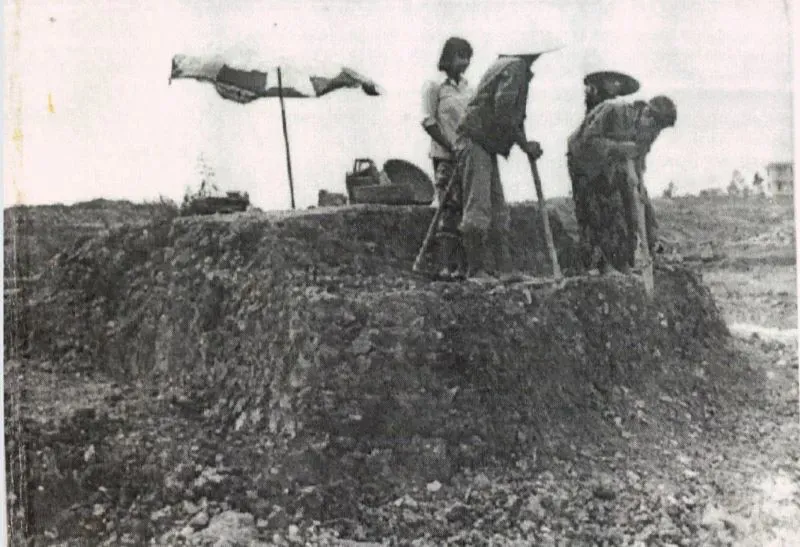
Archaeologists excavated relics under Ngoc Khanh Lake in 1983. File Photo
Nguyen Tien Da, Director of the Hanoi Museum, emphasized the significance of the discovery: “Throughout our thousand-year history of building and defending the country, our ancestors heroically resisted foreign invasions. While people were the decisive factor in those victories, weapons played a vital supporting role. Researching these artifacts helps us better understand how past generations succeeded in protecting the nation.”
He also noted that historical records on military training in ancient Vietnam remain scarce, particularly in terms of material evidence. While Giang Vo Military School has appeared in documents since the Le Dynasty, little is known about its structure and function. The recent discoveries, therefore, represent a valuable resource for scholars studying Vietnam’s military traditions.
Giang Vo Ward, with its unique blend of ancient heritage, vibrant urban life, and modern connectivity, is poised to become both a livable ward for residents and an unmissable cultural destination for visitors.