Hanoi draws US$102 million in foreign direct investment during January
Strong investor activity continued in the capital at the start of the year, as a mix of new projects, capital adjustments and share acquisitions helped reinforce Hanoi’s role in sustaining Vietnam’s positive foreign investment trend.
THE HANOI TIMES — Hanoi attracted $102 million in foreign direct investment (FDI) in January, contributing to Vietnam’s total registered FDI of nearly US$1.5 billion for the month, up 14.4% year on year.
Nationwide, disbursed FDI reached nearly $1.7 billion, an increase of 11.3% from the same period last year.
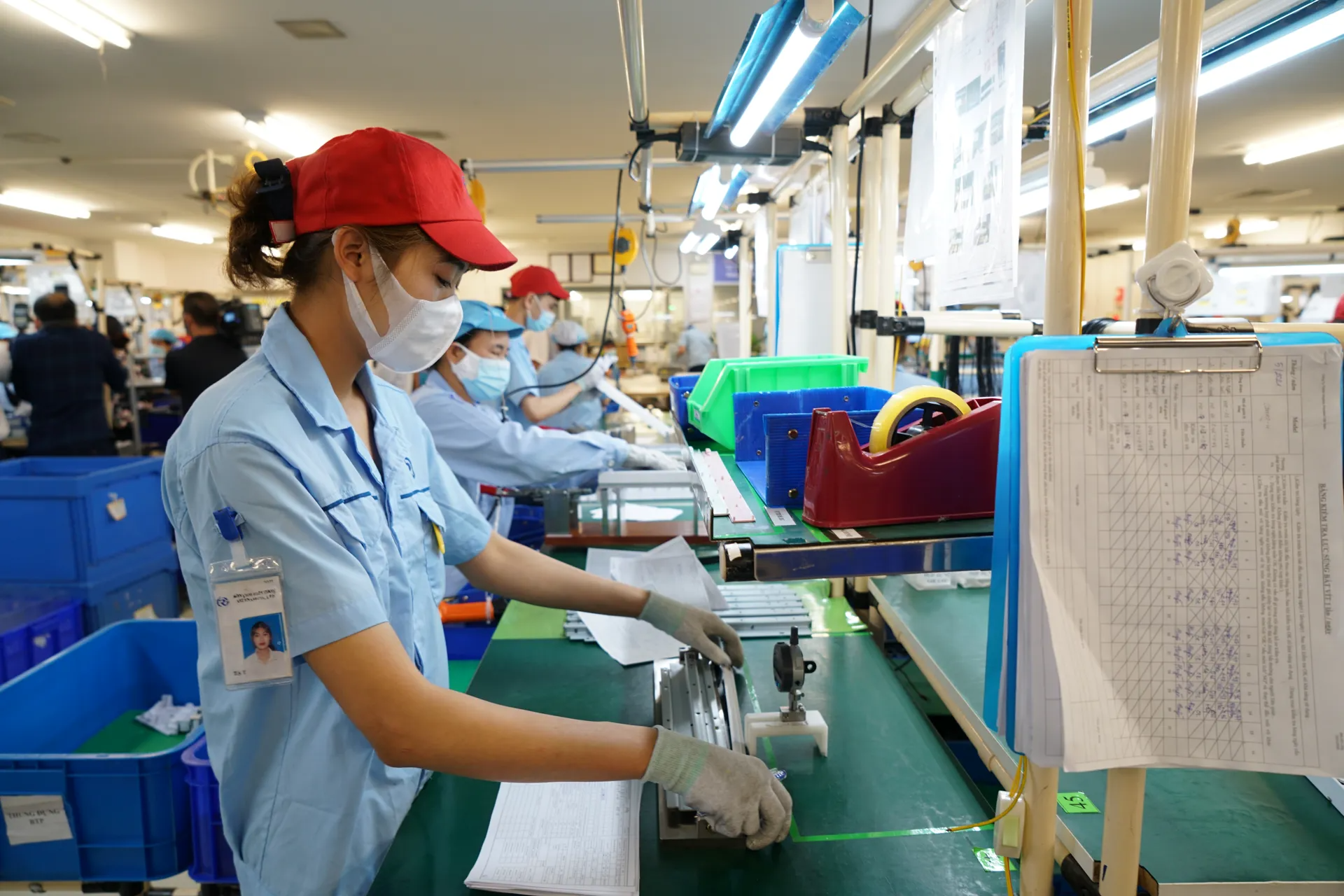
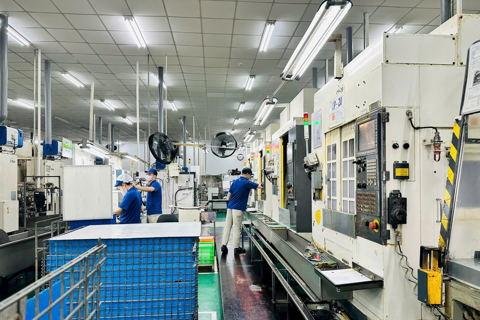
Production activities at the Noi Bai Industrial Park in Hanoi. Photo: Pham Hung/The Hanoi Times
According to Hanoi’s statistics authority, the city licensed 61 new projects in January with total registered capital of $31.5 million.
Another 16 existing projects raised their investment capital by $25.9 million, while 39 transactions involving capital contributions and share purchases in Vietnamese firms totaled $44.6 million.
City officials said the figures reflect sustained investor confidence in Hanoi’s business climate despite ongoing global economic uncertainty.
The city is now shifting focus toward attracting new investment while improving the efficiency and sustainability of FDI by strengthening support for investors throughout their operations.
As part of this strategy, Hanoi is expanding cooperation with the Foreign Investment Enterprise Association to jointly implement investment promotion activities for the 2025-2030 period.
Under a memorandum of understanding signed in September 2025, the Hanoi Department of Finance and the association will work with economists, business groups and research institutions to develop an investment promotion plan for 2026-2030.
The plan adopts a phased, long-term approach aligned with Hanoi’s socio-economic development priorities, with clear milestones for each five-year stage.
It will include research materials to support promotion efforts, forecasts of priority markets and policy recommendations aimed at attracting high-quality investment.
The two sides will also co-organize investment promotion events, business dialogues and thematic seminars from 2026 to 2030 to improve engagement between city authorities, experts and domestic and foreign businesses.
In addition, the association will collect policy proposals and innovative ideas from investors and experts and submit them to the city government for review.
Both parties will cooperate in receiving investor delegations exploring opportunities in Hanoi and advise on organizing large-scale investment promotion events at home and abroad from 2026 onward.
City leaders said these initiatives aim to strengthen Hanoi’s position as a competitive, transparent and investor-friendly destination in the region.