Hanoi exhibition highlights Catherine Karnow’s portraits of a changing Vietnam
Photo Hanoi ’25 is celebrating Vietnam’s remarkable journey over the past three decades with the exhibition Vietnam - Documenting a Changing Country 1990–2015, featuring the evocative work of the international photographer.
THE HANOI TIMES — The exhibition, running through November in Hanoi, coincides with two significant anniversaries, including the 50th anniversary of the end of the American war in Vietnam and the 30th anniversary of US-Vietnam normalization.
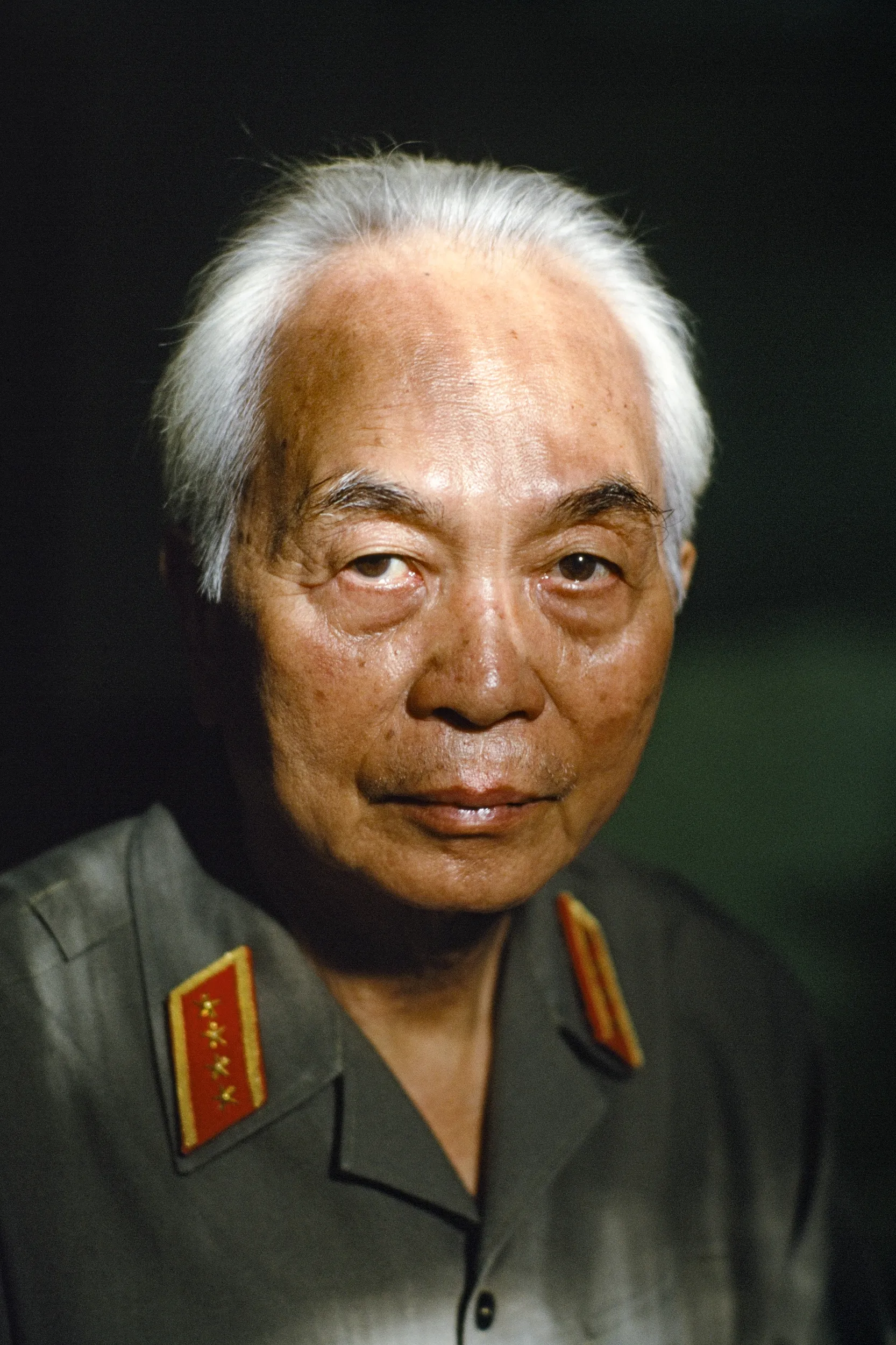
General Giap, often referred to as the “snow-covered volcano,” earned this nickname from the French for his calm, frosty demeanor that concealed a fiery, unpredictable temper.
Karnow, known for her decades of work with National Geographic, presents a personal and historically rich chronicle of Vietnam’s transformation.
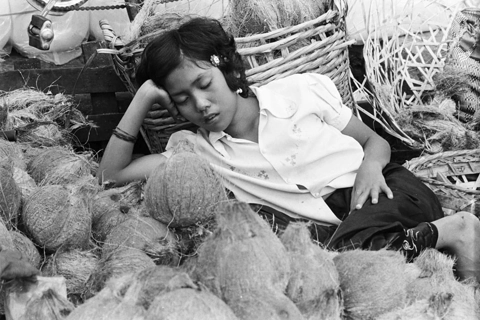
Beginning her work in 1990, she documented the early post-Doi moi (renewal) period, economic liberalization and the rise of a confident globalized “New Vietnam.”
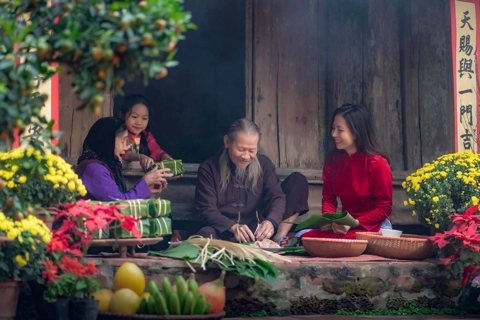
Her photographs capture sweeping social change alongside intimate stories of resilience, legacy and human connection.
“Vietnam reveals itself to me in small moments, gestures of grace and resilience that shape how I see the world. As the years go by, the connection only deepens,” she said.
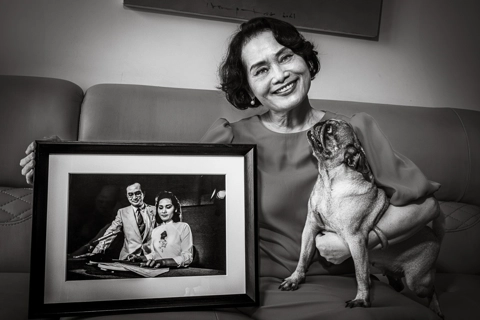
The exhibition features rare portraits of notable Vietnamese figures, including Pham Xuan An, Ho Chi Minh’s personal sculptor Diep Minh Chau and relatives of Emperor Bao Dai.
Karnow’s access also extended to General Vo Nguyen Giap, from a private visit to Dien Bien Phu Battlefield in 1994 to coverage of his funeral in 2013.
These images offer a unique window into Vietnam’s modern history, connecting personal stories with national memory.
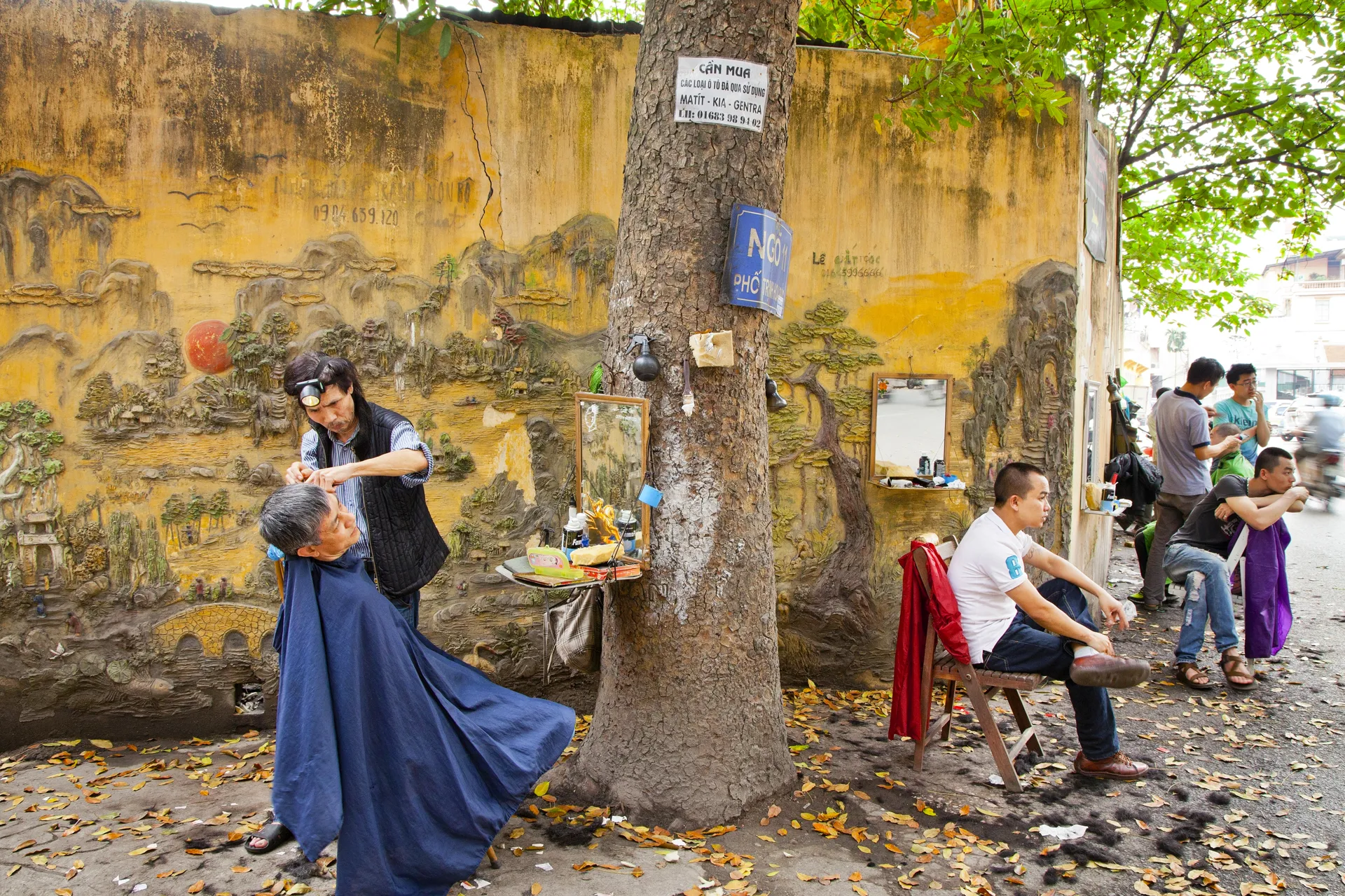
Barbers on the street (2014).
First shown in 2015 at Art Vietnam Gallery in Hanoi, this retrospective is now expanded for Photo Hanoi ’25 and invites local and international audiences to revisit Karnow’s work.
The exhibition will feature public programs, including two presentations at the Metropole Hotel on November 22 and 23 that offer insights into her photographic journey and the stories behind her images.
A full-day photography workshop on November 29 gives eight participants a chance to learn directly from Karnow through on-site shooting, group discussions and critiques.
Private portfolio reviews are also available by appointment for photographers seeking tailored guidance.
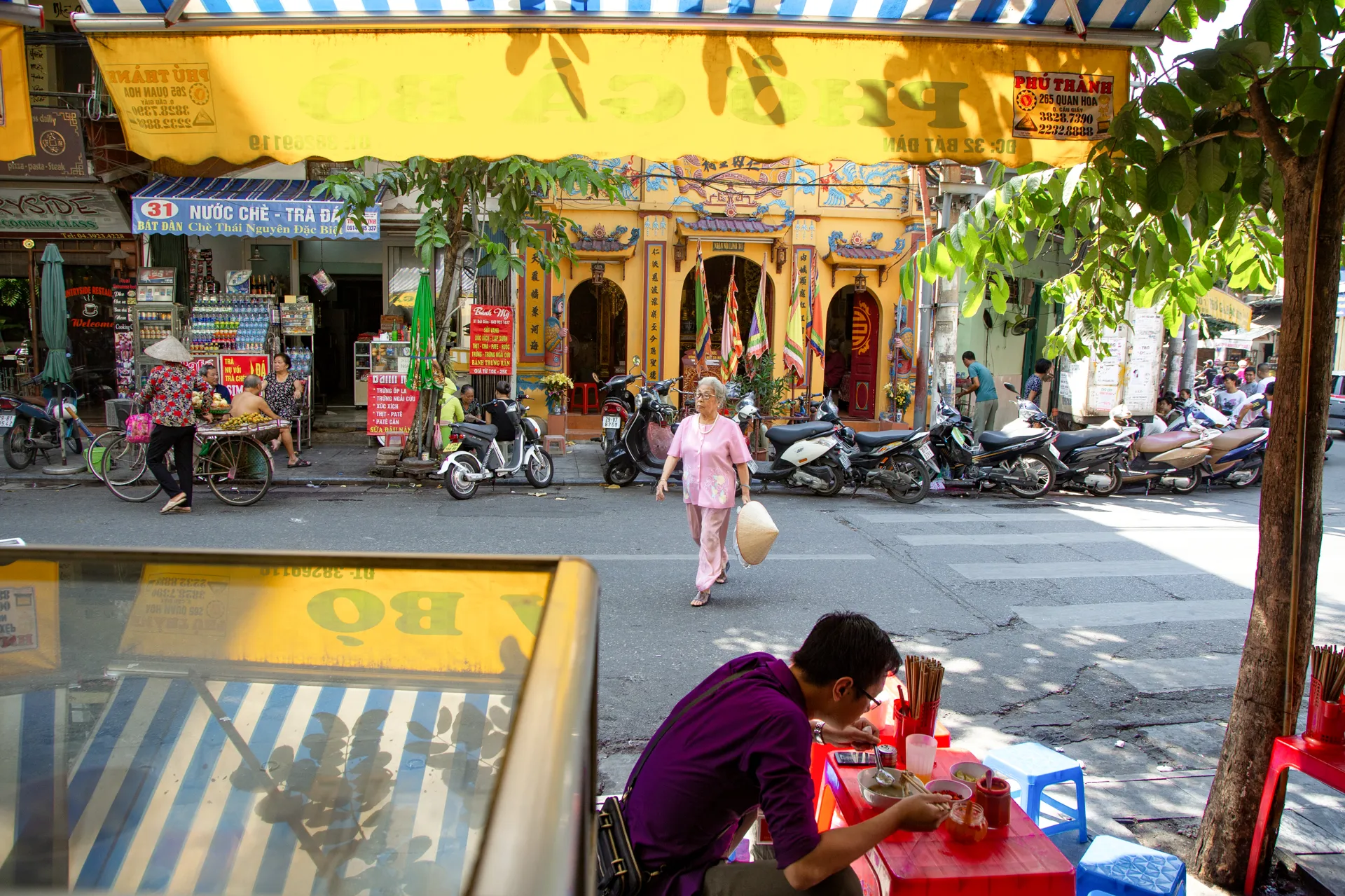
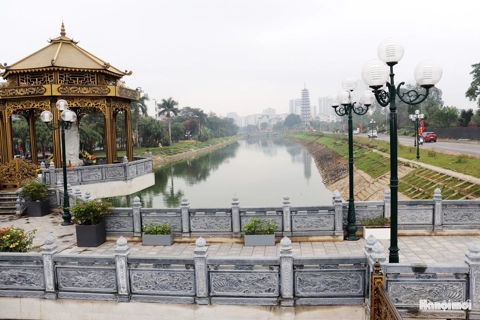
Street scene, Old Quarter, Hanoi (2016).
The exhibition presents museum-grade archival pigment prints signed and numbered by Karnow, each accompanied by a Certificate of Authenticity.
Collectors can acquire limited-edition works that preserve a vivid record of Vietnam’s dynamic history.
Karnow’s book Vietnam: Documenting a Changing Country 1990–2015 complements the exhibition with a lasting chronicle of the nation’s transformation and intimate storytelling.
Photo Hanoi, Vietnam’s first international photography biennial, remains a vibrant platform for local and global visual culture.
Through exhibitions, screenings and workshops, it fosters dialogue on contemporary photography and encourages creative exploration.
This year’s focus on Karnow’s work highlights the power of photography to connect generations and illuminate a nation in transition.
Visitors to Hanoi this November can experience a rare blend of history, artistry and human connection through Karnow’s lens, reflecting Vietnam’s transformation and her enduring bond with the country.