Hanoi helps OCOP products reach supermarkets
Hanoi currently has 3,317 OCOP products, accounting for 21.3% of the country, including six products rated with five stars, 1,571 with four stars and 1,718 with three stars.
THE HANOI TIMES — The Hanoi Department of Industry and Trade will foster the link between OCOP (One Commune - One Product) businesses and supermarkets in the city to increase the visibility of OCOP products.
Phan Uyen, Head of Sales Department of Con Bo Vang Milk Joint Stock Company, told The Hanoi Times that the company has more than 10 products that meet the four-star OCOP standards, but they are mainly sold through small retail shops due to the cost of using bar codes.
Dam Van Dua, Director of the Dong Cao General Service Cooperative in Me Linh District, said the farm has 200 hectares and produces 60,000 tons of vegetables a year. However, the greengroceries are mainly sold in the wet markets.
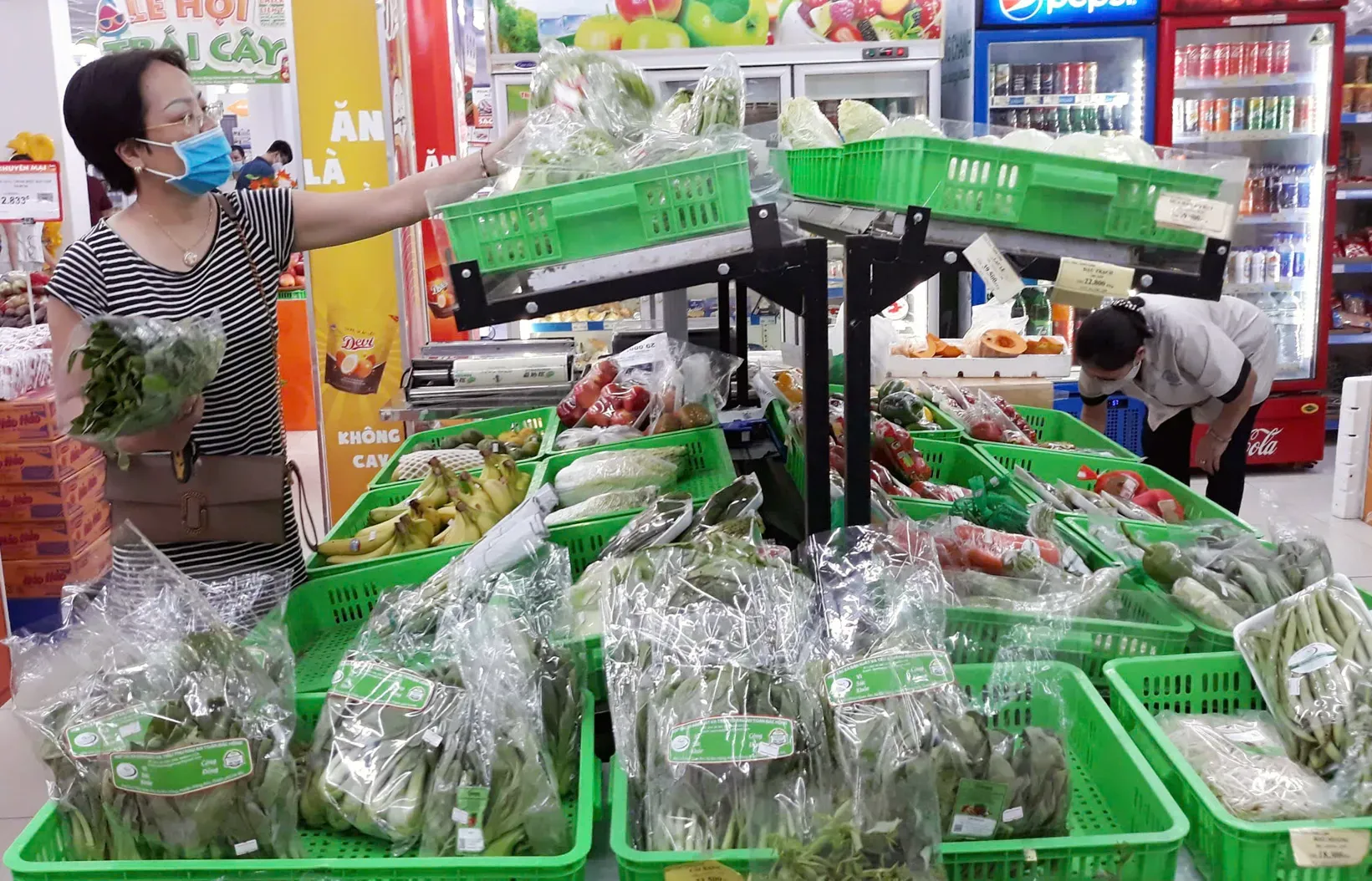
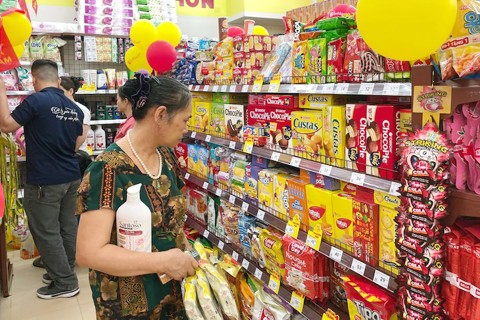
Consumers buy OCOP vegetables at Hapro Mart Thanh Cong supermarket in Hanoi's Dong Da District. Photo: Hoai Nam/The Hanoi Times
Nguyen Anh Duc, Chairman of the Vietnam Retailers Association, said that OCOP production is often small-scale, so they cannot meet the large volume orders of the supermarkets.
"In addition, because manufacturers do not complete traceability records, their products fail to meet supermarket regulations. On top of this, OCOP enterprises lack knowledge of marketing and product quality management, making it even more difficult for OCOP products to find a place on supermarket shelves," Duc said.
Nguyen Thi Kim Dung, Director of Co.op Mart Ha Dong supermarket, said the Co.op Mart retail system currently sells more than 130 OCOP products. "However, for OCOP products to enter supermarkets, manufacturers are forced to meet process, quality, and payment requirements which OCOP businesses cannot meet," she said.
Linking the market
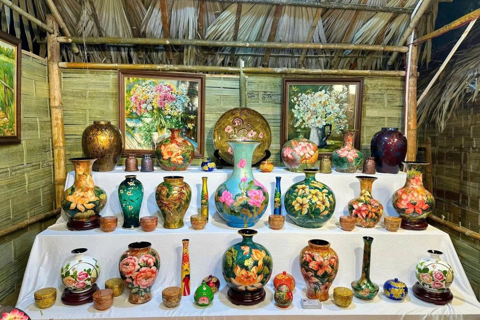
Nguyen Kieu Oanh, Deputy Director of the Hanoi Department of Industry and Trade, said that the Hanoi People's Committee has planned to build OCOP showrooms in craft villages and a center for designing and promoting OCOP products and craft villages.
Over the past time, Hanoi has developed over 114 OCOP showrooms. Among them, there are over 20 in craft villages and tourist sites, such as Van Phuc Silk Weaving Village; Bat Trang Ceramics; Duong Lam Ancient Village; Ha Thai Lacquerwork Village; Van Tu Sewing Village in Phu Xuyen District; Hong Van Commune Community Tourism in Thuong Tin District; Khanh Phat Store in Ba Vi District.
"In the coming period, more OCOP showrooms will be set up to make products more accessible to consumers," Oanh said.
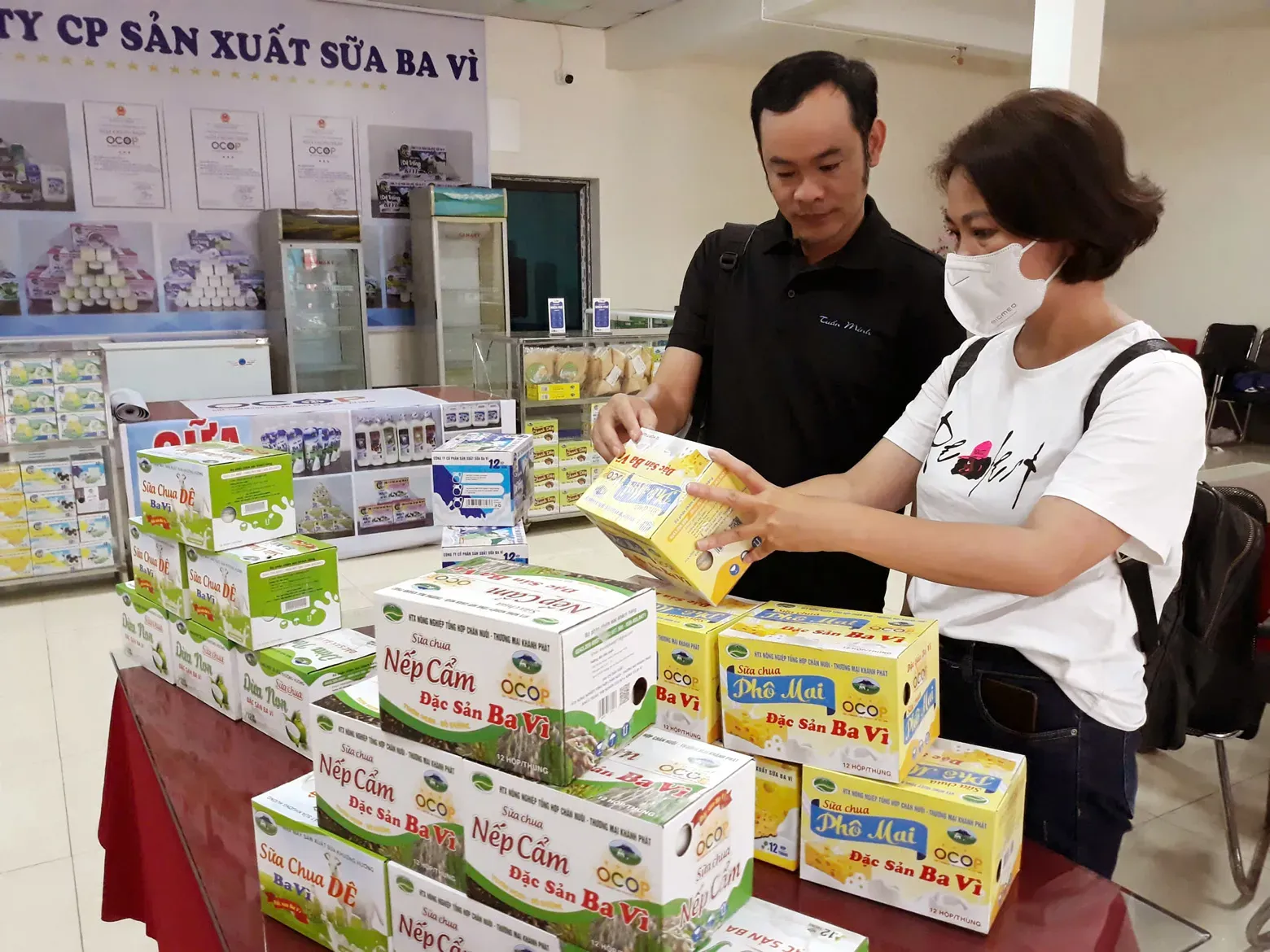
Consumers buy Ba Vi dairy products in Ba Vi District.
Nguyen Trung Dau, Director of Chu Quyen Agricultural Cooperative in Ba Vi District, told The Hanoi Times that the OCOP showroom has helped them generate sales of about VND100 million (US$3,850) per month.
Nguyen Manh Quyen, Vice Chairman of the Hanoi People's Committee, said that this year, there will be another 8 to 10 new OCOP showrooms and 5 to 8 centers for the design and promotion of OCOP products.
"The city will also strengthen the application of information technology in OCOP production, set up a system to trace the origin and display, and put more OCOP products on e-commerce trading platforms," Quyen said.
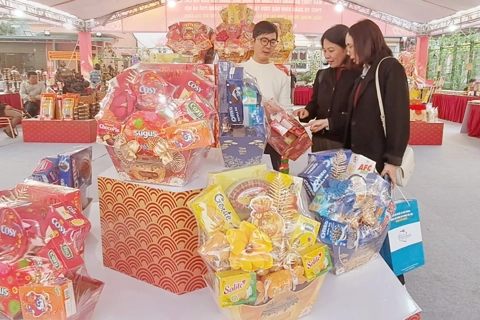
He added that in the near future, supermarkets in Hanoi will continue to support OCOP businesses with discounts and organize OCOP product weeks.