Hanoi prioritizes proper care for all children
The capital is turning child protection into daily practice, placing care, safety and well-being at the heart of how children grow up and thrive, through family-style care, child-friendly schools and policies designed to nurture every child.
THE HANOI TIMES — In the early morning at Birla Children’s Village on the outskirts of Hanoi, Dinh Thi Kieu Linh carefully waters rows of leafy vegetables in the garden she tends with her caregiver.
The task is simple, but for the orphaned girl, it is part of a routine that offers something many children like her lack: stability.
"Our mothers cook very delicious dishes and always make sure the food is nutritious and safe, and suits our tastes,” Linh told The Hanoi Times, pausing from her work beside the vegetable beds.
Behind her, Mother Phung Thi Hien moves quietly between the garden and the kitchen. She is responsible for 22 children in the village, and she knows their habits well. “On cold days, I cook rice and dishes right before the children come home from school so they can enjoy hot meals,” she said.
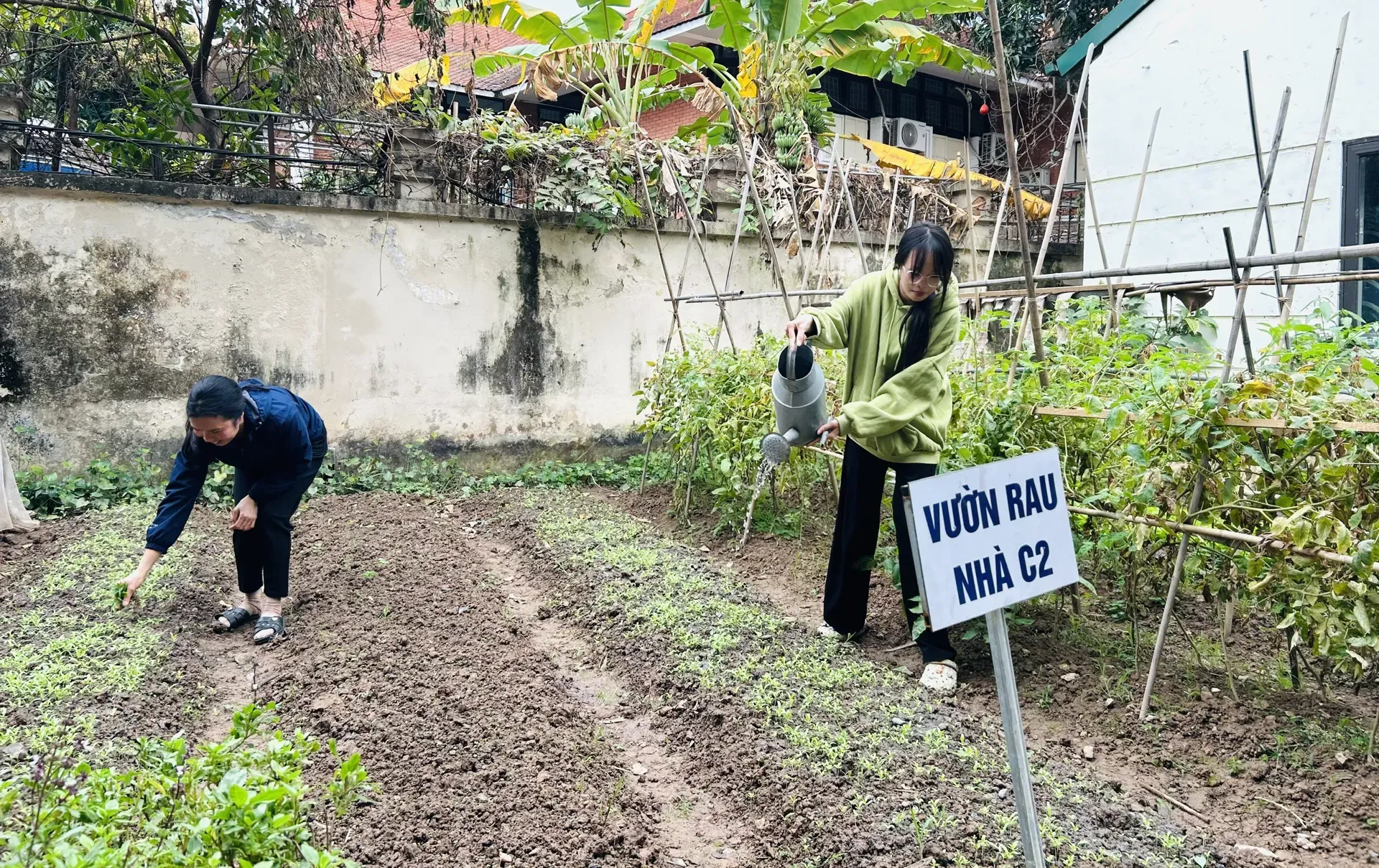
Mother Phung Thi Hien and Dinh Thi Kieu Linh tend to the vegetable beds in the garden of Birla Children's Village. Photos: Anh Kiet/The Hanoi Times
Scenes like this unfold daily at Birla Children’s Village, operated under the Hanoi Department of Health, where 85 orphans and disadvantaged children live in family-style homes under the care of full-time “mothers.”
Here, child protection is expressed not through slogans, but through routines of shared meals, careful nutrition and emotional support.
According to Trinh Thanh Huyen, Director of the Children’s Village, maintaining a warm living environment goes hand in hand with strict attention to food safety and health. “Every day, food is supplied according to a set menu. When it arrives, staff from the Health Department and the village’s mothers check its freshness, taste, quality and quantity.”
Disease prevention is also built into daily life. During outbreaks, mosquito spraying is carried out across the village, while vitamins are provided to boost children’s immunity, particularly those who are underweight or physically underdeveloped.
That is the way Hanoi is turning care into daily practice.
From care homes to classrooms
The emphasis on safety and care extends beyond specialized facilities. Across Hanoi, children are growing up in schools that increasingly integrate learning with life skills and emotional well-being.
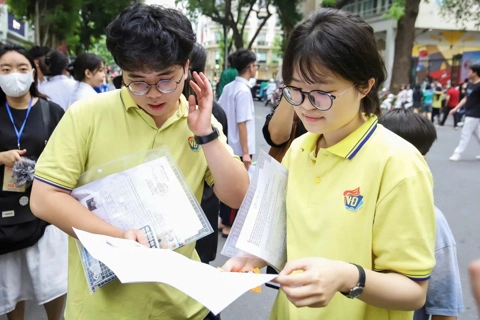
“My schoolmates and I feel lucky to grow up in a loving place where we can learn well and feel safe,” said Tran Phuc Dai An, an eighth grader at the Lomonosov Education System in Hanoi.
“For me, love means helping friends when they need it, trying my best at school and being a responsible person.”
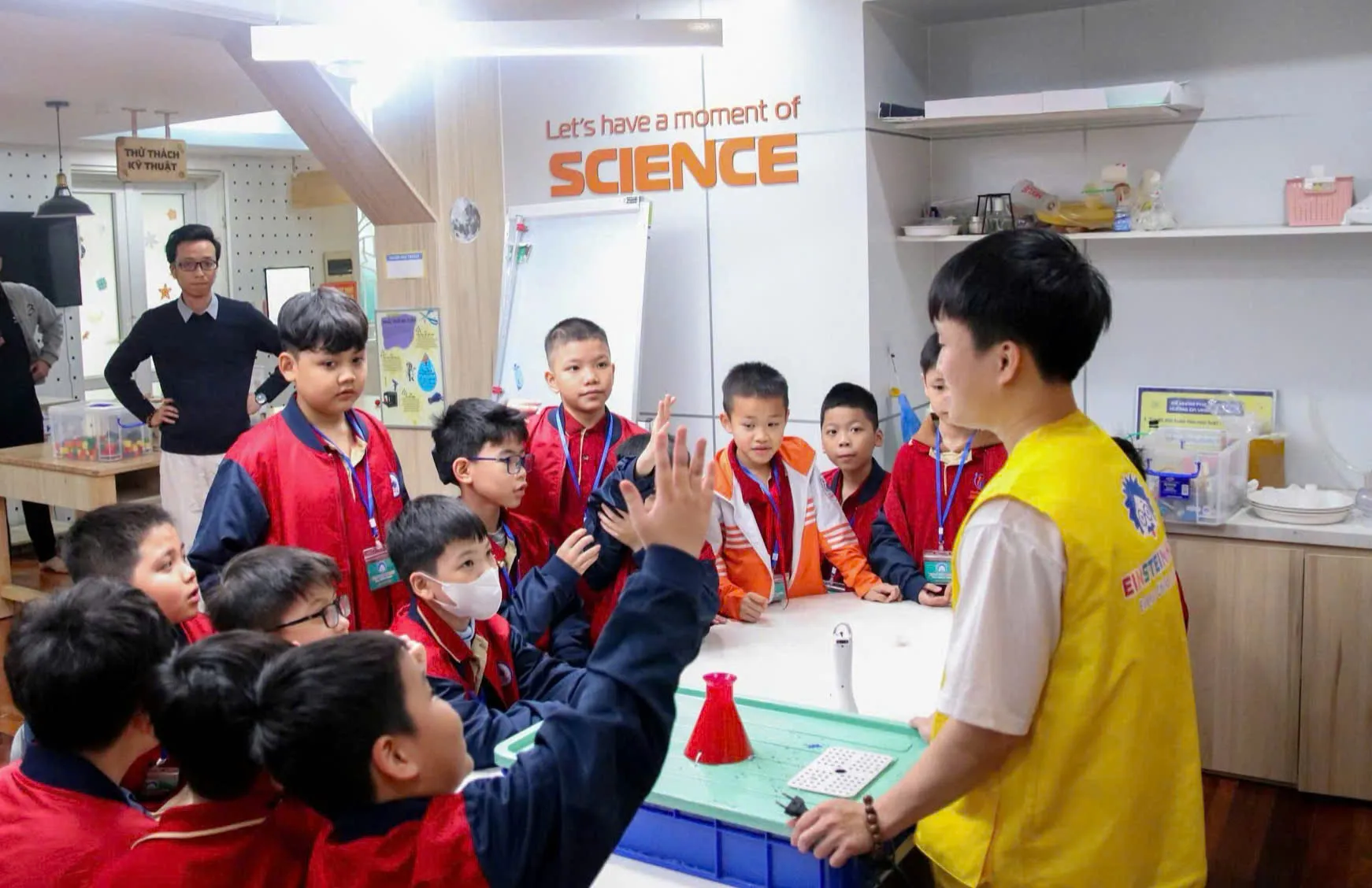
Tran Phuc Dai An (in yellow), an eighth grader at Hanoi-based Lomonosov Education System, is guiding his schoolmates to enjoy an exciting hands-on trip to Einstein House themed “Exploring Light”. Photos: Anh Kiet/The Hanoi Times
His experience reflects Hanoi’s broader approach to child welfare, which places children’s well-being at the center of education, social policy and urban development, so they can grow, learn and thrive in safe environments.
Hanoi’s child-focused efforts are reinforced each year through the Action Month for Children, a citywide initiative that calls on agencies, organizations and communities to share responsibility for protecting and supporting young people.
Activities range from visits to children in difficult circumstances and scholarship programs to gift donations and funding for playgrounds and recreational facilities in underserved areas, to translate awareness into tangible support, especially for vulnerable groups.
These on-the-ground efforts are backed by a detailed policy framework. In late January, Vice Chairwoman of the Hanoi People’s Committee Vu Thu Ha signed a plan setting out key targets for child care and development in the capital.
Under the plan, 79 out of 126 communes and wards are expected to meet child-friendly standards, while 95% of children under eight will access age-appropriate care and development services. All children will have electronic health records and receive at least one free annual health check or screening.
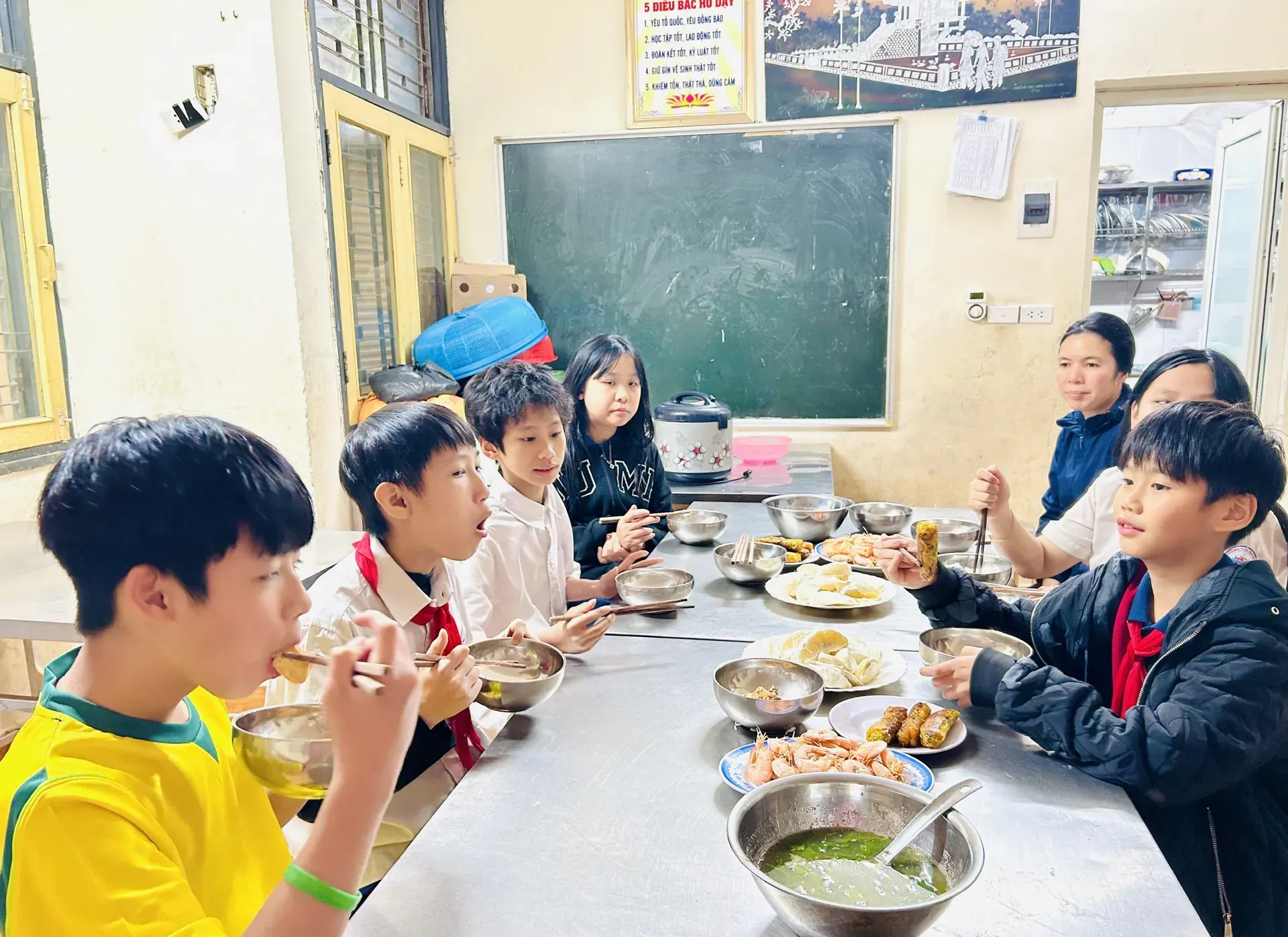
Birla children eagerly enjoy dishes that are carefully cooked by mothers at the village.
Hanoi also aims to reduce stunting among children under five to 11.6% in 2026 and 11.3% by 2030, cut underweight rates to 7.2% and 6.8%, and keep childhood obesity below 10% by 2026 and 8% by 2030. The proportion of abused children will be kept below 1%, with all detected cases receiving timely support.
Schools across the city are required to establish counseling offices, provide psychological support and organize life-skills education, with a focus on preventing abuse and injuries.
"About 90% of children with disabilities in need of schooling are expected to access specialized or inclusive education and appropriate rehabilitation services," noted the plan.
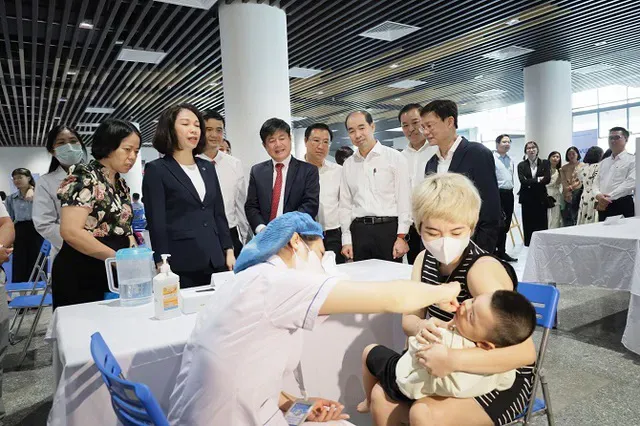
A child with congenital heart disease gets vitamin A in the 2025 campaign of the Action Month for Children. Photo: The Hanoi Department of Health
Looking ahead, Hanoi’s health sector plans to build a nutrition monitoring system from city to commune levels, improve data analysis and strengthen community education on proper nutrition.
Additionally, the city has strengthened its legal and policy framework, expanded access to education and healthcare, reduced child mortality and malnutrition, and rolled out child-friendly healthcare and mental health services.
Digital transformation and artificial intelligence will play an increasingly important role in managing health records and providing nutrition counseling tailored to children’s needs.
From the garden beds at Birla Children’s Village to classrooms, clinics and citywide policies, Hanoi’s child-centered approach is taking shape through everyday care, turning protection into practice, one routine at a time.
Comprehensive approach
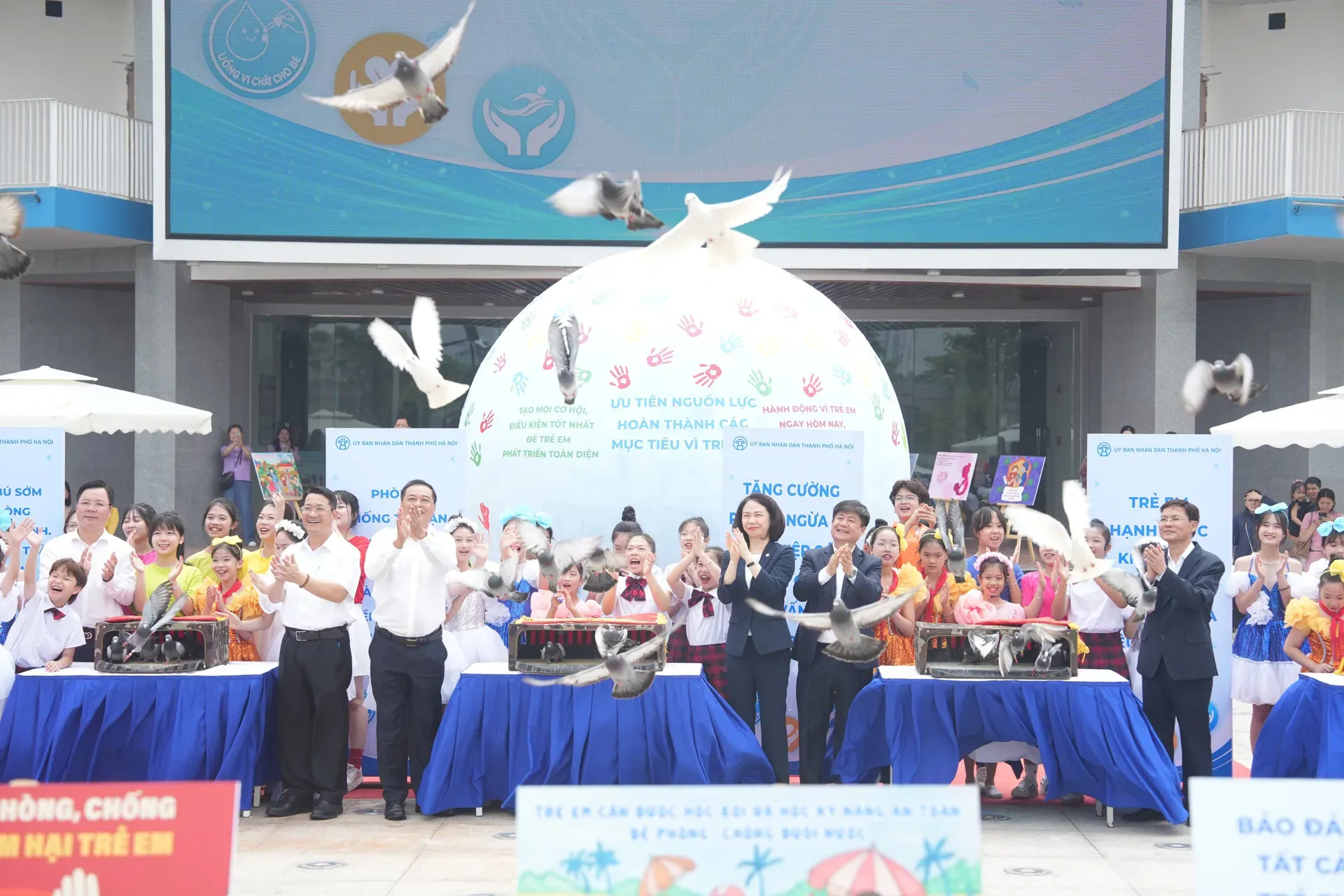
Vu Thu Ha (center in suit), Vice Chairwoman of the Hanoi People's Committee, and delegates participate in the pigeon release activity in 2025 titled "Joining hands to act for children". Photo: The municipal Department of Health
According to Dang Hoa Nam, Vice President of the Vietnam Association for the Protection of Children’s Rights, Hanoi is rolling out a more comprehensive approach to care for all children.
"A nation's future begins with its children. Each year, thousands of students in difficult circumstances receive scholarships and tuition support to continue their studies," Nam told The Hanoi Times.
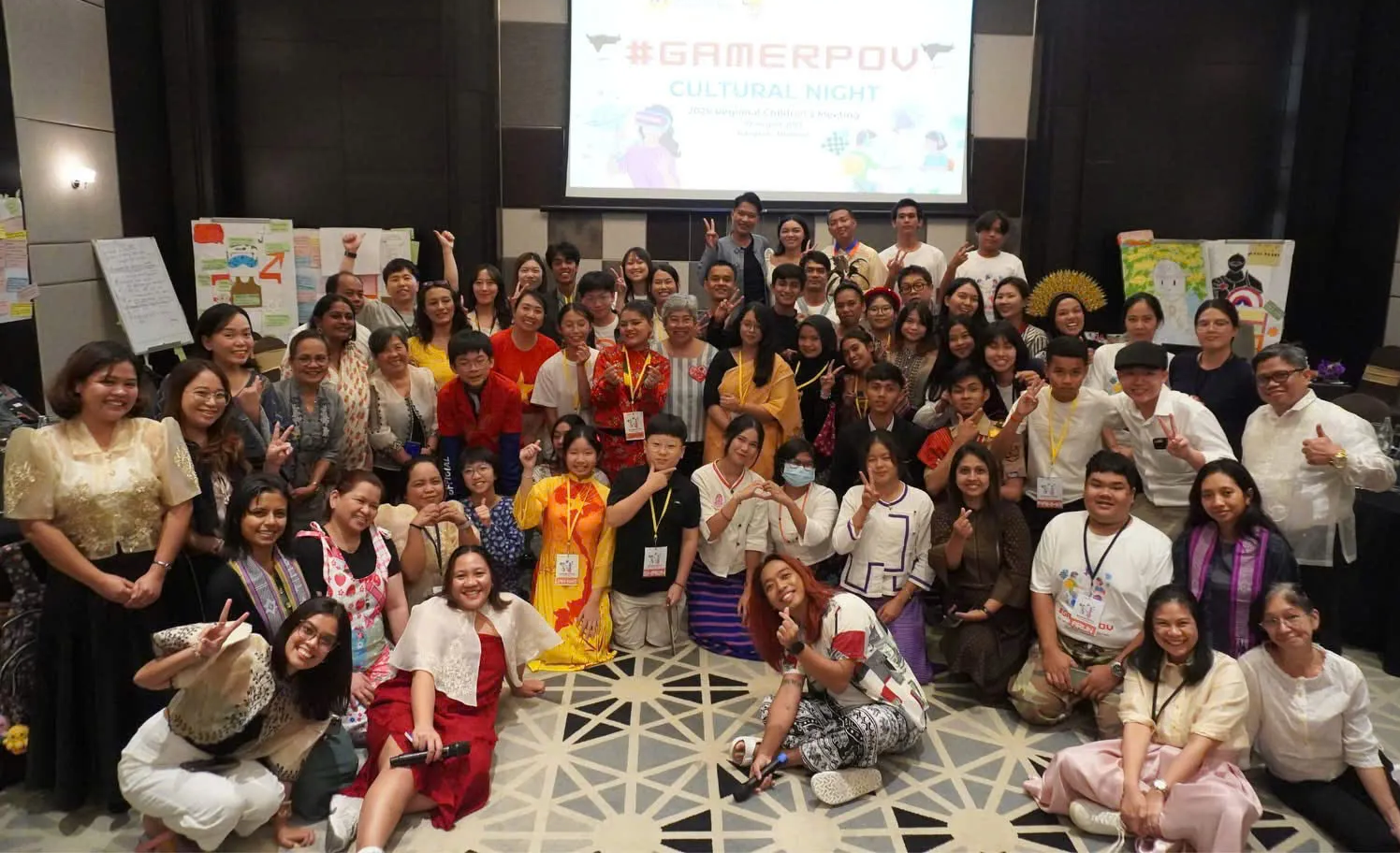
Children join the "Dream House" drawing contest held in Hanoi by the Vietnam Association for Protection of Child's Rights in late 2025. Photo courtesy of Dang Hoa Nam
He said Hanoi has strengthened its legal and policy framework for children, improved education and healthcare, reduced child mortality and malnutrition and implemented child-friendly healthcare and mental health services.
"Hanoi aims to build a safe, friendly and healthy environment where children can fully exercise their rights and develop all-around," Nam added.
He emphasized that digital transformation and AI will play a key role in managing healthcare, social assistance and child services, including AI-based counseling on school nutrition and diets that support children’s growth.