Hanoi’s Cultural Industry: unlocking private resources for creative growth
The capital city is embracing a cultural renaissance fueled by young creatives and private investment to build a thriving cultural industry.
THE HANOI TIMES — In the heart of downtown Hanoi, visitors stop in awe before the monumental installation Hoi Sinh (Revival) by artist Tia-Thuy Nguyen, thanks to the striking contrast to its lush surroundings, symbolizing heritage and innovation.
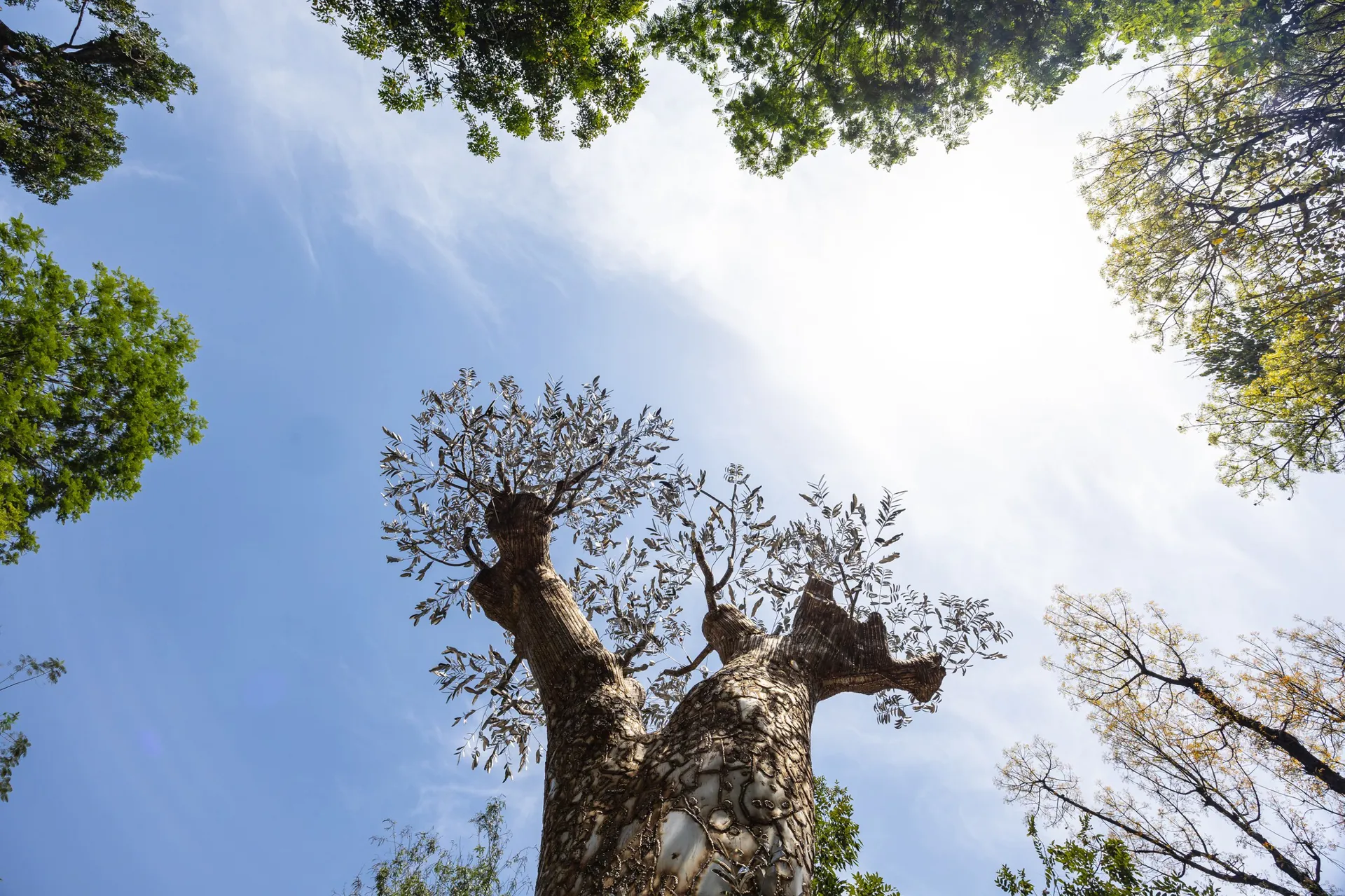
The Revival art installation by Vietnamese artist Tia- Thuy Nguyen in Co Tan Park, Hoan Kiem Ward, Hanoi. Photo courtesy of the artist
Nearly nine meters high, the Xa Cu, or ironwood tree, rises majestically in the Co Tan flower garden, sheathed in shimmering stainless steel that gleams under the sunlight, giving a new cultural vision for the capital.
Commenting on this, Pham Tuan Long, Party Secretary and Chairman of the People’s Council of Cua Nam Ward, said this is an extraordinary work of art. "Entirely funded through socialized capital, this contemporary art installation signifies a pioneering model for developing Hanoi's cultural sector."
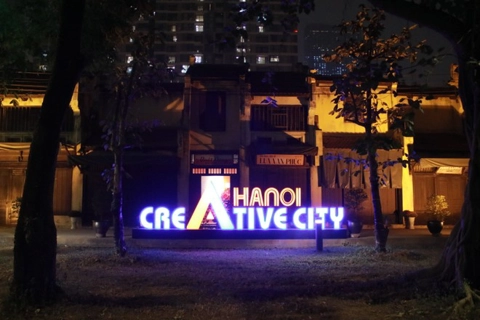
Long said that more than ever, Hanoi needs to nurture talents like Thuy and establish the capital as a true Creative City, in line with its UNESCO designation.
Abundant cultural potential
Hanoi's rich cultural scene, the soul of the nation, was emphasized at the recent symposium on Thang Long – Hanoi Cultural Heritage for the Development of the Capital’s Cultural Industry, where scholars highlighted the city’s formidable assets in cultural and creative industries.
Dr. Le Thi Trang of the Institute of Culture and Development (the Ho Chi Minh National Academy of Politics) noted that Hanoi's cultural identity, shaped over centuries, is rooted in a vast system of tangible and intangible heritage.
Its over 6,400 historical and cultural relics, including 1,800 intangible heritage, 169 national treasures, and more than 1,350 traditional craft villages, make the city a crucible of cultural inspiration."
Looking ahead to 2030 and with an eye on 2045, the city plans to establish 60 creative spaces that will serve as hubs for cultural inspiration, including co-working hubs, cultural and artistic venues, and innovation-focused platforms.
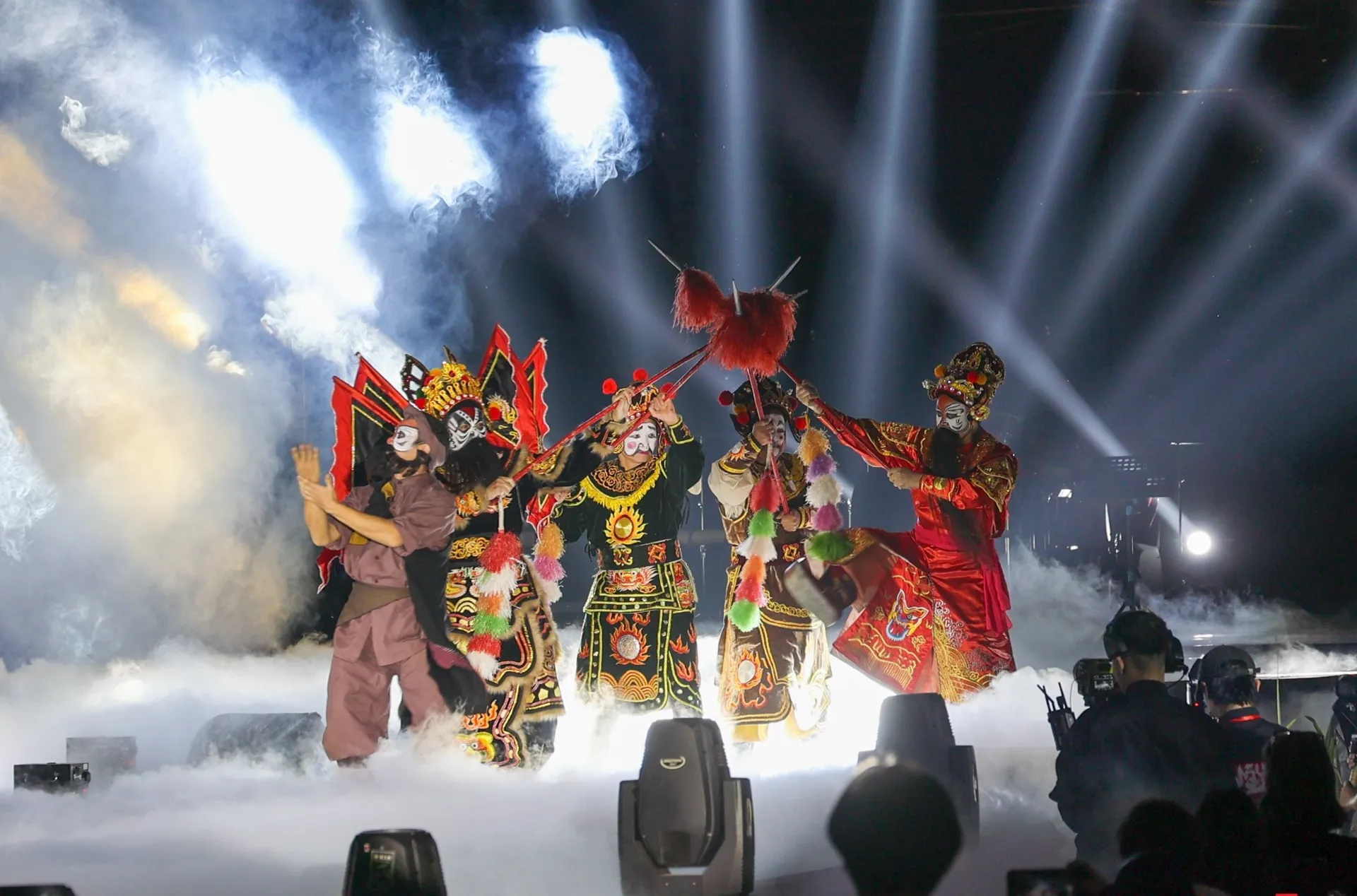
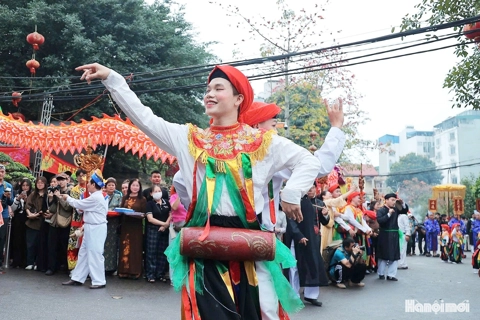
Folk art performance in Gia Lam Railway Factory space at Hanoi Creative Design Festival 2023. Photo: Le Hoi Thiet Ke Sang Tao
Prof. Dr. Le Hong Ly, Chairman of the Vietnam Folk Arts Association, said Hanoi stands out for its unique cultural richness, being the only capital in the country that encompasses all four types of heritage: natural landscapes, historical legacies, architectural marvels, and folk traditions.
Indeed, aside from the 12 globally recognized cultural industries, such as music, publishing, architecture, and handicrafts, Hanoi boasts a unique jewel: its culinary tradition.
Pham Quynh Phuong, Head of the Department of Cultural and Creative Industries at Vietnam National University, viewed cuisine as an integral part of the cultural fabric. "Dishes like pho bo (beef noodle soup) and banh cuon (steamed rice rolls) are not just meals; they are living heritage. Promoting Hanoi’s culinary legacy drives tourism and creative engagement."
Unlocking creative capital
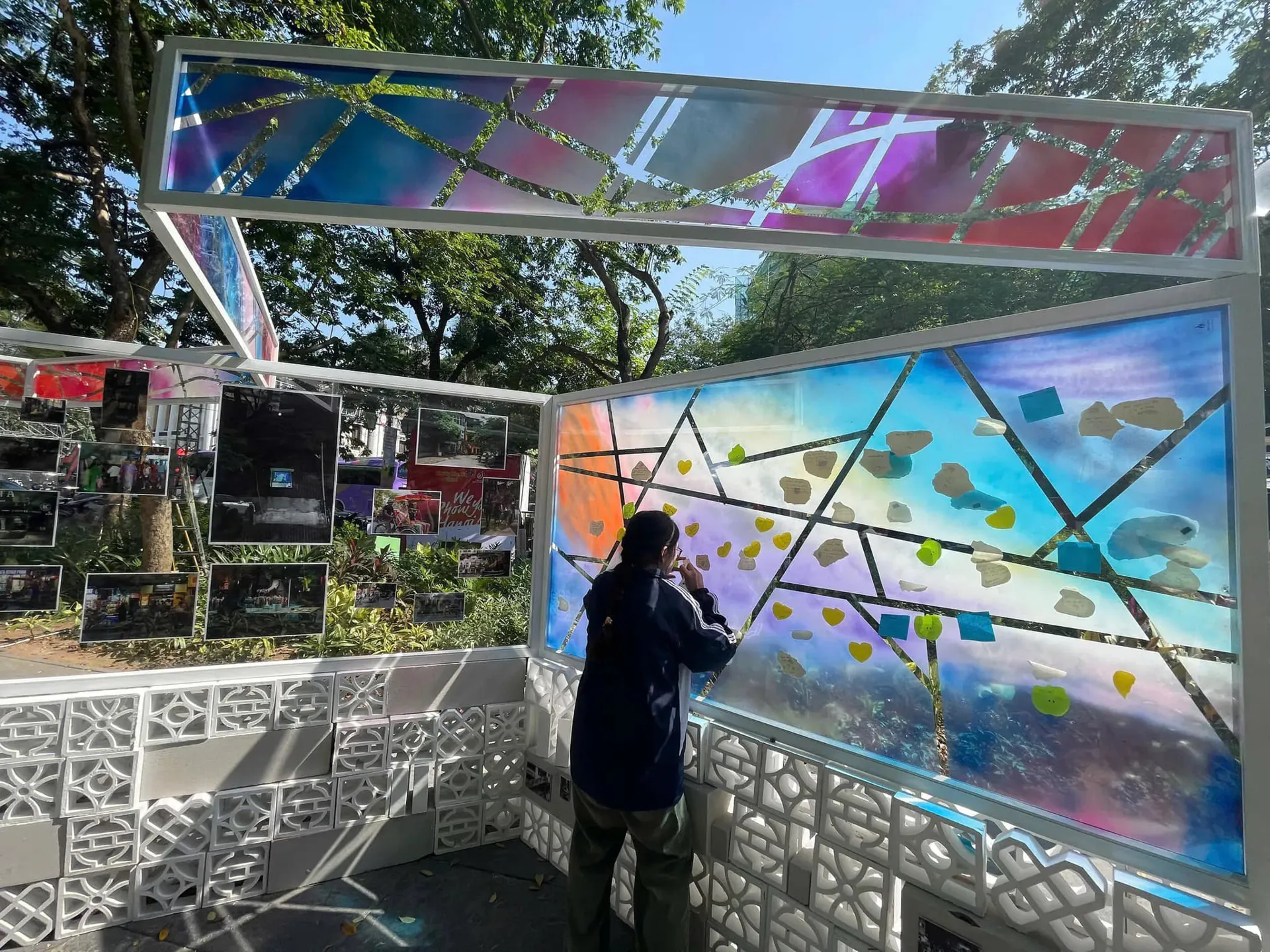
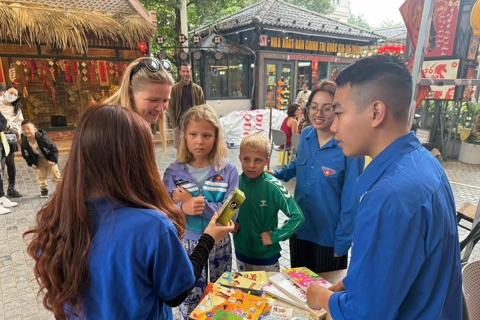
A visitor to the Hanoi Creative Design Festival 2024. Photo: Huy Pham/ The Hanoi Times
While Hanoi’s cultural foundation is vast and vibrant, transforming it into a sustainable industry requires private capital and a favorable environment for creative entrepreneurs.
Experts agreed that translating policy into public awareness and participation is the next vital step to allow Hanoi to cultivate a broad-based cultural renaissance. This includes strengthening education and cultural literacy, expanding international partnerships, and building a robust cultural communication network.
Ly suggested that Hanoi begin by leveraging its strengths in a long-term vision: "Heritage is our greatest asset. Leveraging traditional cultural resources can serve as the foundation for a resilient creative economy.”
Dr. Le Thi Trang of the Institute of Culture and Development echoed these sentiments, emphasizing the need for inclusive participation: "Hanoi should embrace new models of public-private partnership in the cultural sphere while developing a dynamic network of young creators."
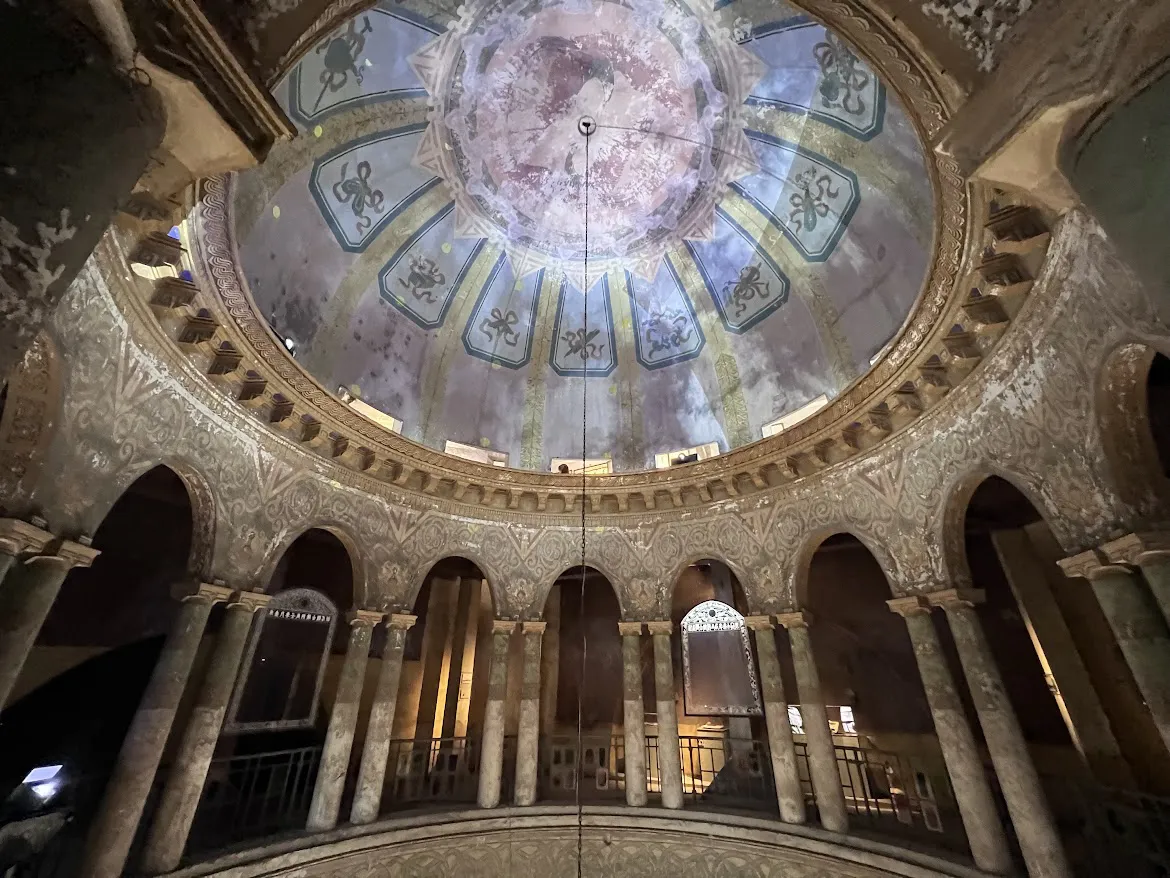
The grand exhibition entitled “Indochina Sense” at Vietnam National University as part of Hanoi Creative Design Festival 2024. Photo: Huy Pham/ The Hanoi Times
Meanwhile, Associate Prof. Dr. Pham Quynh Phuong noted that Hanoi should leverage its rich gastronomic heritage as a pillar in developing the cultural industry, as it has been acclaimed as one of the world’s premier culinary destinations.
To make the goal possible, it is essential to recognize the vital role of culinary artisans and chefs, as their skills and stories are key to helping both residents and visitors fully understand and appreciate the depth of Hanoi’s culinary artistry.
In addition, she urged Hanoi to prioritize developing dedicated culinary spaces, such as food streets and vibrant night markets, in the Old Quarter and other historical districts, along with establishing clusters of restaurants showcasing traditional cuisine around cultural hubs, such as West Lake.
As a Creative City, Hanoi must draw upon its heritage and people's energy through strategic vision and collaboration to become a global beacon of culture and creativity.