Hanoi’s cultural revival: The rise of a creative capital
Hanoi demonstrates a firm commitment to its pioneering role as Vietnam’s cultural and creative industry hub, aligning with the country’s strategic development vision.
THE HANOI TIMES — Hanoi has opened the Center for Cultural Industries (CCI), a 20-year strategic initiative that transforms culture into a core economic driver, blending the city’s heritage and creativity for sustainable global growth.
Institutionalizing the creative economy - a pioneering vision
As Vietnam’s capital, Hanoi is taking a pioneering step in developing its cultural industry and the plan for CCI's operations marks a decisive move toward building a “creative capital” where economic growth is rooted in culture and knowledge.
Now in the implementation phase, Hanoi is executing a roadmap to 2045 to shape a comprehensive creative ecosystem where culture, art, technology and economy converge. The plan introduces a new governance model that empowers businesses through public–private partnerships (PPP), with the State playing a supportive role inspired by global models such as Seoul.
Imbued with Vietnamese identity, the strategy promotes the integration of heritage and technology by transforming historic sites like the Old Quarter, Co Loa Ancient Citadel into vibrant CCI hubs. Through resource coordination, Hanoi conveys a clear message: culture is a valuable national asset and a cornerstone of its vision to become a global creative capital.

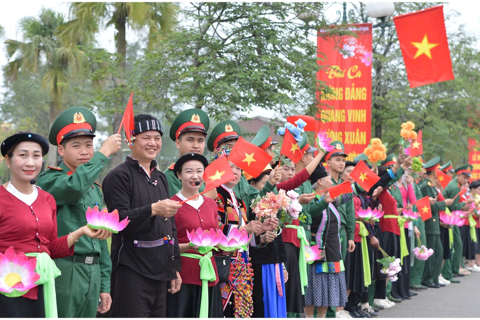
Since Hanoi earned UNESCO’s title “City for Peace” in 1999, the capital has evolved into a welcoming and favorite destination. Photos: Kinh te & Do thi Newspaper
The 20-year roadmap
The city's 20-year vision of Plan 270/KH-UBND, running through 2045, reflects Hanoi’s commitment to nurturing future creative generations. The roadmap aims to make culture the city’s intrinsic strength through detailed, phased development.
By 2025, Hanoi will establish one or two pilot CCIs in areas rich in heritage and creative potential. These “first seeds” will transform old factories into art complexes, revive heritage through technology and return public spaces to the creative community driven by the synergy of the State, businesses and artists.
From 2026, the focus will shift to strengthening infrastructure, improving landscapes and enhancing the overall urban creative environment.

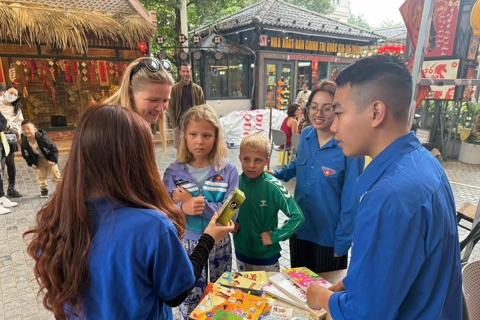
Hanoi serves as a prominent stage for major cultural events, notably the Festival for Peace.
At this stage, Hanoi will establish two to three specialized or multidisciplinary centers in areas where it holds natural strengths such as design, fine arts, handicrafts, performing arts and digital media. Each center will serve as a key link in the city’s creative value chain, generating spillover effects in tourism and cultural services.
By 2030, Hanoi aims to develop 10 CCIs across the city, each becoming a strong socio-economic engine that creates thousands of creative jobs, nurtures start-ups, and fosters global connections. These centers will act as creative incubators, hosting training programs, exhibitions and festivals while linking with cities in the UNESCO Creative Cities Network.
Looking to 2045, Hanoi envisions a large-scale CCI along the Red River, connecting heritage sites such as Co Loa Citadel, Bat Trang Ceramic Village, and Long Bien Bridge. This will symbolize the creative capital—a multifunctional cultural urban area combining preservation, digital technology and the knowledge economy, portraying Hanoi as both ancient and modern.
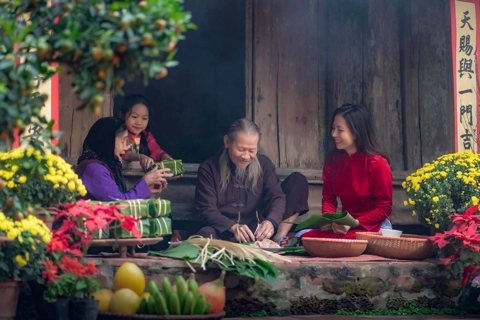
By renewing old values with new thinking, Hanoi ensures its heritage remains vibrant in contemporary life.
Pillars of sustainable cultural ecosystem
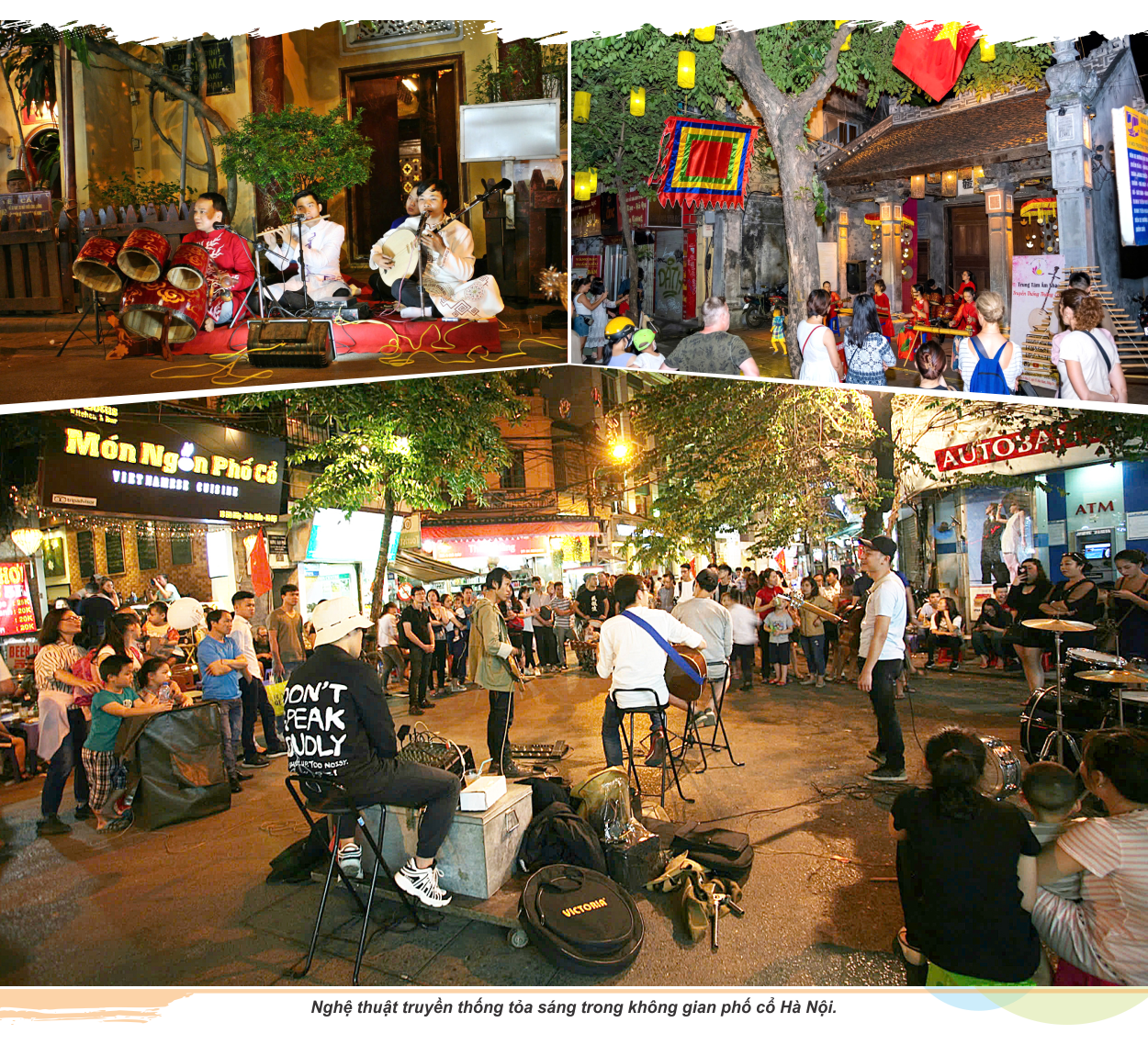
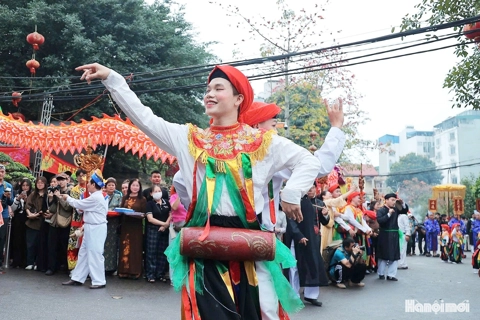
The vibrant street performances in Hanoi’s Old Quarter at weekends captivate both locals and visitors alike.
Plan 270/KH-UBND is seen by experts as systematic and feasible, built on five key action pillars to ensure the long-term sustainability of the CCIs.
First of all, communication and awareness are essential to building a creative culture across society. Programs, forums and festivals will promote policies and instill the mindset that culture is an asset, an opportunity, and the future.
At the same time, developing high-quality creative talent is an urgent priority. The plan calls for a strong network of training institutions, from art schools to innovation hubs, to cultivate professionals with artistic skill, business sense and global competence. Creative education must stay closely connected to business practice to make CCIs true generators of value.

A bird’s-eye view of the ancient Son Tay Ancient Citadel reveals the historic grandeur of one of Hanoi’s most iconic heritage sites.
Operating CCIs is a core mission for Hanoi as it focuses on selecting strategic, high-potential locations and employing the PPP model to encourage private sector participation. Each CCI will help artists, technology engineers and investors converge to transform culture into commercial and social products.
It's necessary to mandate robust operational support and digital integration. To this end, Hanoi is set to deploy a range of preferential mechanisms, specifically targeting the creative sector with crucial provisions like tax breaks, credit support and dedicated startup incentives.
Crucially, the city will develop a shared digital platform for the CCI system to connect units, share data and promote products, in line with global digital transformation models such as Singapore’s Creative Digital District.
Meanwhile, inspection and evaluation will ensure sustainability through continuous monitoring and adaptive policies.
Driving force of a “creative city”

Phung Hung Mural Street comes alive with vibrant beauty during festival seasons, offering a stunning blend of art, culture and celebration.
Hanoi’s Centers for Cultural Industries (CCIs) will serve as the city’s “lungs,” driving culture-based growth and enriching urban life. They aim to build new value chains in fashion, film, music, design and digital content while reshaping the city’s landscape.
By transforming old industrial zones and the Red River area into cultural districts, Hanoi seeks to blend heritage with modernity and foster civic pride through culture-led renewal.

A glimpse of Hanoi’s iconic West Lake.
The CCIs will boost cultural tourism and enhance Hanoi’s global image, offering spaces where visitors experience Vietnamese culture through creative products and events, inspired by London’s Southbank Centre and Seoul’s Hongdae, positioning Hanoi as Southeast Asia’s creative capital.
The initiative also provides young people with spaces to develop talent and become creative citizens who promote Vietnamese culture worldwide. Through the UNESCO Creative Cities Network, the CCIs will connect Vietnam with the global creative community.
Hanoi’s cultural development vision helps bring culture into the marketplace and turn soft power into national strength.