Hanoi's healthcare sector innovates for better services
Hanoi is poised to build an advanced healthcare system that's responsive to its citizens.
Hospitals in Hanoi have made digital transformation of healthcare a top priority to improve medical examination and treatment, according to Nguyen Dinh Hung, Deputy Director of the city's Department of Health.
In recent years, hospitals have implemented numerous measures to apply information technology in administrative reform and improved therapeutic approaches to digitally change and improve attitudes toward patient satisfaction.
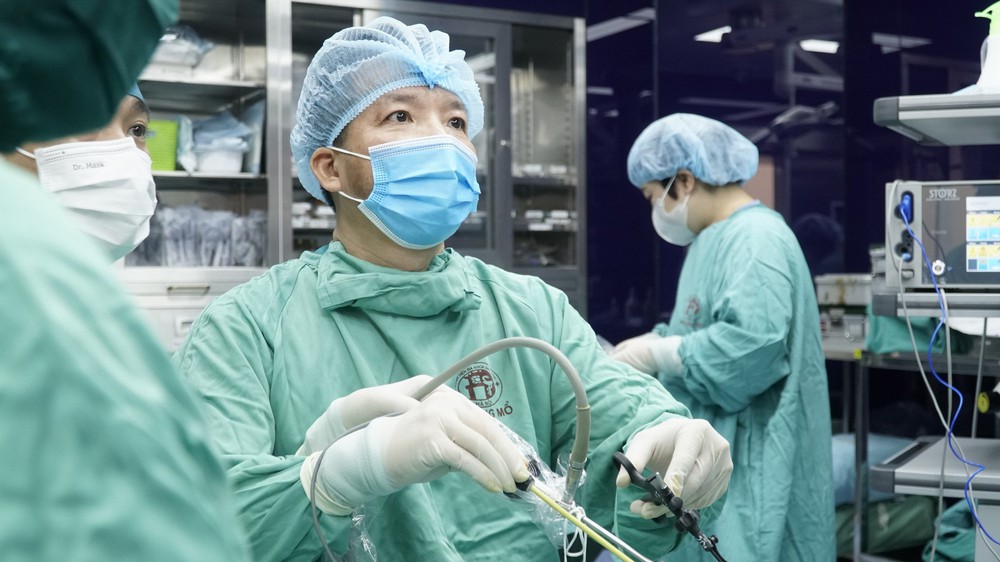
Doctors in Hanoi perform surgery. Photo: Saint Paul General Hospital |
The innovation is targeted at three key groups, including the general public, healthcare providers, and healthcare management authorities. By providing easier access to vital information and timely medical advice, this innovative system aims to empower citizens to take charge of their health.
"By creating a smart healthcare system, we're improving services and transforming the patient experience by streamlining medical services, saving time and money while reducing the burden on Hanoi's hospitals," Hung added.
He emphasized that the smart management system will enable rapid policy decisions backed by big data analytics, improving the city's ability to respond to health emergencies such as disease outbreaks.
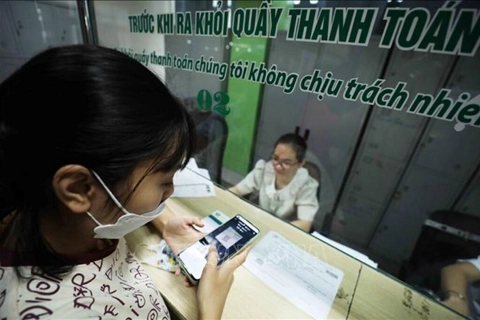
All of Hanoi's health facilities have implemented patient management software that provides seamless integration with the city's social insurance system and meets the standards of the Ministry of Health.
All facilities also use chip-embedded cards and the VNeID application for patient registration.
In a significant leap forward, five hospitals, including Saint Paul, My Duc, Van Dinh, Hoe Nhai, Ha Dong, and Duc Giang General Hospitals, have transitioned to electronic medical records. In addition, several facilities are using cutting-edge technologies such as artificial intelligence (AI) and virtual reality to improve diagnosis and treatment protocols.
A standout aspect of this transition is the self-service kiosk, which has significantly reduced patient check-in times from five to fifteen minutes to just ten seconds. This solution saves time and reduces costs. Ngo Quang Hung, Deputy Director of Saint Paul General Hospital, said each kiosk can take the place of one employee, saving the hospital about VND265 million (US$10,750) per year.
The healthcare system in Hanoi will continue its digital transformation, implementing electronic medical records, and upgrading its IT infrastructure. It will also focus on digital healthcare services that are compliant with legal standards while developing a shared data repository to facilitate connectivity and information sharing, according to Nguyen Dinh Hung.
As a result, Hanoi is well on its way to creating a modern, high-quality healthcare system that meets the needs of its citizens and contributes to the city's broader smart urban development efforts.
A survey released by the Hanoi Department of Health showed patients' satisfaction rate for the hospital sector in the first quarter of 2024 is 97.11% and 96.69% for the Medical Center and 115 Emergency Center sectors, respectively. "This is a very remarkable result that requires the healthcare sector to innovate in the future," Hung stressed.