How Vietnam could stamp out second wave of coronavirus
There has been little sense of being forced to do anything as most of people in Vietnam take care of themselves and others.
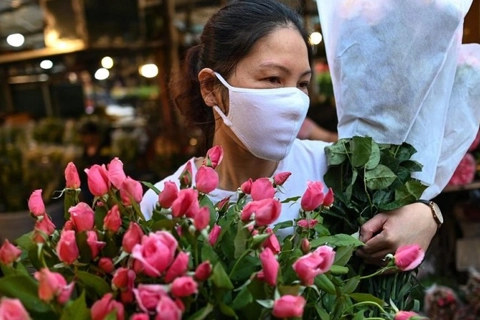
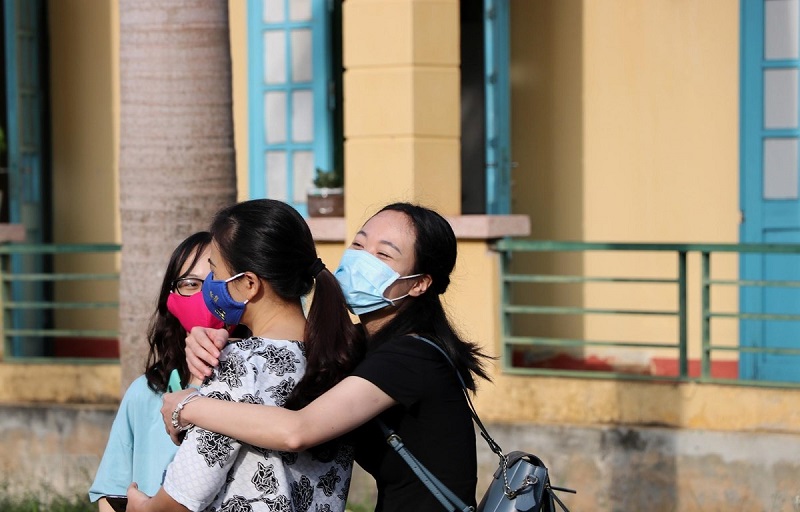
Vietnam has undergone 26 days without locally-transmitted Covid-19 cases, returning an air of confidence to the whole country, all thanks to aggressive approach to coronavirus containment as its government took in the first wave of infections.
| An air of confidence has returned in Vietnam. Photo: Thanh Hai/Vietnam News Agency |
All lockdown orders in big cities of Hanoi and Ho Chi Minh City and the beach city of Danang – the epicenter of the second wave – now ended while only 17% of the total 1,074 cases are active and the death toll has stayed unchanged at 35 for weeks.
The Guardian reported that Vietnam can now take pride in defeating the coronavirus twice after successfully containing its first outbreak in March and April.
Thanks to the initial containment, Vietnam has resumed almost all businesses, including international commercial flights, for the economic recovery.
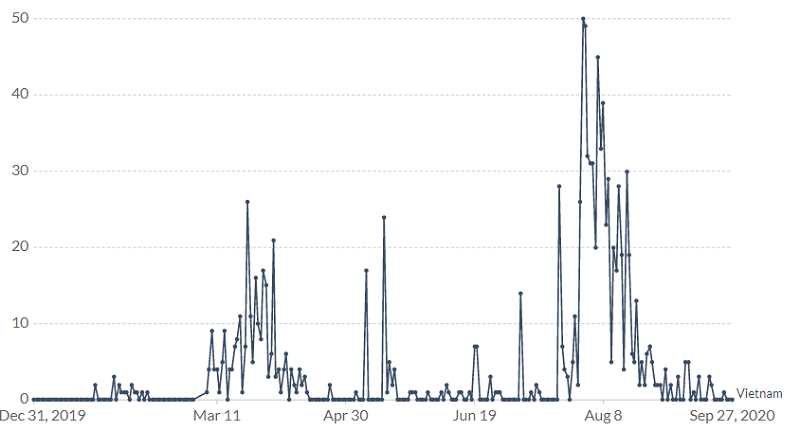
It prompts a question on how the country that shares a long border with China has held back twice the coronavirus that leaves more than 33 million infections and over one million deaths.
| Daily new confirmed Covid-19 cases in Vietnam. Source: European CDC, Ourworldindata |
Thorough measures in Danang
Up to half of Vietnam’s total coronavirus cases since the start of the pandemic were found in beach city Danang.
According to the World Health Organization (WHO), “approximately 98% of cases were either related to major hospitals in Danang city or have a history of visiting Danang.”
Two days after the locally-transmitted infection recorded in the second wave, the city was locked down, with heavily restricted travel in and out.
“The lockdown was a lot stricter than last time and the response on our street was good, they found a case and quickly locked it down,” Jos Aguiar, an Australian working for a Vietnamese property company in Danang, told ABC News.
Prof. Guy Thwaites, director of the Ho Chi Minh City-based Oxford University Clinical Research Unit, told ABC News that Vietnamese authorities did all of the simple stuff they did last time, but at scale and rapidly.
Massive testing has been quickly taken across the city of Danang and in other localities for all returnees from this beach city, using pooled sample testing. If there is a positive result, all samples will be individually tested. Communities or neighborhoods with known cases were targeted first.
“In that way they were able to test the equivalent of around 100,000 people through around 20,000 tests. This allowed them to save a lot of time and money,” according to Guy Thwaites.
The central government has given great support to the pandemic fight in Danang. Shortly after the resurgence of the virus in the tourism city, a health task force with the nation’s leading health professionals was sent there.
Meanwhile, national consultations have been frequently held to find out the best treatment therapy.
The best medical equipment, food, and essential goods were at once made available in Danang.
Large support from the community has played an important role in dealing with the virus. Locals have donated money, food, and essential goods to the hospitals and forefront forces while hundreds of teams and clubs have helped transport food and goods to needy places and receivers as well as driven Covid-19 patients home when they were discharged from hospital.
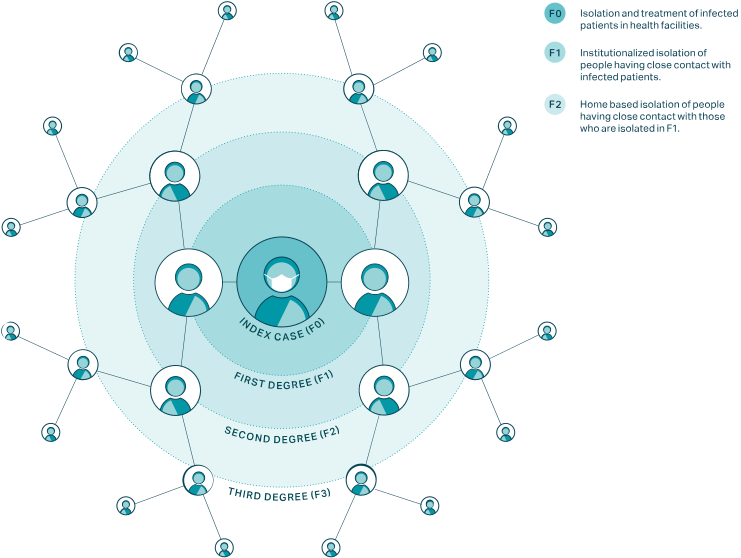
| Third degree contact tracing in Vietnam. Source: Exemplars in Global Health |
Going fast and hard against the virus
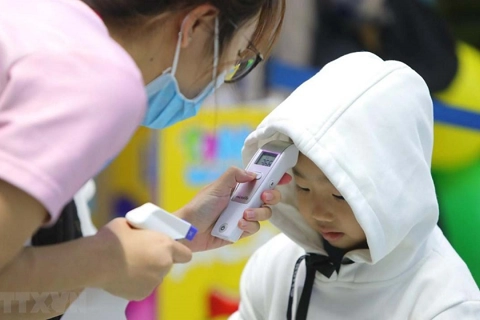
The government has quickly mobilized a number of measures namely massive testing, aggressive contact tracing, people’s awareness of the virus raising, and a mass multi-faceted public health campaigns.
Among the three aforementioned factors, the public campaigns are impressive with the use of a wide range of creative means of dissemination namely health apps, public service announcement (PSA), short message service (SMS), public banners, state media outlets, social media, among others.
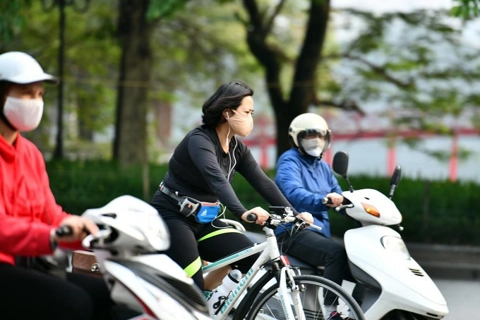
People’s obedience to protective measures is also key to the fight against the virus.
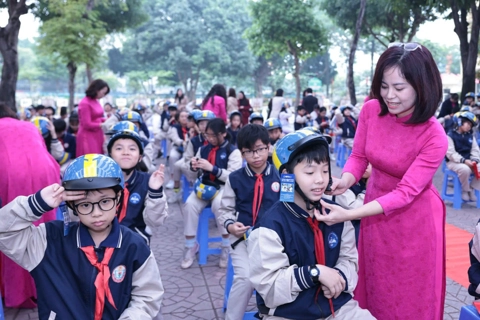
Most of the people took care of themselves, so there has been little sense of being forced to do anything.
“Masks, social distancing, quarantine, lockdown were not politicized; they were simply tools and measures to keep you and loved ones safe,” according to Ba Linh Tran of Bath University, and Robyn Klingler-Vidra of King’s College London.
“Vietnam is very used to infectious diseases. It's had many outbreaks of infectious diseases over the past 20 years,” Prof. Guy Thwaites said.
“This hasn’t been a high-tech response, it's been a very rapid and very well organized response,” he emphasized.
Since the start of the pandemic, Prime Minister Nguyen Xuan Phuc delivered a message that stated “each citizen is a soldier, each house, hamlet, residential area is a fortress in the fight against the pandemic.”
A survey early this year by UK pollster YouGov showed that up to 97% of Vietnamese people reported to approve of their government’s response to Covid-19.
Vietnam’s success is believed from “mobilizing citizens’ awareness of disease prevention without spreading panic, via fostering genuine cooperation between government, civil society and private individuals,” VOA News reported.