Mass masking – significant factor for Vietnam’s Covid-19 success
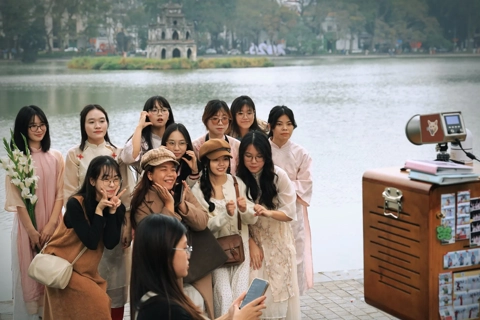
Wearing masks in public has long been a common practice in Vietnam.
Vietnam has been hailed for overcoming two waves of the Covid-19 pandemic with the minimum casualties thanks to a variety of measures it has applied, especially the enforcement of masking regulation is essential to containing the outbreak.
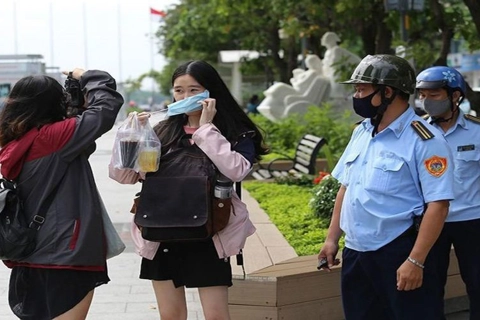
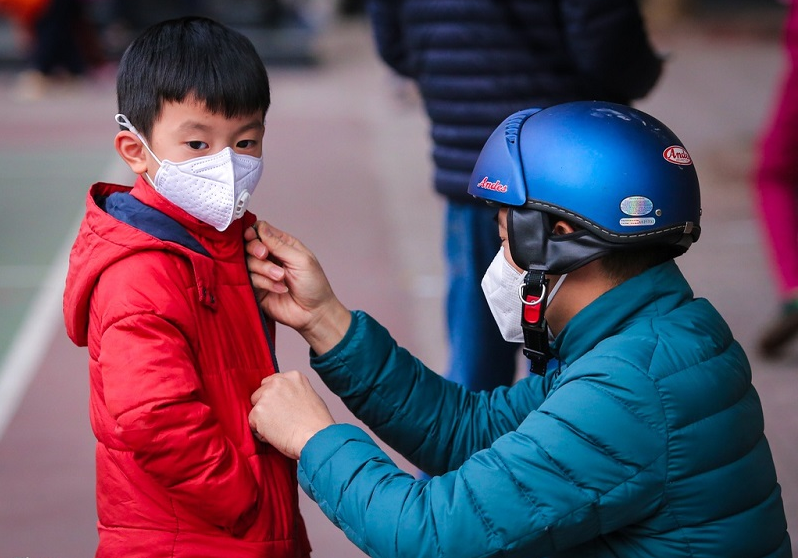
| Wearing masks in public places is compulsory in Vietnam since February 21. Photo: Zing |
The country’s success is multifactorial but mass masking has played a crucial role in the battle against the novel coronavirus that has caused more than 43 million infected cases and nearly 1.2 million deaths globally.
As of October 26, Vietnam reported 1,168 coronavirus cases, including 98.9% recovered. The number of death toll remains at 35, according to Vietnam’s Ministry of Health.
More than 44% of total infections are imported, including returning Vietnamese nationals and foreigners who are diplomats, business managers, investors, and high-skilled workers.
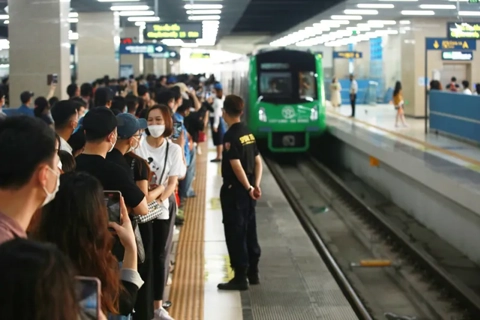
Wearing masks has become compulsory on public transport since February 21 and in public spaces and crowded events from March 16.
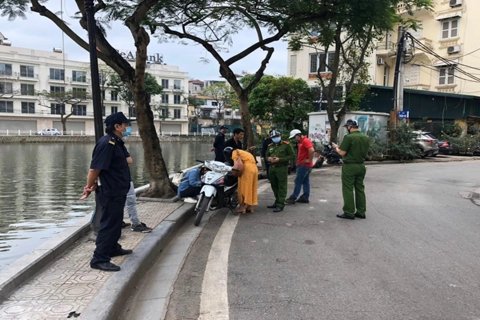
Even when social distancing requirements have been gradually relaxed since April 23, mass masking and hand hygiene remain compulsory, encouraged by education campaigns and enforced with fines. Non-compliance is punished with a fine up to VND300,000 (US$13).
| Non-compliance is punishable. Photo: Zing |
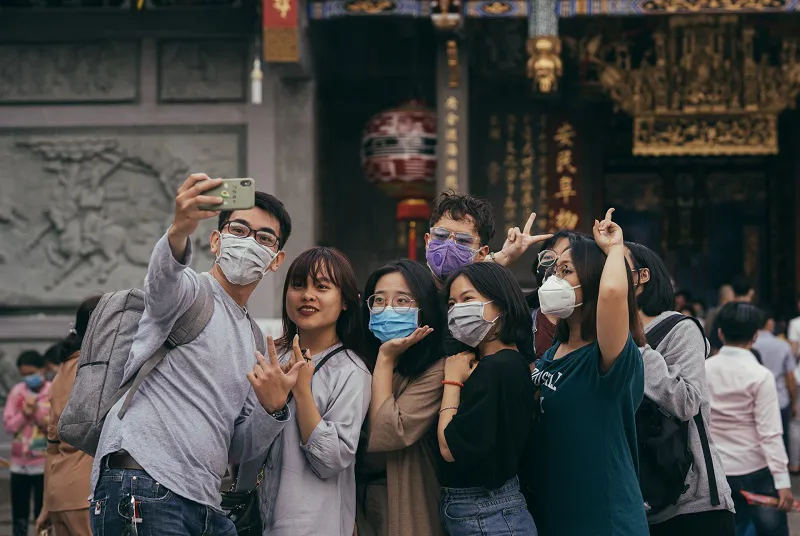
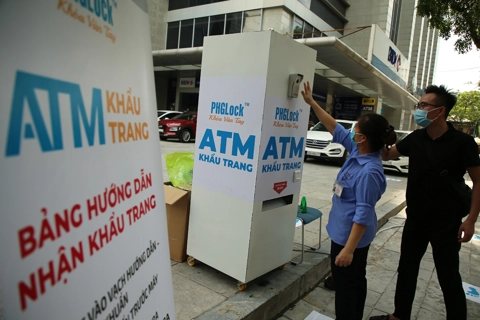
In Vietnam, people are wearing two main types of masks: cloth and surgical, of which the former is less effective but more economical and sustainable. To ensure adequate supply of surgical masks for healthcare workers, all types of face masks, including cloth masks, have been encouraged for use in the community.
Vietnam has encouraged domestic production, required licenses for their export and issued new standards for their design, according to Minh Cuong Duong, a physician, epidemiologist and associate lecturer at the School of Public Health and Community Medicine, the University of New South Wales, Sydney.
In the early stages of the pandemic, the World Health Organization (WHO) did not support mass masking but updated its guidelines on June 5 to encourage the practice in specific settings as part of a comprehensive control approach.
Cultural experience
.PNG)
Wearing masks in public has long been a common practice in Vietnam with the aim to protect oneself from ultraviolet light and pollution.
Vietnam’s approach is supported by increasing evidence of the effectiveness of masking in the community, Minh Cuong Duong said, adding that mounting affirmation of masks being more effective than hand hygiene alone, with both together providing the best protection.
Indeed, mass masking addresses what seems to be the most difficult source of infection to control, patients who are unaware they have the disease. Covid-19 can be transmitted during the approximately 14-day incubation period before symptoms develop, as well as by patients who develop no clear symptoms.
Vietnam’s policy also requires all inbound and outbound passengers and cabin crew to wear face masks during flights, as Covid-19 is easily transmitted in enclosed spaces such as aeroplanes.
Being a physical barrier, face masks can also remind the community not to touch their faces. This effect is particularly important once social distancing rules are lifted and people begin to feel that there is no more risk of acquiring Covid-19 in the community, the physician explained.
| Wearing masks in Vietnam is a cultural experience. Photo: Zing |
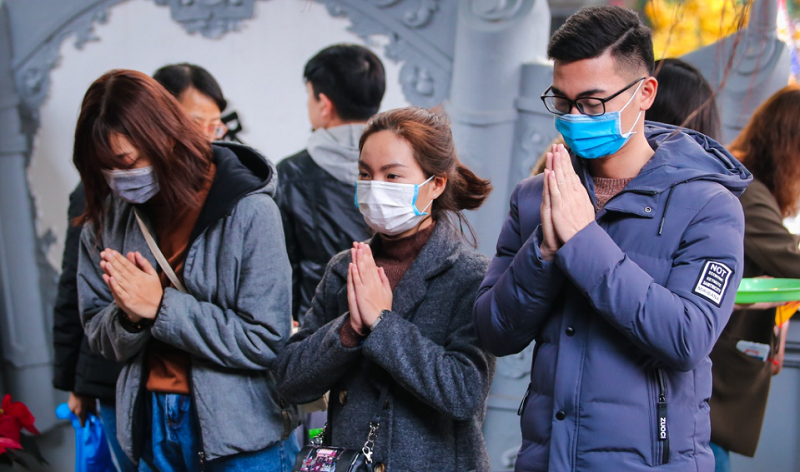
Cultural and personal experience can influence how receptive the community is to new ideas and practices, and the widespread acceptance of compulsory mass masking in Vietnam is grounded in the community’s prior experience with them, he argued.
Vietnamese people are used to wearing face masks to protect themselves from the environment and the pandemic is one more reason to do so. Currently, 91% of Vietnamese now wear face masks, Minh Cuong Duong concluded.
Vietnam has gone through 53 straight days without any locally-transmitted cases. At present, more than 13,700 people are being quarantined and monitored across the country.