More incentives urged to facilitate foreigners to buy houses in Vietnam
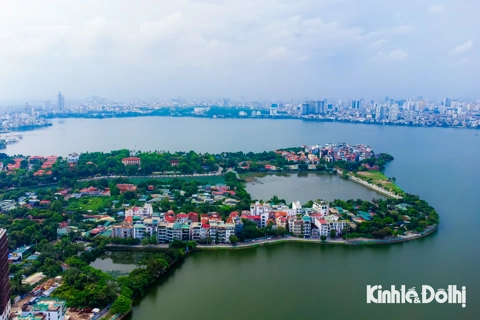
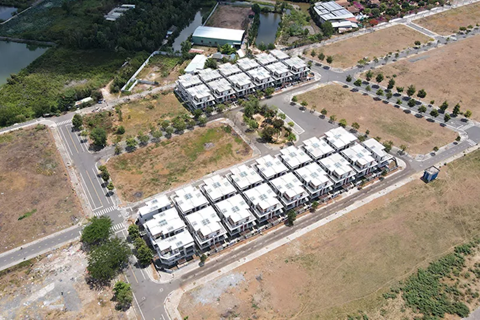
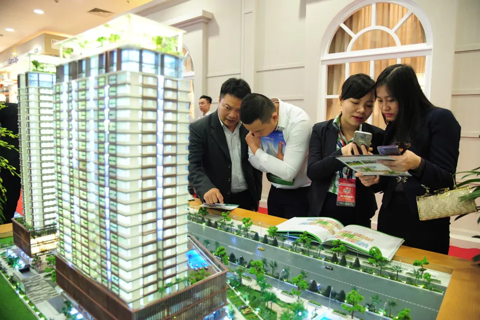
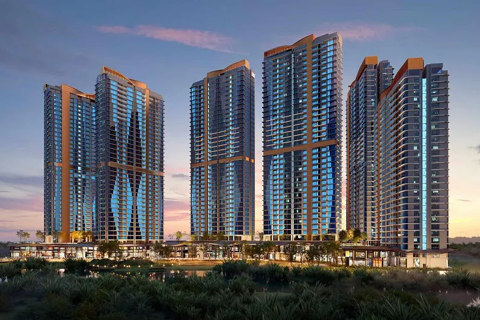
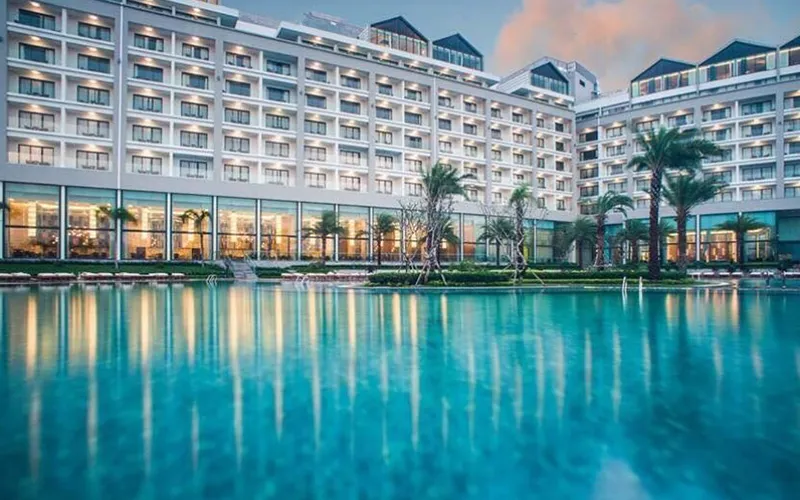
High-end and luxury apartment projects in Vietnam’s major cities such as Hanoi and Ho Chi Minh City have been indeed attractive to foreigners in recent years.
Though foreigners have been given the right to buy houses in Vietnam, the snail-paced enactment of available projects and shortages in updates on the number of units sold to the buyers are preventing them from owning property in the country.
| Vietnam’s high-end and luxury apartment projects attract foreigners. |
According to Fred Burke, head of Investment and Trade Working Group at Vietnam Business Forum, though Vietnam’s rules have already been issued that allow limited sales of certain types of condominiums and villas to foreign buyers, these rules have not been carried out in a timely manner, and as a result, there is confusion and risk in the market.
Under the current legal regulations, foreign ownership of condominiums in a residential building is capped at 30%, but municipal and provincial departments of construction have not yet introduced a system for registering and tracking the number of foreign-owned apartments in a given project.
In fact, more than four years from the day that foreigners were given the right to purchase property in Vietnam, only Hanoi, Ho Chi Minh City and the central city of Danang have so far issued lists of projects which can be bought by foreign buyers.
“This long delay is really worrying foreign individuals and organizations who are interested in buying houses in Vietnam. We hope that relevant authorities will work more actively and closely to resolve these issues in accordance with the instructions. This is the final step to finally affect foreigners’ right to buy houses in Vietnam,” Burke said.
Experts believed that resolving the issues by publishing the lists of projects where foreigners are not allowed to own houses will also help the local housing market develop more transparently and healthily.
Growing demand
High-end and luxury apartment projects in Vietnam’s major cities such as Hanoi and Ho Chi Minh City have been indeed attractive to foreigners in recent years.
According to Linson Lim, president of high-end residential projects developer Keppel Land Vietnam, since the relaxation of foreign home ownership took effect in 2015, he has seen more interest among foreign buyers, especially those from Singapore, Hong Kong, Taiwan, South Korea and mainland China. It is estimated that foreigners generally make up about 20-30% of Keppel Land’s home sales in each project.
Real estate consulting companies forecast that Vietnam's real estate market will continue to attract foreign investors because of its growth potential, especially investors from South Korea. A survey by KB Securities also showed that more than half of Korean won billionaires have expressed a desire to invest in real estate in Vietnam.
Nguyen Hoai An, director of CBRE Vietnam, said that she has seen a trend of Korean investors buying houses in Vietnam over the past 4-5 years and it is showing no sign of stopping.
Customers of CBRE Vietnam said they were interested in Vietnam's real estate market because the domestic economy was expected to see rapid growth in the coming years, An said, adding that housing prices in Vietnam are generally lower than in other countries. For example, the average price of high-end housing was about US$2,000 per square meter in Vietnam while the price of a similar product in South Korea is about US$15,000-20,000 per square meter.
Le Hoang Chau, chairman of the Ho Chi Minh City Real Estate Association, also believed that Vietnam has become the most attractive emerging economy in ASEAN, with robust economic growth over the past few years and many open policies, so the real estate market will remain an attractive investment channel for foreigners.