Provincial mergers expected to boost Vietnam's property sector
The plan to merge provinces and cities has heightened the property market sentiment, which is viewed as both good and risky for investors.
THE HANOI TIMES — Territorial restructuring is expected to become a new driver of Vietnam's socio-economic growth, including real estate.
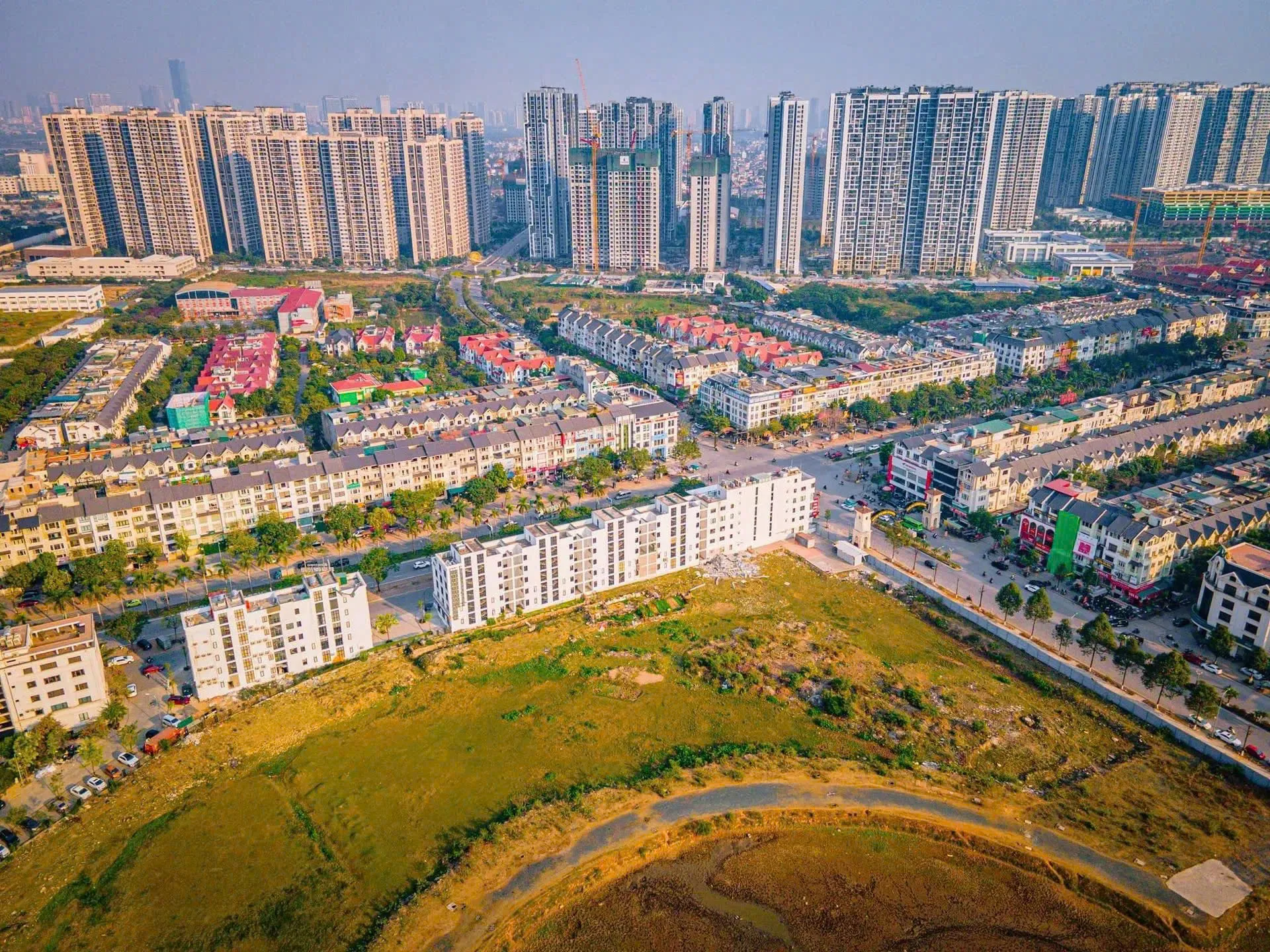
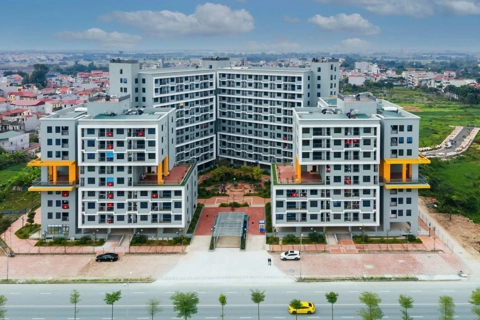
The move is expected to boost the real estate market, but warns against speculation remain. Photo: Tue Minh/The Hanoi Times
According to General Secretary of the Communist Party of Vietnam To Lam, merging subnational administrative units and abolishing district-level administration would create more space for Vietnam's long-term growth.
The benefits of such a move were demonstrated by the merger of Hanoi and Ha Tay Province in August 2008. In 2007, Hanoi's total budget revenue exceeded VND61 trillion (US$2.34 billion), and the average per capita income was around VND30 million (US$1,154).
After 17 years, by 2024, Hanoi's total revenue had increased eightfold to nearly VND512 trillion ($19.7 billion), and the average per capita income rose fivefold to about $6,500.
The expansion also gave Hanoi more land to develop urban areas and housing projects. Over 1,000 new real estate projects were approved, a huge jump from before the expansion.
The merger of sub-national administrative units will have a positive impact on the real estate market, said Nguyen Van Dinh, Chairman of the Vietnam Association of Realtors (VARS).
It would simplify procedures for new housing projects, increase supply, especially of affordable housing, and make housing prices more reasonable, he said.
Commenting on the merger, Anh Hung, Director of real estate firm A City, called the move a "golden opportunity" to reshape regional development, especially in real estate.
"Reducing the number of provinces from 63 to about 34 could help create new regional economic zones that link urban, industrial, service, and residential areas along modern infrastructure lines," he said.
With larger boundaries and a streamlined government system, legal barriers to planning and approvals can be reduced, making it easier for medium- and long-term real estate investment, Hung added.
According to Batdongsan.com.vn, real estate interest in March 2025 surged compared to February in areas similar in size and population. In Danang and its neighboring province of Quang Nam, interest increased by 39% and 96%, respectively. In Ninh Binh, it jumped 95%.
Other cities and provinces also saw significant increases in market interest, such as Hung Yen Province (up 36%) and Thai Binh Province (up 75%). Other areas with the potential to become "megacities" with seaports, airports, and financial centers also witnessed rising market expectations, such as Ho Chi Minh City (up 13%), Binh Duong Province (up 49%), and Ba Ria-Vung Tau Province (up 42%).
In the southernmost province of Kien Giang, the news of a possible merger with neighboring An Giang Province also spurred real estate activity as people and businesses from An Giang sought housing options.
Warnings against speculation and hype
However, experts caution against blindly following these trends. Vietnam had agreed on the general direction of provincial mergers, while detailed plans are still being discussed. However, data from Batdongsan.com.vn shows that land prices have already risen in many areas.
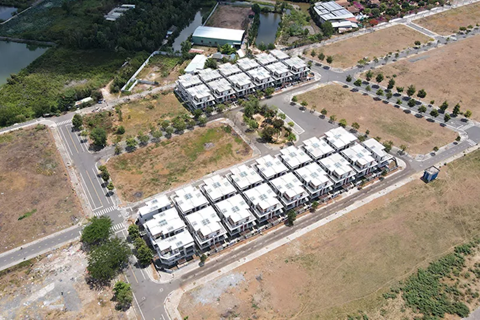
In the northern province of Hung Yen, at a land auction in Khoai Chau District's Dan Tien Commune in early March 2025, starting prices were set at VND25-VND48 million/m² ($962-$1,846/m²), but successful bids reached VND158 million/m² ($6,077).
In Kim Dong District's Chinh Nghia Commune, land prices have jumped 5-6 times compared to mid-2024.
Dinh Minh Tuan, Deputy Director of Batdongsan.com.vn, said real estate prices in some areas to be merged have already climbed more than 30%, reaching a level similar to the 2021-2022 land fever.
This reflects optimism but also speculation based on expected changes in planning and infrastructure, he said.
Meanwhile, Tran Xuan Luong, Deputy Director of the Institute for Real Estate Market Research, said some investor groups are spreading rumors and making internal transactions to create a land frenzy, driving up prices far above their true value.
"This could lead to big risks for less experienced investors who follow the crowd," he said.
He urged investors and the public not to follow the current "land fever" and called on authorities to take stronger measures to stop market manipulation.
Luong also suggested tighter control or a temporary halt to land subdivision, parceling, or change of land use in areas showing signs of speculation and price hikes.
"That's why they are rushing to buy land, hoping that infrastructure and economic growth will follow and drive up prices."
Merging provinces could spur new development in cities, residential areas, shopping malls, industrial zones, and office space, he said.
However, he warned that there are both opportunities and risks.
"Investors should closely follow local government decisions on planning, infrastructure, and policy to make smart decisions," he said.