New treasures unveiled from Thang Long Imperial Citadel
Three recently declared national treasures at the Thang Long Imperial Citadel are of great historical significance and demonstrate the depth and diversity of Vietnamese culture.
The Vietnamese Prime Minister declared 33 artifacts and collections of artifacts as national treasures in 2024, including three from the UNESCO-recognized Thang Long Imperial Citadel in Hanoi.
Three national treasures at the heritage site are phoenix heads from the Ly Dynasty, an imperial vase, and Truong Lac ceramics from the Initial Le Dynasty.
Sophisticated collection of Ly Dynasty phoenix heads
| The Ly Dynasty Phoenix Heads are original, unique artifacts. Photo courtesy of Thang Long Imperial Citadel |
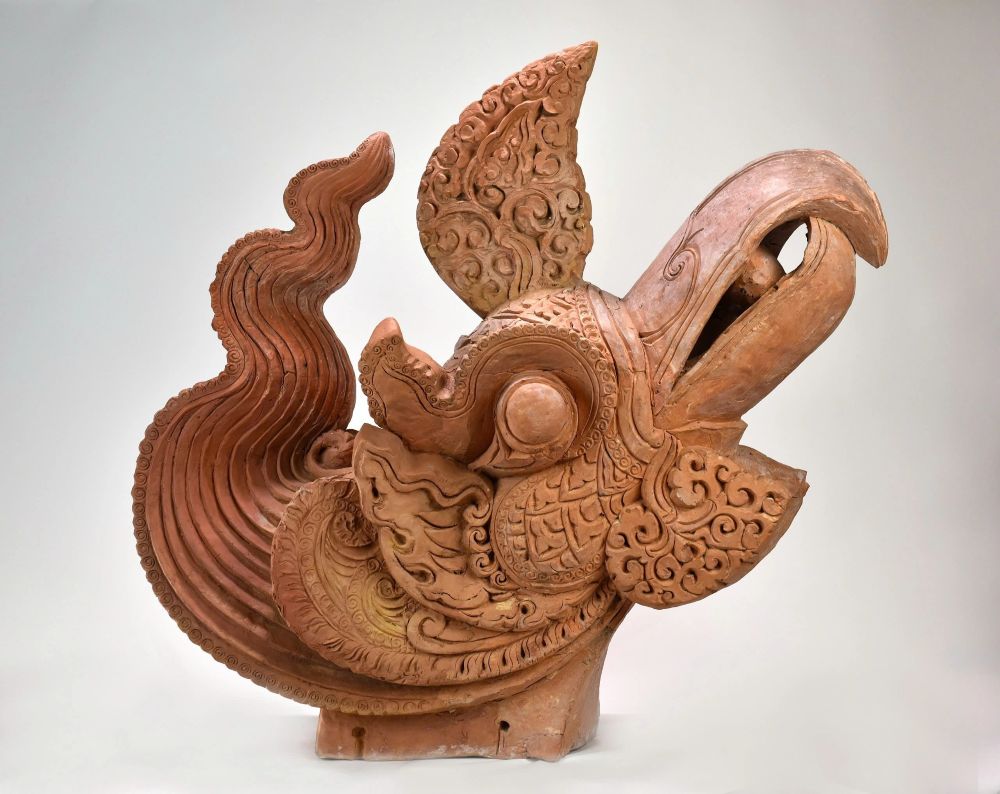
The Ly Dynasty Phoenix Head Collection contains five terracotta artifacts dating back to the 11th or 12th century. The terracotta was carefully aged and worked before being used in the sculptures.
The sculptures of different sizes show the complexity of the plastic arts under the Ly Dynasty. All the patterns were carved by hand.
These are typical and unique artifacts unearthed at the 18 Hoang Dieu archaeological site in the central sector of the Thang Long Imperial Citadel. All were found in the stable stratum associated with the Ly and Tran dynasties, undisturbed by later periods.
The phoenix heads vividly depict vigorous movement. Each has a wavy mane with multiple forward bends, a long beak, plump cheeks, and crests shaped like a bodhi leaf tilted forward.
In particular, details such as large round eyes, eyebrows drawn backward, and large wavy ears are all elaborately crafted, demonstrating the high level of craftsmanship at the time.
Unearthed alongside other artifacts, the collection provides an important piece of evidence that helped researchers identify the roofs in the architecture of the Ly and Tran dynasties.
Therefore, these phoenix heads are original artifacts and valuable materials for studying the architecture and sculpture of the 11th and 12th centuries of the Ly Dynasty.
Fifteenth-century imperial vase
| The 15th-century imperial vase from the Initial Le dynasty is recently declared a national treasure. |
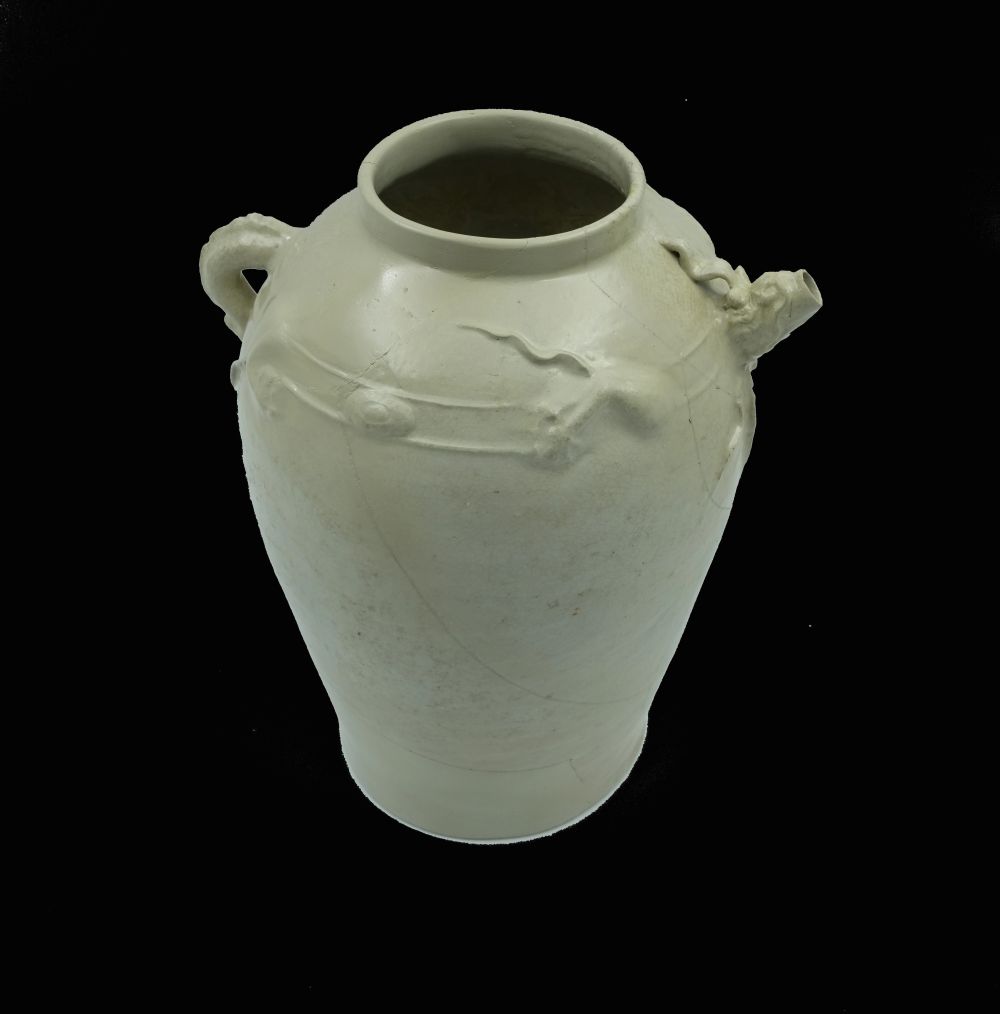
The second treasure, a fifteenth-century Initial Le Dynasty imperial vase, is a unique work consisting of a base, body, shoulder, mouth, spout, and handle. According to the representative of the Thang Long Imperial Citadel, its height and design suggest that the vase originally came with a lid, which unfortunately remains unfound.
The highlight of the artifact is the shape of a hidden dragon: the spout is the head in a raised position, with an embossed mane and horns. The handle represents part of the dragon's body, with raised fins and two legs sculpted on either side of the vase's shoulders.
The legs show a posture of energetic kicking backward, with firm muscles pushing the body forward, making it appear both graceful and robust.
In addition, between the two legs on either side of the vase's shoulders is an embossed flower with a large pistil and small petals that resemble a pearl.
The production technique reflects the excellent ceramic craftsmanship of the Initial Le Dynasty, from the manual shaping of the clay on the potter's wheel to the separate production and assembly of the pieces to the special high-temperature firing techniques in separate kiln shelves.
| Ceramics excavation site at Thang Long Imperial Citadel. |
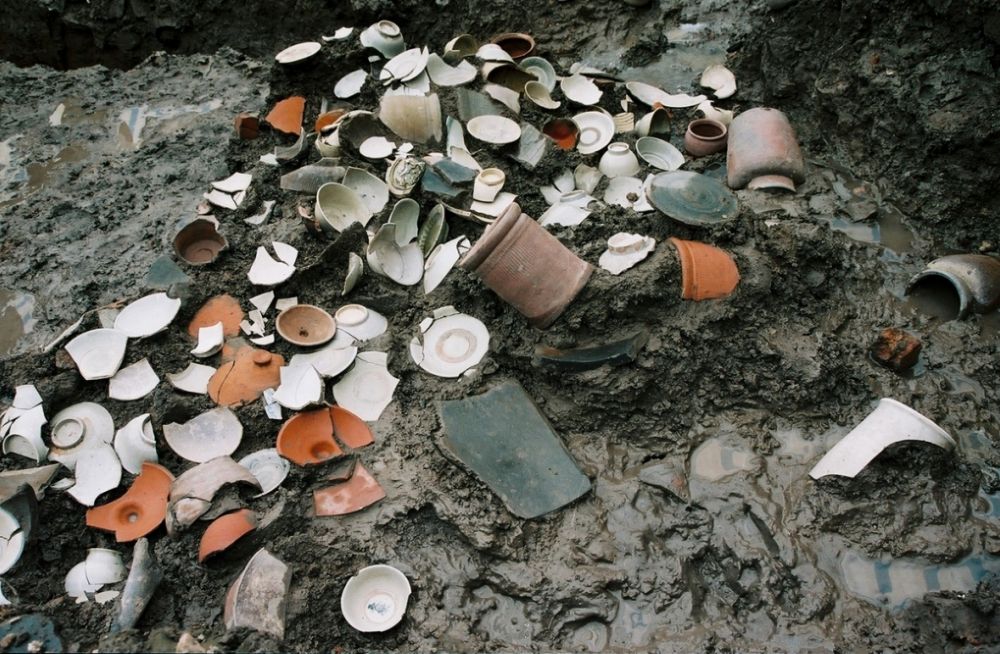
The imperial vase was also unearthed in excavation pits at the 18 Hoang Dieu Archaeological Site in the Central Sector of Thang Long Imperial Citadel, particularly in the layers associated with the Ly, Tran, and Le Dynasties.
This discovery provides important evidence of the high level of development of Dai Viet ceramic production in the Initial Le Dynasty.
According to scholars, the imperial vase could be a kind of wine jug used for large banquets with numerous guests. It helps us imagine the rich cultural life of the royal court at that time.
Along with other artifacts, it provides information for studies of the cuisine and rituals of the royal court of the time, as well as art and ceramic techniques.
Thus, it contributes to the overall understanding of royal court life and culture under the Le dynasty in particular and Dai Viet monarchies in general.
Truong Lac ceramic collection
| An artifact from the Truong Lac ceramic collection found in the Thang Long Imperial Citadel, Hanoi. |
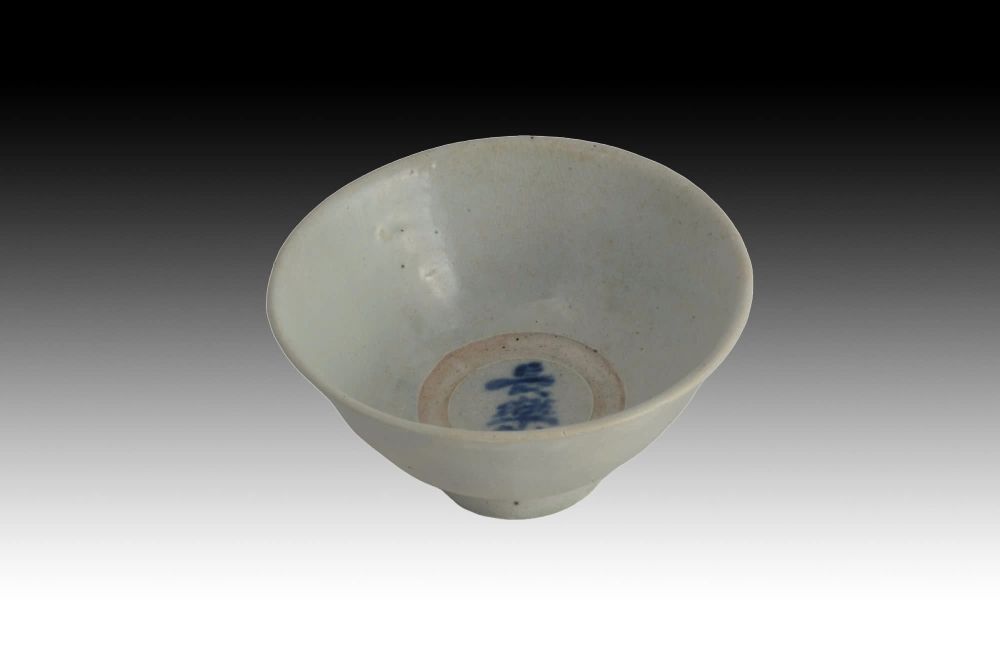
The third new treasure is the Truong Lac ceramic collection, which dates from the 15th or 16th century and includes 36 cups, bowls, and plates. These artifacts were made entirely by hand.
According to the Thang Long - Hanoi Heritage Conservation Center, the collection has special historical and cultural values. It can be affirmed that the items were used by Truong Lac (Lasting Joy) Palace, one of the grandest palaces of the Thang Long Royal Court in the Initial Le Dynasty.
These relics are crucial resources for the study, research, and clarification of the functions and history of the royal palaces during this period, as well as the construction and operation of the Thang Long Imperial Citadel, the huge historical gaps of Thang Long that need to be filled.