UNESCO proclaims Vietnam's new intangible heritage
Vietnam’s cultural tapestry became more vibrant as the Ba Chua Xu (Lady of the Realm Goddess) Festival in An Giang Province was officially inscribed on UNESCO’s list of Intangible Cultural Heritage of Humanity.
THE HANOI TIMES — The UNESCO inscription celebrates the enduring cultural significance of the Ba Chua Xu festival and its role in preserving the unique traditions of Vietnam.
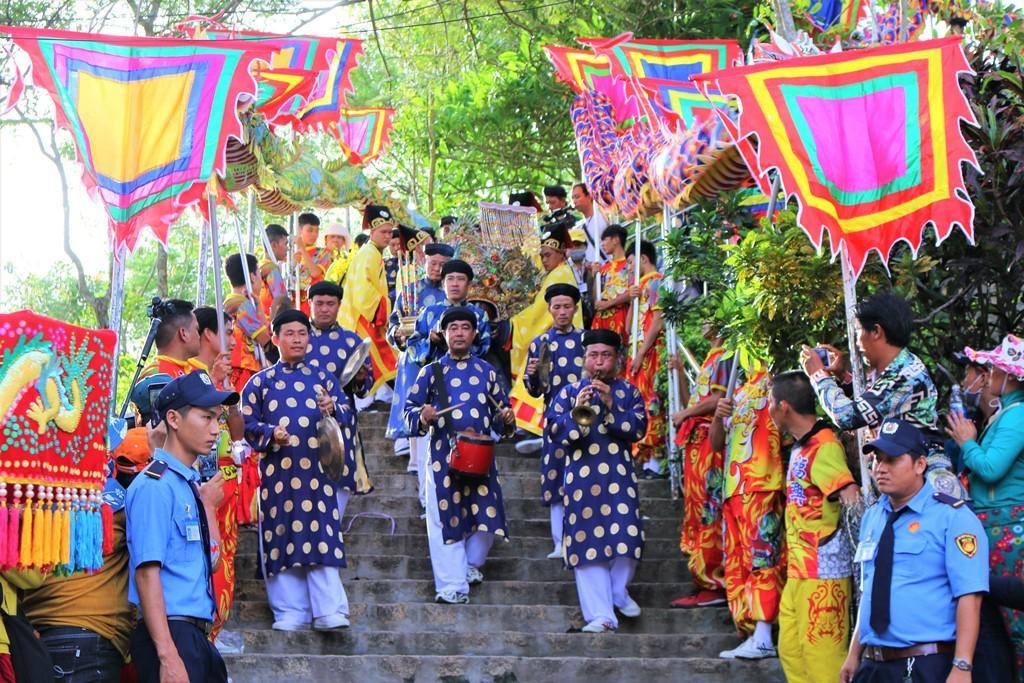
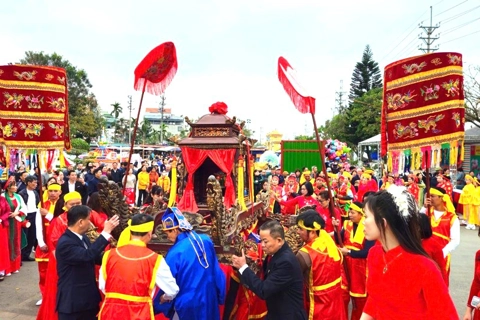
The vibrant Ba Chua Xu or Lady of the Realm Goddess Festival on Mountain Sam in An Giang Province. Photo: Thai Tinh
Jonathan Baker, UNESCO Representative in Vietnam, summed up the essence of intangible cultural heritage by highlighting how it is the lifeblood of communities, passed down through generations.
"These rituals, festivals, performing arts, and social practices embody the collective spirit and creativity of their communities, evolving and adapting to remain relevant in a dynamic world," he said.
The Ba Chua Xu Festival at Mount Sam thus joins a distinguished list of cultural treasures that showcase the diversity and vitality of humanity's cultural expressions.
Deputy Prime Minister Mai Van Chinh underlined the significance of the UNESCO inscription, stressing that it enriches Vietnam's cultural heritage and enhances the country's standing on the global cultural stage.
“For over 200 years, the worship of the Lady of the Realm Goddess has been a spiritual anchor in Vietnam,” he said. "This designation is a testament to the dedication of generations who have worked tirelessly to preserve and promote the cultural and spiritual values of the festival."
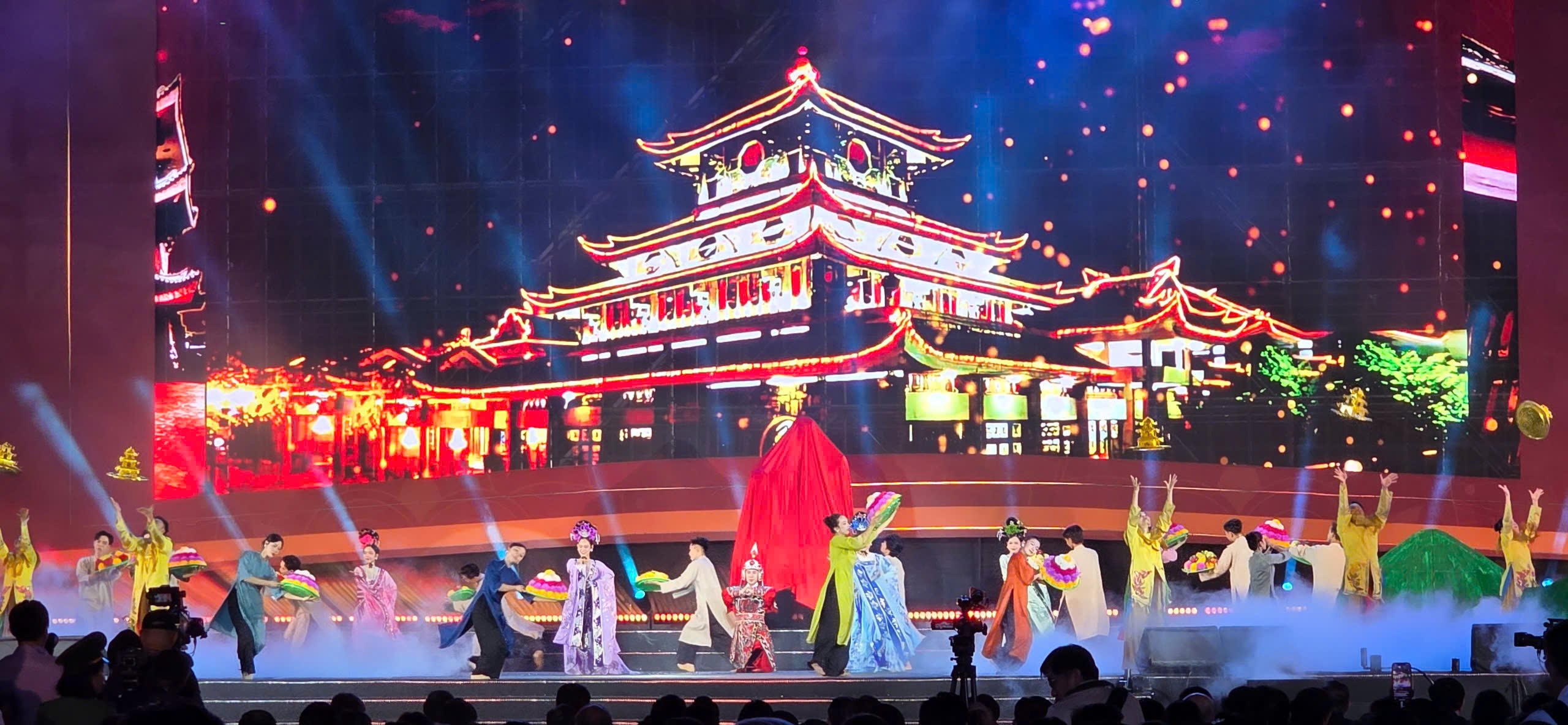
The Ba Chua Xu Festival is awarded the title of Intangible Cultural Heritage of Humanity by UNESCO. Photo: VGP
The Ba Chua Xu Festival is a cherished tradition celebrated annually in the southern province of An Giang from the 23rd to the 27th of the fourth month of the lunar calendar, at the Ba Chua Xu Temple and the Sacred Stone Altar on Mount Sam.
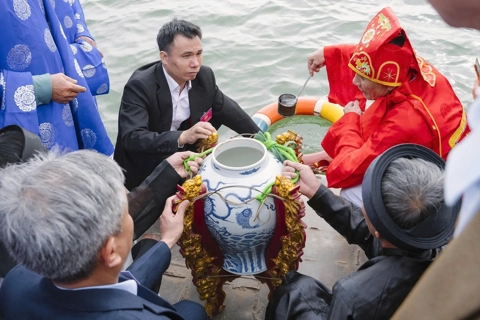
It is a vibrant display of local rituals, including the ceremonial bathing of the Ba Chua Xu statue and the preparation of elaborate offerings. These sacred practices reflect the deep cultural identity of the southwestern region, fostering cultural exchange and reinforcing the strong community ties among An Giang's diverse ethnic groups, including Khmer, Chinese, and Cham.
A major destination for spiritual pilgrims and cultural enthusiasts alike, An Giang Province attracts over eight million visitors annually, with more than five million traveling to Chau Doc City alone. The city is a gateway to iconic cultural landmarks such as Ba Chua Xu Temple on Mountain Sam, Thoai Ngoc Hau Tomb Complex, Hang Pagoda, and Tay An Pagoda, making it a must-visit destination for those seeking to immerse themselves in Vietnam's rich cultural heritage.
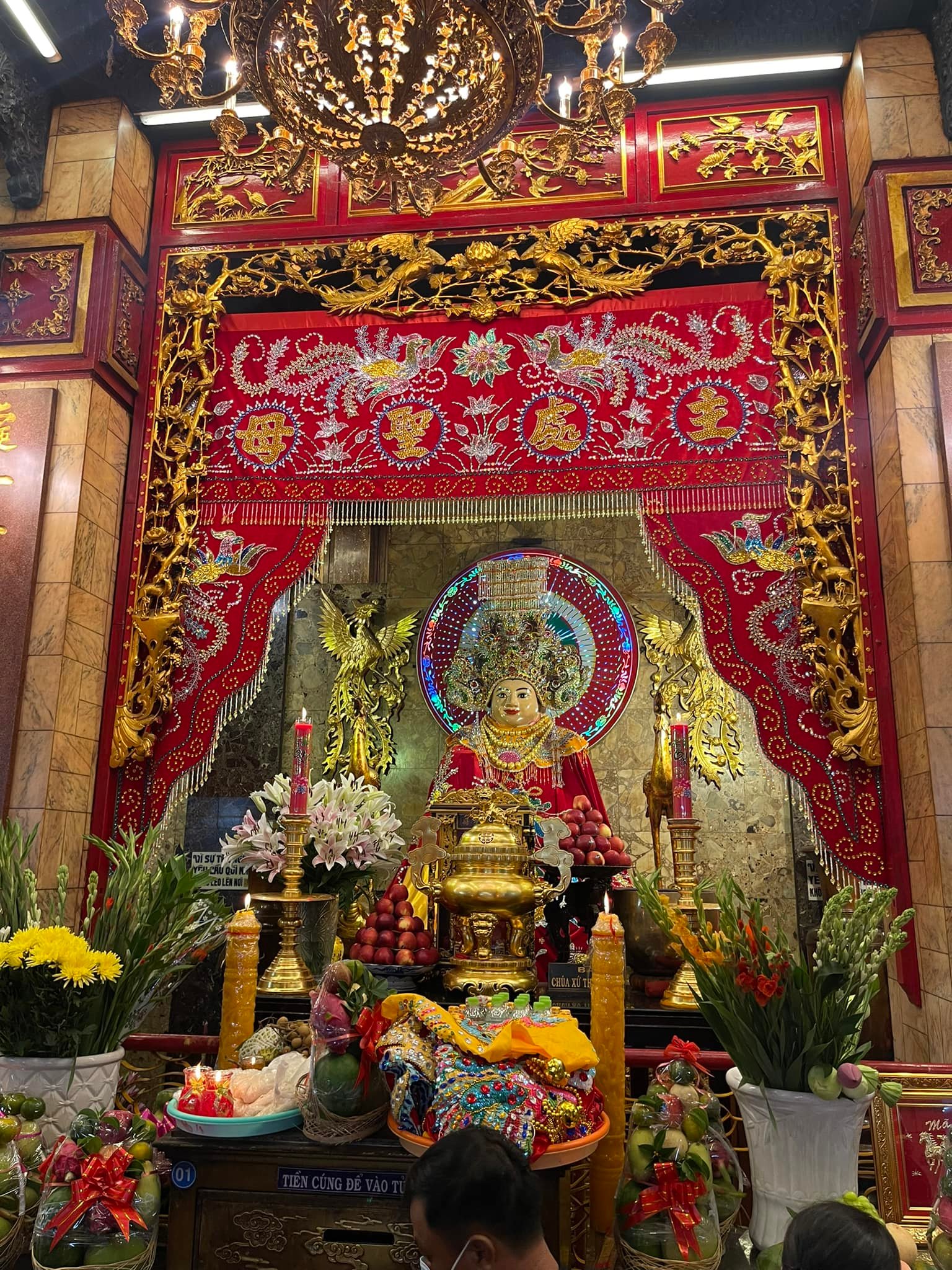
Interior of Ba Chua Xu Temple, Chau Doc City, An Giang Province. Photo: Thai Tinh
Ba Chua Xu Temple, set at the foot of Mount Sam in Chau Doc City, An Giang Province, is a stunning architectural landmark. The 284-meter-high mountain is a renowned spiritual site where locals discovered the sacred statue of Ba Chua Xu (Lady of the Realm), a protective goddess believed to bring good fortune, health, and prosperity. The sculpture, carved in red stone in the 6th century AD, is believed to represent Vishnu, one of the main deities of Hinduism.
The statue was placed in its current location after nine virgin girls carrying it in a procession couldn't hold it any longer due to its weight and had to stop. The people interpreted this as Ba Chua Xu choosing this place as her residence.
Originally a bamboo and leaf structure, the temple was rebuilt in 1870 and again in 1972 in an elegant Eastern architectural style, with a jade-green tiled roof and intricately carved wooden doors. Its main hall houses the more than three-foot-tall statue of Ba Chua Xu.