Hanoi in winter through its flavors and calm streets
Hanoi in Autumn unfolds through its rich culinary landscape, from iconic pho shops to West Lake’s shrimp cakes and the bustling street food of the Old Quarter. Blending flavors, culture and local stories, the city offers visitors a sensory journey where food becomes a gateway to its heritage and timeless charm.
THE HANOI TIMES — As the first monsoon winds sweep through the streets, Hanoi seems to exhale, transforming into a gently chilled city unlike anywhere else. In this soft, honeyed cold of early winter, people find a special joy with drifting along familiar streets, pausing at modest curbside stalls to savor simple snacks that carry the warmth of the city itself.
For travelers who come to discover rather than merely observe the capital, admiration alone is never enough. Beyond timeworn architecture and lakes that glimmer under a pale sky, you long to taste each flavor and sense how food quietly weaves itself into the rhythms of daily life in Hanoi.
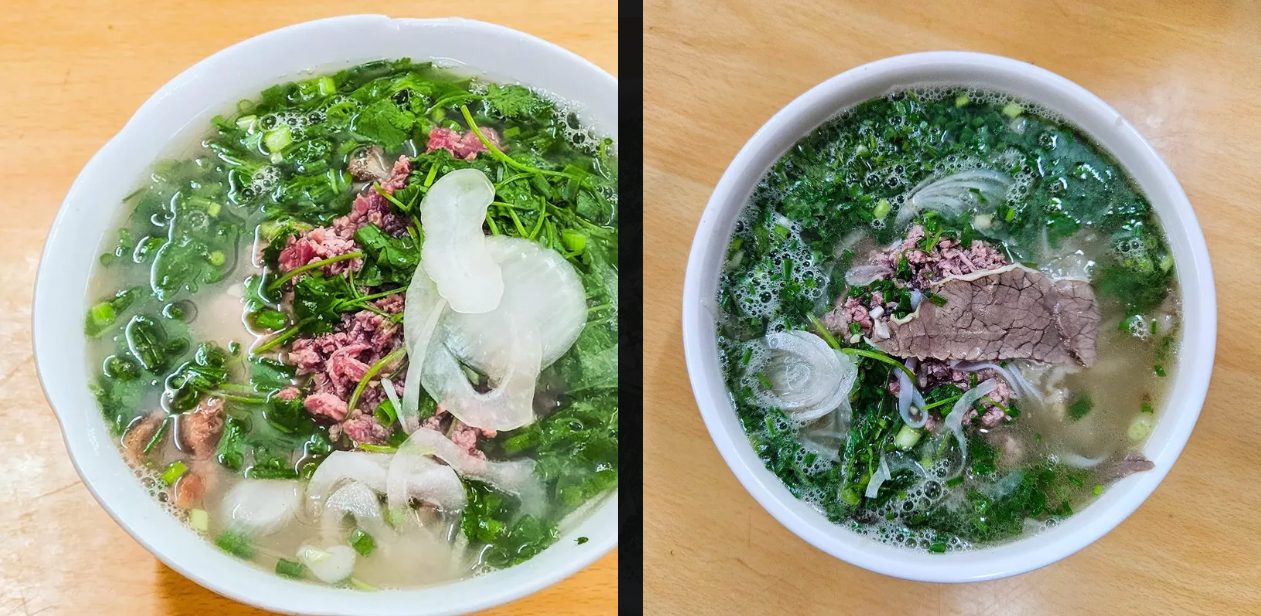
Two kinds of pho (noodle soup) served at pho shop 34 Au Trieu Street. Photo: Michelin Guide
One gentle morning, I began my journey on Au Trieu Street, where pho shops beside the Cathedral welcome visitors with the comforting scent of rich broth.
A bowl at Pho Tu Lun, recognized by the Michelin Bib Gourmand, is an essential stop. Thin slices of beef are arranged with care, and the boiling broth is poured directly over the meat, preserving its sweetness and tenderness along with a family recipe passed through four generations.
Nearby, pho restaurants at 49 Bat Dan, 10 Ly Quoc Su and Pho Ga Cham at 68 Yen Ninh each offer their own appeal, turning every bowl into a cultural tale of Hanoi told through flavor.
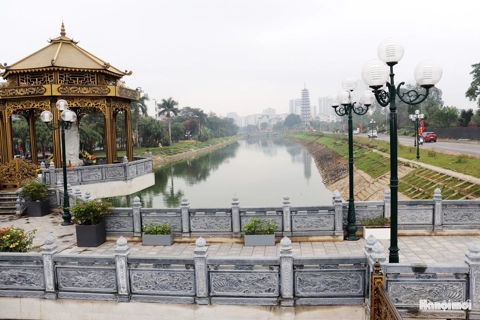
Continuing the journey, the West Lake unfolds a completely different scene where water, sky and traditional architecture blend in harmony.
I rented a bicycle, circled the lake, breathed in the late-season lotus scent and let the cool breeze settle my thoughts.
At Tay Ho Palace, Tran Quoc Pagoda and Quan Thanh Temple, visitors take in the tranquil scenery and the peaceful rhythm of local life.
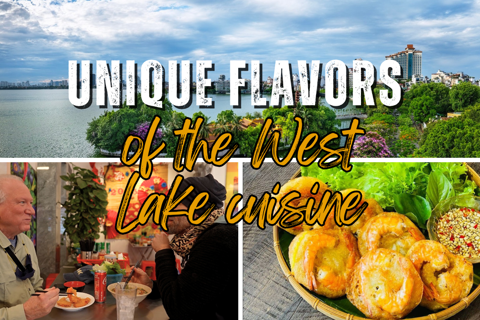
And, of course, the visit would not be complete without the West Lake’s signature bites: shrimp cakes and snail noodles.
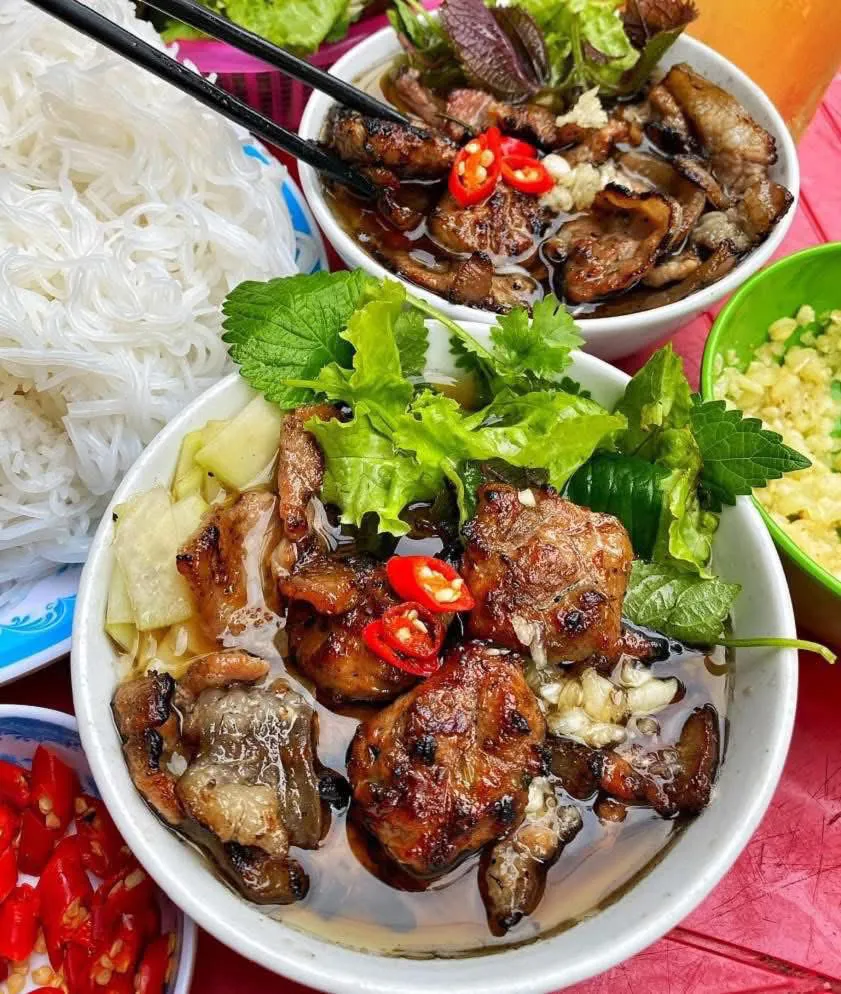
Bun cha (vermicelli with grilled pork) is a popular street food downtown Hanoi. Photo: Ngoc Huong
The golden, crispy shrimp cakes, filled with fresh, sweet shrimp, pair perfectly with herbs and sweet-and-sour fish sauce, creating a dish that is both fragrant and lively.
West Lake snail noodles look simple at first glance, yet the broth, made from pork bones, snail stock and a quiet “secret” of each family kitchen, creates a flavor that visitors remember long after they leave.
Sitting by the lake, enjoying a shrimp cake or a warm bowl of snail noodles, I could truly feel the poetry of West Lake: cool wind, peaceful water and a sense of calm that rests deep in the soul.
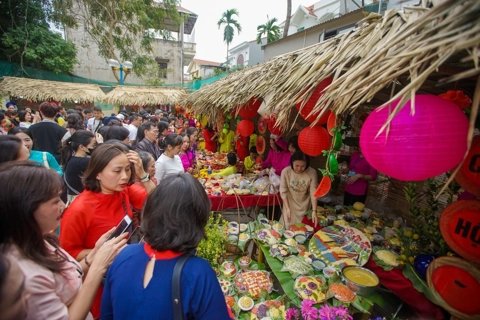
The Old Quarter is where Hanoi’s street food thrives. From Tong Duy Tan and Ta Hien streets to the Dong Xuan Night Market, every step reveals a new flavor.
From xoi (sticky rice), banh mi (stuffed baguette), bun cha (vermicelli with grilled pork), sweet soup, each dish carries its own history and reflects the city’s thousand-year culinary culture.
Visitors can pause at a small stall, listen to the sound of sizzling pans, breathe in the rising aroma and feel the slow yet vibrant pace of everyday life in Hanoi.
Yet what lingers the most is not only the diversity of dishes but also the people behind them. Many vendors have stood in the same spot for decades, carrying with them stories of old Hanoi.
A xoi seller near Dong Xuan Market told me she has sold sticky rice from the same bamboo baskets for more than 40 years through rationing, renovation and now the wave of tourism that shapes the Old Quarter.
“The taste must stay the same,” she said with a warm smile, “so people who return after many years still feel Hanoi.”
Her simple, heartfelt words capture the spirit of the city’s cuisine: humble in appearance, yet rich and enduring in soul.
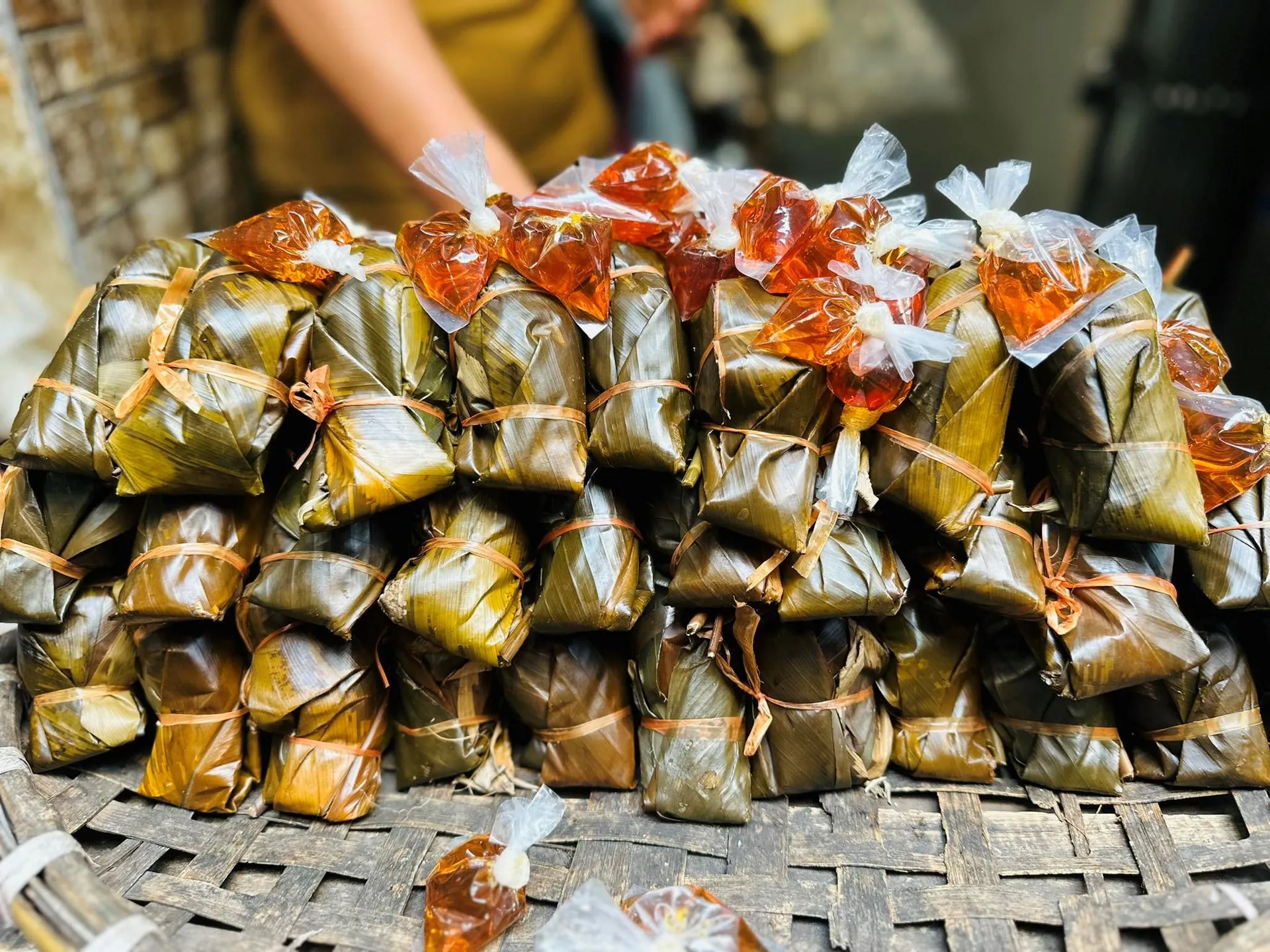
Banh tro, or banh gio, is made of sticky rice and soaked in ash water (the ash comes from burning a number of leaves such as dried sesame or rice straw and is put in water). It's served with sugarcane syrup. Photo: Hoang Quyen
As night falls, Ta Hien Street glows with the warm light of beer stalls and the lively chatter of locals and travelers sitting side by side.
The aroma of grilled squid, stir-fried corn and honey-glazed chicken wings fills the air, mixing with the clink of glasses. The street is youthful and full of energy, yet beneath it lies the charm of an old town that balances tradition with modern life.
More than food, Hanoi’s cuisine becomes a cultural bridge that paves a way for visitors to connect deeply with the city.
With each taste, travelers feel the meeting point between past and present, heritage and creativity. A bowl of pho, a shrimp cake or a bowl of snail noodles all carry their own stories, shaping unforgettable memories on every journey.
Hanoi in winter, through its flavors and scenery, is not only a place to admire but also a place to feel, savor and treasure the most delicate moments.
Every step through the Old Quarter and every breath along the West Lake come alive when blended with the flavors of the capital, giving every traveler a taste that they hope to carry home, to remember and to tell again on their next adventure.