14TH NATIONAL CONGRESS OF THE COMMUNIST PARTY OF VIETNAM
Log in
Life

On exhibition 19th century Hanoi Citadel documents

The exhibition will last until the end of December. 

As many as 70 copies of maps, documents, and photos of Hanoi Citadel between the years of 1802 and 1945 are being showcased at Thang Long – Hanoi Heritage Conservation Center. 

The exhibition, named “Hanoi Citadel – a Mark of Time” and jointly held by the Thang Long – Hanoi Heritage Conservation Center and the National Archive I, is among a series of activities to celebrate the 15th anniversary of Vietnam Heritage Day (November 23). 

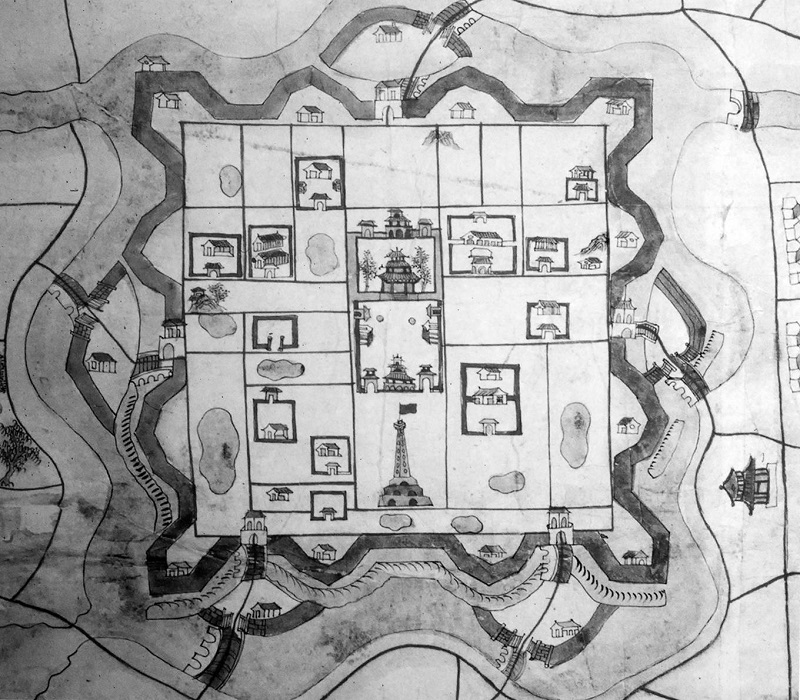
Hanoi Citadel was built by the Nguyen dynasty on the foundation of the demolished Le dynasty’s citadel to the style of Vauban fortifications in France. Although ceasing to be the prime military stronghold, under the Nguyen Dynasty, Hanoi still retained its role as an important political and economic hub. Kinh Thien Palace (at the center of the map above) was the royal accommodation for the Nguyen kings when they toured the North.

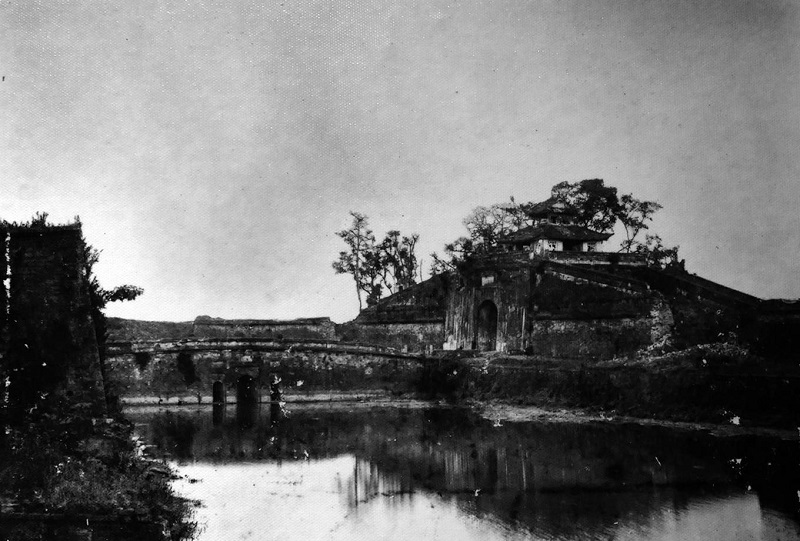
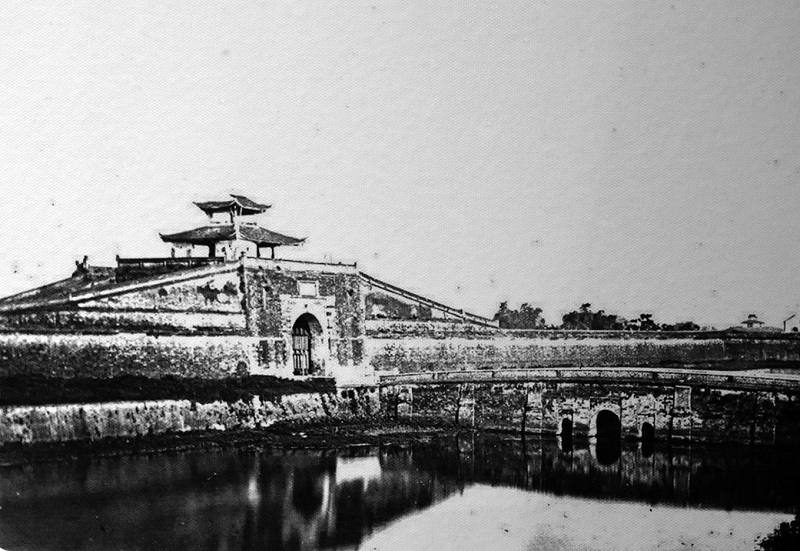
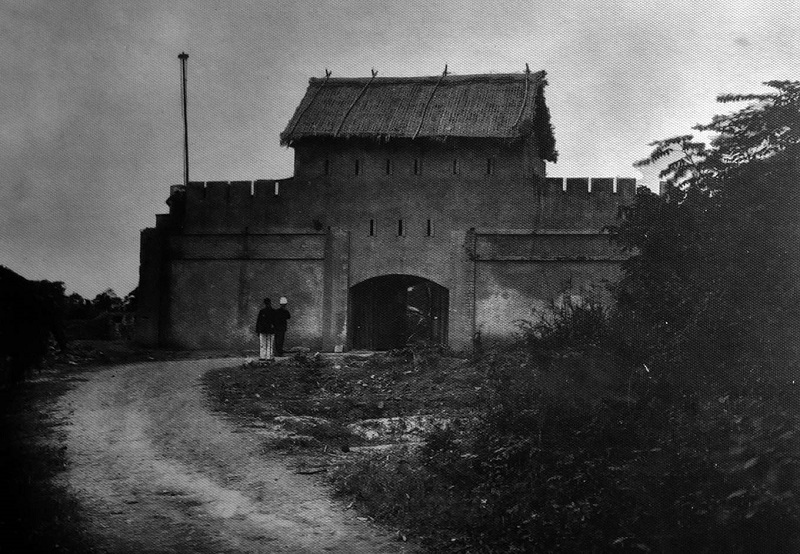
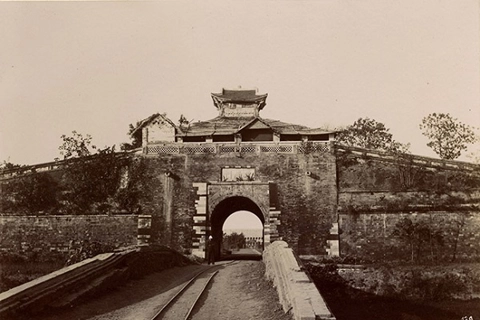
 Outside of the Northern Gate of Hanoi Citadel at the end of the 19th century. 

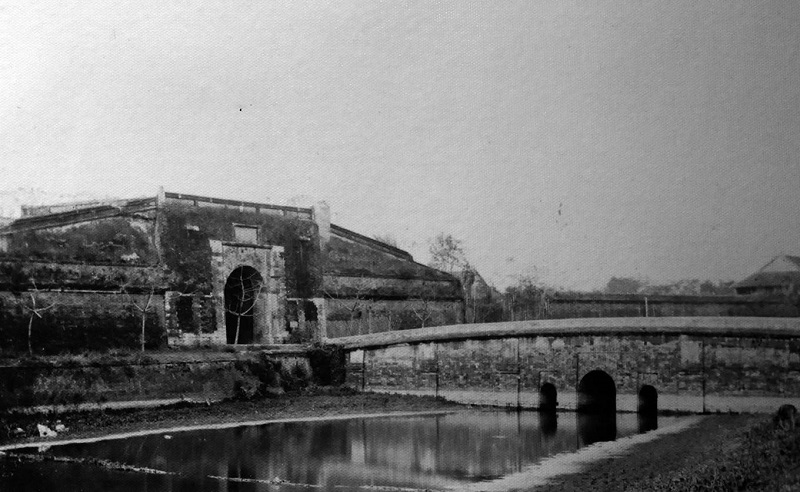
 The view from outside of the Eastern Gate of the citadel between 1889 and 1891.

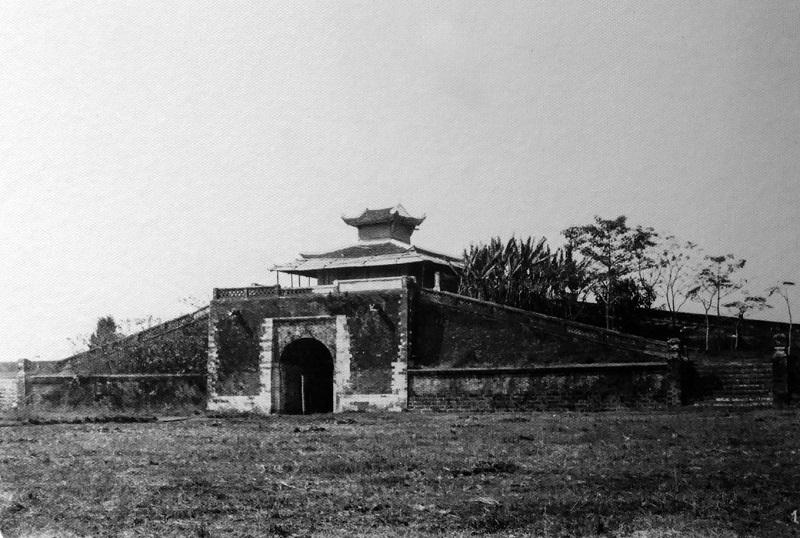
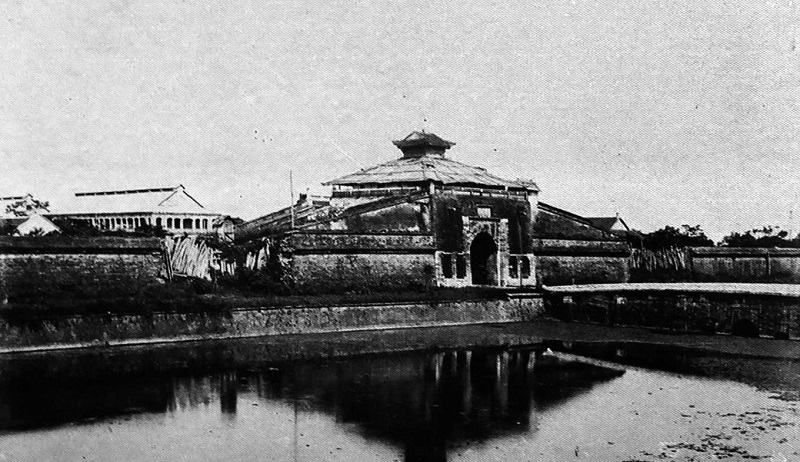
 The view of the Southeastern Gate in the period of 1888-1891. 

 The Western Gate in the year 1870. 

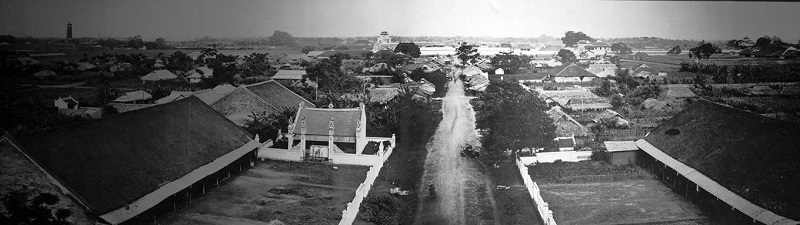
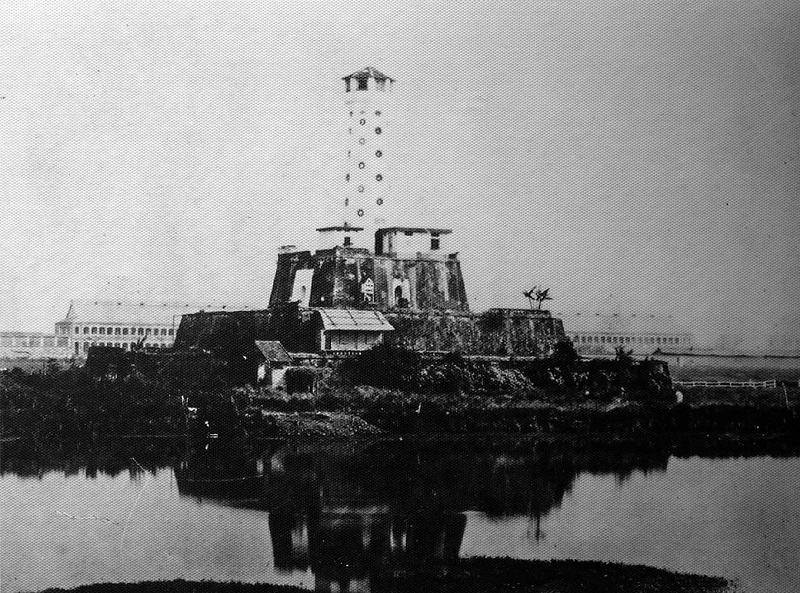
 Overview of Hanoi Citadel from the Eastern Gate in 1873. 

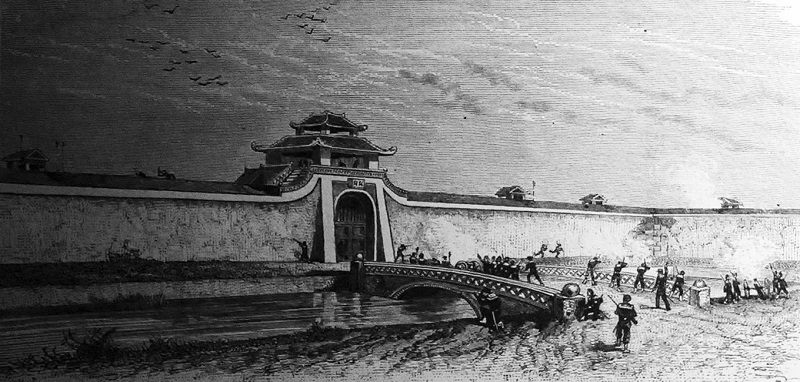
The French army attacked the Southeastern Gate of Hanoi Citadel on November 20, 1873. The citadel was under siege and raid by the French once again in 1882. In the years of 1883-1897, under the influence of the French rule, the architecture and function of the citadel had changed. Besides some old constructions, the French army also built more fortifications and barracks, making the citadel a military headquarters.

 Doan Mon or the Main Gate was reconstructed to be French colonialists’ residence. 

 Ky Dai or the Flag Tower became the watchtower of the French army at the end of the 19th century.  

 More fortification inside the citadel.

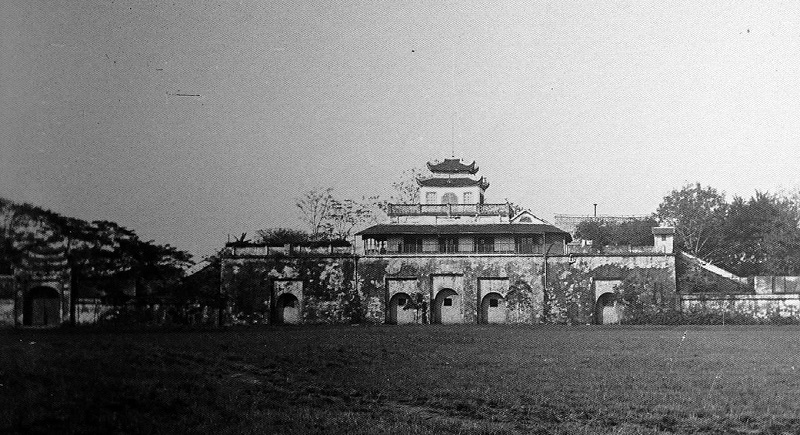
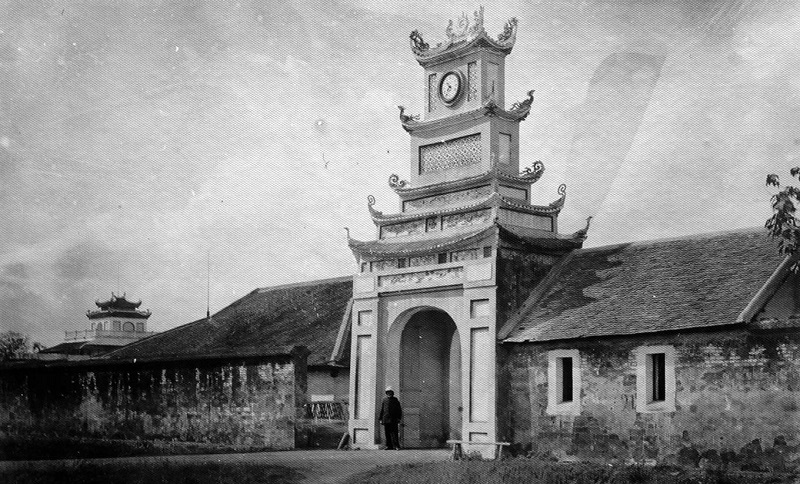
Chinh Duong tower, which was the eastern gate to Long Thien palace, became the entrance to the French army artillery headquarters from 1888 to 1891.

At the Eastern gate, large holes were dug in the wall in 1882; the infantry barracks in the back.

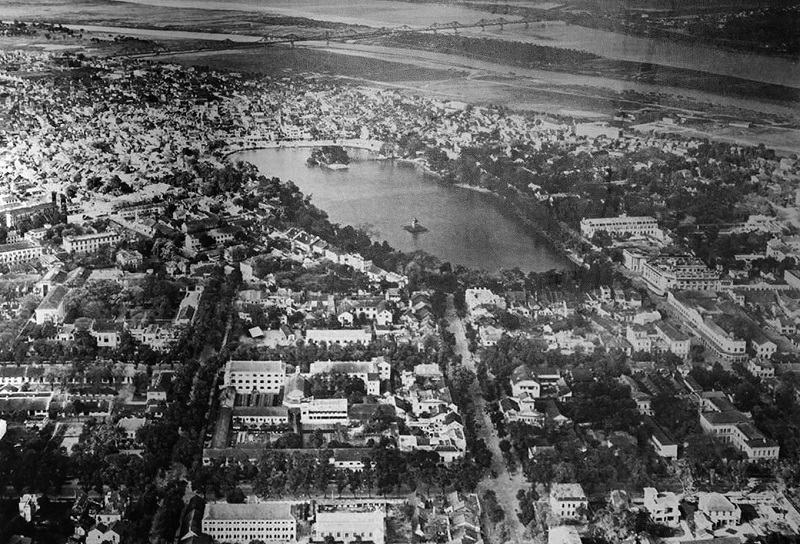
Hanoi from the aerial view at the beginning of the 20th century. In the early years of the 20th century, Hanoi was continuously planned and expanded to become the capital of the Union of Indochina.

The exhibition will last until the end of December. 

Documentary images/VnExpress

Reactions:
Share:
Trending
Most Viewed
Related news
Vietnam-themed short documentary festival opens doors to international entries 

Vietnam-themed short documentary festival opens doors to international entries 

The festival targets filmmakers under 30, including students and young creatives exploring documentary filmmaking.

Northern ethnic heritage shines in Hanoi Lunar New Year showcase

Northern ethnic heritage shines in Hanoi Lunar New Year showcase

An early Lunar New Year showcase for international and domestic visitors highlights the traditions of northern ethnic communities, reflecting broader efforts to preserve and promote intangible cultural heritage.

Vietnam screens revolutionary classics ahead of Communist Party Congress

Vietnam screens revolutionary classics ahead of Communist Party Congress

Hanoi will host a four-day showcase of landmark Vietnamese films this month, using cinema to revisit the country’s revolutionary past as the Communist Party prepares for its 14th National Congress.

Student brings musical theater closer to young audiences in Hanoi

Student brings musical theater closer to young audiences in Hanoi

Musical theater may still sit at the margins of Vietnam’s cultural life but on a student-built stage in Hanoi, young performers are quietly closing that gap and inviting the public into the world of song, movement and storytelling.

“New Vision - New Era”: Art program to mark 14th Party Congress

“New Vision - New Era”: Art program to mark 14th Party Congress

Designed as both a cultural celebration and a moment of reflection, the art program aims to capture Vietnam’s journey through reform and renewal, using performance to evoke the country’s past, present and ambitions for the future.

Van Phuc Silk Village charts new path as sustainable tourism hub

Van Phuc Silk Village charts new path as sustainable tourism hub

One of Hanoi’s most renowned traditional craft hubs is set for comprehensive replanning to preserve its cultural heritage while positioning it as a model for sustainable tourism development.

Hanoi in red: A capital prepares for Vietnam’s next chapter

Hanoi in red: A capital prepares for Vietnam’s next chapter

Ahead of the 14th National Party Congress, Hanoi has been adorned in red, signaling political continuity, authority and Vietnam’s long-term ambitions.

Creative Design Festival 2026 opens with focus on creative economy

Creative Design Festival 2026 opens with focus on creative economy

Opening with traditional music and folk imagery, Hanoi’s Creative Design Festival 2026 frames creativity as an economic asset, extending design from cultural expression into year-round urban development.