One commune, one story: way to boost Hanoi cultural industry
Cultural industry should be viewed as agriculture, in which every commune and ward must have a local product that is distinctive and authentic from one another. In that way, Hanoi could develop and make cultural industry one of its leading economic sector.
Communes and wards in Hanoi need to come up with distinguished stories that identify their distinctive cultural products, enhance effectiveness and promote the value of cultural heritage. These efforts will serve as the foundation for the city to build high-quality cultural products that meet both domestic and international standards.
Dr. Nguyen The Hung, Vice Chairman of the Vietnam Cultural Heritage Association, speaks to Kinh Te & Do Thi (Economic & Urban) Newspaper about the 2024 Capital Law and the two-tier local government model in relation to the protection and development of cultural heritage in Hanoi.
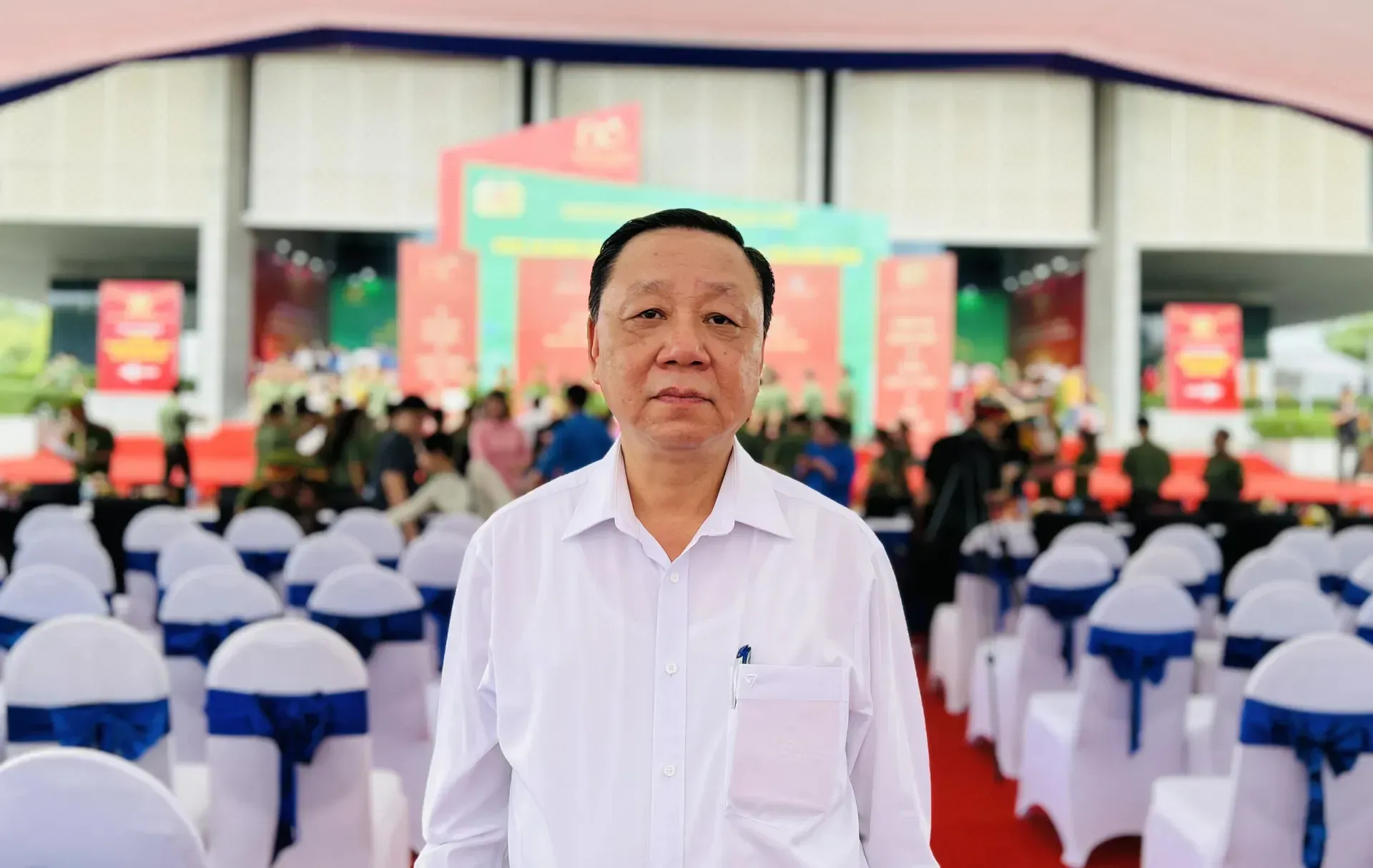
Dr. Nguyen The Hung, Vice Chairman of the Vietnam Cultural Heritage Association.
The two-tier local government model gives more authority to communes and wards in Hanoi. What advantages does this bring in promoting cultural resources?
The two-tier local government model gives communes and wards stronger authority, making heritage management in Hanoi more favorable than before.
To safeguard and develop the value of cultural heritage under the 2024 Capital Law, communes and wards should manage and promote local heritage sites. It’s also important that local people have the chance to practice and preserve these traditions, considering this as a way to attract tourists and ensure that cultural heritage is maintained.
With the implementation of the two-tier local government, communes and wards now benefit from additional support from district-level officials, which strengthens the capacity of cultural teams at the grassroots level.
They need to remain persistent and continue to carry out the city’s recent cultural development strategies, including heritage conservation programs and initiatives aimed at building Hanoi as a creative city.
Alongside the 2024 Capital Law, Hanoi has also issued two resolutions on cultural industry centers and cultural-commercial development zones. How can the city make the most of these policies?
Hanoi has great advantages in developing cultural industries and fulfilling its mission as a creative city, thanks to its long history and rich cultural heritage. It is recognized as Vietnam’s cultural and historical hub.
If cultural heritage is well managed, preserved and developed, it brings spiritual enrichment and generates significant material benefits for the city.
By doing so, Hanoi will create more jobs, provide new livelihoods for residents and develop cultural products that can drive tourism growth.
I believe that Hanoi, especially the newly reorganized communes and wards, should carefully review what types of cultural heritage exist in their areas and explore how to develop them to attract visitors.
This approach is similar to the OCOP (One Commune, One Product) program in agriculture, which aims to create distinctive traditional products to boost economic value, create jobs and increase incomes for rural communities.
For Hanoi, I am confident that every commune and ward can also develop at least one cultural product of its own. To achieve this, they must tap into the treasure trove of heritage left by past generations across this thousand-year-old capital.
Hopefully, each commune and ward will establish a cultural product that contributes to the growth of cultural industries, supports Hanoi’s creative city identity and enhances the overall development of the capital.
What breakthrough solutions should Hanoi adopt to promote culture in the digital space while also making the best use of traditional values?
Hanoi needs to improve the legal framework for close coordination between local communities that safeguard and practice heritage, government authorities, scholars and private-sector partners such as tourism businesses and cultural enterprises.

A group of visitors at Co Loa Citadel in Hanoi. Photo: Hoai Nam/The Hanoi Times
When these groups work in harmony, they will create an effective system for managing and utilizing cultural heritage across the city.
The city has already invested in digitizing heritage databases. Now, relevant agencies must actively use these digital resources to enhance the value of cultural heritage.
Heritage consists of monuments and intangible cultural traditions. Among them, cuisine is where Hanoi has a great advantage. Thousands of local dishes can be promoted to both domestic and international audiences through digital platforms.
For example, the traditional com (green rice flakes) of Vong Village can be advertised online, helping local residents sell more of their products while showcasing Hanoi’s culinary heritage and cultural story.
In addition to promotion, the communities that hold these culinary traditions will also have more opportunities to revive, innovate and introduce new ways of serving their products so that visitors from home and abroad can enjoy them.
In developing cultural industries, what should communes and wards focus on to match today’s context?
To build cultural industries, communes and wards must first identify what cultural products they have and whether these products can be developed to meet both Vietnamese and global standards.
It is not possible to arbitrarily introduce a cultural product to the market without ensuring its quality. Nor can we export cultural products without knowing the international standards that apply and whether our products comply with them. Only when cultural products meet the required benchmarks can they truly spread and reach wider audiences.
Therefore, in order to develop cultural industries, it is essential to focus on setting standards for each product and to manage and produce according to those standards.
I also want to emphasize that each commune and ward must showcase its own creativity in developing cultural industries. Since Hanoi has been recognized as a creative city, its cultural products must reflect originality and innovation, rather than merely replicating what others are doing.
However, good experiences and failures from other communes and wards can still serve as valuable lessons, allowing localities to adjust and improve during the process of building cultural industries.
Thank you for your time!