Prime Minister okeys Sun Phuquoc Airway to boost island tourism
The launch of a new airline is expected to strengthen Phu Quoc Island's position as a major tourism hub in the region.
THE HANOI TIMES — A new airline, Sun PhuQuoc Airways (SPA), is expected to be unveiled soon, marking a milestone for the country's aviation sector and the development of Phu Quoc Island as a premier tourist destination.
Prime Minister Pham Minh Chinh on May 20 approved the investment proposal for SPA, an aviation company under Sun Group, one of Vietnam's leading private conglomerates. The airline will operate with a registered investment capital of VND2.5 trillion (US$96.3 million) and a planned fleet of 31 aircraft by 2030.

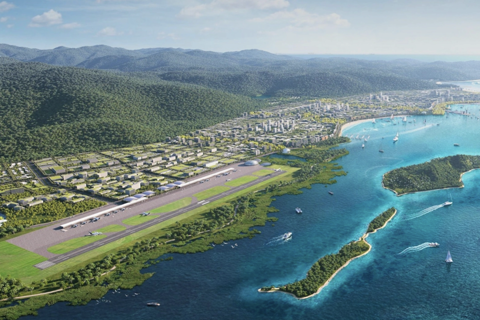
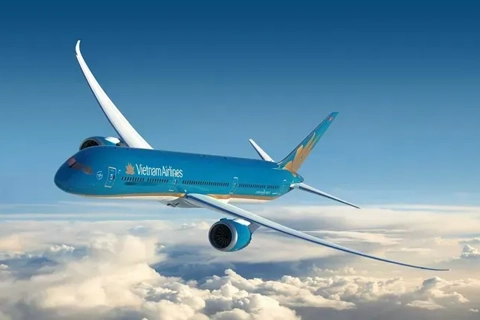
Rendered image of the Sun PhuQuoc Airways project.
The airline will focus on passenger transport and charter services, connecting Phu Quoc Island in the southern province of Kien Giang with major economic and tourism centers in Vietnam and abroad.
The first commercial flights are expected to begin in the fourth quarter of this year, increasing the island's accessibility and appeal to both domestic and international travelers.
Sun Group currently operates Sun Air, a private jet charter service catering to a high-end clientele.
With this addition, Vietnam will have seven commercial airlines, including Vietnam Airlines, Vietjet Air, Bamboo Airways, Vietravel Airlines, Pacific Airlines, and VASCO.