South-central Vietnam lowers hydropower reservoir levels ahead of Storm Koto
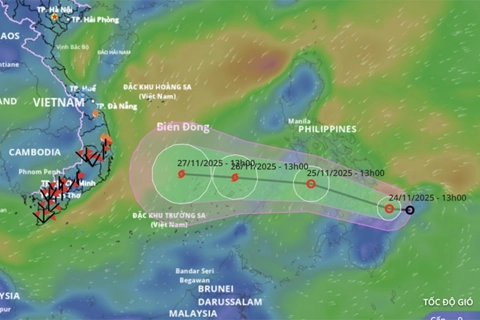
Storm Koto, the 15th system to enter the East Sea this year, has formed with an unpredictable path, prompting Vietnam to remain vigilant and fully prepared with emergency response measures.
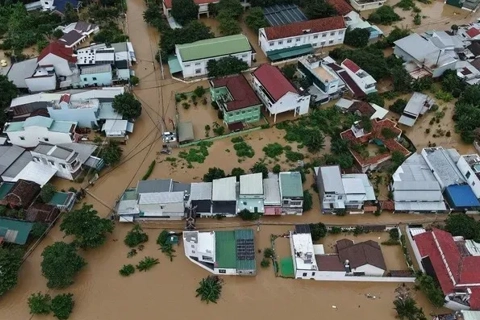
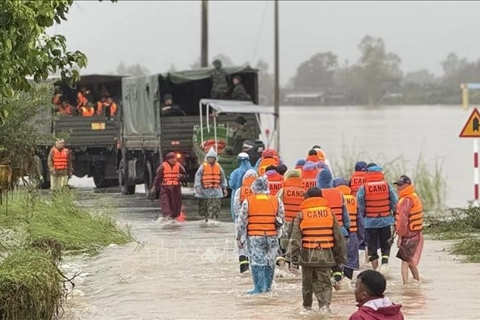
THE HANOI TIMES — Provinces in south-central Vietnam and the Central Highlands have begun lowering hydropower reservoir levels to prepare for Storm Koto, while authorities continue recovery efforts from last week’s severe floods.
The measure follows a government directive to review reservoir owners’ responsibilities and improve inter-reservoir coordination, ensuring timely information to downstream areas and effective control and regulation.
Luong Nguyen Minh Triet, Secretary of the Dak Lak Province Party Committee, said storm-response plans were activated even as residents remain overwhelmed by damage from the historic floods.
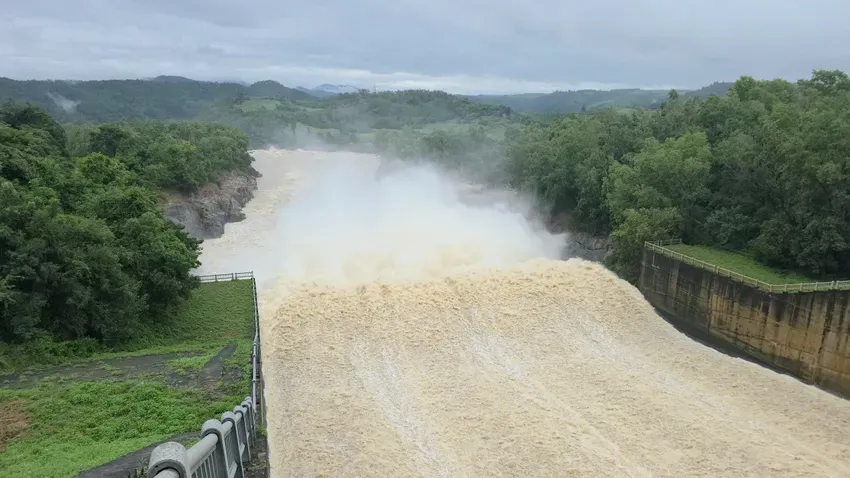
The Krong HNang River Hydropower Plant in the Central Highlands Province of Dak Lak is releasing floodwaters. Photo: Dak Lak’s Civil Defense Steering Committee
Dak Lak’s Civil Defense Steering Committee ordered major reservoirs, including Song Ba Ha, Song Hinh and Krong HNang, to lower water levels to flood-receiving thresholds by 10:00 AM on November 28.
Targets are 102m at Ba Ha, 204.5m at Hinh, and 251.5m at Krong HNang, with operators required to avoid sudden releases, said Triet.
In the central province of Khanh Hoa, authorities will implement evacuation plans if Storm Koto hits and assist residents in reinforcing houses, said Nguyen Duy Quang, Director of the provincial Department of Agriculture and Environment.
Reservoir operators must monitor weather, rainfall and river flows, adjusting discharges to protect dams and prevent downstream flooding. Song Cho 1 and Suoi Dau reservoirs began lowering water levels today in preparation for the storm.
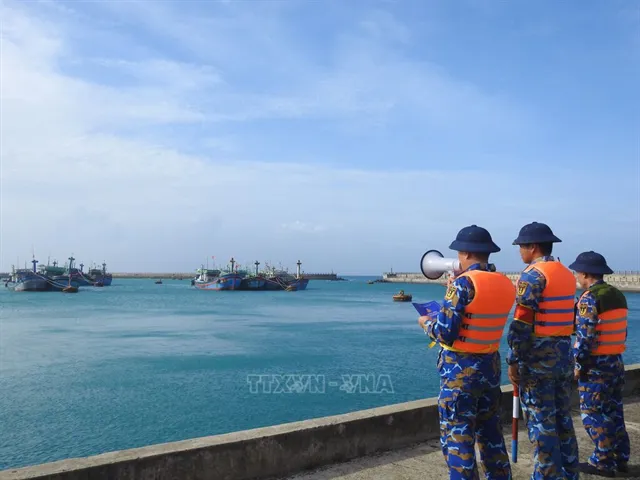
The navy calls on ships to take shelter from Storm Koto in Vietnam's Truong Sa special zone. Photo: VNA
Le Huyen, Vice Chairman of the Khanh Hoa People’s Committee, said all residents whose houses were badly damaged in the recent historic floods will be evacuated immediately if Koto threatens the area.
He said residents are repairing damage and preparing for Storm Koto, with precautions to finish at least a day before landfall.
Public buildings and schools will serve as shelters if needed, and low-lying areas will be evacuated early.
Meanwhile, the Central Highlands Province of Lam Dong is taking proactive measures to protect property, residents, vessels and infrastructure from expected heavy rains and coastal impacts.
Border Guard forces monitor vessels 24/7, alerting owners to move to safety, while rescue teams and specialized equipment remain on standby for emergencies.
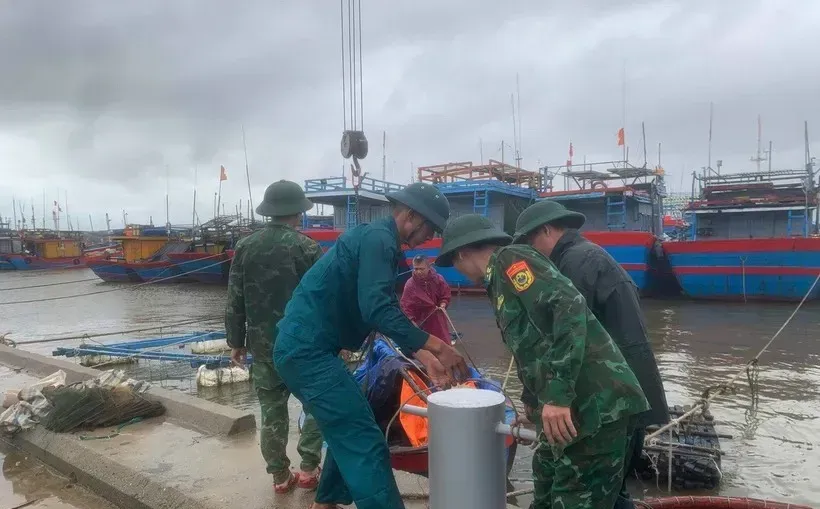
Border guard officers at Ky Ha Port Border Gate assist residents in securing their boats. Photo: Quang Nam Radio and Television
The Vietnam People’s Army issued an urgent dispatch urging all units to stay ready, monitor Storm Koto closely, and take preventive measures, with forces and vehicles prepared for emergency response, recovery, and search and rescue as the central region continues recovering from historic floods.
Prime Minister directs urgent preparedness
On the night of November 26, Prime Minister Pham Minh Chinh called for the highest-level, decisive response to Storm Koto, prioritizing people’s safety, stressing that vessels at sea, especially in high-risk areas, must be docked at safe waters or ports promptly, in addition to plans for emergency evacuation, safeguarding reservoirs, dikes, offices, schools and businesses.
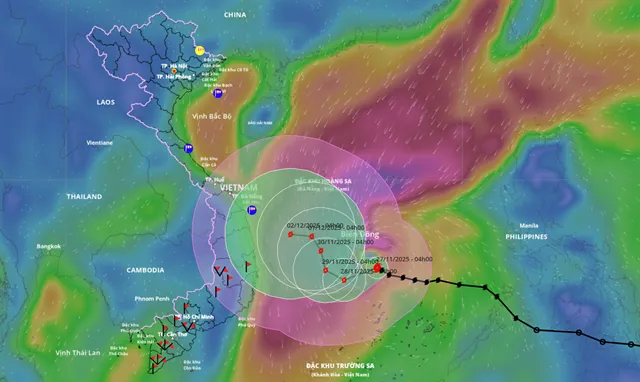
The projected path of Storm Koto on November 27. Photo: The National Center for Hydro-Meteorological Forecasting
He called for emergency plans in landslide-prone areas, especially mountainous regions, and continued deployment of forces to protect residents, together with reassessing geological hazard maps for 34 provinces and cities.
The National Center for Hydro-Meteorological Forecasting predicts Storm Koto could reach level 11 with gusts up to level 14 in the next 24 hours, bringing moderate to heavy rain from Danang to Lam Dong.
Given recent prolonged rainfall, the risk of landslides, flash floods and inundation in low-lying areas is very high.