Spirit of Thang Long imperial court Tet reenacted
Ancient court rituals returned to the Thang Long Imperial Citadel as Hanoi marked Tet with a program reviving royal ceremonies that once defined the capital’s New Year traditions.
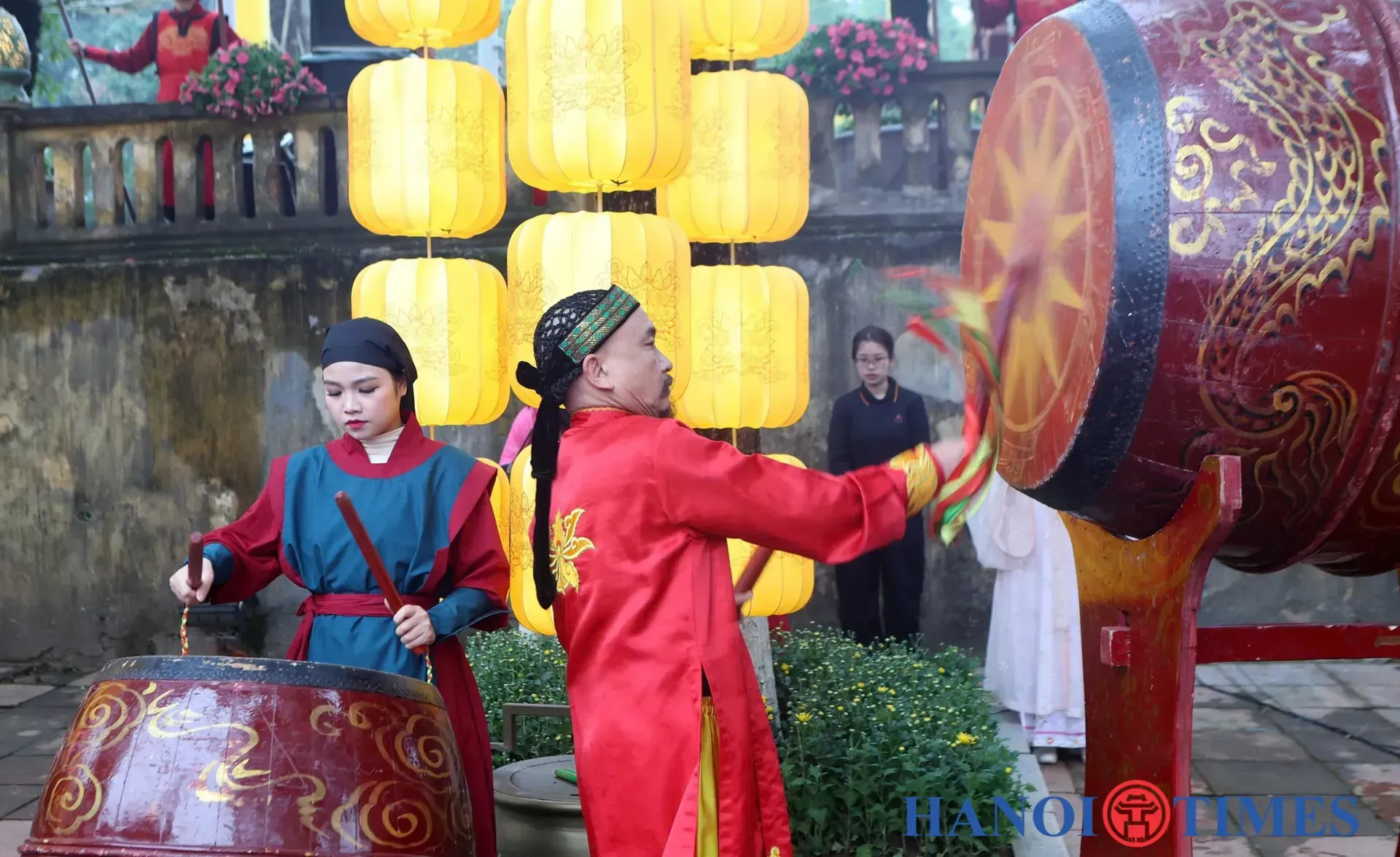
THE HANOI TIMES — The Tong Cuu Nghinh Tan (Farewell to the Old and Welcome to the New) program revives imperial court Tet rituals, introducing the cultural values of Vietnamese Tet to the public and international visitors.
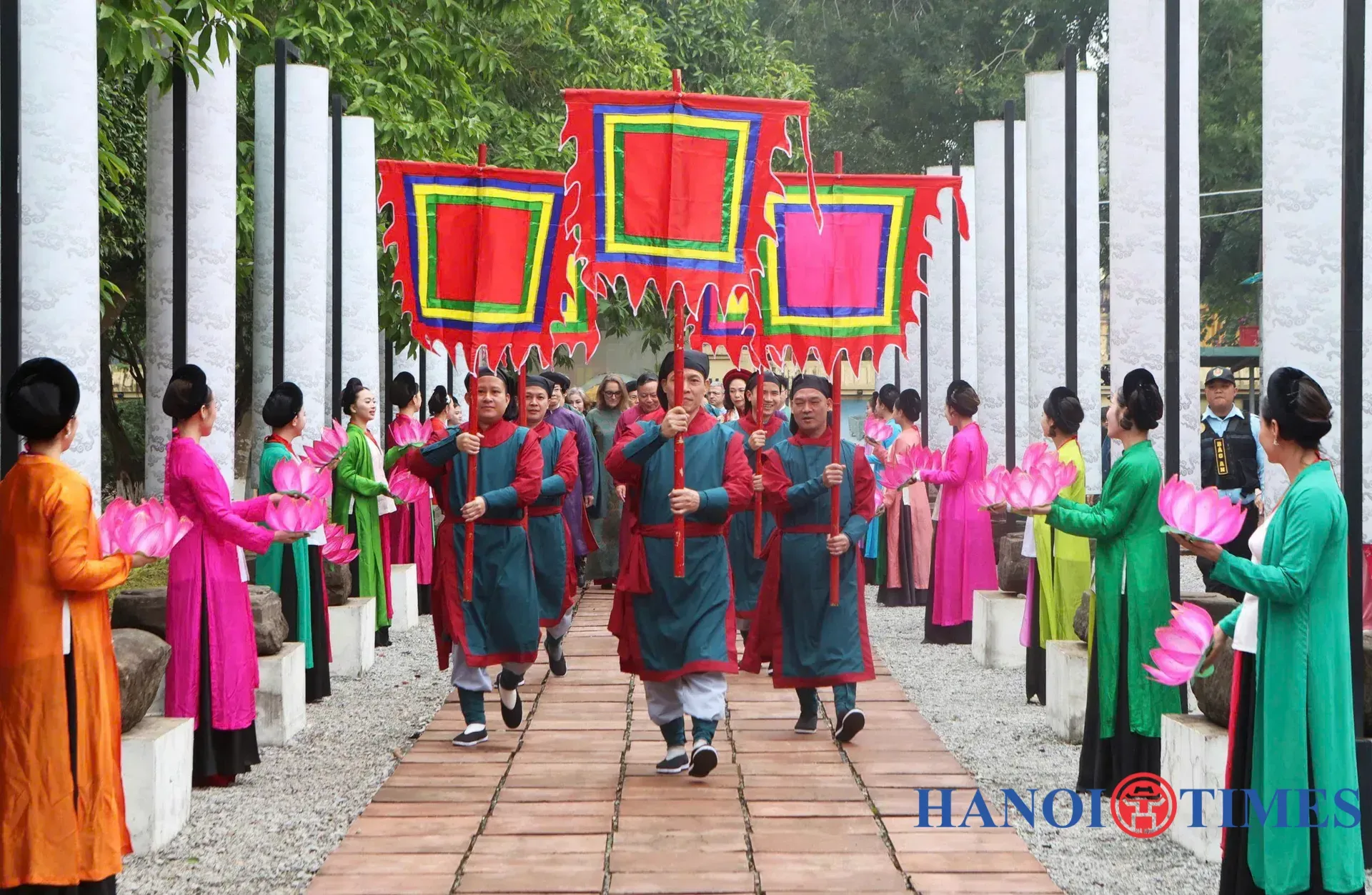
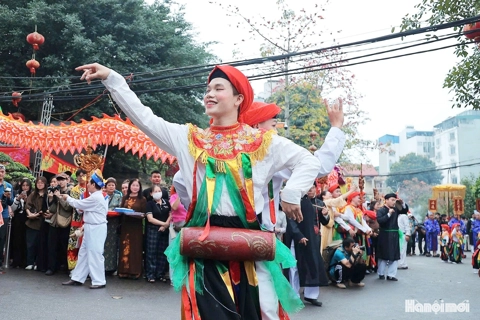
Once a year, the Tong Cuu Nghinh Tan ritual is reenacted at the Thang Long Imperial Citadel, Hanoi. Photos: Duy Khanh/ The Hanoi Times
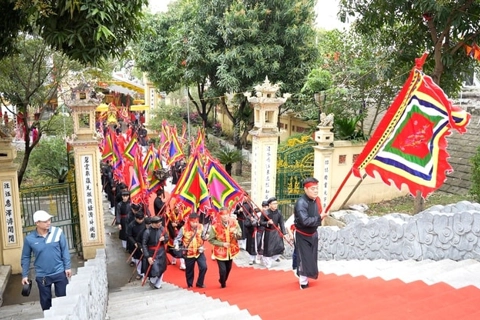
On the morning of February 10 or the 23rd day of the 12th lunar month, the traditional royal ceremonies were reenacted.at the Thang Long Imperial Citadel.
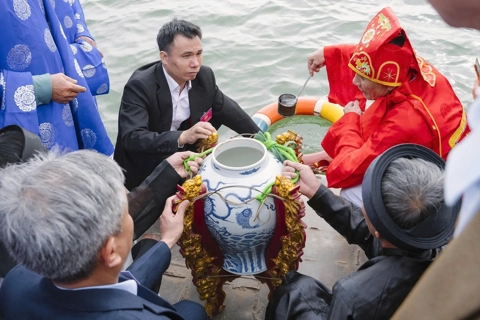
Vice Chairwoman of the Hanoi People’s Committee Vu Thu Ha attended the ceremony, offering incense to honor the Land Genie and the Kitchen Gods then released carp into a section of the ancient river within the Imperial Citadel.
Ha said the Thang Long Imperial Citadel represents the soul of the thousand-year-old capital. Meanwhile, reenacting traditional rituals reflects Hanoi’s commitment to preserving and promoting heritage.
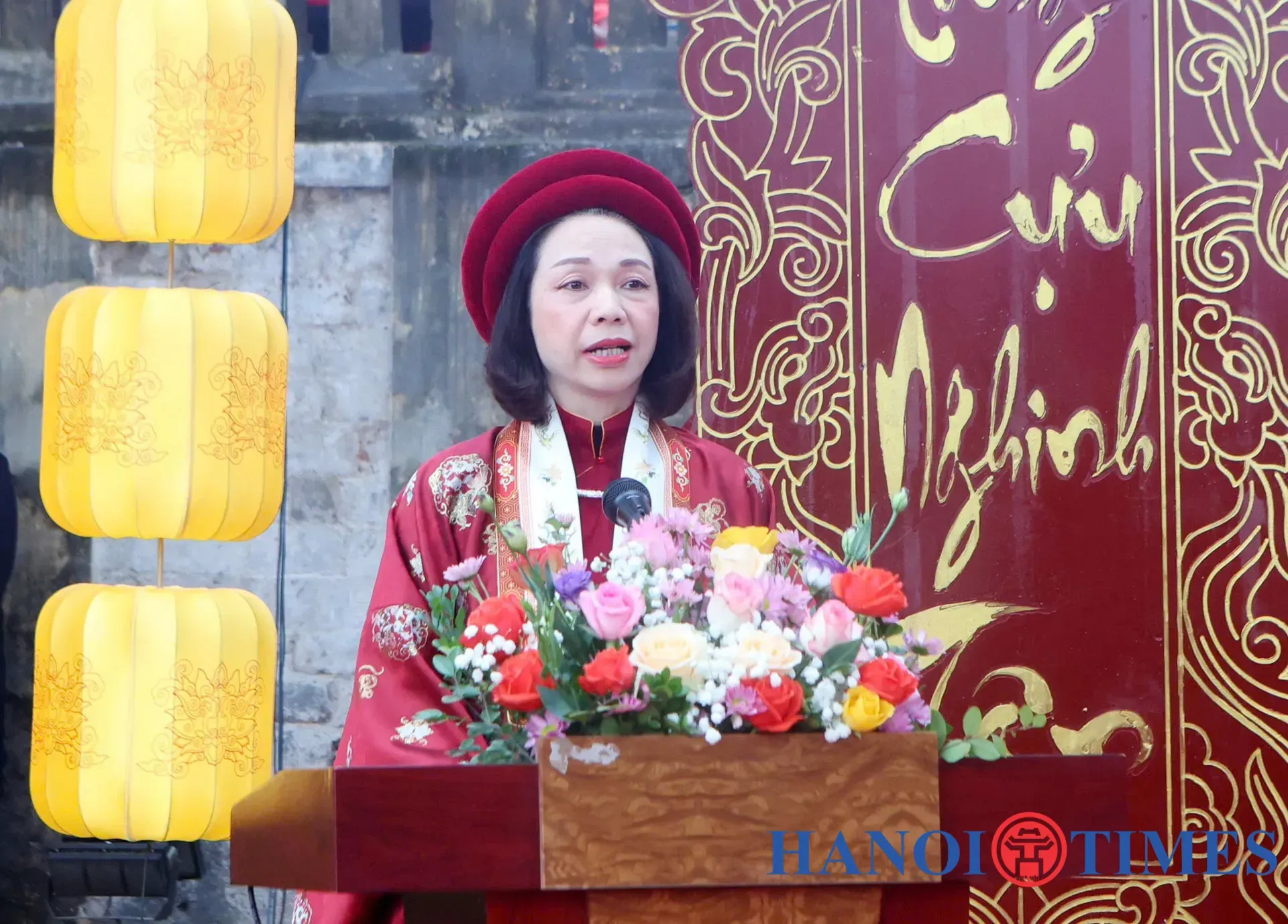
Vu Thu Ha, Vice Chairwoman of the Hanoi People’s Committee, delivers her remark at the ceremony.
“The program helps reinforce Hanoi’s image as a city of culture, identity and creativity. Cooperation with ministries, UNESCO, scientists and international partners has played an important role in preserving the citadel’s cultural values and strengthening cultural exchange,” Ha said.
The program draws from traditional court Tet rituals practiced during the feudal era, including the Tien Lich (Calendar Offering) ceremony, the erection of Neu or the New Year’s pole, the release of carp to bid farewell to the Kitchen Gods, and the changing of the guard.
The rituals once took place from the end of the 12th lunar month to the 7th day of the first lunar month. Together, they reflect the spiritual life of the Vietnamese royal court and society in the past.
As Hanoi moves toward becoming a modern and creative city, program plays an important role, celebrating traditional Tet holiday while reinforcing the capital’s unique identity and linking the past to present, the tradition to the renewal.
Tong Cuu Nghinh Tan ritual has left a strong impression on the public and added meaning to Hanoi’s spring cultural life.
The event was also attended by Standing Deputy Secretary of the Hanoi Party Committee Nguyen Van Phong; Deputy Minister of Foreign Affairs and Chairman of the Vietnam National UNESCO Committee Ngo Le Van; Deputy Minister of Culture, Sports and Tourism Hoang Dao Cuong; and Jonathan Baker, Head of UNESCO’s Representative Office in Vietnam.
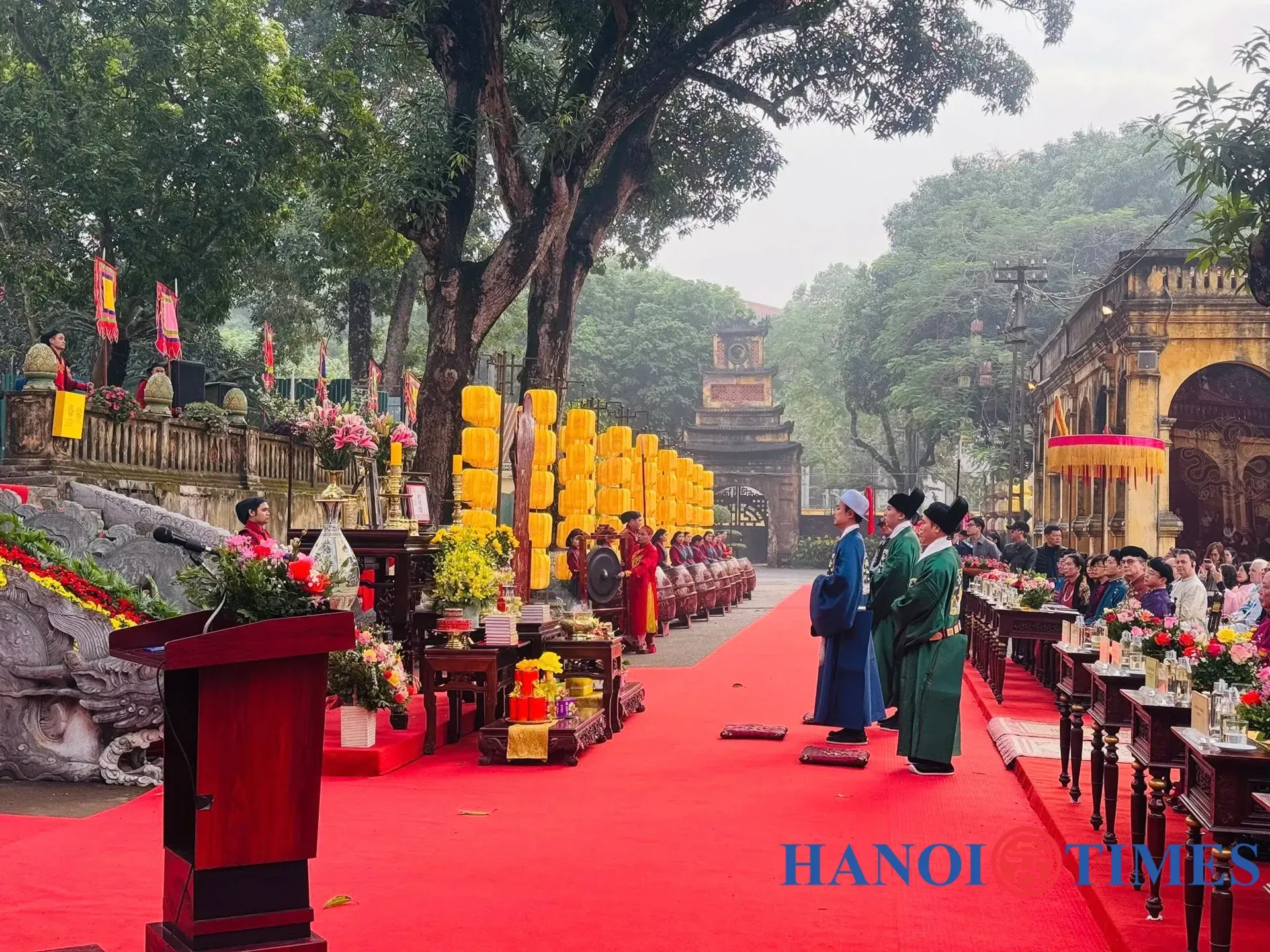
The Tong Cuu Nghinh Tan program promotes the cultural values of the Thang Long Imperial Citadel and introduces visitors to Tet preparations and customs.
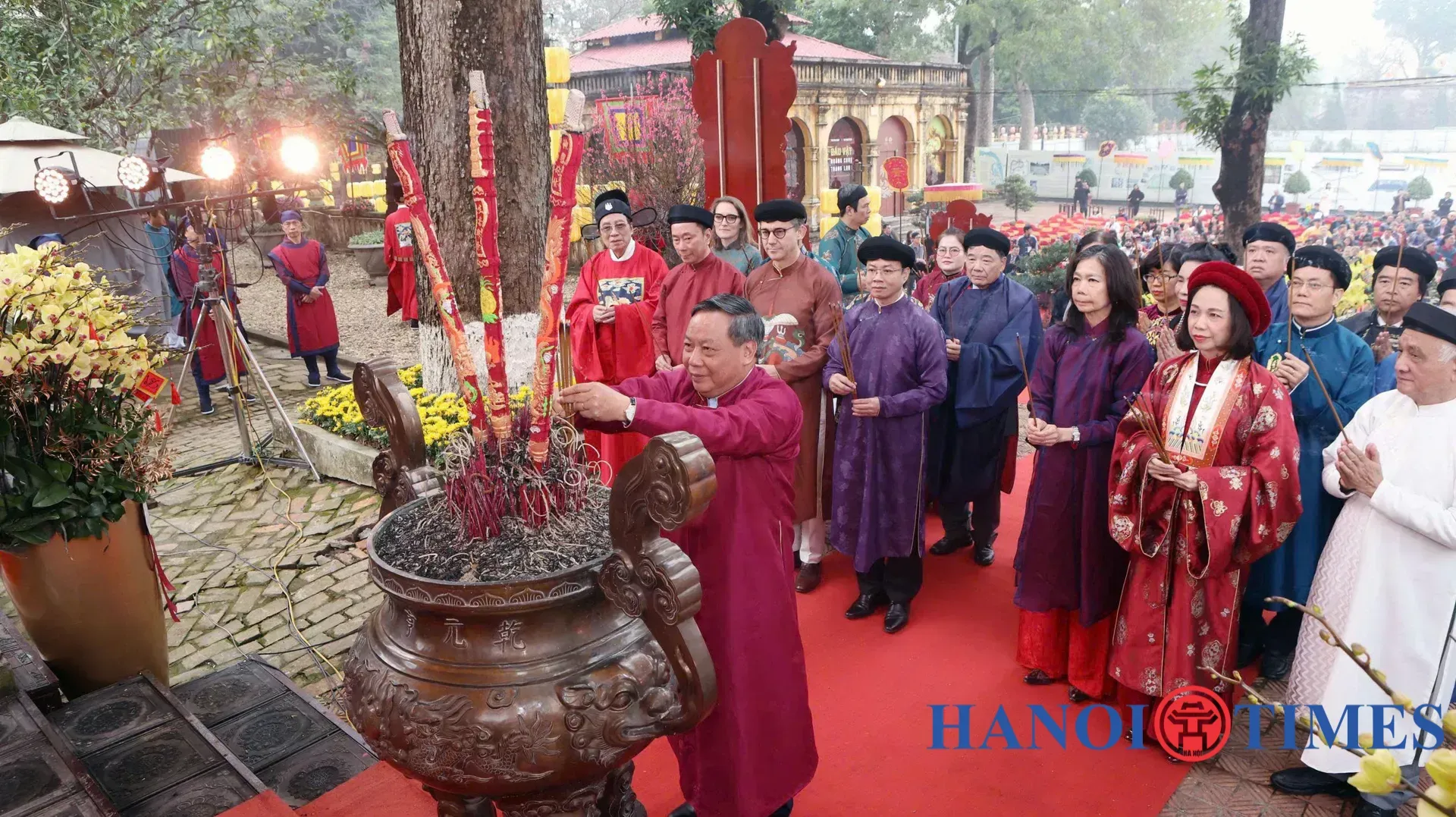
Deputy Secretary of the Hanoi Party Committee Nguyen Van Phong and delegates offered incense at Kinh Thien Palace.
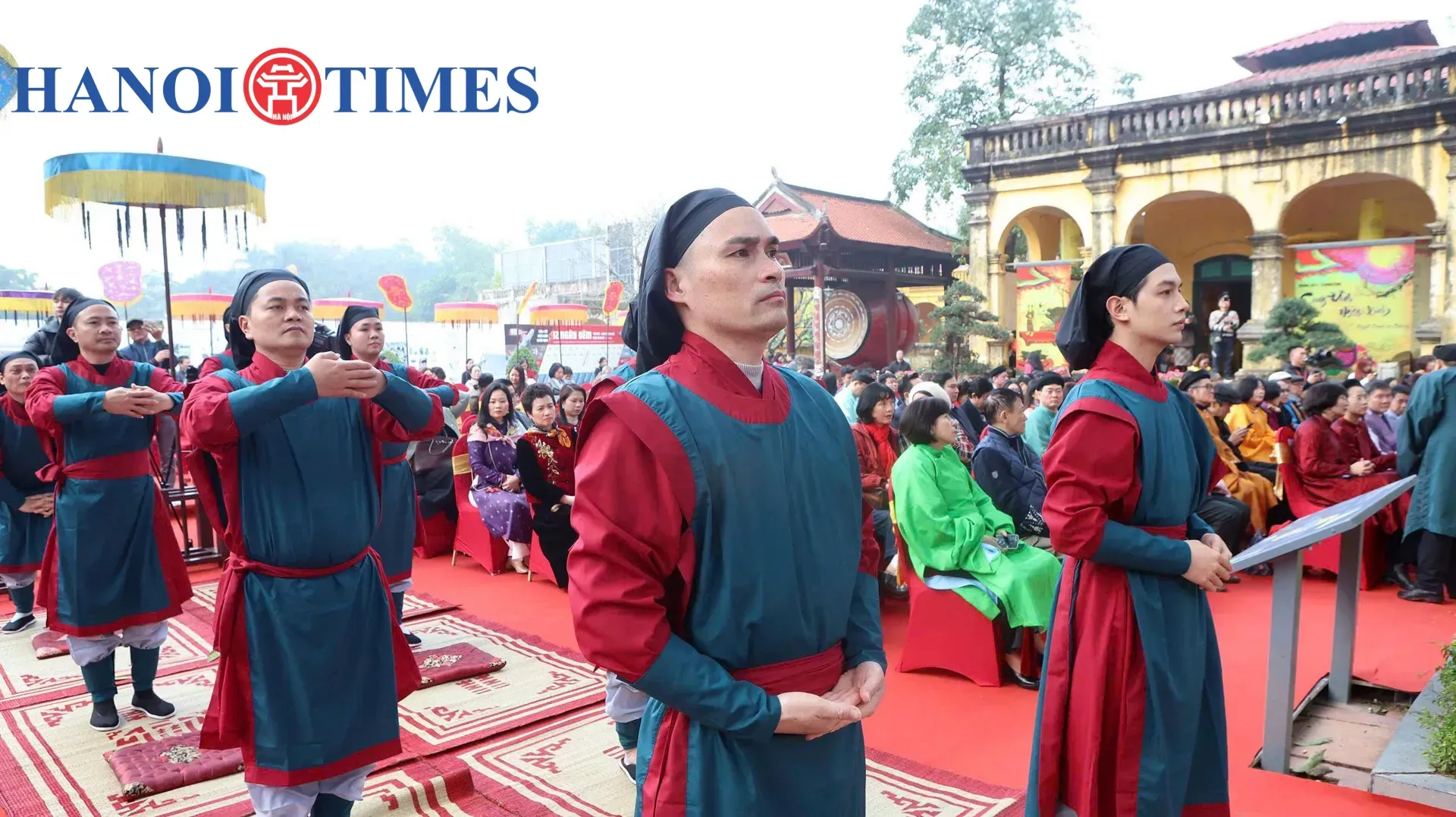
The Calendar Offering Ceremony reflects the king’s role in issuing the calendar to guide production, daily life and rituals.
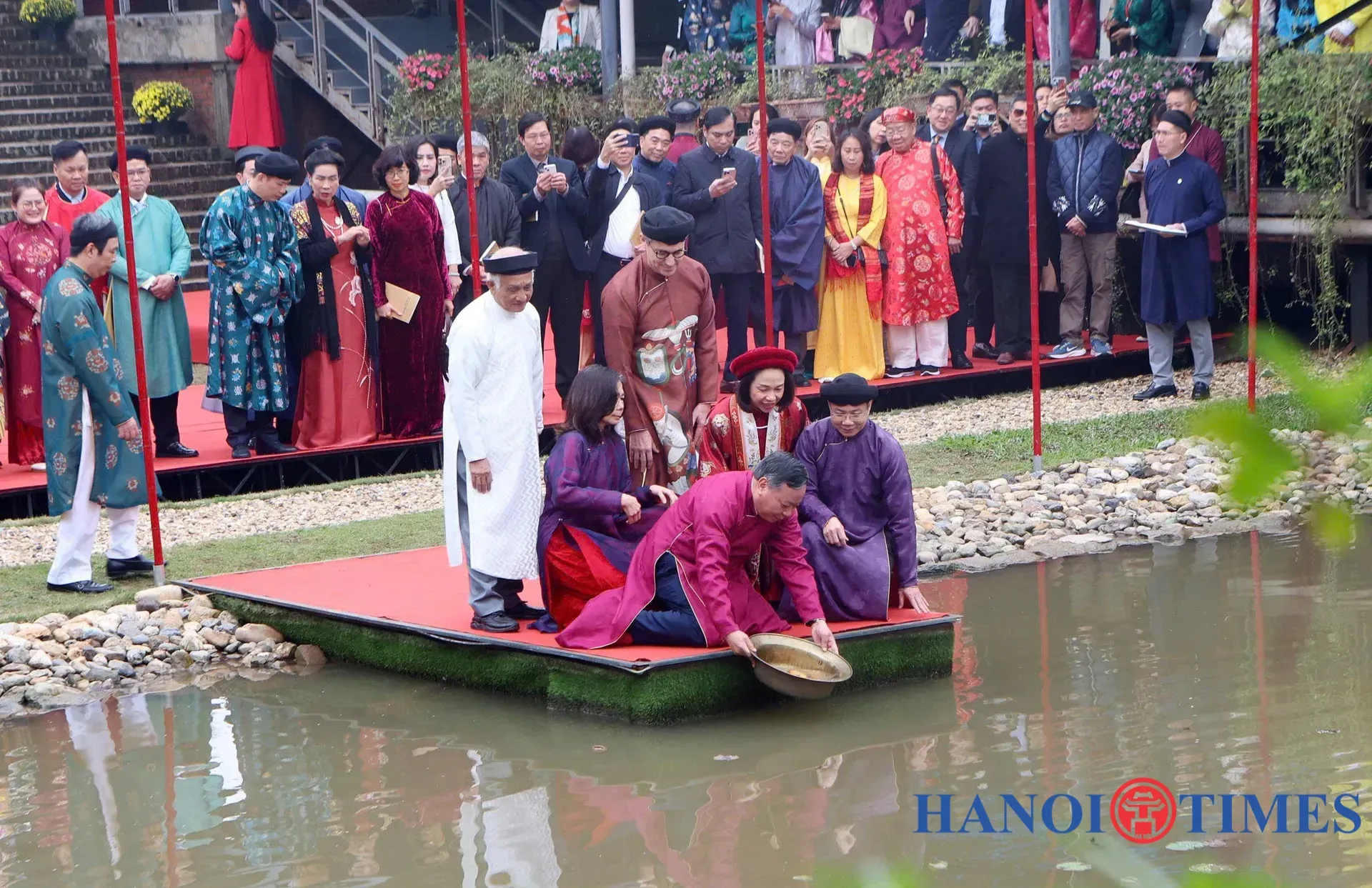
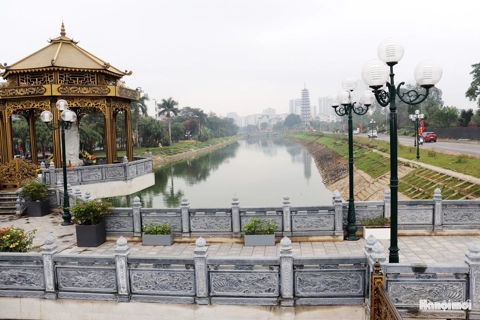
A highlight of the program is the release of carp to bid farewell to the Kitchen Gods.
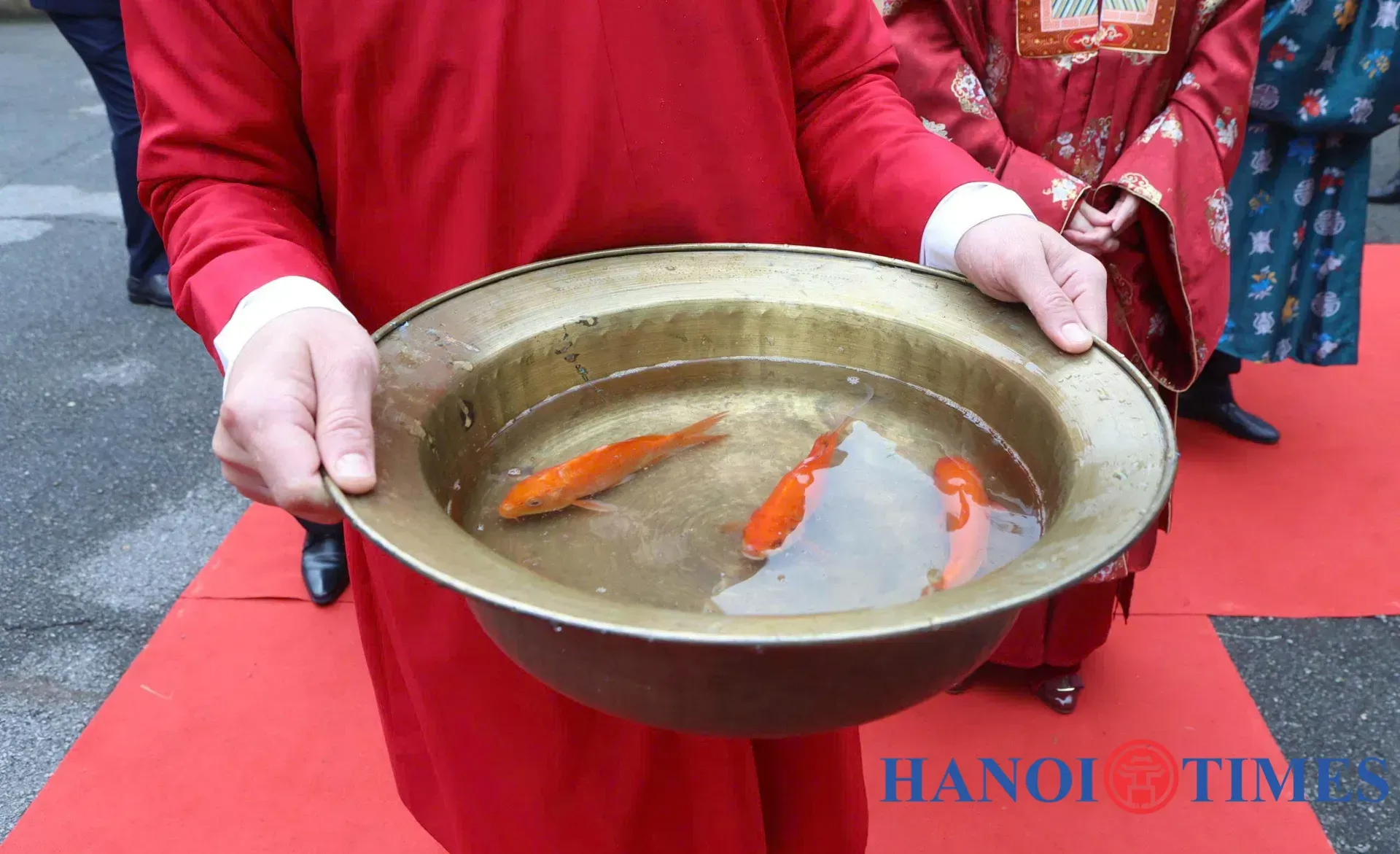
According to legend, the Kitchen Gods ride carp to heaven to report the year’s events to the Celestial King.
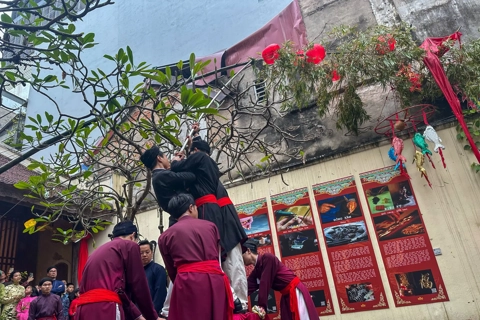
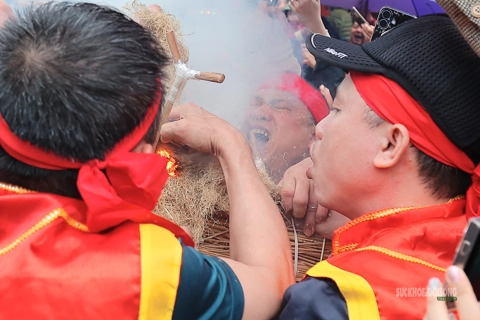
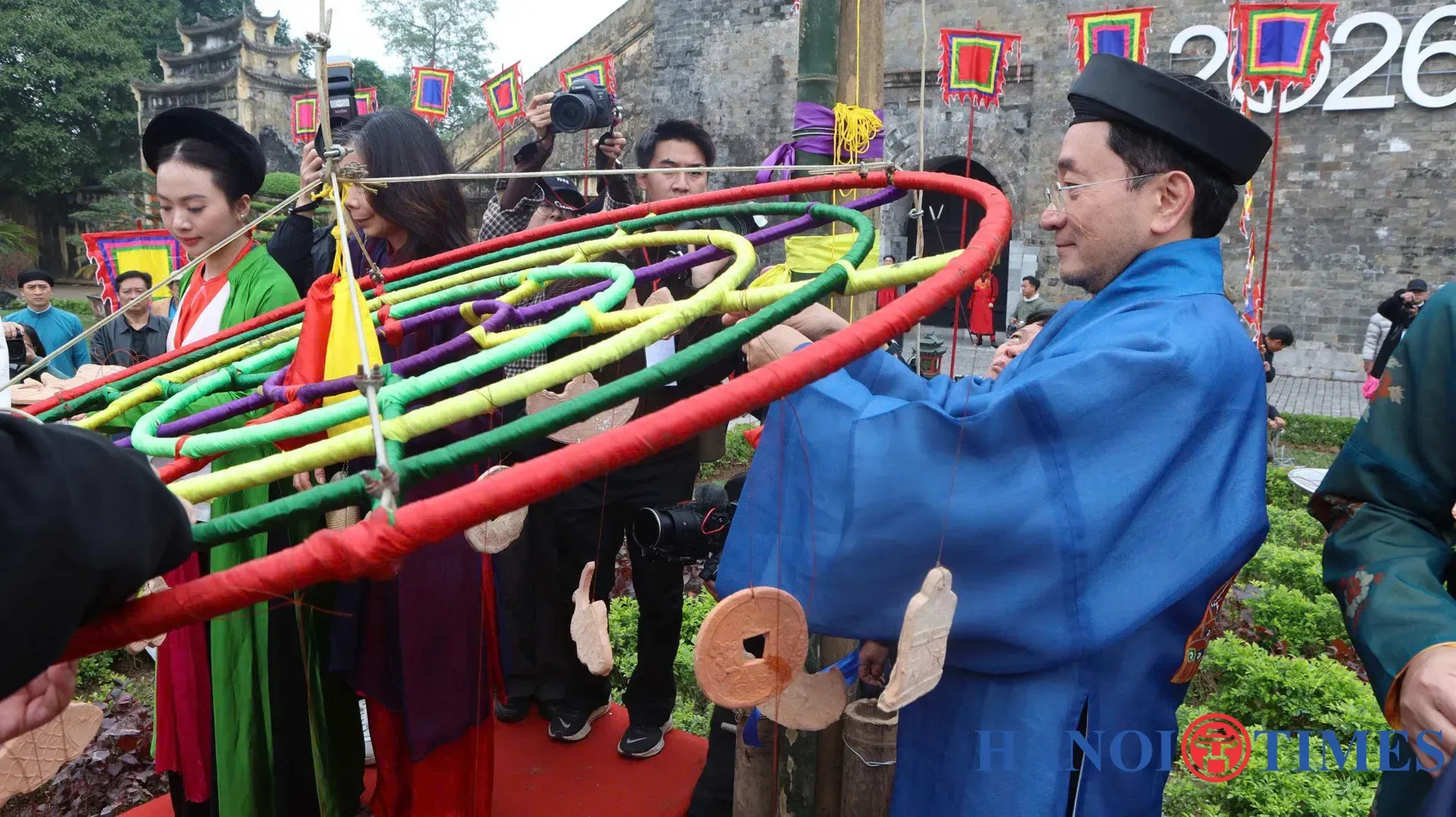
The Thuong Tieu ceremony, or erection of the New Year’s pole, symbolizes warding off evil and praying for favorable weather and good harvests.
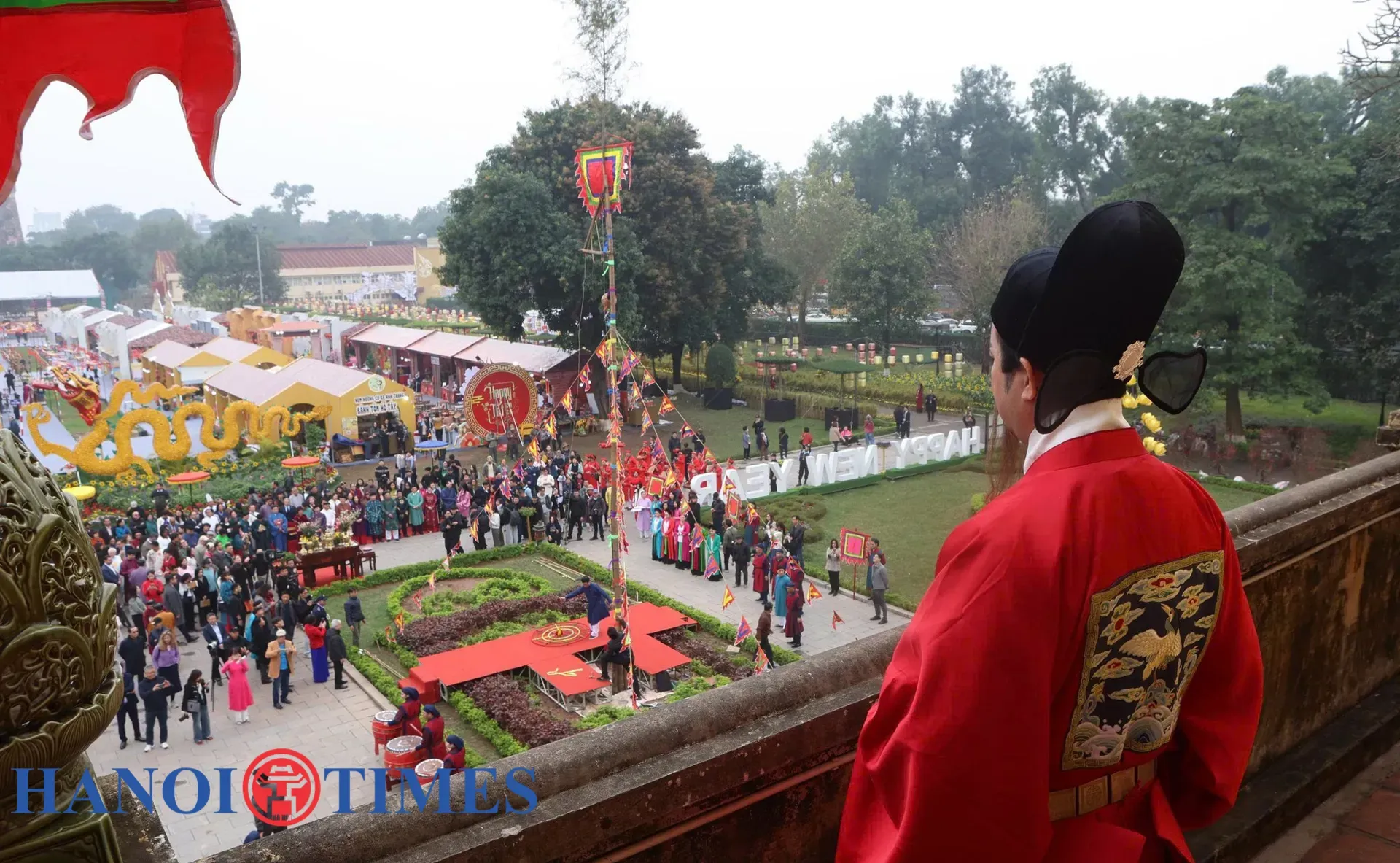
Inside the Imperial Citadel, the New Year’s pole and ceremonial music evoke the atmosphere of Tet in the past.
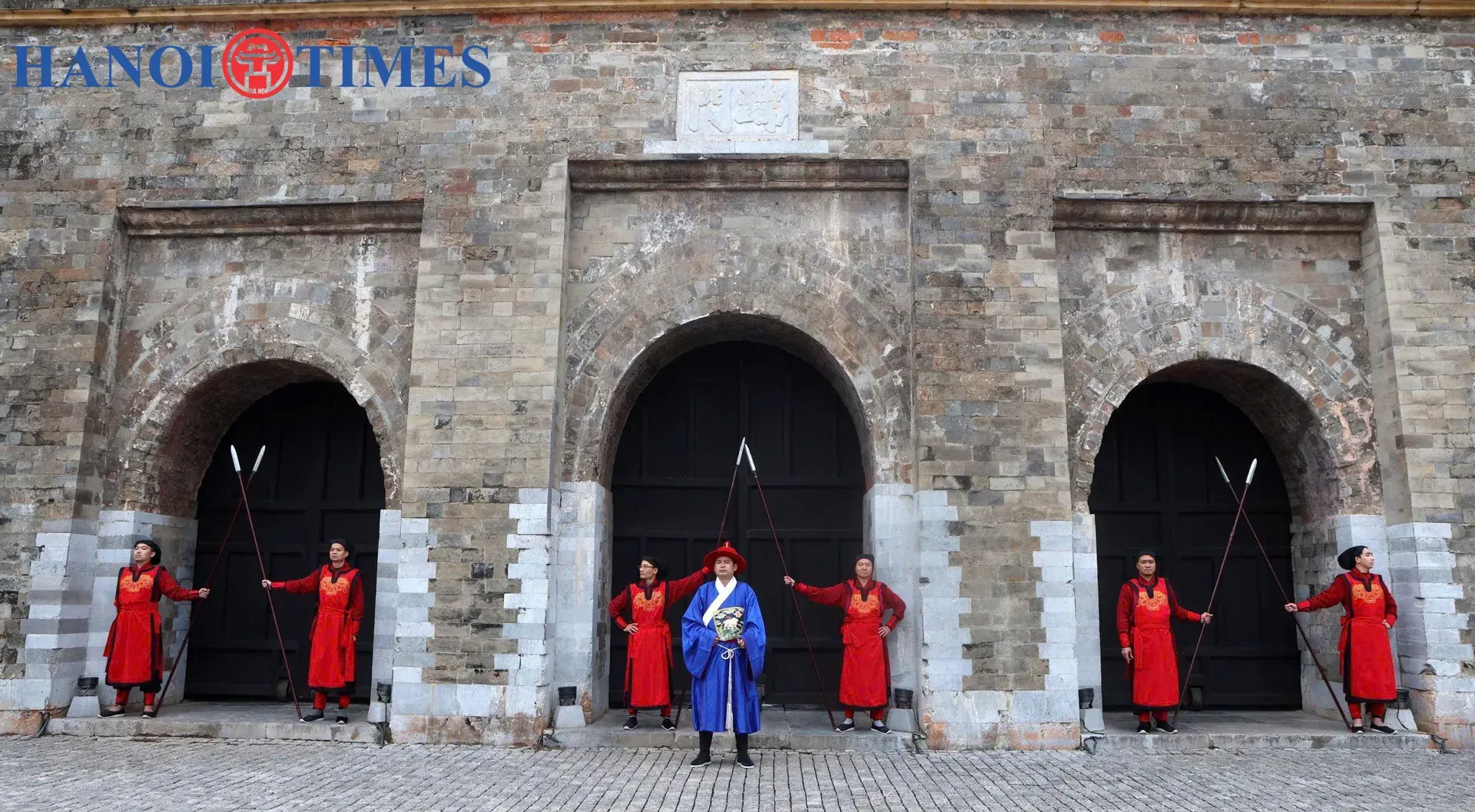
The changing of the guard ceremony is also carefully recreated, reflecting the strict protection of the imperial palace in the past.
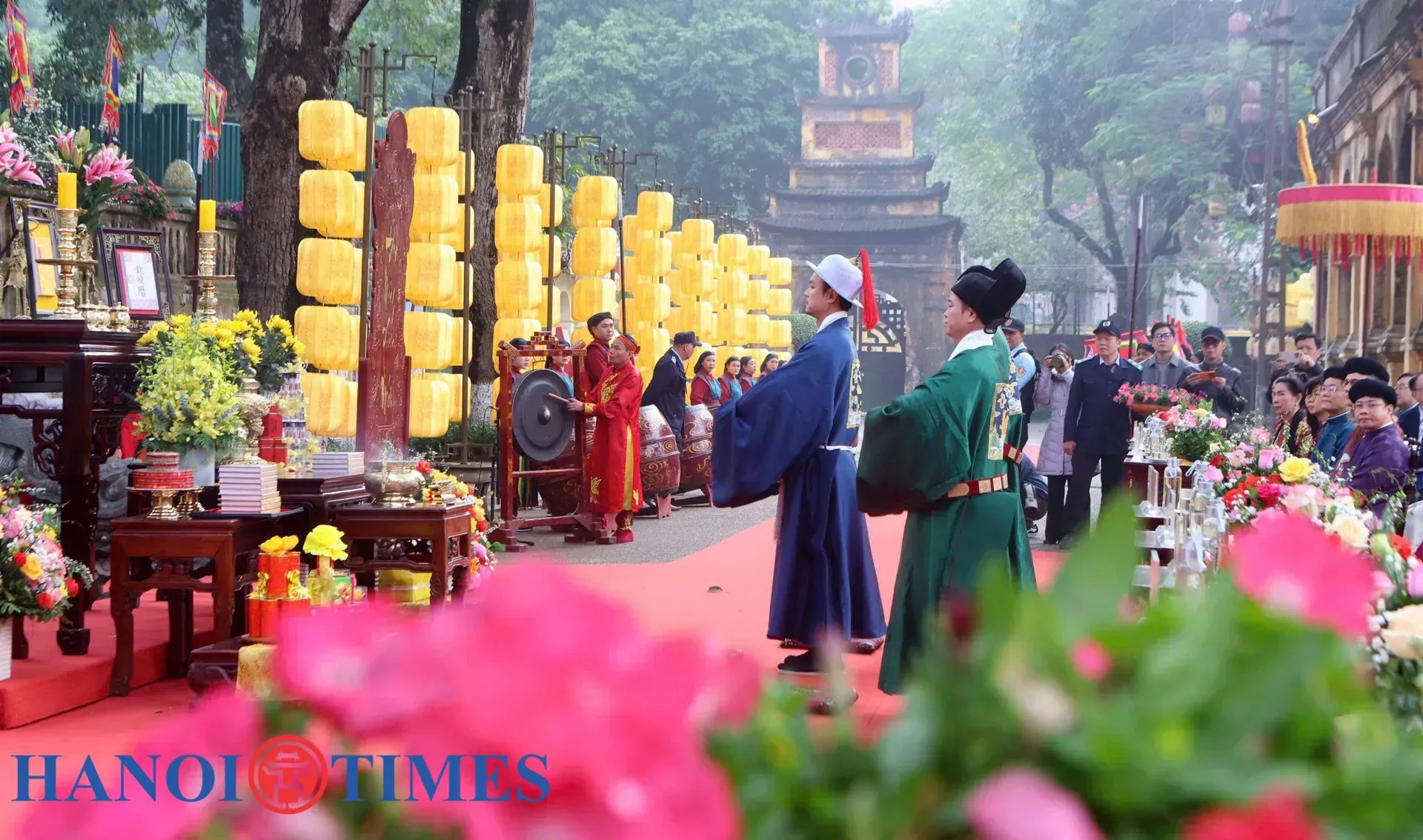
Every movement, costume and ritual is closely researched to present an authentic view of court life.
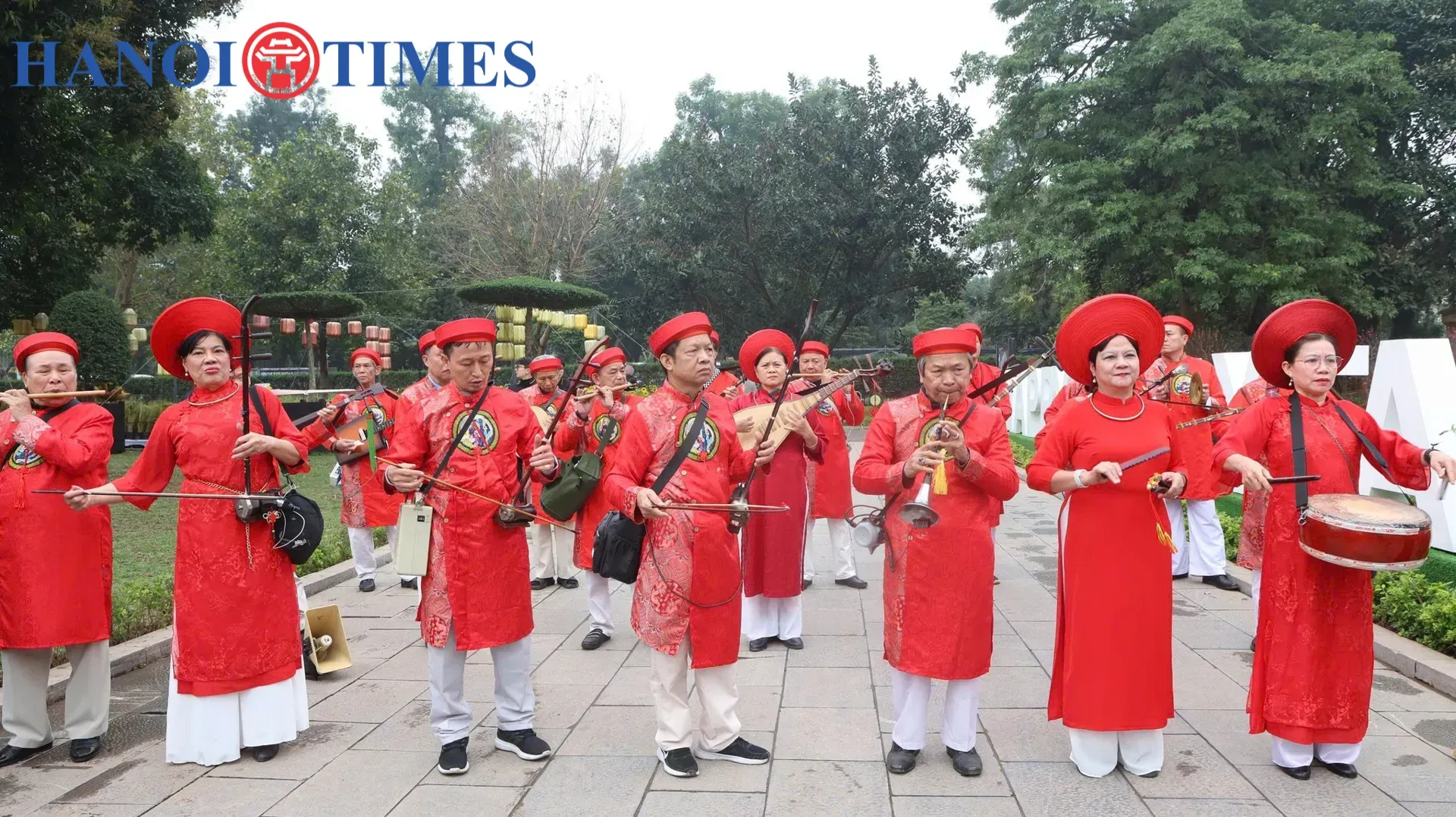
In recent years, the Tong Cuu Nghinh Tan ritual has been revived to preserve traditional values.
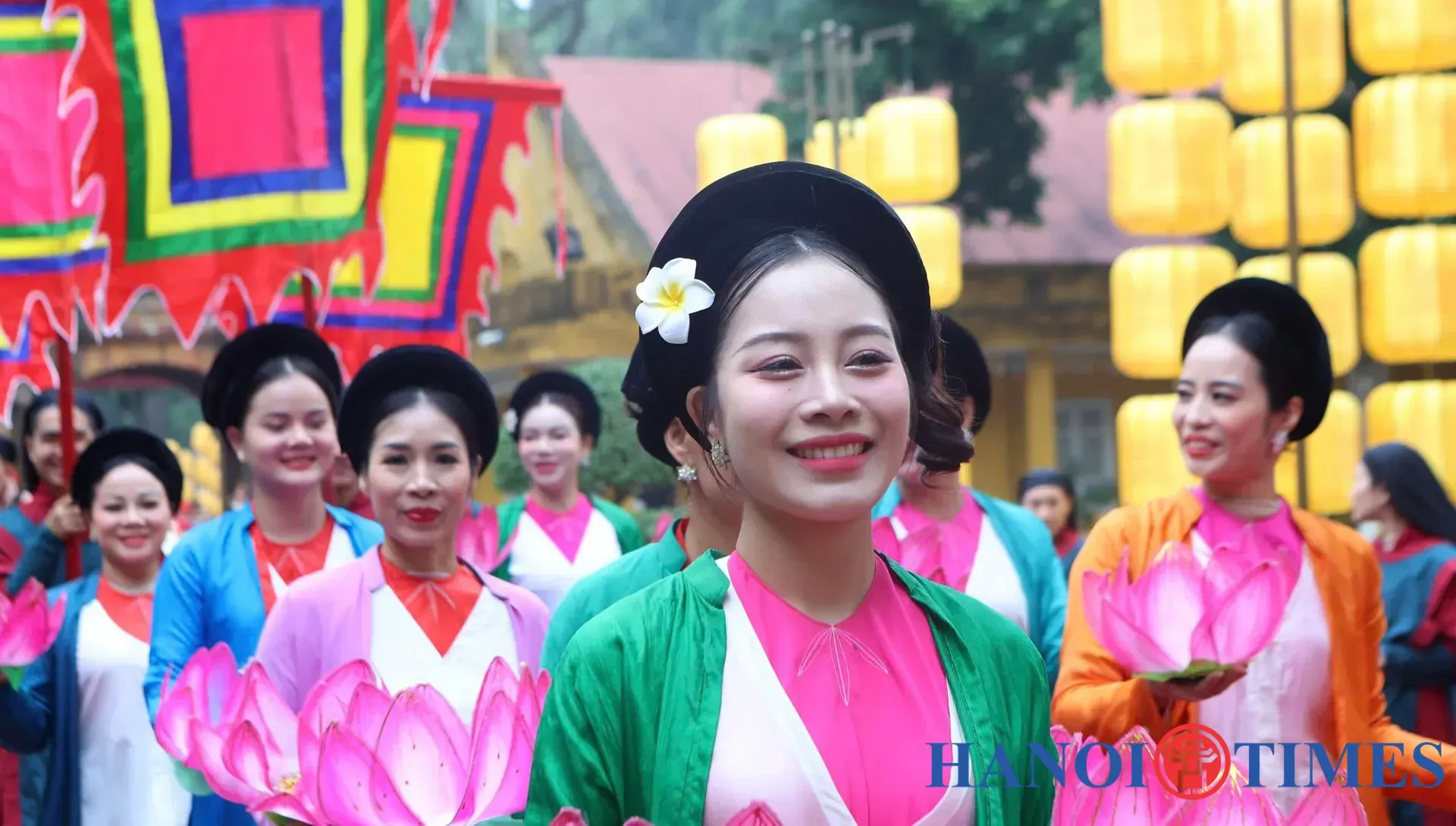
Beyond its historical meaning, the program helps educate younger generations and foster national pride.
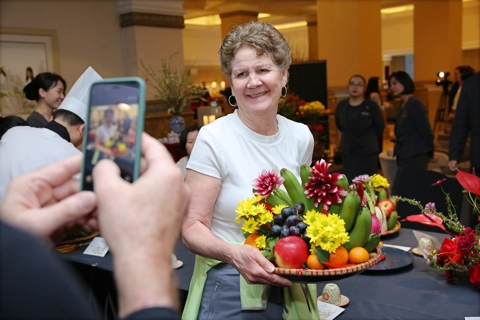
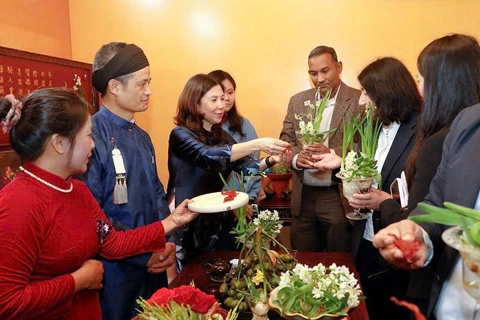
Through experiential activities, locals and tourists gain deeper understanding about Hanoi’s culture.