Strong, open rules key to Vietnam’s global finance ambition: Expert
The success of an international financial center depends on establishing an open legal framework and a robust pilot regime that can compete globally while ensuring transparency and high standards for all financial products.
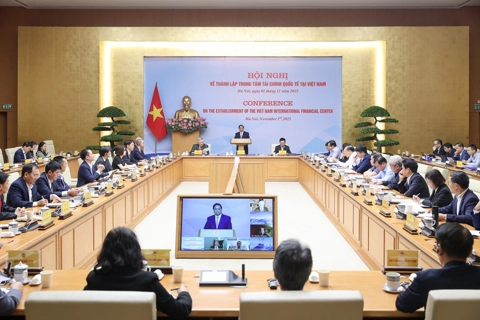
THE HANOI TIMES — Ho Chi Minh City’s International Financial Center (IFC), driven by urgent Government direction, is racing to prepare for its launch in November 2025. The Hanoi Times spoke with economist Dr. Dinh The Hien about its prospects for attracting capital, building talent and adapting international common law to strengthen Vietnam’s legal framework and regional positioning.

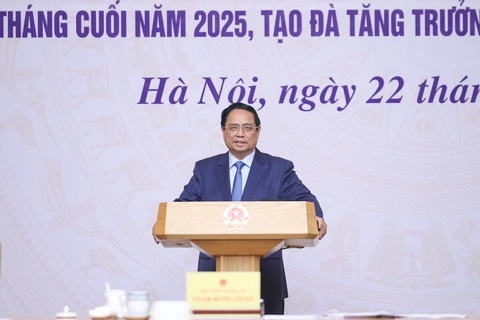
Economist Dr. Dinh The Hien. Photos: VGP
How realistic is it for Ho Chi Minh City’s IFC, set to begin operations this November, to attract global capital and compete with regional financial hubs like Singapore and Hong Kong in the near term?
The plan to operate an IFC in Ho Chi Minh City is highly ambitious, especially when compared with leading regional hubs that already have fully open markets and strong competitive environments.
Vietnam still runs a managed financial system, particularly in offshore investment activities, the non-convertibility of the VND and tight controls over foreign currency. These measures remain necessary to maintain domestic financial stability while integration continues.
Given these characteristics, the IFC will only be competitive and able to attract international capital if Vietnam creates strong pilot mechanisms that are open and aligned with international standards.
It is similar to the establishment of the Tan Thuan Export Processing Zone 30 to 40 years ago when Vietnam tested new FDI models.
If these pilots are not competitive or aligned with global norms, capital mobilization will be limited. At this stage, detailed sandbox policies have not been widely released, so it is difficult to assess their competitiveness.
If the regulatory framework is strong and open, capital instruments such as government bonds, urban infrastructure bonds and corporate bonds will be attractive.
In the next five years Vietnam is expected to invest hundreds of billions of dollars in infrastructure from expressways and seaports to metro lines. This creates a solid foundation for project bonds that could draw global interest.
The key will be openness, security and efficient capital flows in and out. These must be clearly defined in the pilot regulations and aligned with global financial practices.
In the early phase we should not expect the IFC to immediately attract large capital inflows. The priority should be to establish the institutional structure, put the pilot regulations into competitive operation based on international norms and introduce initial financial products. After one year we will have enough data to evaluate progress and calibrate expectations for stronger inflows.
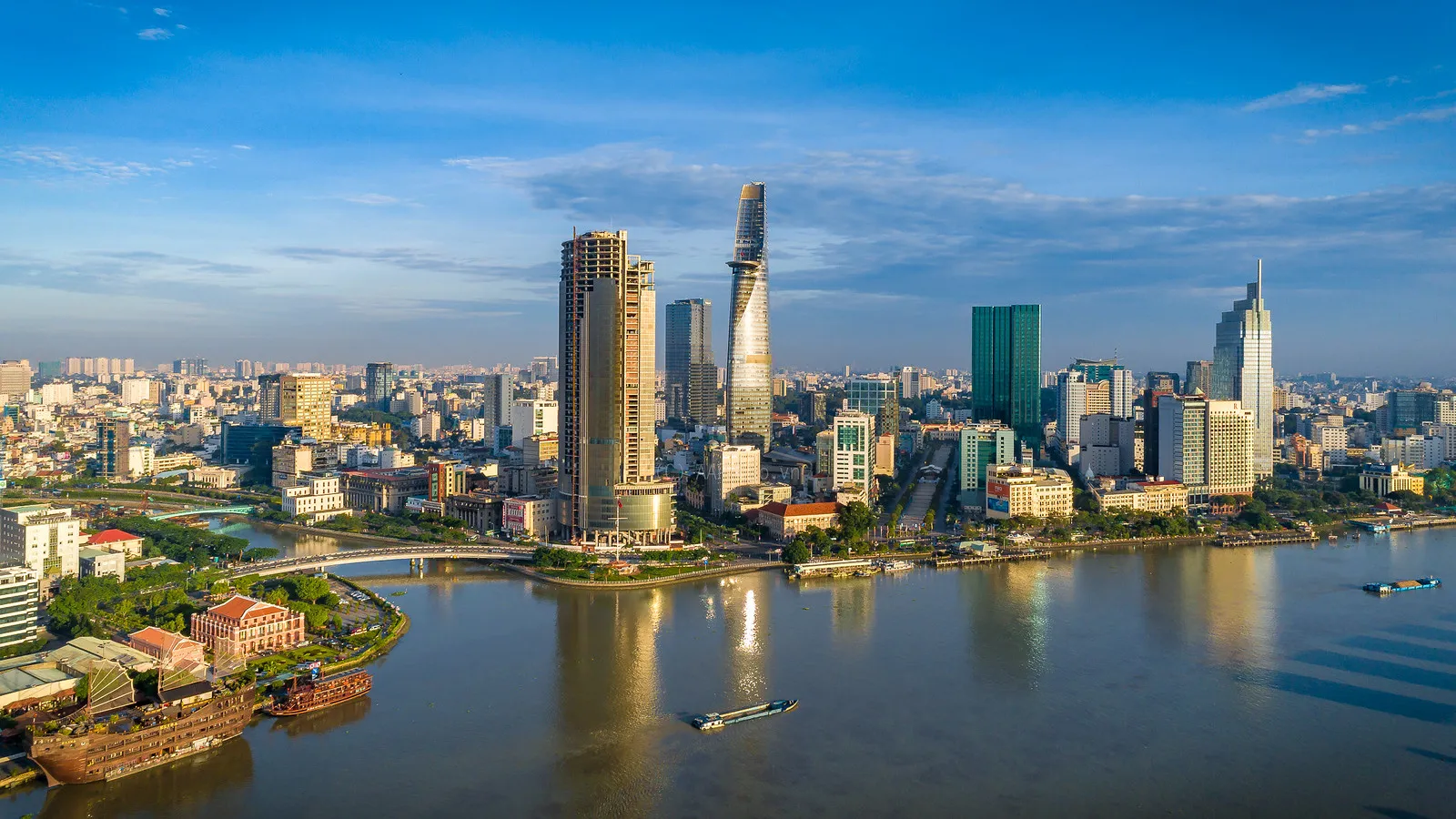
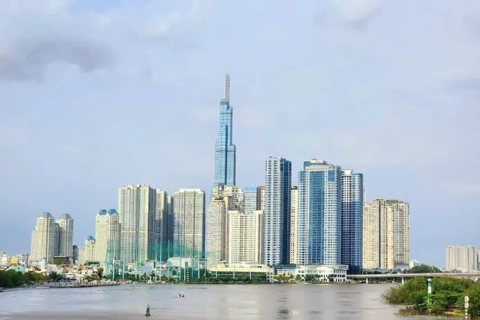
Ho Chi Minh City.
The IFC is planned for full completion within five years with Thu Thiem as the core location. Is five years enough time for Ho Chi Minh City to build a workforce capable of operating a sophisticated international financial center?
In terms of human resources, Ho Chi Minh City is already a financial center. The city has a deep talent pool that includes domestic experts, foreign specialists working at banks and international financial institutions, investment funds and the stock market.
The city already has capable people and established institutions. The challenge is that these resources have not been concentrated or empowered because of existing financial control regulations.
If the IFC operates with strong sandboxes and receives adequate state support, human resources will not be a concern.
Five years is more than enough. Financial centers can attract talent very quickly. When Vietnam’s stock market opened in 2000, international funds and experts arrived in large numbers by 2007. Dubai, although a young country, became a major financial hub thanks to strong policy choices.
The essential factor is attractiveness. If the IFC offers good policies and compelling investment opportunities, global institutions and specialists will come, creating the activity the center needs.
This shows that five years is fully sufficient if Vietnam follows the right direction and creates an appealing environment.
The UK will support Vietnam in applying English Common Law within IFC operations. Could the differences between the two legal systems create gray areas or conflicts, particularly involving taxation, risk management, or dispute resolution?
Because Vietnam has a managed financial system and IFCs like the UK have a high level of openness, the IFC must be established as a ring-fenced zone with its own pilot mechanisms. This is similar to how Vietnam once created export processing zones with their own rules to attract investment without disrupting the national legal system.
Applying Common Law inside the IFC will help reduce risks during its development. Organizations and individuals operating inside the IFC will be governed by rules similar to those of major global financial centers.
However, there must be a clear mechanism for controlling capital and financial activities when they leave the IFC and move into the rest of Vietnam. At that point they must still comply with the regulations of the State Bank of Vietnam, the State Securities Commission of Vietnam and the Ministry of Finance.
The biggest challenge is harmonizing the two legal systems. If the gap is too wide, meaning IFC participants enjoy significant advantages inside the zone but face risks or constraints outside it, the IFC’s competitiveness may weaken. Vietnam needs a careful balance to avoid unnecessary gray areas or conflicts.
It is important to stress that the success of the IFC is not about constructing an administrative district. It is about building an open legal framework and a strong pilot regime that can compete globally while ensuring transparency and quality in all financial products traded. The goal is a legal environment that is credible, transparent and consistent, capable of attracting investors while safeguarding macroeconomic stability.
Thank you for your time!