Prime Minister directs opening of International Financial Center in November
Vietnam’s upcoming International Financial Center project has drawn international attention, with a national conference on its establishment connected online to hubs in the United Kingdom, the Czech Republic, Hong Kong (China) and Indonesia.
THE HANOI TIMES — Prime Minister Pham Minh Chinh has directed ministries to finalize a government decree so that Vietnam’s International Financial Center (VIFC), with locations in Ho Chi Minh City and Danang, can begin operations this November.
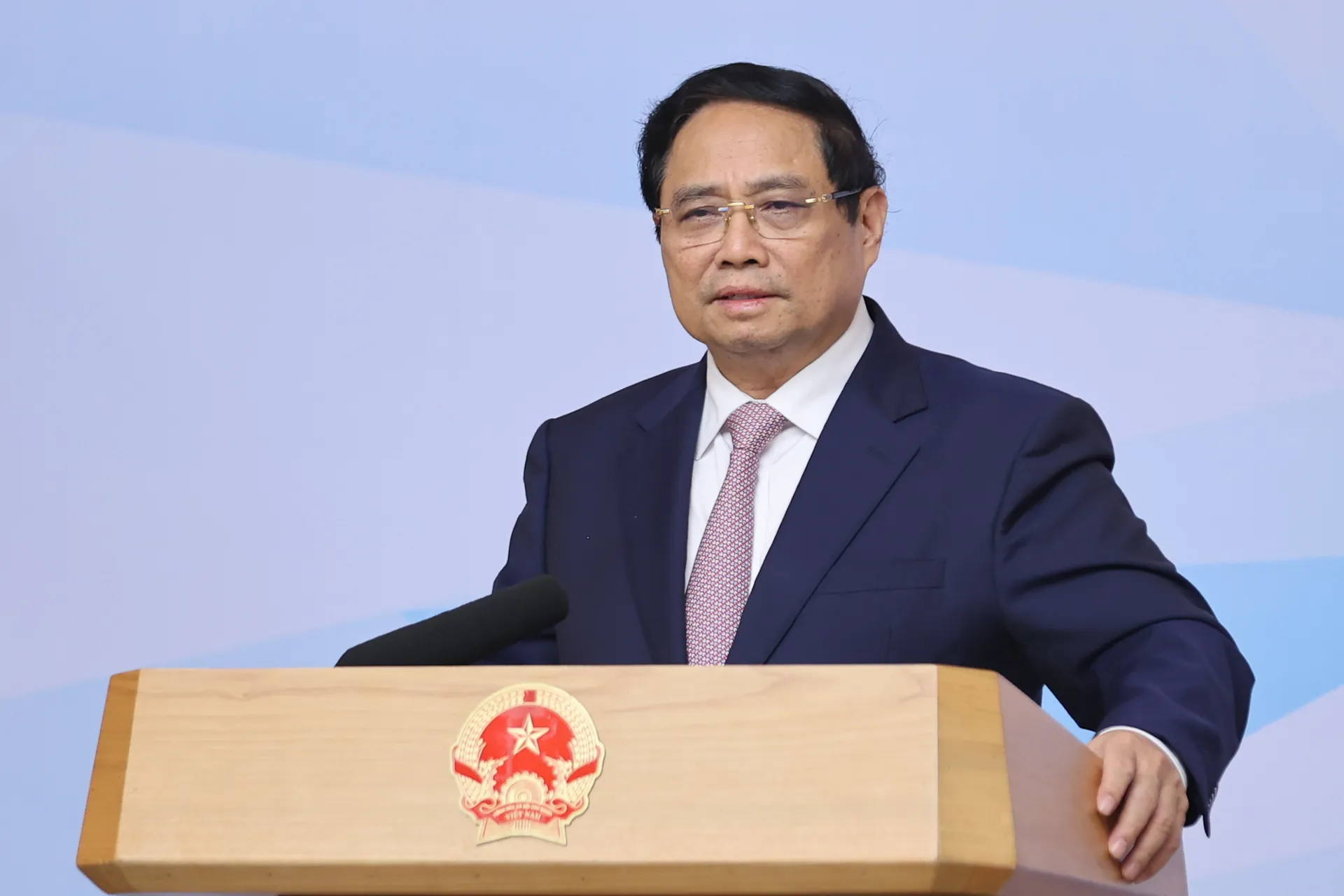
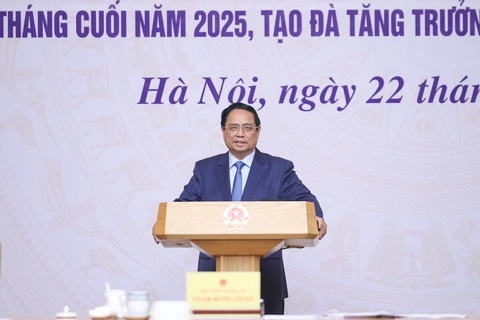
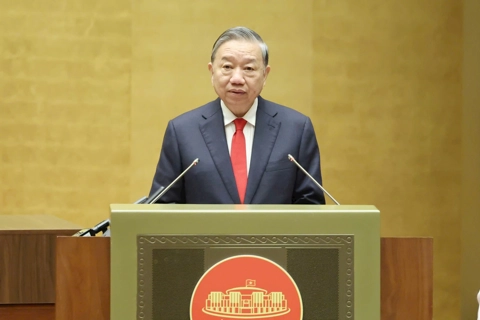
Prime Minister Pham Minh Chinh speaks at the conference. Photos: VGP/Viet Bac
Vietnam is set to activate its long-anticipated International Financial Center later this month, marking a strategic step toward transforming the country into a regional hub for finance, trade and investment.
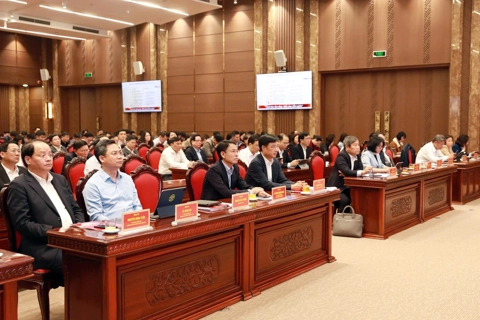
Prime Minister Pham Minh Chinh made the announcement at a national conference on November 1 in Hanoi, urging ministries and local authorities to submit the final government decree within days so the project can officially launch in November 2025.
The conference was connected online to locations in the United Kingdom, the Czech Republic, Hong Kong (China) and Indonesia.
One center, two destinations
The Vietnam's International Financial Center will operate under a “one center, two destinations” model, featuring two major hubs in Ho Chi Minh City and Danang. Despite being located in different regions, both sites will share a unified supervisory body and a dedicated court to handle financial and commercial disputes.
“The model ensures centralized governance and consistent legal oversight while allowing each hub to develop its own specialization,” said Chinh.
According to the Finance Ministry, the Ho Chi Minh City hub will serve as the main financial core, focusing on securities, banking, fund management and corporate listings. Meanwhile, Danang will concentrate on logistics, maritime finance and supply chain services - sectors that leverage the city’s strategic position as a gateway to the East Sea.
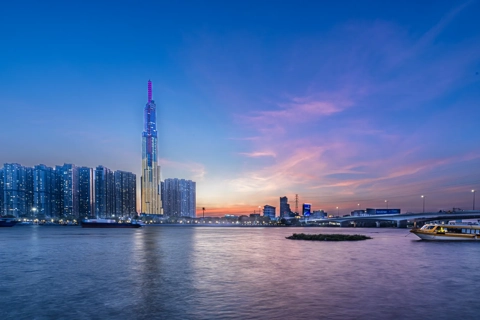
The Ho Chi Minh City site will span about 899 hectares, while the Danang hub will cover around 300 hectares, both designed to meet international standards of infrastructure, connectivity and sustainability.
Finance Minister Nguyen Van Thang said the forthcoming decree would establish the legal framework for the center’s operations, including governance, regulatory standards and special mechanisms that allow flexibility within Vietnam’s legal system.
“The framework must be competitive, transparent, and predictable to win investor trust from the very start. The international alignment will be key to attracting major global institutions,” said Thang.
He said that the VIFC will not only serve as a financial platform but also as an incubator for fintech, green finance and digital innovation, which are critical components of Vietnam’s economic modernization.
The ministry is finalizing detailed guidelines for taxation, dispute resolution and investor protection to ensure that both domestic and foreign participants can operate under clear, consistent and secure rules, according to Thang.
Balancing global standards with local priorities
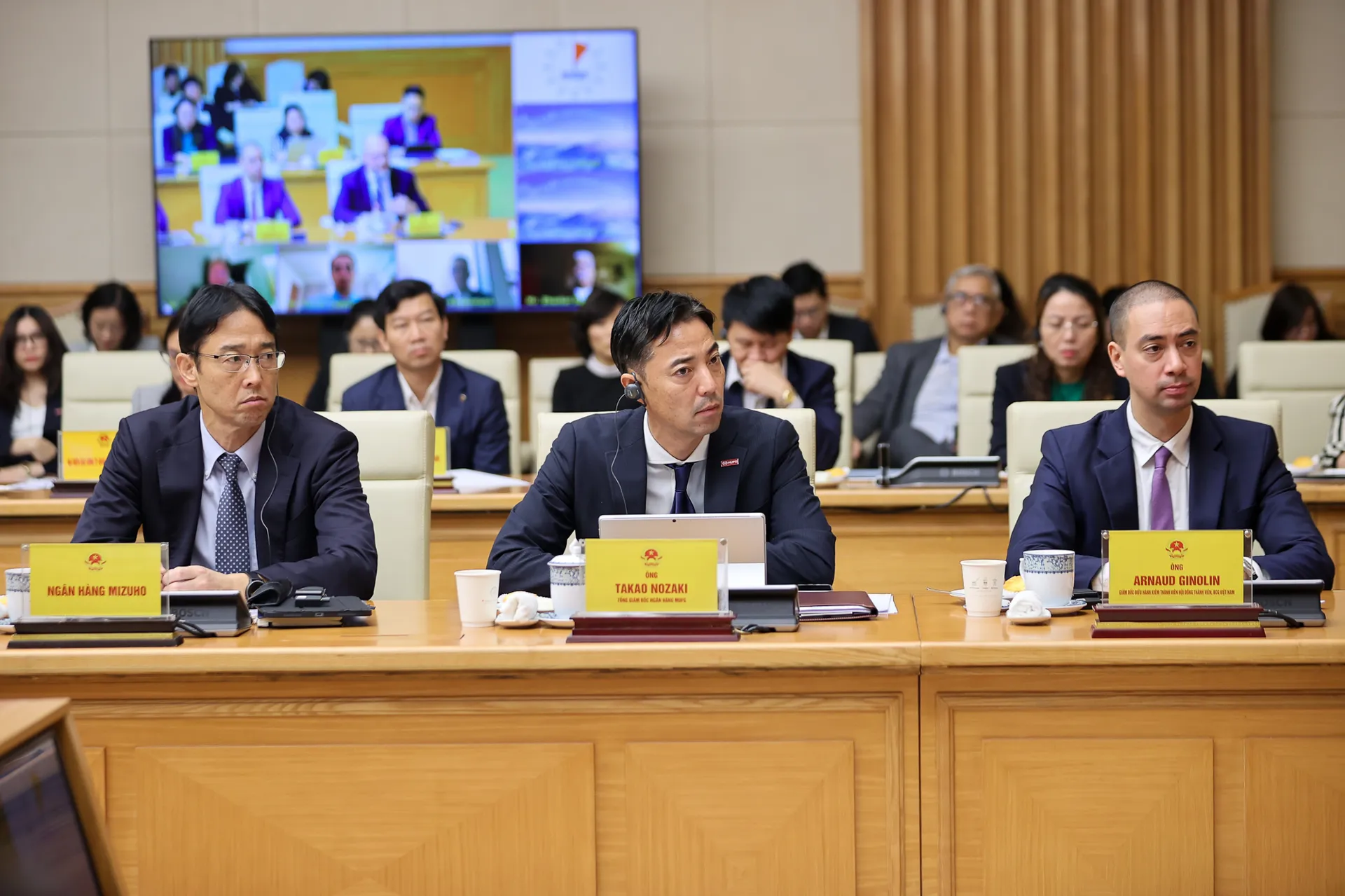
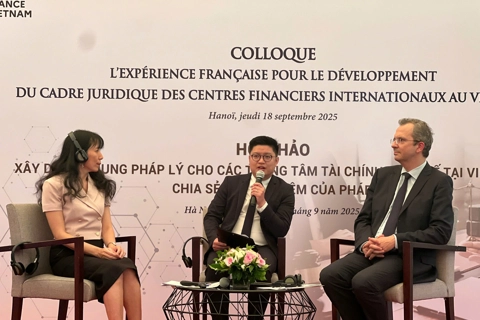
Foreign delegates attend the conference.
Prime Minister Chinh stressed that the center must align with global best practices while reflecting Vietnam’s unique conditions. He called for “decisive and flexible” implementation to maintain progress without rushing critical regulatory work.
“We will not be perfectionists or hasty, but we will not miss any opportunity,” he said.
The Prime Minister added that the financial center will operate on digital and AI-driven systems, using smart platforms for transactions, data management and oversight. A “one-stop, one-seal” mechanism will streamline administrative processes cutting red tape and improving transparency.
Chinh said that Ho Chi Minh City and Danang must develop livable environments, with strong urban infrastructure, education and healthcare systems, to attract top-tier talent. At the same time, financial and legal policies must remain competitive yet stable, ensuring confidence for long-term investors.
“The international financial center must not create barriers to other financial hubs. It should complement Vietnam’s financial ecosystem and contribute to regional cooperation,” said Chinh.
Vietnam’s International Financial Center is expected to become a magnet for capital, talent and technology, integrating finance with innovation, trade and digital transformation.
The project will bring together banks, investment funds, fintech companies and global corporations seeking opportunities in Vietnam’s fast-growing economy. It is also designed to enhance Vietnam’s financial resilience and capital market development, supporting the country’s ambition to become a high-income economy by 2045.
Chinh reaffirmed that science, technology and innovation would serve as the foundation for the VIFC’s success. He urged government agencies to strengthen international partnerships and adopt flexible policies that adapt to rapid changes in the global financial landscape.
“Vietnam is determined to turn the impossible into possible. This center will symbolize our openness, our ambition, and our readiness to integrate deeply into the global economy,” said Chinh.
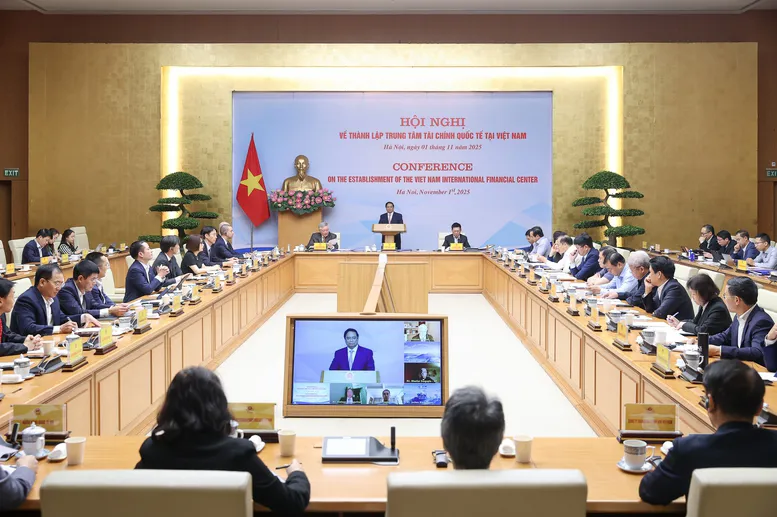
Concluding the conference, Chinh thanked international partners, financial experts and policymakers who contributed to the project’s design and legal framework.
He instructed ministries to finalize and submit the decree within days, ensuring that the financial center will begin operation this November.
Once launched, the Vietnam International Financial Center will represent a milestone in the country’s economic development, connecting domestic capital markets with global financial flows and reinforcing Vietnam’s position as a rising financial hub in Asia.