France promises full support for Vietnam in building world-class international financial center
Vietnam’s decision to establish an international financial center (IFC) is both ambitious and groundbreaking, yet experts from France believe it is entirely feasible given the country’s advantages.
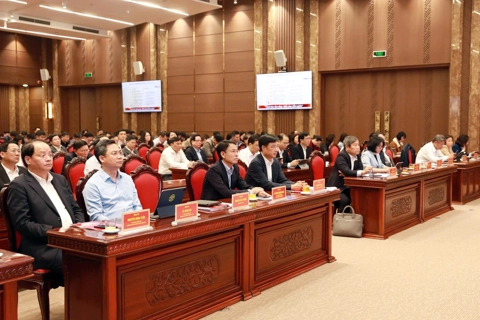
THE HANOI TIMES — Vietnam has all it takes to develop an international financial center, said Olivier Vigna, Deputy CEO of Paris Europlace, at a workshop in Hanoi on September 18.
The executive from Paris Europlace, representing more than 600 members of Paris’s financial ecosystem, identified three pillars for a successful international financial center: market size and population, available capital and sustainable economic growth.
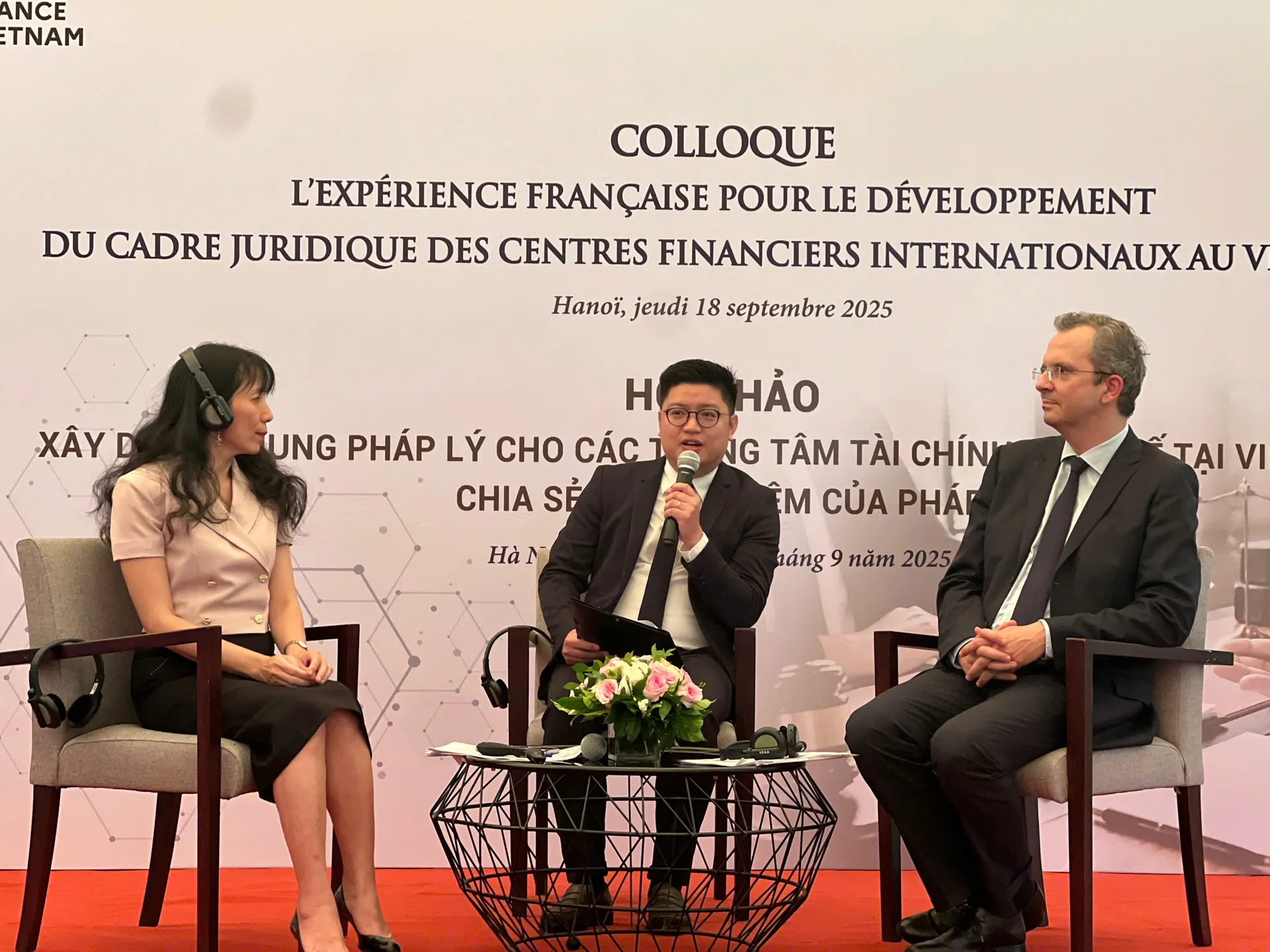
“Vietnam today is a large and dynamic economy. Its population scale also makes the Vietnamese market highly attractive,” said Vigna.
Olivier Brochet, French Ambassador to Vietnam, shared the same view, stressing that “Robust economic growth, a strategic geographical position, and dynamic reforms provide Vietnam with a strong foundation to become a major financial hub in Southeast Asia.
He pledged that the French government is committed to supporting Vietnam’s ambition, both economically and legally, based on their long-standing relations.
“Vietnam and France have shared over 30 years of extensive legal cooperation, with Vietnam’s Civil Code partly inspired by the French Civil Code,” he noted, adding that the quality of France–Vietnam ties creates advantages for dialogue and cooperation, particularly in finance.
Dao Thanh Huong, Deputy Director-General of Vietnam's Foreign Investment Agency under the Ministry of Finance, said that the development of an international financial center is unprecedented for Vietnam, calling it one of the country’s strategic breakthroughs.
“It paves a new way to mobilize international resources for nationwide development and deepens Vietnam’s connectivity with global financial markets,” Huong said.
She stressed the need for a strong legal framework, describing it as “one of the first and most crucial steps to shape the center, with international cooperation providing strong support.”
According to Huong, Vietnam is moving “from administration to facilitation” and “from legal framework creation to controlled piloting”, thereby opening institutional space to attract global financial capital and technological expertise as new drivers of growth.
She emphasized that Vietnam needs international consultation and cooperation, especially with France.
Such support would help Vietnam design a comprehensive legal framework, connect international investors, and promote mechanisms in green finance and innovation, Huong said.
Lessons from France
As the world’s seventh largest economy, France has valuable lessons to share.
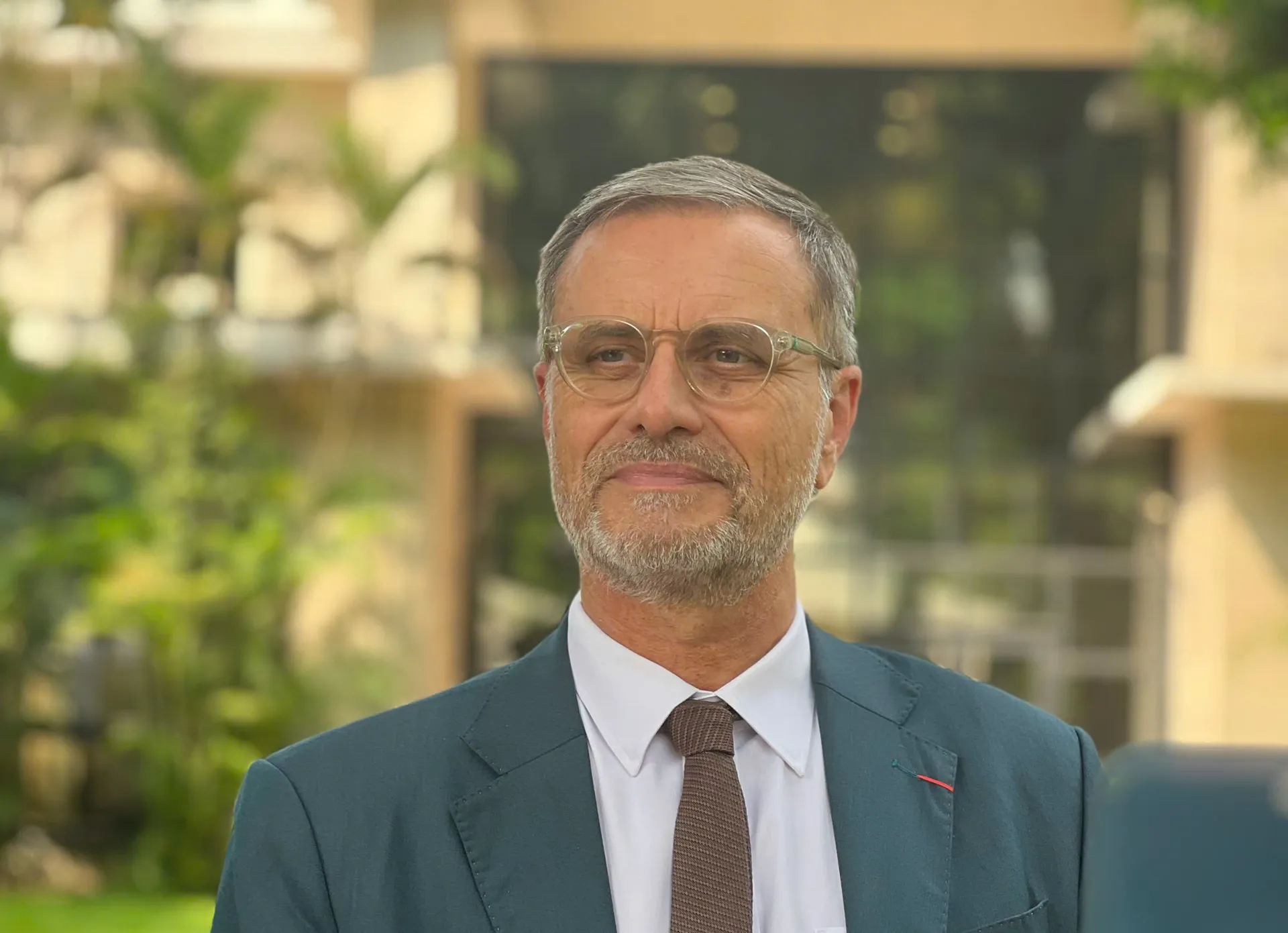
Olivier Brochet, French Ambassador to Vietnam. Photo: Cam Anh/The Hanoi Times
Clarity and transparency, stability, and predictability are the three legal attributes which are essential for building a competitive international financial center, said Deputy CEO Olivier Vigna.
“These qualities allow businesses to adapt and operate with confidence,” he told The Hanoi Times, adding that success also requires an open ecosystem where financial institutions, companies, consultants, law firms, and regulators can collaborate and engage in continuous dialogue.
He suggested that Vietnam’s future center should focus on technological innovation, energy transition, and green finance, areas where French financial institutions have deep expertise and are ready to share knowledge.
At the workshop, Ambassador Brochet shared France’s own challenges in developing its international financial center.
The first was creating a legal framework balancing international standards with local conditions. The second was ensuring effective governance and dispute resolution.
France addressed these with tools such as a specialized Court of Appeal in Paris, modern arbitration laws, and partnerships with international arbitration bodies.
“These solutions could also benefit Vietnam,” he said.
He further stressed that the most critical factor is human resources. World-class financial centers differ not just in infrastructure and technology but also in expertise.
“Through partnerships with universities and specialized training programs, Vietnam can build professionals capable of meeting global demands,” he noted.
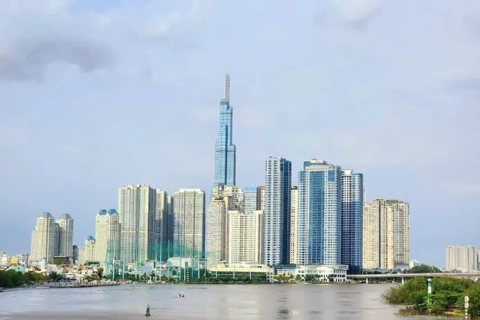
Vietnam’s National Assembly adopted Resolution 222/2025/QH15 in late June 2025 on establishing an international financial center with dual headquarters in Ho Chi Minh City and Danang.
The decision marks a regulatory breakthrough, aiming to channel investment for national development while testing new growth models. Vietnam plans to launch the project by the end of 2025.