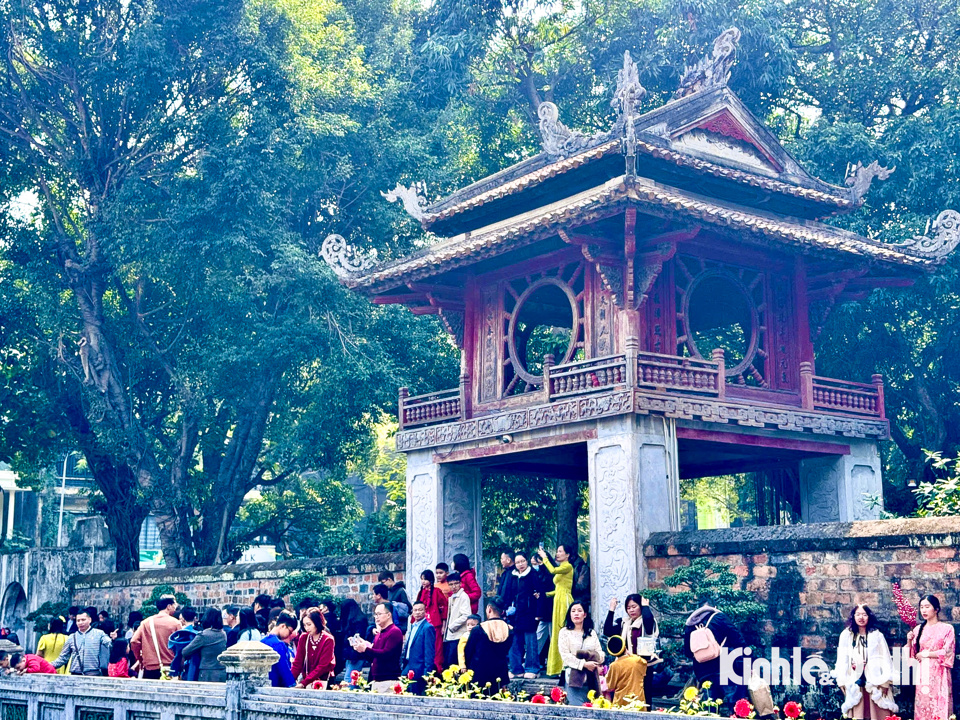
On the third day of the Lunar New Year of the Snake (At Ty), crowds flocked to Van Mieu - Quoc Tu Giam (Temple of Literature) in Hanoi to welcome the New Year, enjoy the festive atmosphere, and participate in the cherished tradition of calligraphy.
|
| A long queue of visitors at Van Mieu-Quoc Tu Giam. Photos: Duy Minh/ Kinh te & Do thi Newspaper |
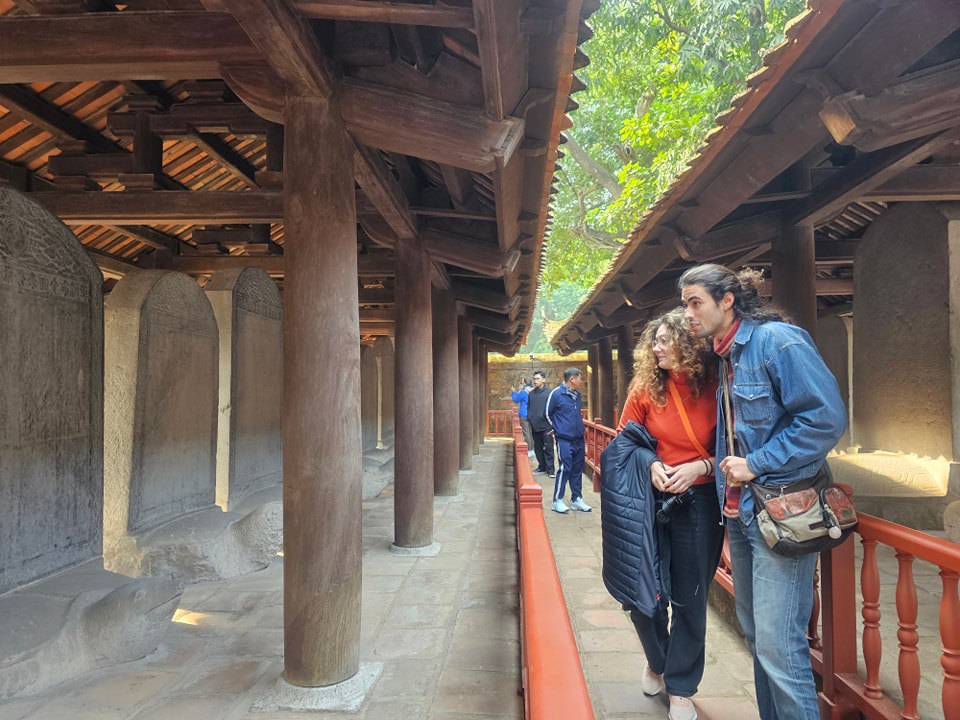
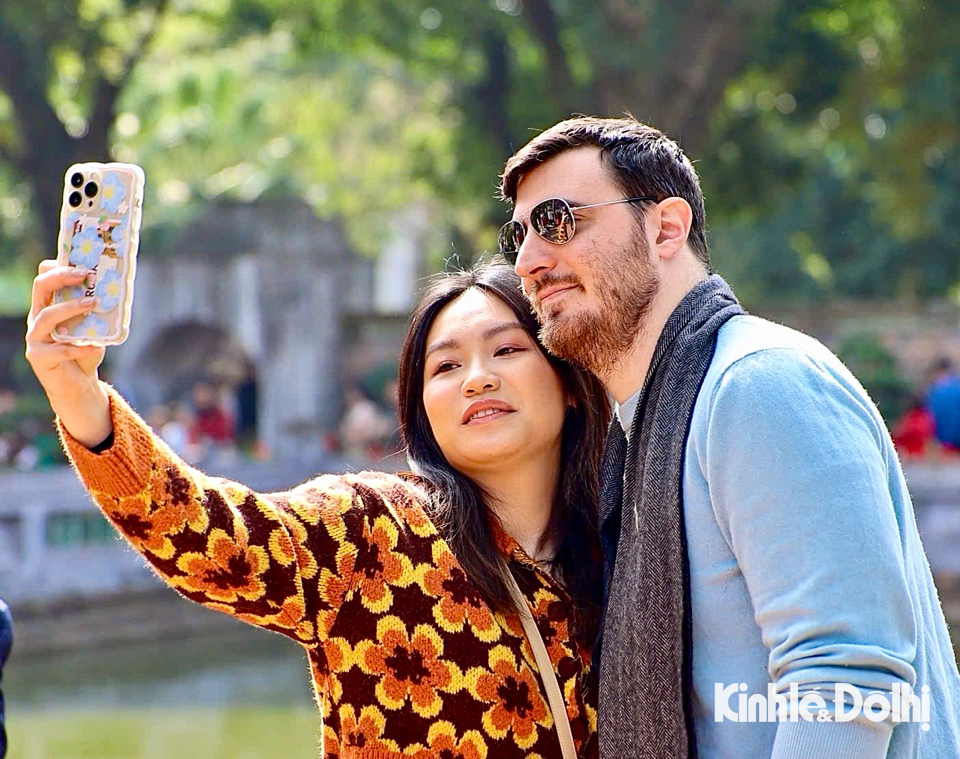
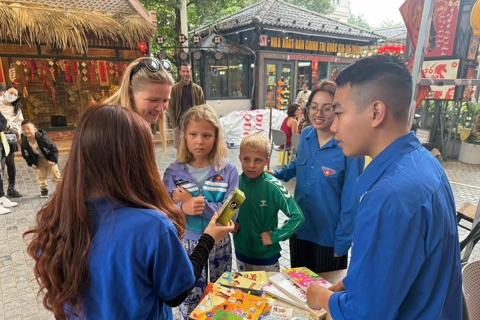
People from across Vietnam, along with foreign tourists, gathered at the historic site to receive blessings for success, prosperity, and wisdom. Many arrived early to admire the ancient architecture and immerse themselves in the festive spirit of Tet.
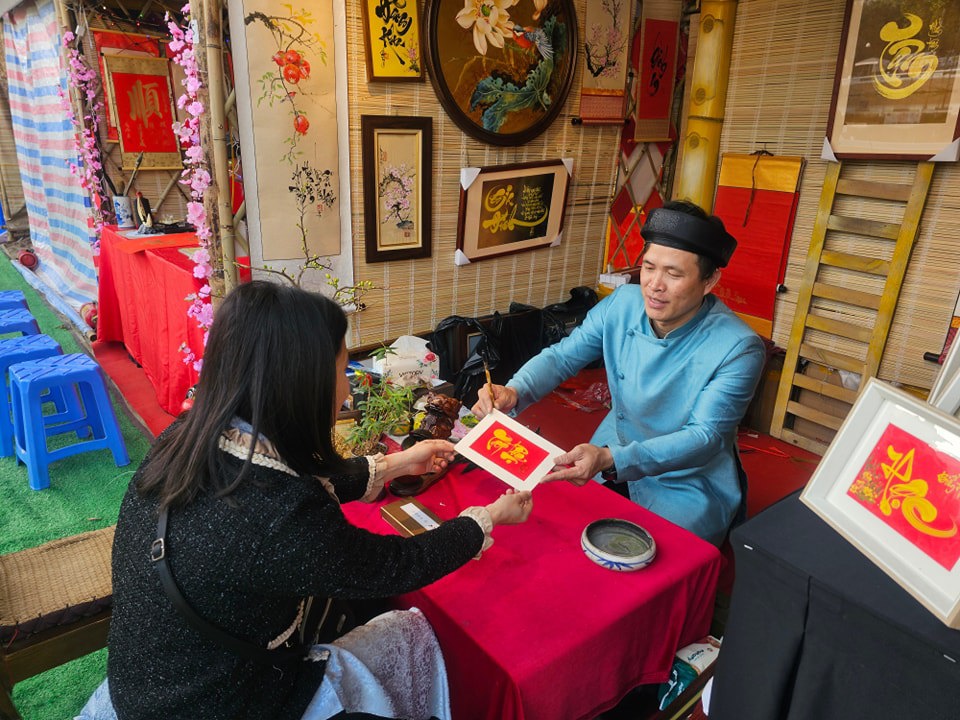
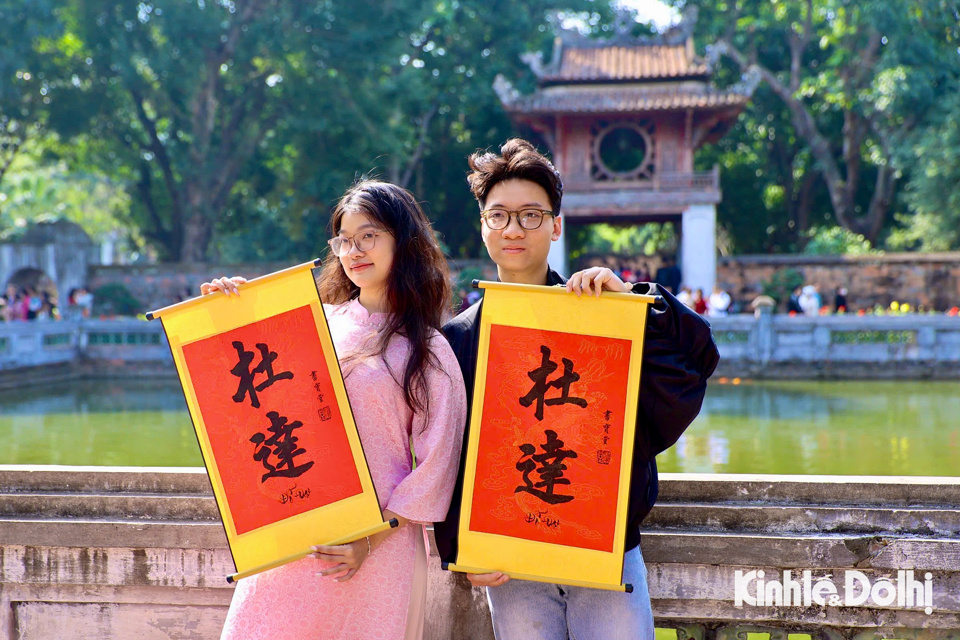
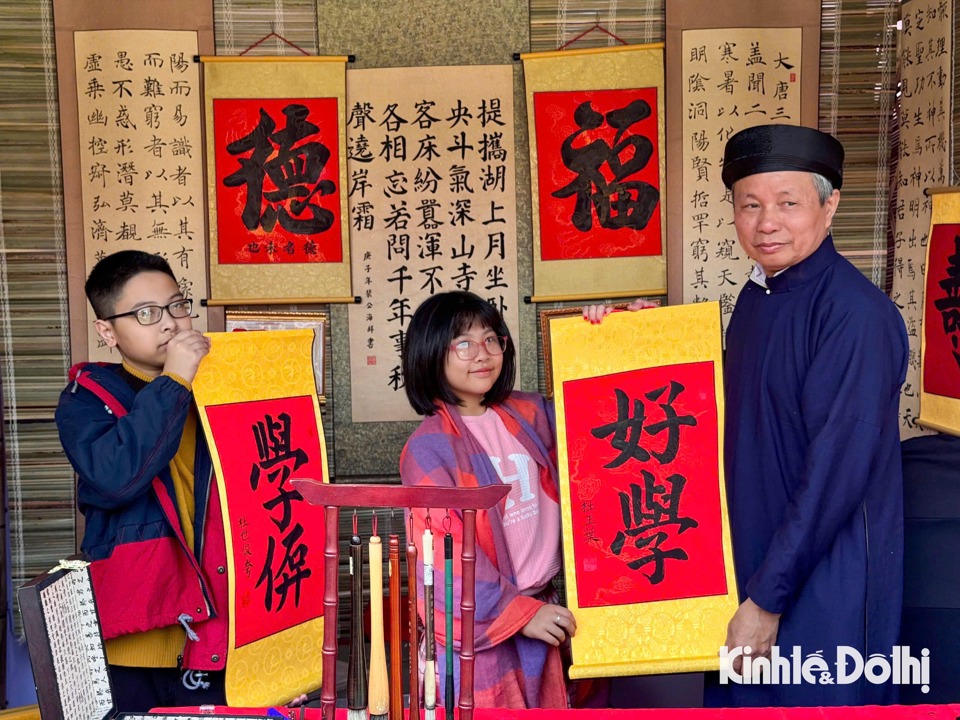
A highlight of the visit was the traditional calligraphy display, in which skilled "ong do" (calligraphy masters) performed the lettering of the words such as "knowledge," "virtue," and " good fortune" on red paper. The practice, deeply rooted in Vietnamese culture, represents hope for a bright and prosperous year ahead. "I come here every Tet and it has become a family tradition," said Bui Thi Hieu, 79, who drove from Long Bien to bring her grandchildren to see the calligraphy masters.
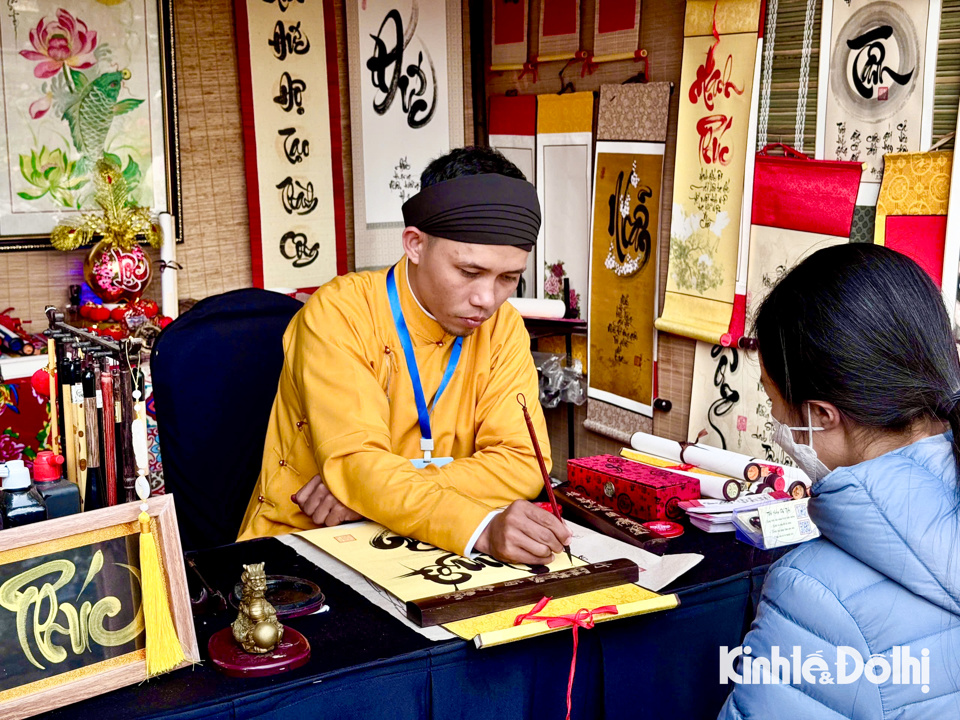
In Thai Hoc Courtyard, visitors gathered around calligraphy masters as they wrote characters such as "Tri" (wisdom), "Tam" (heart), "Phuc" (blessing), and "Nhan" (patience). Nearby, in Dai Thanh Courtyard, pre-framed calligraphy artwork was available for purchase. These pieces of art make meaningful decorations for homes and businesses.
Among the visitors was Trung Duc, a mechanical engineer with a master's degree, who brought his two young children to experience the tradition. "I want my kids to appreciate Vietnamese literature and history, while fostering a love for learning. This is a meaningful way to start the New Year with inspiration and knowledge," he said.
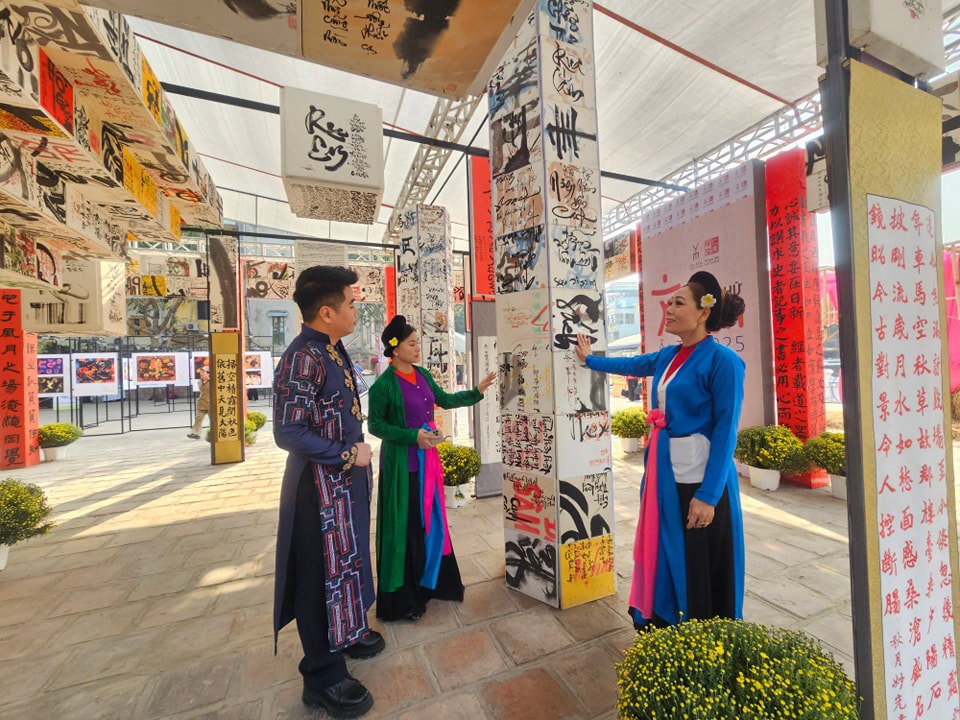
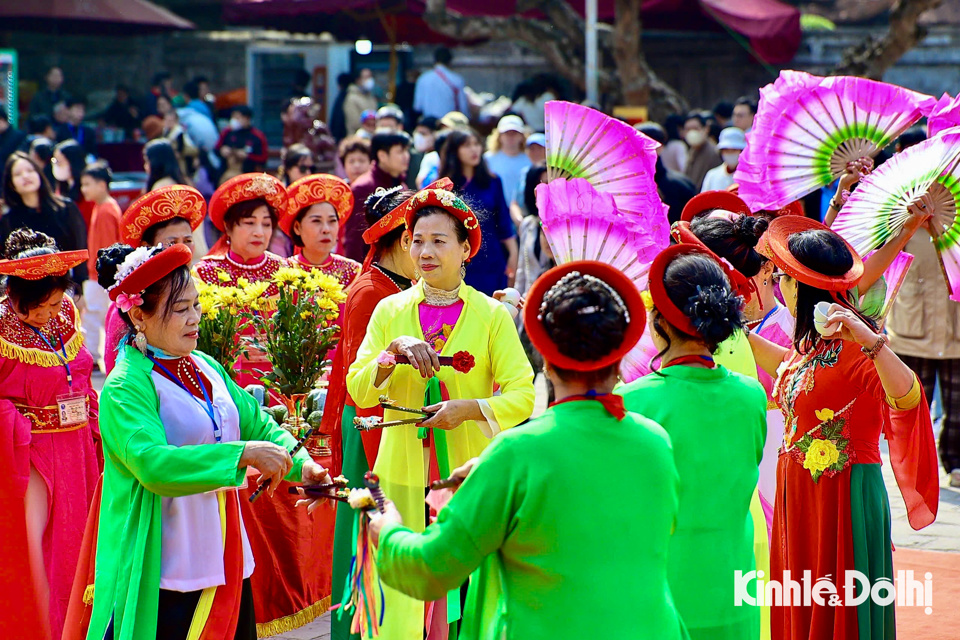
In addition to calligraphy, visitors enjoyed various Tet activities including human chess, ceremonial rituals and traditional performances. Around Ho Van Lake, 47 pavilions hosted calligraphy masters who showcased their skills and shared the meaning behind each word they lettered.
Van Mieu-Quoc Tu Giam, one of Hanoi's most important cultural landmarks, attracts thousands of visitors every Tet. The enduring appeal of calligraphy at this historic site underscores Vietnam's long-standing reverence for knowledge and tradition, and the drive to keep this cherished practice alive in the modern era.
|
| Every year in the first days of the New Year, the Temple of Literature attracts a large crowd of people who come in search of auspicious words. |
|
| Founded in 1070 during the reign of King Ly Thanh Tong, the Temple of Literature is Vietnam's first university and serves as the ideal venue for this meaningful ritual. |
|
| Despite the challenges the country has faced over the years, the importance of education has remained a priority, and many generations of teachers and students continue to make progress. |
|
| The traditional spring calligraphy activity is held in the Thai Hoc Hall inside the temple. |
|
| Huyen Trang, a student from Cau Giay District, says that requesting calligraphy is an annual tradition for her to wish her family good health and happiness in the coming year. |
|
| Many families have visited the Temple of Literature to enjoy the spring atmosphere and receive their first calligraphy of the year, hoping for a happy Lunar Year of the Snake. |
|
| Around the Van Lake, part of the Temple of Literature, various stalls are set up, offering not only traditional Sinographic-Nom calligraphy, but also modern Vietnamese (Latin) characters, each imbued with cultural significance. |
|
| The calligrapher listens to the guests' wishes and translates them into writing, hoping that the wishes will come true. |
|
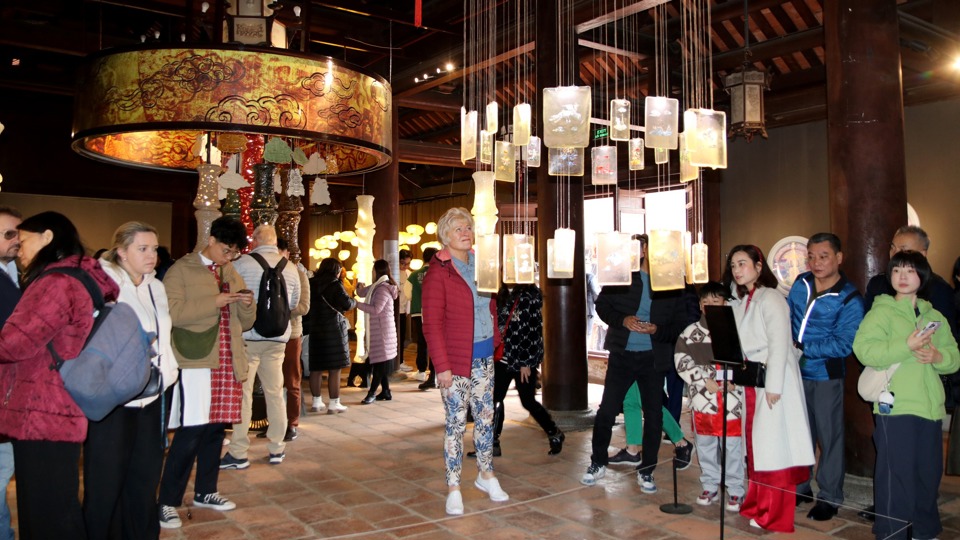
| In addition to calligraphy, Van Mieu hosts a variety of cultural activities, including folk performances and traditional games, which bring joy to all visitors. |
|
Foreign tourists also enjoy the opportunity to immerse themselves in the rich cultural experiences offered by this iconic Hanoi landmark.
|