14TH NATIONAL CONGRESS OF THE COMMUNIST PARTY OF VIETNAM
Log in
Life

Exhibition of traditional Japanese pottery to be opened in Hanoi

The exhibition of Yakishime-style ceramics aims to help Hanoi residents and visitors understand the diversity of Japanese culture and appreciate Japanese creativity.

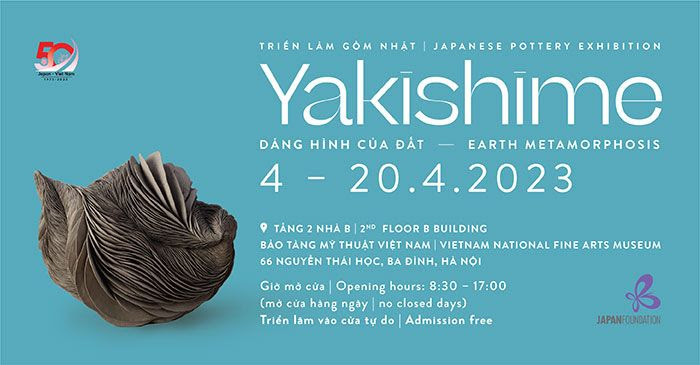
The ceramics exhibition titled "Yakishime - Earth Metamorphosis" will be held from April 4 to 20 at the Vietnam National Fine Arts Museum, Hanoi, according to the Japan Foundation Center for Cultural Exchange in Vietnam.

The poster of the “Yakishime - Earth Metamorphosis” provided by the Japan Foundation in Vietnam

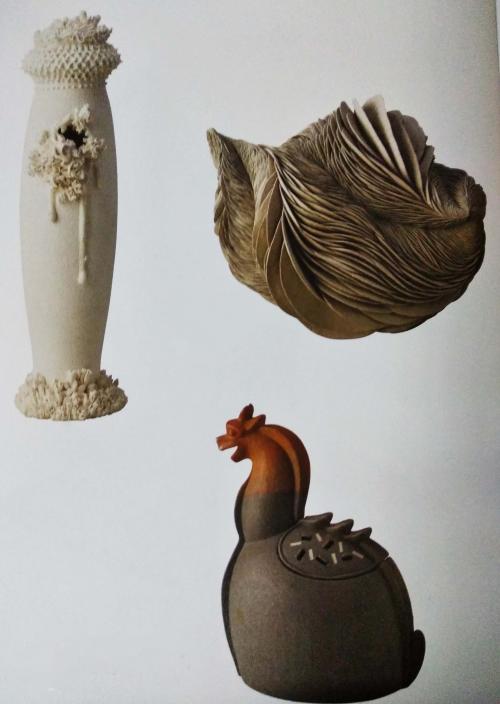
"Yakishime - Earth Metamorphosis" focuses on the ceramic technique of yakishime, the firing of unglazed wares at high temperatures. While one of the most basic means of producing ceramics, yakishime has developed in distinctive directions in Japan. This exhibition introduces an aspect of Japanese culture by examining yakishime from the earliest examples to contemporary works.

The earliest known examples of yakishime ware date back to the fourth or fifth century. However, it was not until the twelfth through the seventeenth centuries that the technique became firmly established and was used in a significant portion of the production of the major ceramic centers in Japan, including Bizen, Shigaraki, and Tokoname.

This exhibition presents functional Yakishime wares of two types: utensils used in the tea ceremony - a major influence on the development of traditional Japanese culture, and tableware - an essential part of everyday life in Japan. It also features various non-utilitarian objects created by contemporary ceramic artists working with yakishime.
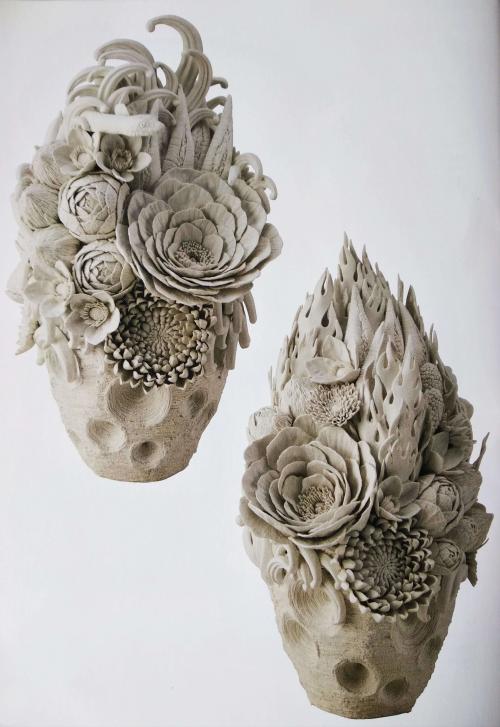
The beauty of Japanese Yakishime ceramics. File Photo

According to Japanese experts, the key elements of Yakishime are firing, clay, and form. Two kilns are used: Anagama, a single-chamber tunnel kiln, and Noborigama, a multi-chamber climbing kiln. Temperatures can reach 1350 degrees Celsius (some push it up to 1500 degrees), and a kiln can be fired for up to sixty days.

The clay, like the rice in sake, determines the "flavor" of the pot - this is called "tsuchi-aji" or clay flavor. In a yakishime pot, tsuchi-aji is very important.

Like sake rice, it removes many of the impurities from the clay. However, some potters like rougher clay and leave in small stones that sometimes burst out on the surface during firing. This is called ishihaze.

The exhibition organizer hopes that by experiencing this wide variety of yakishime wares, local people and visitors to Hanoi will become aware of the depth and diversity of Japanese culture and gain insight into its creation.

The exhibition is open daily from 8:30am to 5pm.

 Yakishime wares are considered part of Japan’s traditional culture. File Photo

Reactions:
Share:
Trending
Most Viewed
Related news
Vietnam-themed short documentary festival opens doors to international entries 

Vietnam-themed short documentary festival opens doors to international entries 

The festival targets filmmakers under 30, including students and young creatives exploring documentary filmmaking.

Northern ethnic heritage shines in Hanoi Lunar New Year showcase

Northern ethnic heritage shines in Hanoi Lunar New Year showcase

An early Lunar New Year showcase for international and domestic visitors highlights the traditions of northern ethnic communities, reflecting broader efforts to preserve and promote intangible cultural heritage.

Vietnam screens revolutionary classics ahead of Communist Party Congress

Vietnam screens revolutionary classics ahead of Communist Party Congress

Hanoi will host a four-day showcase of landmark Vietnamese films this month, using cinema to revisit the country’s revolutionary past as the Communist Party prepares for its 14th National Congress.

Student brings musical theater closer to young audiences in Hanoi

Student brings musical theater closer to young audiences in Hanoi

Musical theater may still sit at the margins of Vietnam’s cultural life but on a student-built stage in Hanoi, young performers are quietly closing that gap and inviting the public into the world of song, movement and storytelling.

“New Vision - New Era”: Art program to mark 14th Party Congress

“New Vision - New Era”: Art program to mark 14th Party Congress

Designed as both a cultural celebration and a moment of reflection, the art program aims to capture Vietnam’s journey through reform and renewal, using performance to evoke the country’s past, present and ambitions for the future.

Van Phuc Silk Village charts new path as sustainable tourism hub

Van Phuc Silk Village charts new path as sustainable tourism hub

One of Hanoi’s most renowned traditional craft hubs is set for comprehensive replanning to preserve its cultural heritage while positioning it as a model for sustainable tourism development.

Hanoi in red: A capital prepares for Vietnam’s next chapter

Hanoi in red: A capital prepares for Vietnam’s next chapter

Ahead of the 14th National Party Congress, Hanoi has been adorned in red, signaling political continuity, authority and Vietnam’s long-term ambitions.

Creative Design Festival 2026 opens with focus on creative economy

Creative Design Festival 2026 opens with focus on creative economy

Opening with traditional music and folk imagery, Hanoi’s Creative Design Festival 2026 frames creativity as an economic asset, extending design from cultural expression into year-round urban development.