UNESCO considers recognizing Xoe Thai dance as World’s Intangible Cultural Heritage
The unique folk dance is a spiritual symbol and a cultural trait reflecting the vehement vitality and the strength of unity among Vietnam’s northwestern ethnic minorities.
During the 16th session of UNESCO’s Intergovernmental Committee for the Safeguarding of the Intangible Cultural Heritage, there are 48 nominations for the list of Intangible Cultural Heritage of Humanity, and Xoe Thai dance of Vietnam is one among them.
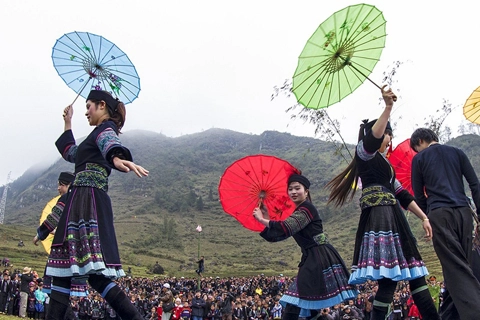
| A performance of Xoe Thai dance in Son La Province. Photo: Tran Anh |
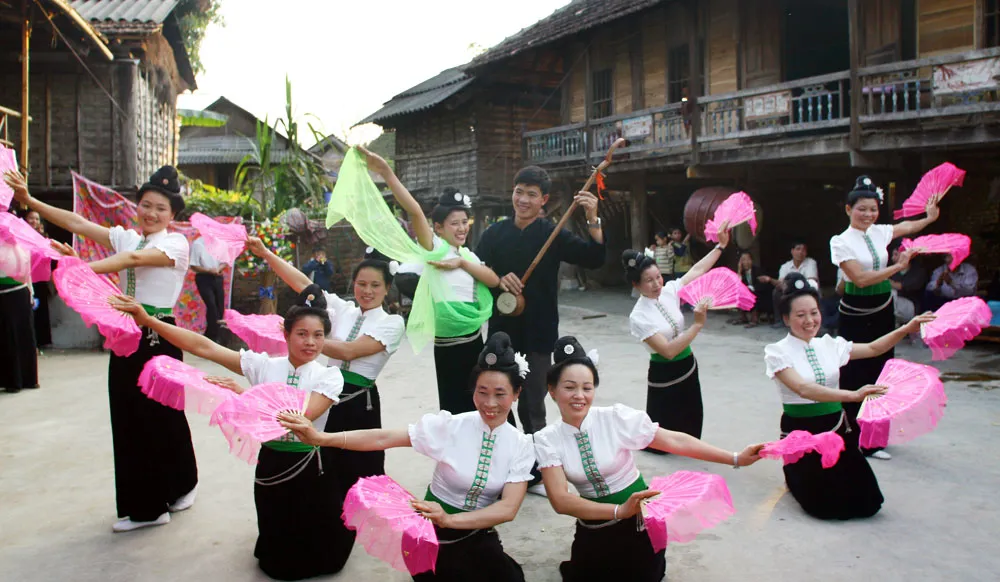
According to folklorist Vo Hung Huy, the folk dance is practiced in the villages of the Thai people who reside mainly in the four provinces of Yen Bai, Lai Chau, Son La, and Dien Bien in the northern mountainous region of Vietnam. Muong Lo District (Yen Bai Province), Muong So District (Lai Chau Province), Muong Lay District and Dien Bien Phu City (Dien Bien Province), Thuan Chau District (Son La Province) are considered the centers of Xoe.
The Intergovernmental Committee will review Vietnam's Xoe Thai Dance Profile between 16:15 and 19:15 on December 15, 2021.
As a traditional dance of the Thai ethnic minority, Xoe dance involves people holding hands and performing six traditional acts, including welcoming, clapping hands, waving scarves, and offering wine.
Huy said that there are six ancient Xoe Thai dances that are often performed during important ceremonies such as festivals, Tet celebrations, weddings, among others.
“The beats to the ancient dances are to express the joy of people. In each dance, Thai people display their distinctive cultural traits and personalities,” he stated.
As a unique dance form that has been well preserved for hundreds of years, dancing brings people together. Dancing to the beats of the drum, gong and cymbals encourage people to love their life and be more in tune with nature and their peers.
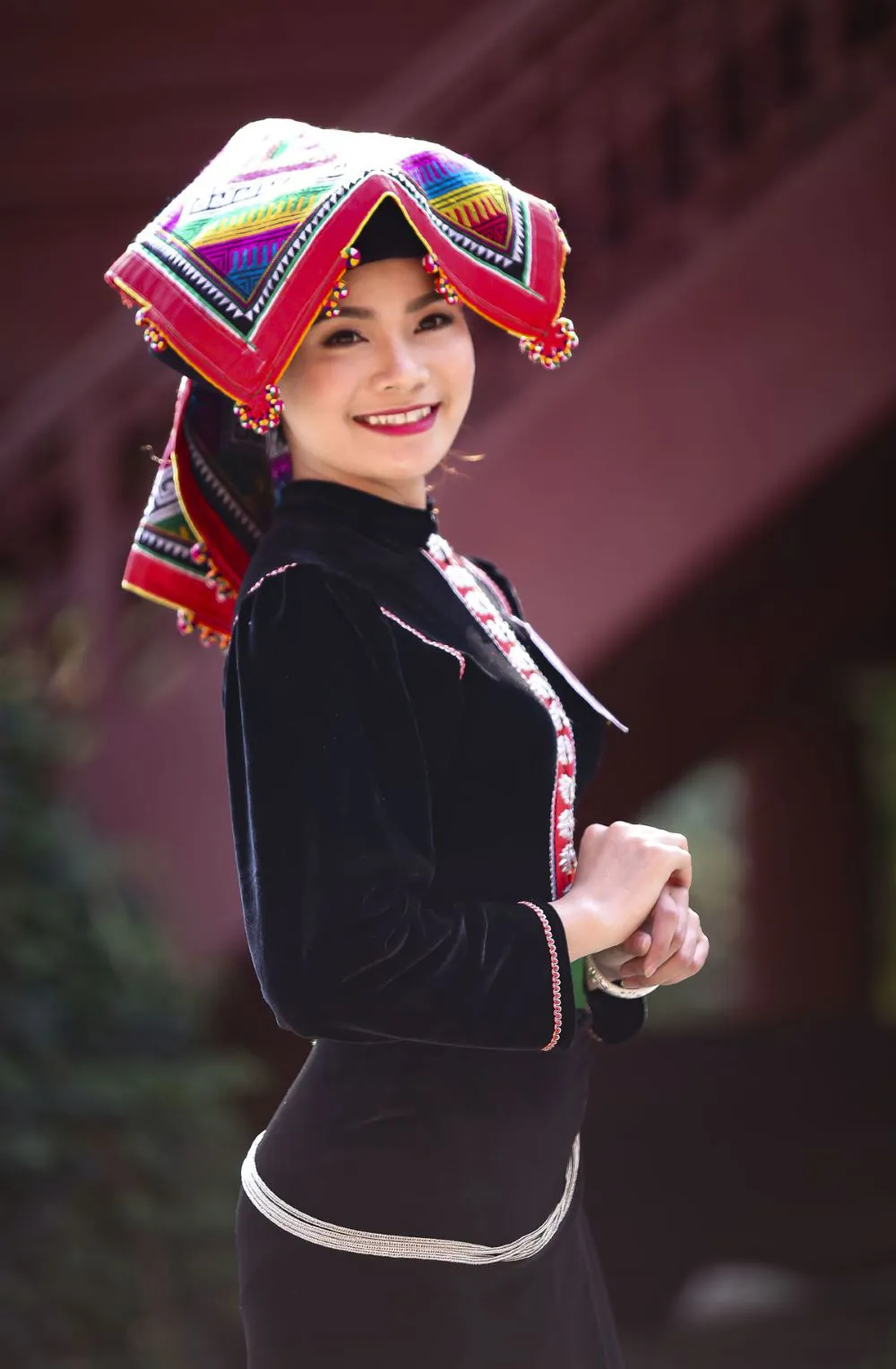
| A charming girl from the Thai ethnic group, Son La Province, Vietnam. Photo: Le Vinh/ VOV Tay Bac |
Punchi Nilame Meegaswatte, Secretary-General of the Sri Lanka National Commission for UNESCO, will chair this annual gathering which brings together hundreds of delegates including representatives of States Parties, non-governmental organizations, cultural institutions, and other stakeholders from across the globe.
The 16th session of UNESCO’s Intergovernmental Committee for the Safeguarding of the Intangible Cultural Heritage takes place on the virtual form, starting from 13 to 18 December.
The Committee will evaluate nominations submitted by States Parties for inscription on the Lists of the Convention of 48 elements for inscription on the Representative List of the Intangible Cultural Heritage of Humanity, six elements for inscription on the List of Intangible Cultural Heritage in Need of Urgent Safeguarding, five proposals for the Register of Good Safeguarding Practices and three International Assistance requests exceeding US$100,000 submitted by Djibouti, Mongolia, and Timor-Leste.
The 16th session will also examine the report of the Intangible Cultural Heritage-NGO Forum, periodic reports on the implementation of the Convention in Latin American countries, periodic reports of elements inscribed on the Urgent Safeguarding List, reforms to the listing mechanisms of the 2003 Convention, and a report produced by UNESCO’s Internal Oversight Service on the 2003 Convention.