UNESCO showcases Vietnamese tea culture at Hanoi World Culture Festival
The event is an elegant first step toward global heritage recognition to Vietnamese tea-drinking culture.
THE HANOI TIMES — UNESCO officially spotlights Vietnamese tea culture as a “living heritage” at the Cultures of the World Festival Hanoi, held on October 11 and 12 at the historic Thang Long Imperial Citadel .
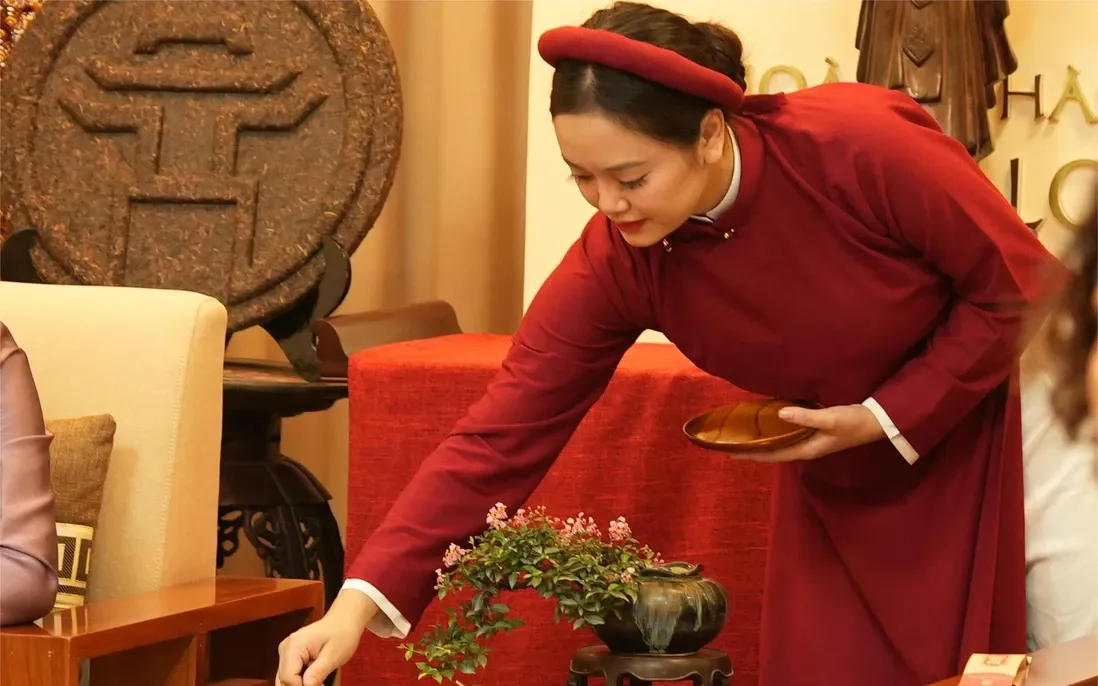
Vietnamese tea is served to visitors at the Cultures of the World Festival Hanoi, held at the Thang Long Imperial Citadel. Photo: Phu Nu Viet Nam
This significant cultural showcase marks Vietnam’s first step toward nominating its tea culture for inclusion on UNESCO’s Representative List of the Intangible Cultural Heritage of Humanity.
As the first international cultural festival of its kind in Hanoi, the event served as a platform to highlight Vietnam’s tea tradition and reaffirm culture’s role in fostering sustainable development and international dialogue.
With its centuries-old rituals, deep-rooted philosophy and connection to nature, Vietnamese tea culture was presented as a quiet yet profound symbol of national identity.
UNESCO Representative in Vietnam, Jonathan Baker, emphasized the enduring significance of this tradition. “The art of Vietnamese tea ceremony is a long-standing cultural practice, imbued with meditation and harmony between people and nature.”
“Heritage is not only something to preserve but also a material to build the future. Through tea, we tell stories about identity, people and connection.”
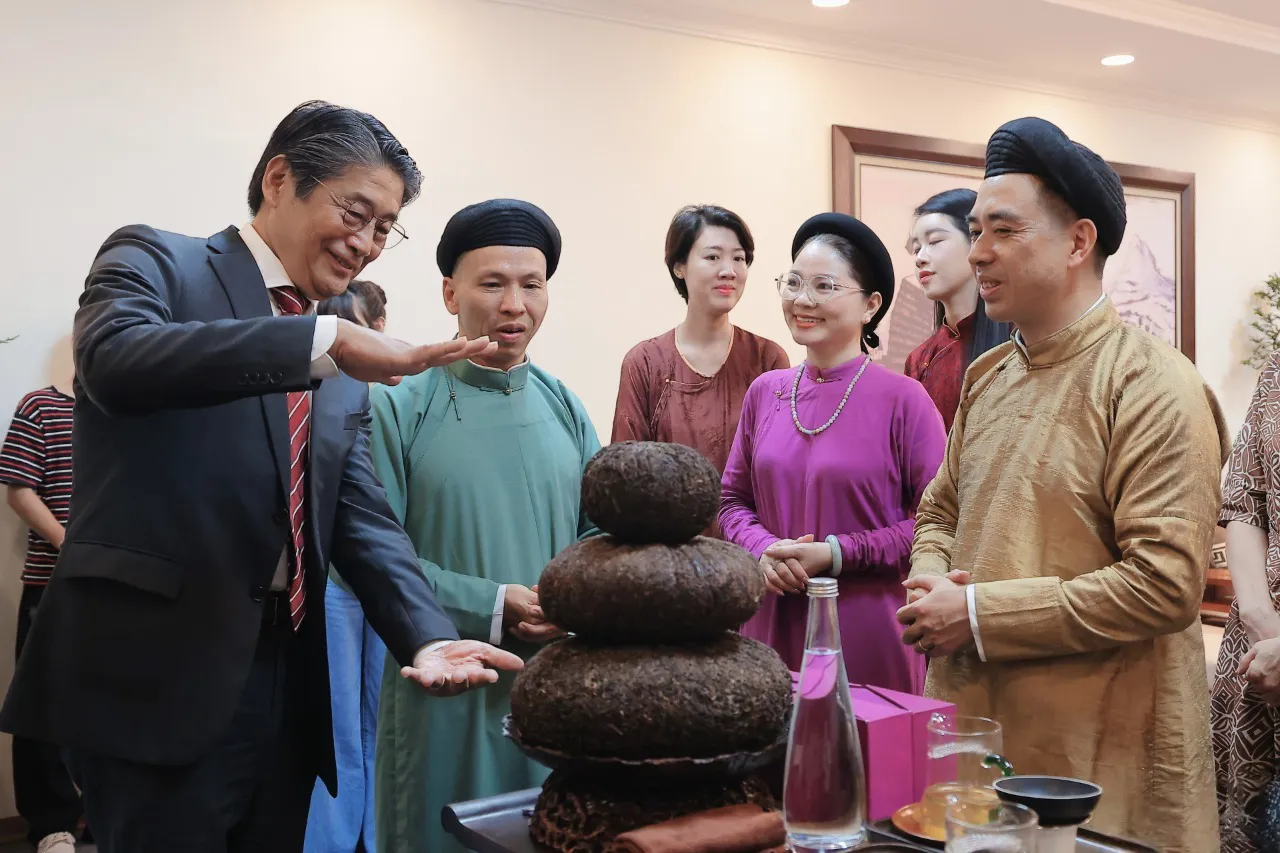
Tourists and tea experts come together to share insights and experiences about Vietnamese tea.
More than just a drink, tea in Vietnam reflects an aesthetics of simplicity and depth. Evolving from a humble drink once shared in the countryside, the practice of tea drinking has become a gentle thread that weaves together nature, people and community.
The tea-drinking space, often minimalist yet deeply intentional, evokes centuries of Vietnamese philosophy, where every gesture reflects respect for tradition and mindfulness.
Throughout the three-day festival, UNESCO hosted a series of curated tea sessions for international guests, attracting ambassadors, UN leaders, cultural experts and leading Vietnamese tea artisans.
Each session unfolded like a living story, where taste, ritual and dialogue blended seamlessly, allowing guests to experience the spiritual and cultural essence of Vietnamese tea.
Beyond the sensory experience, the program also provided a platform to discuss the role of tea in cultural diplomacy, heritage preservation and sustainable development.
As Vietnam prepares to submit its official UNESCO nomination, these meaningful exchanges underscore growing global recognition of tea as a symbol of Vietnamese identity and soft power.