US$102 million international financing pushes forest protection in Vietnam
Soon after Vietnam’s 14th Party Congress, international partners reaffirmed their commitment to the country’s green transition by launching a major climate finance initiative to protect forests, reduce emissions and support rural livelihoods in the Central Highlands and South Central Coast.
THE HANOI TIMES — The Government of Vietnam, in partnership with the International Fund for Agricultural Development (IFAD) and the Green Climate Fund (GCF), today [January 29] launched the US$102.5 million project, a major climate finance initiative aimed at cutting greenhouse gas emissions while protecting critical forest ecosystems.
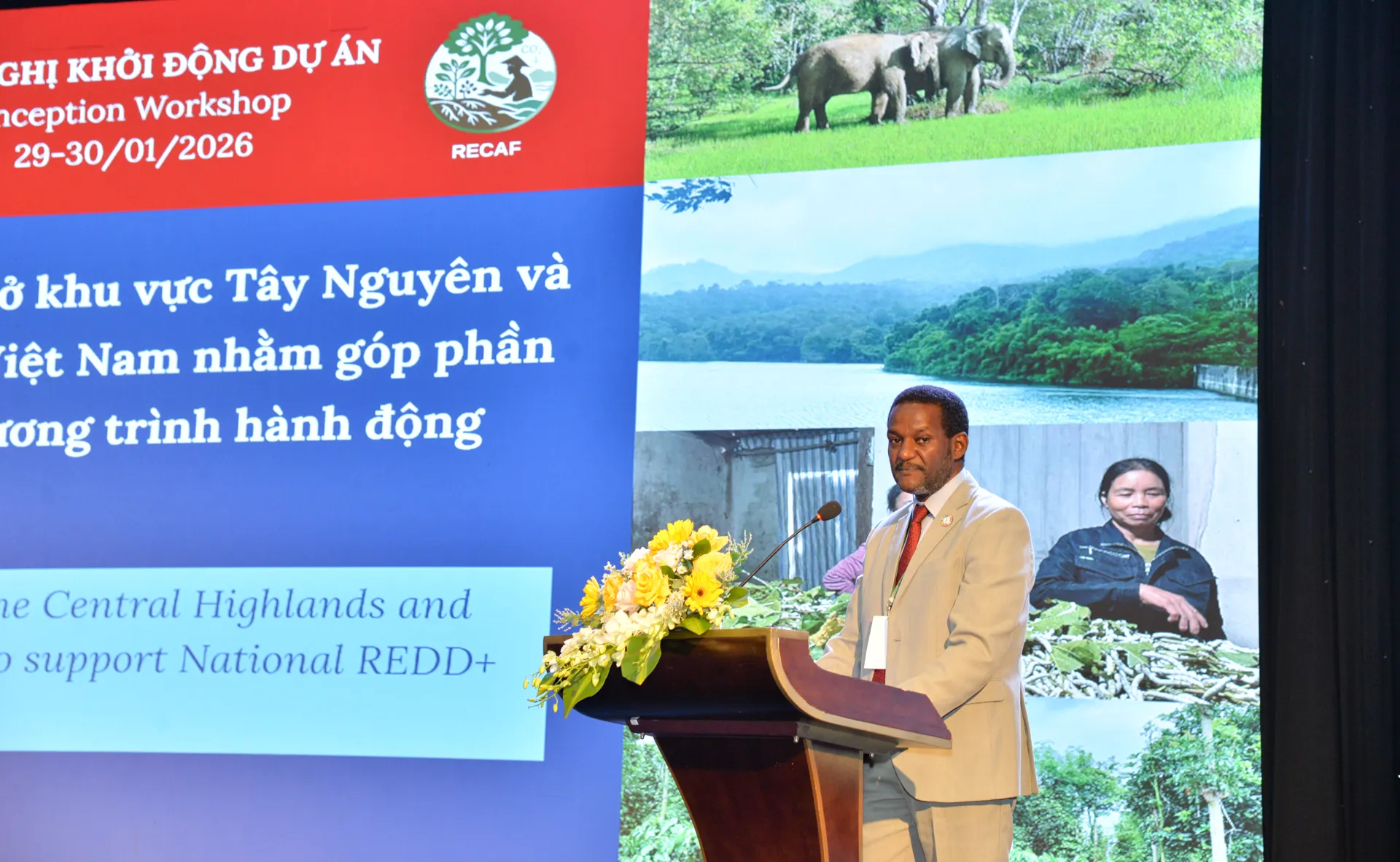
Frew Behabtu, IFAD Country Director a.i. in Vietnam, speaks at the launch of the US$102-million project. Photos: Hoang Pham
The project, titled “Achieving Emission Reduction in the Central Highlands and South Central Coast of Vietnam to Support National REDD+ Action Program Goals” (RECAF), focuses on forest conservation, sustainable agricultural practices and livelihood improvement for rural communities in some of the country’s most climate-vulnerable regions.
Sharing with The Hanoi Times, Frew Behabtu, IFAD Country Director in Vietnam, said RECAF reflects Vietnam’s leadership in linking climate action with rural development.
He affirmed that IFAD is proud to support this project, which places farmers and forest communities at the centre of solutions that build resilience, protect natural resources and create sustainable economic opportunities.

RECAF projects focuses on forest conservation, sustainable agricultural practices and livelihood improvement for rural communities in the Central Highlands and South Central Coast, some of the country’s most climate-vulnerable regions.
Vietnam has recorded rapid economic growth over recent decades, but this has also driven a sharp rise in greenhouse gas emissions, from 0.79 tons of CO₂ per capita in 2000 to 3.81 tons in 2018.
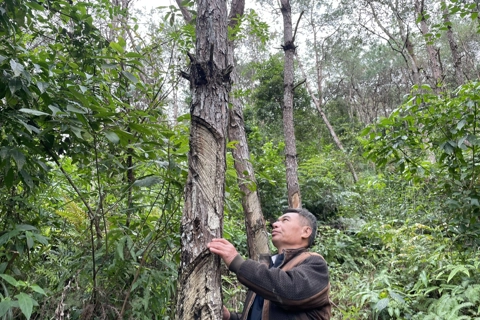
In the Central Highlands, extensive forest loss has heightened climate risks for farming communities, degraded soil fertility and undermined long-term agricultural productivity. Dak Lak Province, one of Vietnam’s main coffee-growing regions, is most exposed to these pressures.

RECAF projects is expected to promote deforestation-free value chains in the region.
The RECAF project is designed to address these challenges by supporting farmers to adopt climate-smart agroforestry practices, strengthening natural forest protection and promoting deforestation-free value chains that underpin sustainable economic growth.
The project is implemented by the Ministry of Agriculture and Environment (MAE) in collaboration with the Provincial People’s Committees of Dak Lak, Gia Lai, Lam Dong and Khanh Hoa, with financing from the International Fund for Agricultural Development (IFAD) and the Green Climate Fund (GCF).
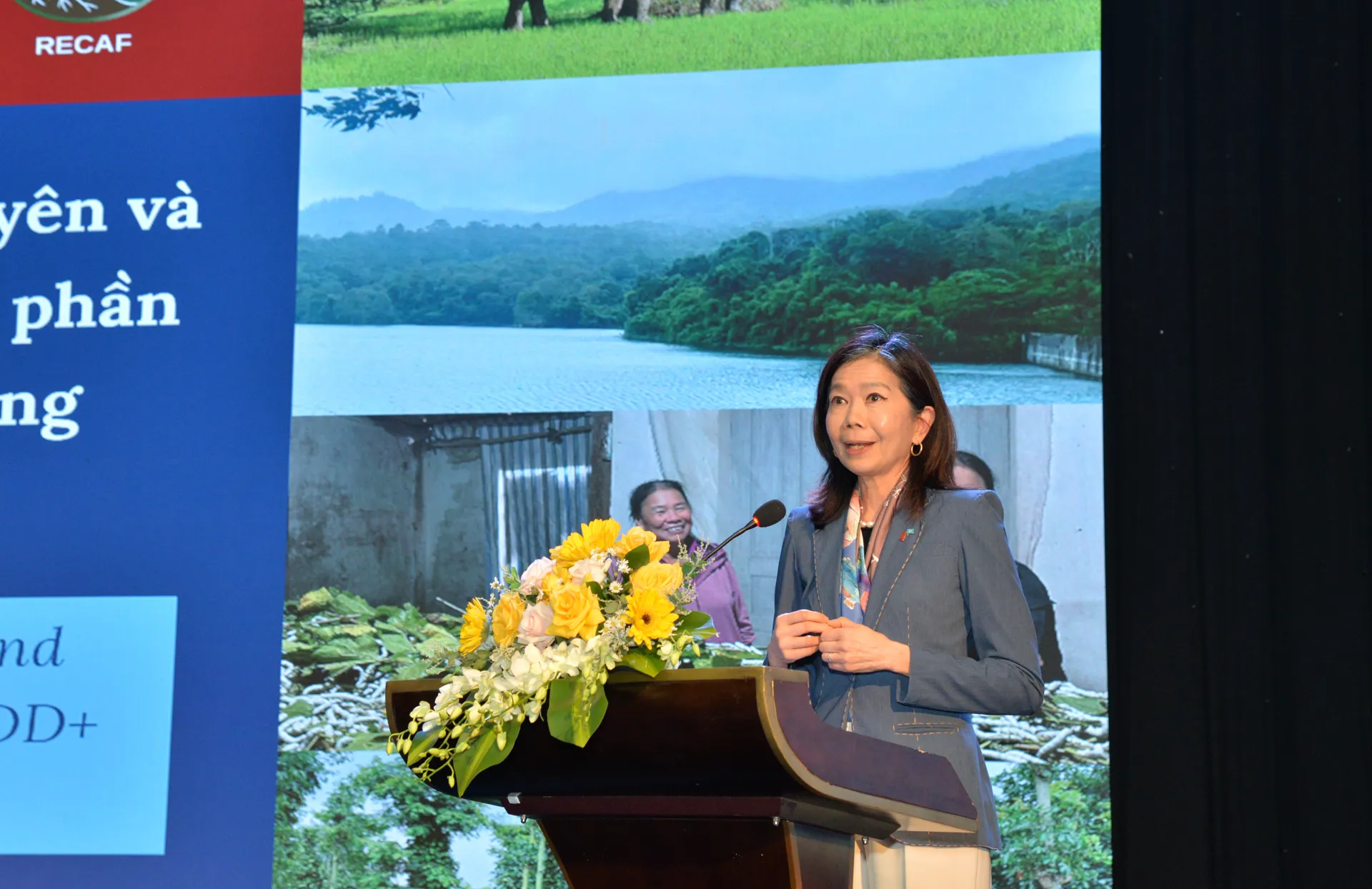
UN Resident Coordinator Pauline Tamesis addresses the event.
UN Resident Coordinator Pauline Tamesis stressed the importance of the project, telling The Hanoi Times that RECAF strongly aligns with the United Nations’ core priorities in Vietnam, particularly Sustainable Development Goal (SDG) 1 on No Poverty, SDG 2 on Zero Hunger, SDG 13 on Climate Action and SDG 15 on Life on Land.
“This project reflects our commitment to integrated solutions where climate action, poverty reduction and sustainable livelihoods are advanced together. From the UN view, by translating global commitments into tangible local impact, especially in regions facing multiple vulnerabilities, RECAF demonstrates how multilateral cooperation can effectively mobilize finance, technical expertise and national leadership around shared goals,” Tamesis stated.
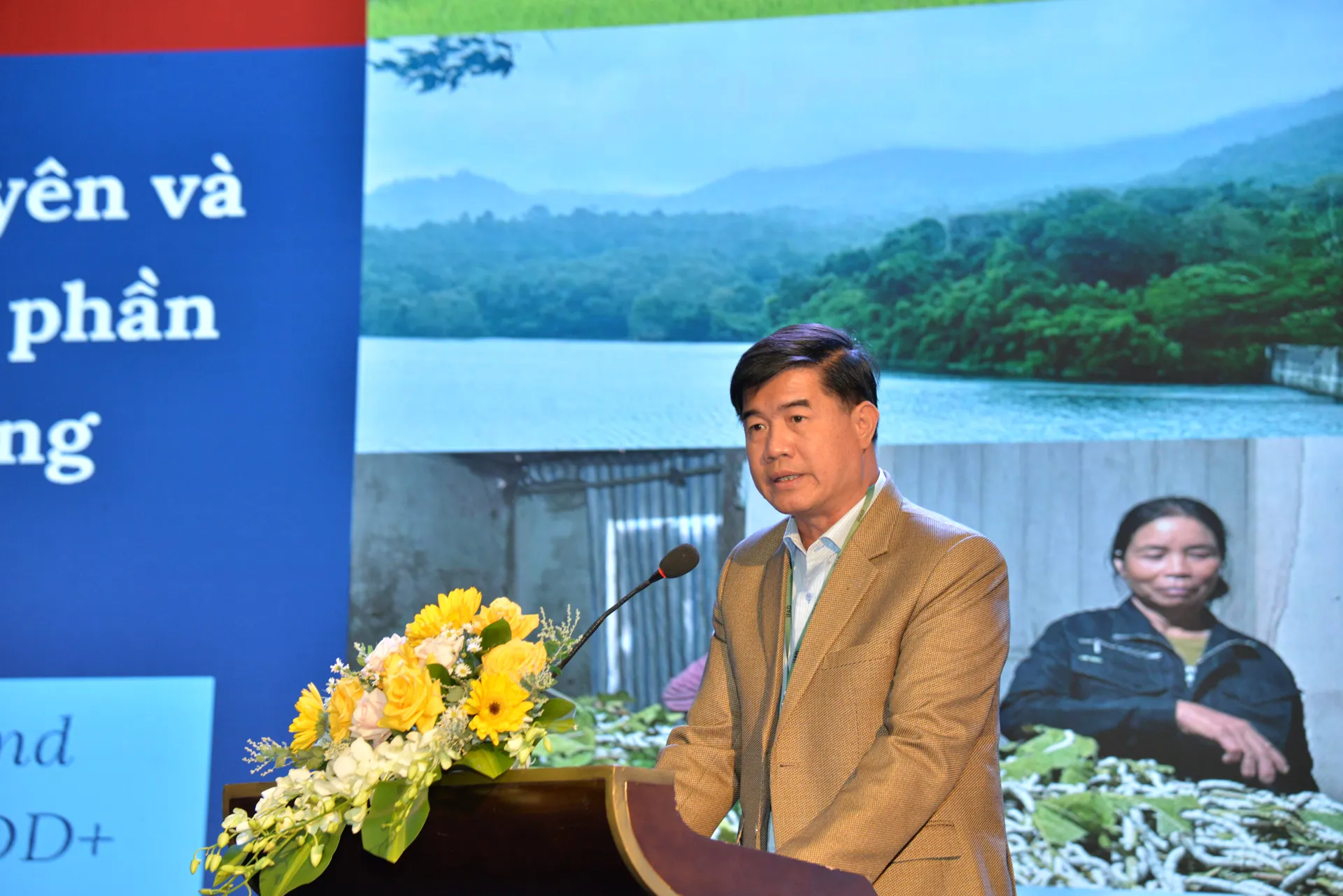
Nguyen Thien Van, Deputy Chairman of the Dak Lak Provincial People's Committee, at the event.
Nguyen Thien Van, Deputy Chairman of the Dak Lak Provincial People’s Committee, said the project holds particular significance for Dak Lak and the wider Central Highlands, where forest degradation and climate change are directly affecting livelihoods.
He noted that by combining forest protection with sustainable and climate-smart farming practices, RECAF creates a pathway for farmers to secure more stable incomes while preserving forest resources, helping ensure long-term ecological resilience and economic sustainability for future generations.
Over its six-year implementation period, the project is expected to cut 6.68 million tons of greenhouse gas emissions, restore and improve 145,000 hectares of agroforestry land and protect 500,000 hectares of high-value natural forest.
RECAF is projected to directly benefit about 420,000 people and indirectly improve the livelihoods of more than one million rural residents, contributing to Vietnam’s national climate commitments while reinforcing rural incomes and food security.
The project’s core component is its focus on partnerships between farmers, the private sector and local authorities to help small-scale farmers access markets, upgrade infrastructure and adopt sustainable production practices.
The project also prioritizes the inclusion of women, youth and ethnic minorities, ensuring that those most affected by climate change are actively engaged and the main beneficiaries.
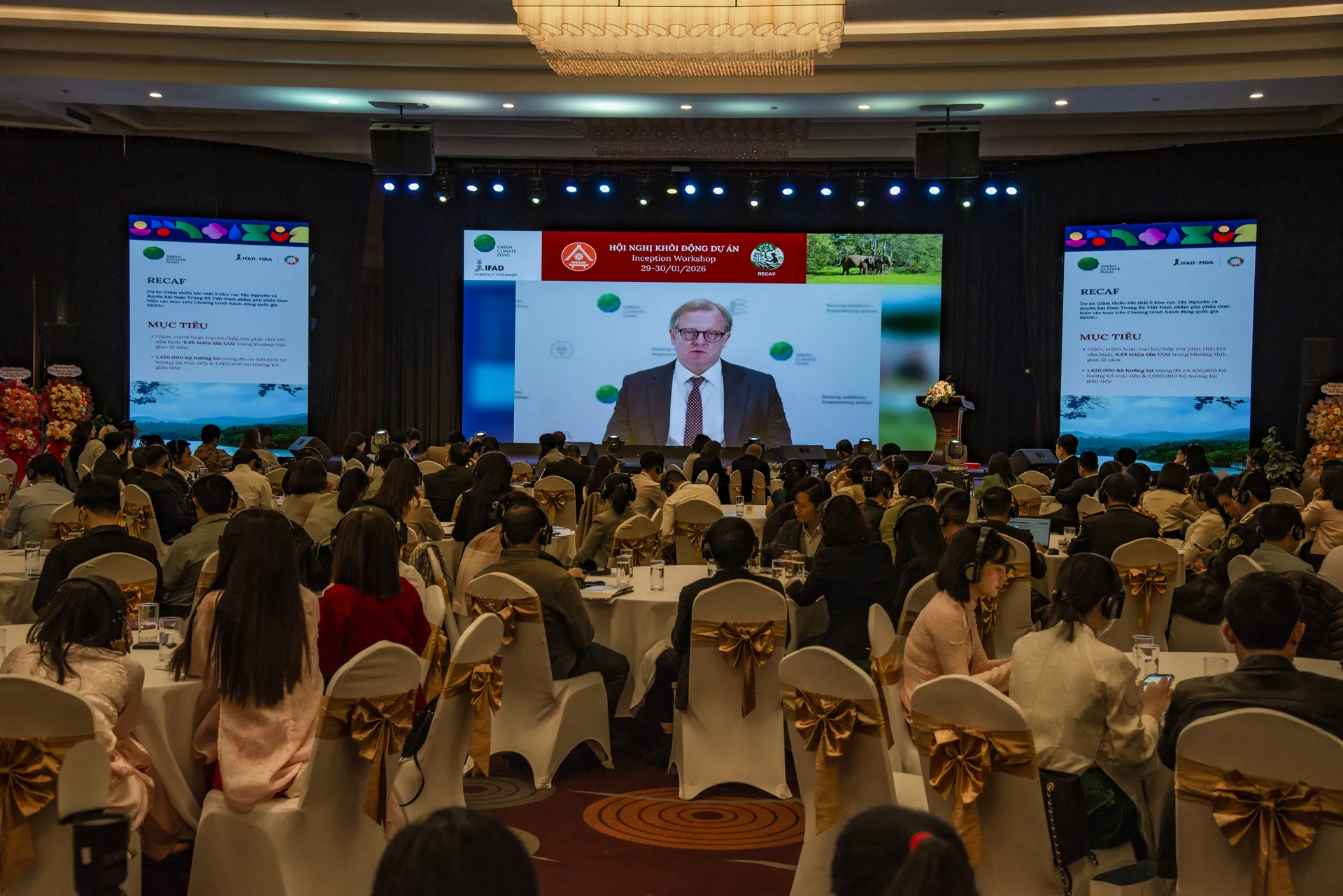
Frederic Wiltmann, Sub-Regional Head for Southeast Asia at the Green Climate Fund.
“The RECAF project demonstrates how climate finance can deliver real and lasting impact for people and nature through sustainable land use and enhanced forest protection,” said Frederic Wiltmann, Sub-Regional Head for Southeast Asia at the Green Climate Fund (GCF).
He stressed that this investment reflects GCF’s commitment to country ownership and impactful partnerships that generate significant environmental and socio-economic benefits for communities.
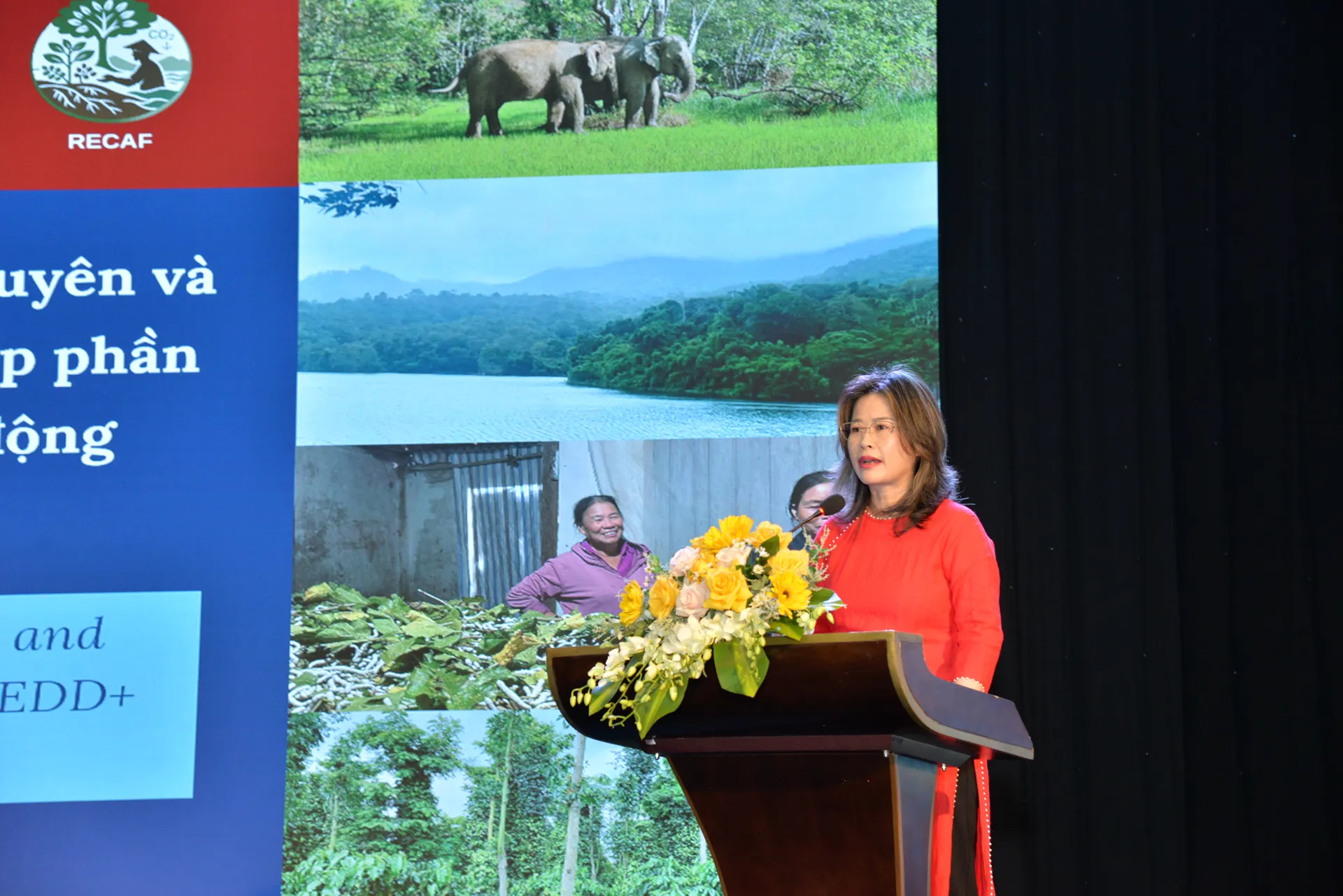
Nguyen Thi Dieu Trinh, Deputy Director-General of the Department of Debt Management and Foreign Economic Relations at the Ministry of Finance, at the event.
Meanwhile, the blended financing mechanism adopted for this project showcases an effective funding approach that keeps this crucial investment affordable and sustainable, reduces pressure on the state budget and maximizes development impacts in hard-to-reach regions, according to Nguyen Thi Dieu Trinh, Deputy Director-General of the Department of Debt Management and Foreign Economic Relations at the Ministry of Finance.
IFAD has been a long-standing partner of the Government of Vietnam for more than three decades, supporting rural development, poverty reduction and climate resilience. Through RECAF, the United Nations’ specialized agency continues to translate Vietnam’s climate commitments into concrete investments that protect forests, strengthen rural economies and improve the lives of smallholder farmers.

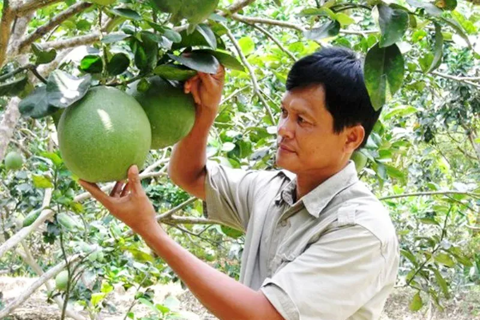
Delegates are interested in agricultural products of Dak Lak Province.
Over the past 30 years, IFAD has financed 16 projects in Vietnam with a total investment exceeding US$670 million, reaching more than 500,000 rural households.
IFAD’s programs focus on empowering smallholder farmers, ethnic minorities, women and youth by improving access to markets, finance, technology and climate-resilient infrastructure.
Its projects also promote innovation in pro-poor value chains, green finance and community-based natural resource management, helping rural communities adapt to climate change and build more diversified, resilient livelihoods.