Vietnam’s climate-smart rural model sets example for sustainable growth, IFAD says
A new IFAD evaluation highlights how Vietnam’s three-decade partnership with the UN agency has transformed rural communities, promoting climate resilience, inclusive growth and innovative approaches to modernizing agriculture across the country.
THE HANOI TIMES — Vietnam’s locally led, climate-smart and inclusive approach to rural development provides valuable lessons for countries seeking sustainable growth, according to the latest evaluation by the International Fund for Agricultural Development (IFAD).
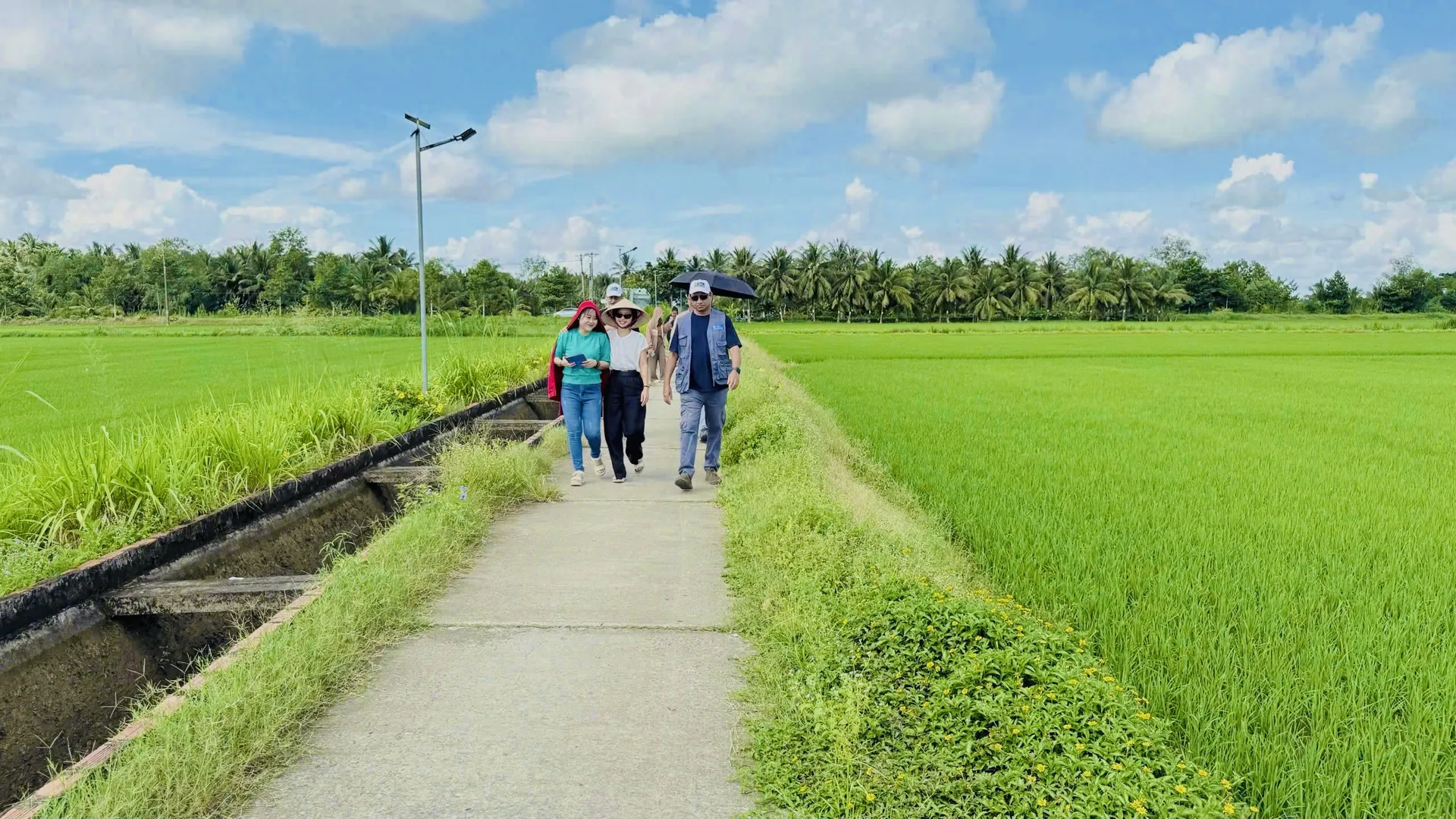
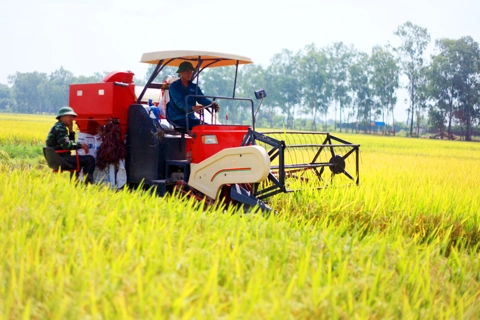
An IFAD-supported green paddy field in the Mekong Delta province of Vinh Long. Photos: Hoang Pham
The IFAD’s long-term investments have left a transformative mark on Vietnam’s rural landscape, helping smallholder farmers boost productivity, diversify incomes and strengthen resilience to climate and market shocks.
Over the past three decades, cooperation between the IFAD and the Government of Vietnam has evolved into a model of inclusive locally driven development that continues to empower rural communities and inspire policy innovation.
This achievement was reaffirmed on October 15 at the Vietnam Country Strategy and Programme Evaluation (CSPE) National Roundtable in Hanoi, co-hosted by IFAD’s Independent Office of Evaluation and the Government of Vietnam.
The event gathered government representatives, development partners and local leaders to review the results of IFAD-supported programs from 2012 to 2024 and to outline new directions for inclusive and climate-resilient rural growth.
According to the independent evaluation, IFAD’s support has strengthened Vietnam’s rural economy by promoting innovation, partnership and community leadership.
Projects have helped farmers adapt to climate challenges, modernize value chains and access new markets.
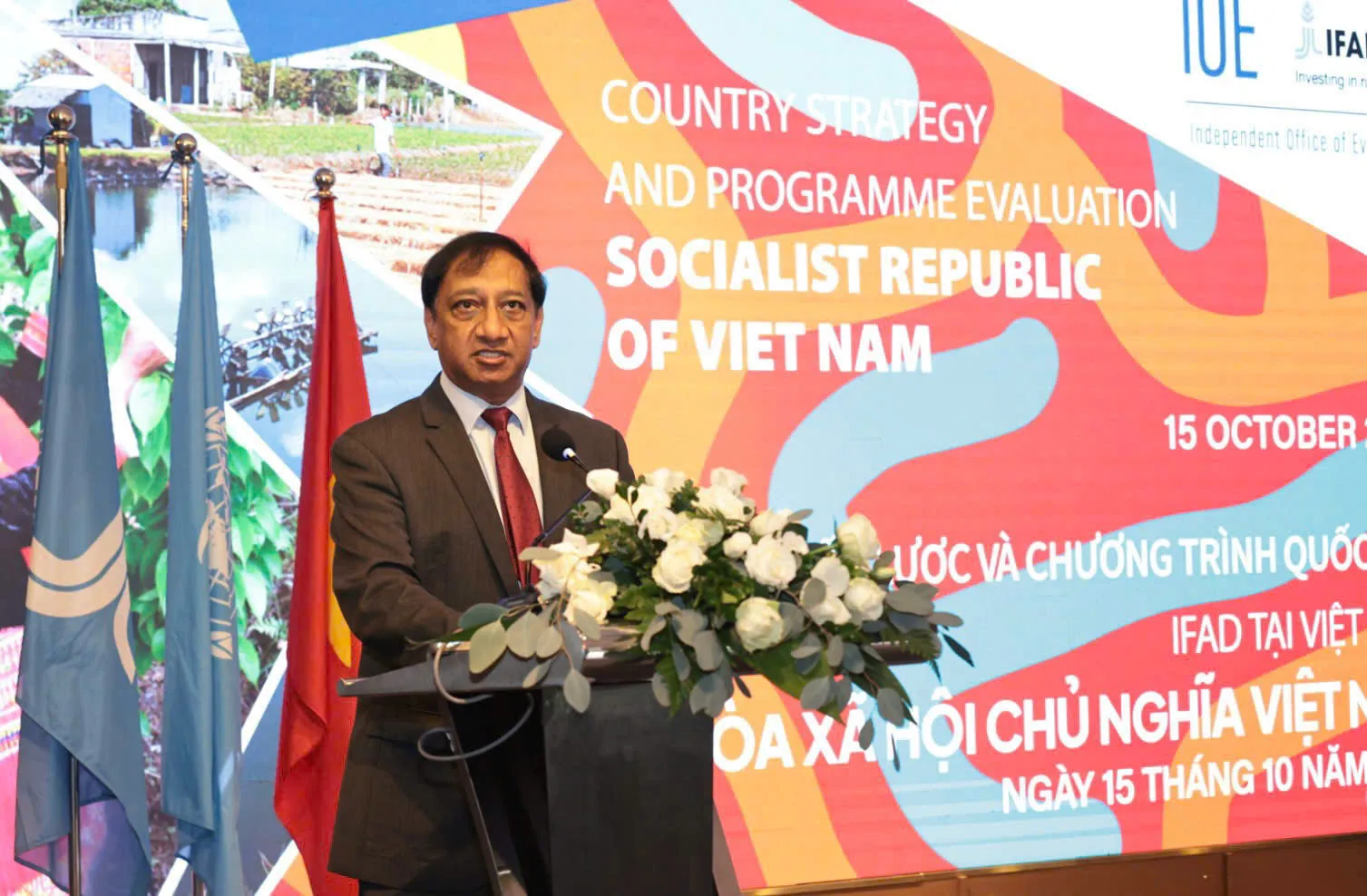
Dr Indran A Naidoo, Director of IFAD’s Independent Office of Evaluation, said at the Vietnam Country Strategy and Programme Evaluation (CSPE) National Roundtable in Hanoi on October 15.
“Vietnam’s achievements in rural development are rooted in strong ownership, local innovation and inclusive partnerships,” Dr Indran A Naidoo, Director of IFAD’s Independent Office of Evaluation, said at the event.
Paolo Silveri, Chief of Section at the Independent Office of Evaluation of IFAD, shared with The Hanoi Times that the next phase will focus on “scaling up what works, including climate resilience, digital transformation and inclusive value chains, while ensuring that women, youth and ethnic minorities remain central to change.”
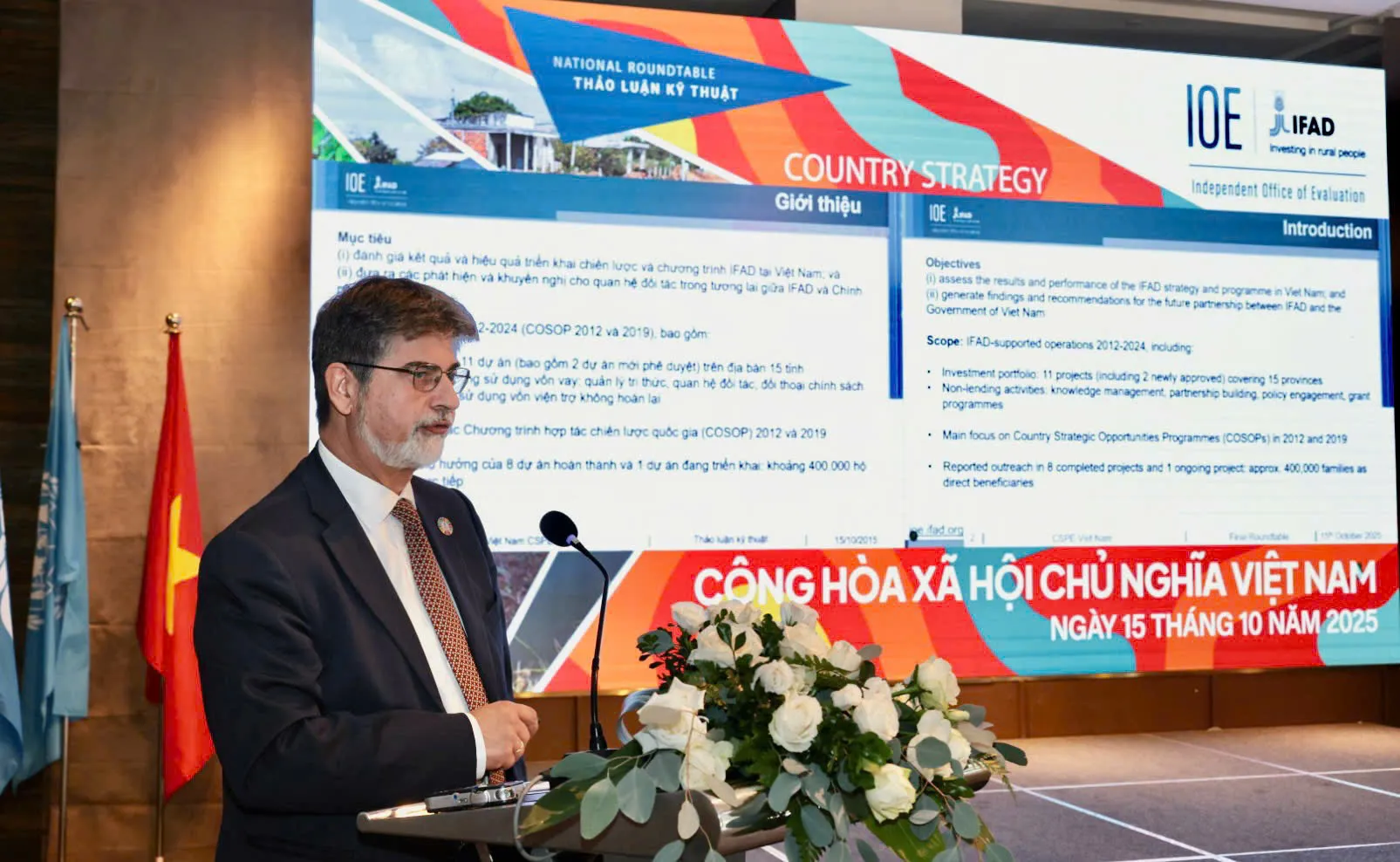
Paolo Silveri, Chief of Section at the Independent Office of Evaluation of IFAD, addresses the event.
At the policy level, the Government of Vietnam reaffirmed its commitment to deepening cooperation with IFAD.
“IFAD has been a trusted partner in Vietnam’s rural transformation for more than 30 years. Its projects have shown that the right investments, when strategically targeted and locally owned, can deliver outsized impact,” Tran Quoc Phuong, Vice Minister of Finance, said at the event.
He said IFAD’s nearly US$500 million support has reached poor and remote communities across Vietnam, improving livelihoods and empowering women and youth and strengthening rural resilience.
The partnership has advanced agricultural value chains , boosted climate resilience, promoted gender equality and driven policy innovation in agriculture and rural finance. The shared goal is to expand these models through greater investment in innovation, climate adaptation and competitiveness.
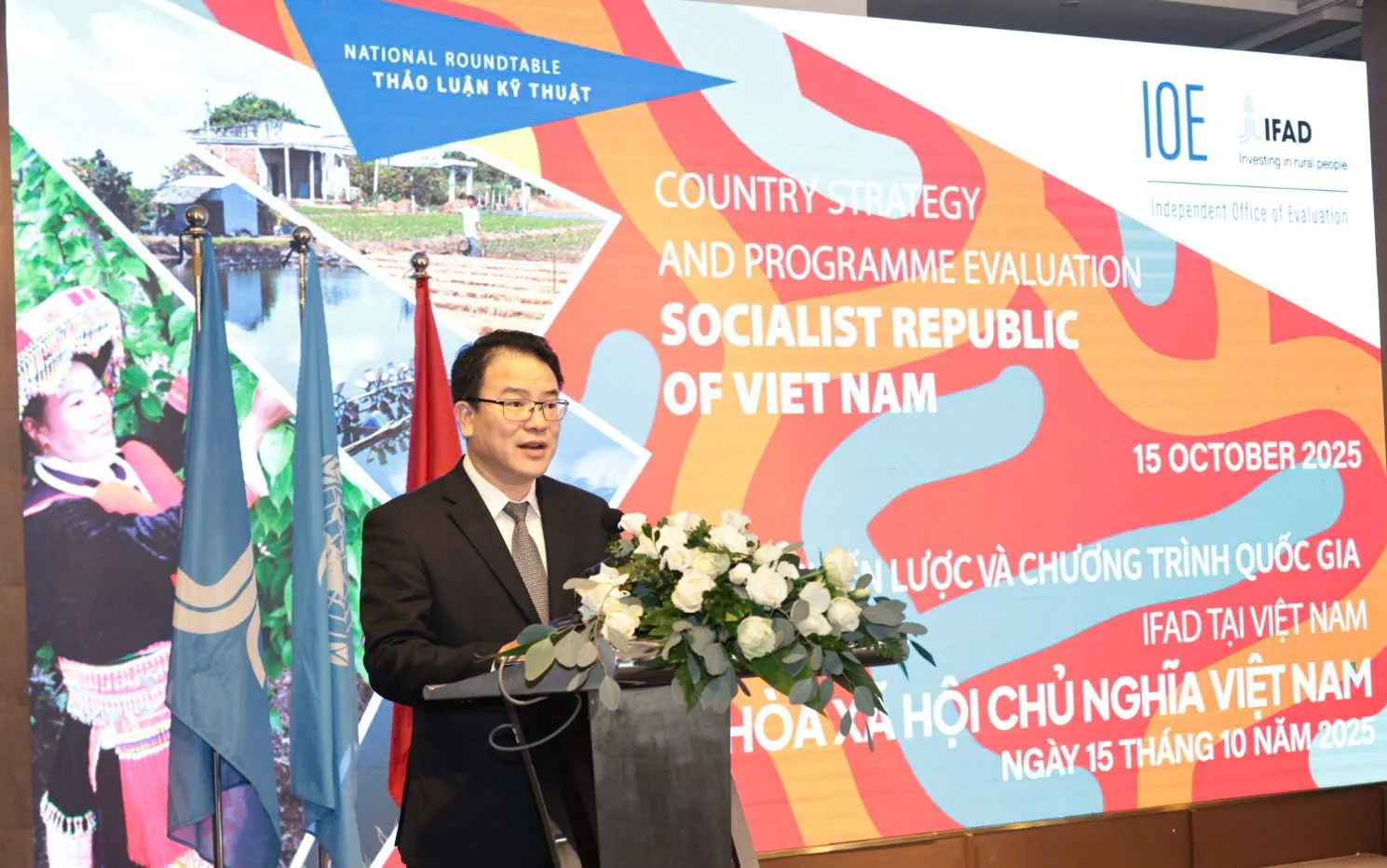
Tran Quoc Phuong, Vice Minister of Finance, at the event on October 15.
Phuong said that as Vietnam moves toward upper-middle-income status by 2030, cooperation with IFAD will focus on investment, knowledge sharing and co-financing for stronger and lasting impact. The Ministry of Finance will continue to work with IFAD in developing the Country Strategic Opportunities Programme (COSOP) 2026 aligned with national targets and the 2026–2035 agricultural strategy.
Field visits ahead of the roundtable showcased IFAD-supported impacts in the Mekong Delta.
In Tra Vinh, the evaluation team toured RYNAN Technologies, where climate-smart innovations such as salinity monitoring buoys and automated irrigation systems are helping farmers adapt to changing conditions.
In Ben Tre, coconut farmers and processors are advancing sustainable value chains with IFAD’s support, showing how innovation and partnership are delivering tangible results.
On this occasion, provincial leaders also highlighted the importance of coordination and local ownership in sustaining progress.
“In provinces like ours, IFAD’s support has helped bridge the gap between farmers, enterprises and government programs,” said Nguyen Truc Son, Vice Chairman of Vinh Long Province.
“Following the merger of Vinh Long, Ben Tre and Tra Vinh into one administrative province, we see even greater opportunities to integrate successful models and expand their reach. What makes this partnership effective is its focus on people, empowering communities to lead their own development, strengthen cooperatives and make rural growth more inclusive and sustainable,” Son told The Hanoi Times.
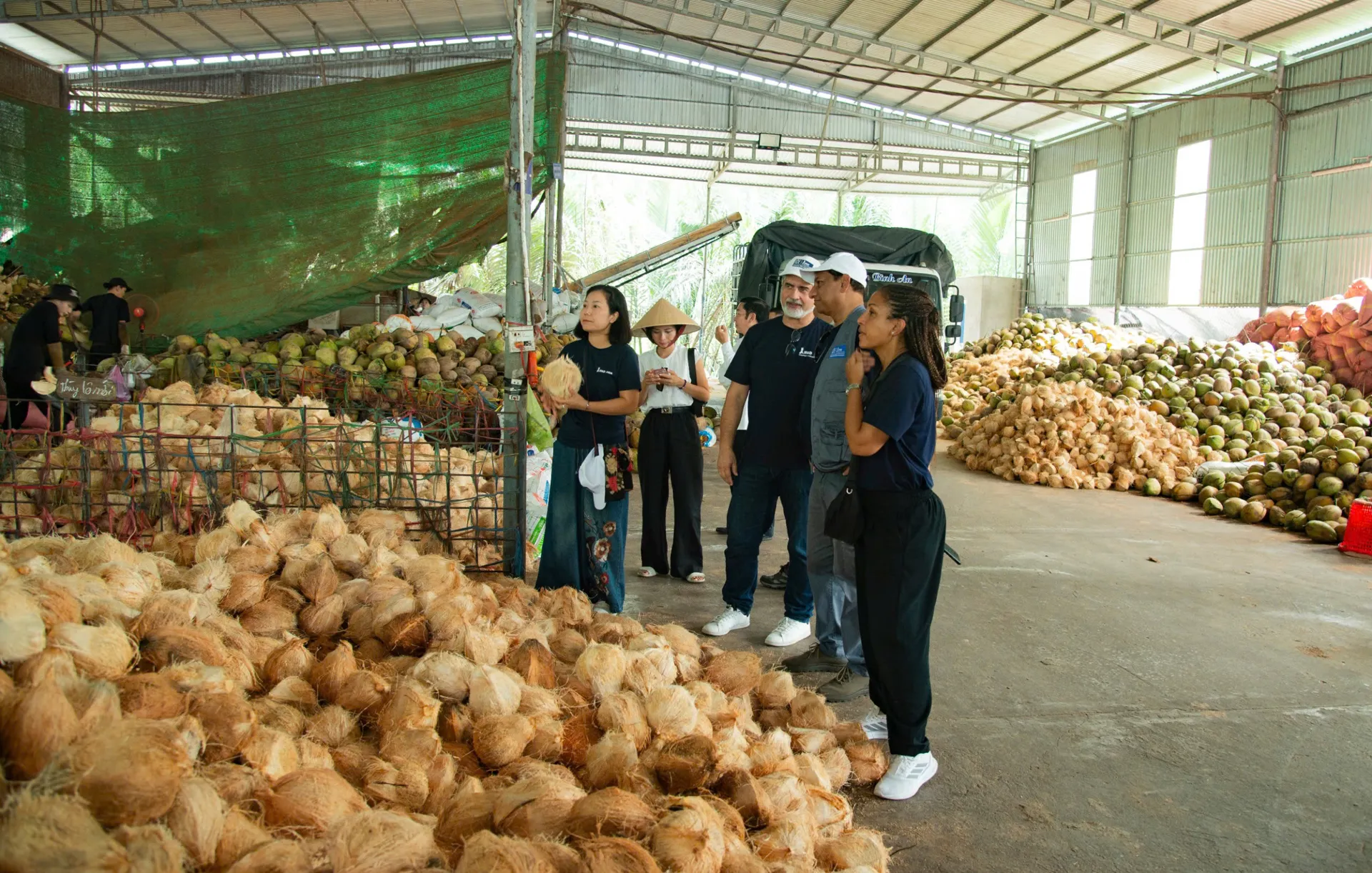
IFAD officials tour sustainable agricultural models in the Mekong Delta province of Ben Tre.
Reehana Raza, Regional Director of IFAD’s Asia and the Pacific Division, said the Country Strategic Opportunities Programme (COSOP) remains the foundation of the partnership.
“It guides strategic investments that respond to Vietnam’s evolving rural challenges and reflects our shared commitment to inclusive growth, climate resilience and innovation, ensuring that IFAD’s support continues to empower rural communities and strengthen national priorities,” she stated.
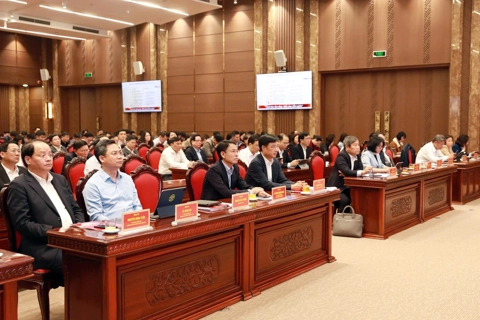
At the roundtable gathering more than 100 participants, including officials from the Ministry of Finance, Ministry of Agriculture and Environment, provincial people’s committees and development partners, discussions focused on sustaining IFAD’s impact by aligning future projects with Vietnam’s strategies for green growth, digital transformation and rural modernization.
The evaluation also demonstated Vietnam’s growing role as a regional leader in rural transformation.
With IFAD’s support, the country has translated lessons from local projects into national policies, promoted cross-provincial collaboration and strengthened regional learning.
Participants discussed the Agreement at Completion Point (ACP) – a new commitment between IFAD and the Government of Vietnam to integrate evaluation findings into a joint strategy and investment program for the next phase of cooperation.
“Vietnam and IFAD share the same vision which is a prosperous inclusive and resilient rural sector where no one is left behind,” Dr Naidoo told The Hanoi Times.
Since the partnership in 1993, IFAD and Vietnam have implemented projects that improved the livelihoods of hundreds of thousands of rural people, strengthened food systems and created opportunities for smallholders across the country.
The latest evaluation confirms that Vietnam’s locally driven climate-smart and inclusive approach to rural development offers valuable lessons for other countries pursuing sustainable growth.
The International Fund for Agricultural Development (IFAD) is a United Nations specialized agency and international financial institution dedicated to eradicating rural poverty and hunger.
Working with governments, rural communities and the private sector, IFAD invests in rural people to build inclusive resilient and sustainable food systems.