Vietnam Plastic Action Partnership: Joint approach to tackling plastic pollution
Vietnam expects to reshape the plastics industry to deliver a more sustainable marine economy by 2030.
A locally-driven national platform, that brings together the most committed and influential stakeholders in Vietnam, will promote joint efforts in tackling plastic pollution.
| Vietnam's Deputy Prime Minister Trinh Dinh Dung at the launching recemony of NPAP on December 23. Photo: Nhat Bac/VGP |
.jpg)
The Vietnam National Plastic Action Partnership (NPAP), a locally-led platform launched in Hanoi on December 23 under the support by the World Economic Forum and the World Wide Fund for Nature (WWF) Vietnam, will address the fragmented landscape of regulation and complement existing voluntary measures.
Spearheaded by the Ministry of Natural Resources and Environment (MONRE), NPAP will seek to unite and uplift a large number of successful and inspiring initiatives working on the ground across Vietnam to address this issue.
The partnership will serve as a neutral, inclusive convening place for sharing knowledge, amplifying diverse voices and stories through the World Economic Forum’s platforms, and discovering new ways of working together.
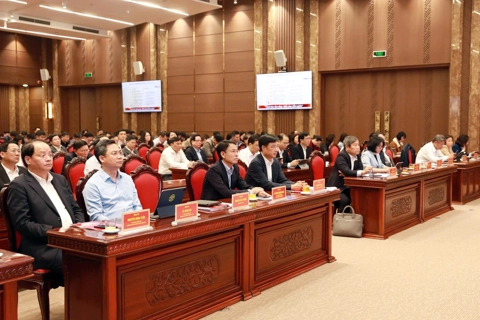
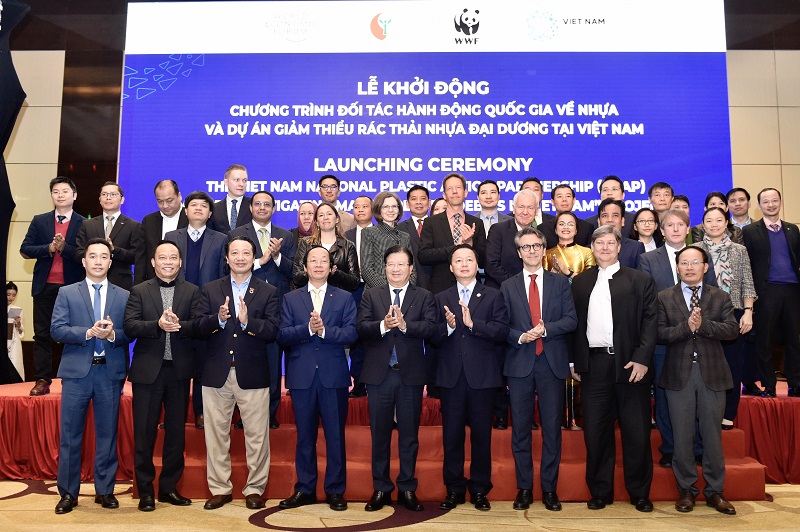
| Participants at the ceremony. Photo: Nhat Bac/VGP |
Situation in Vietnam
Around 3.7 million tons of plastic waste are generated in Vietnam each year, a figure that is projected to increase by 36% between 2018 and 2030.
Only around 10-15% of Vietnam’s plastic waste is collected for recycling.
To change the situation, the country’s National Assembly on December 4, 2020 revised and approved Law on Environment Protection with specific provisions on solid waste management and plastic waste management in particular.
Under Prime Minister’s Decision No.1746, the country has pledged to meet three major targets by 2030 namely reducing the flow of plastics into the ocean by 75%; completely eliminating single-use plastics and non-biodegradable plastic bags from coastal destinations; and ensuring that marine protected areas are free of plastic waste.
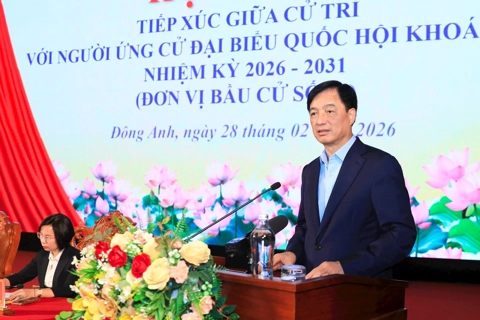
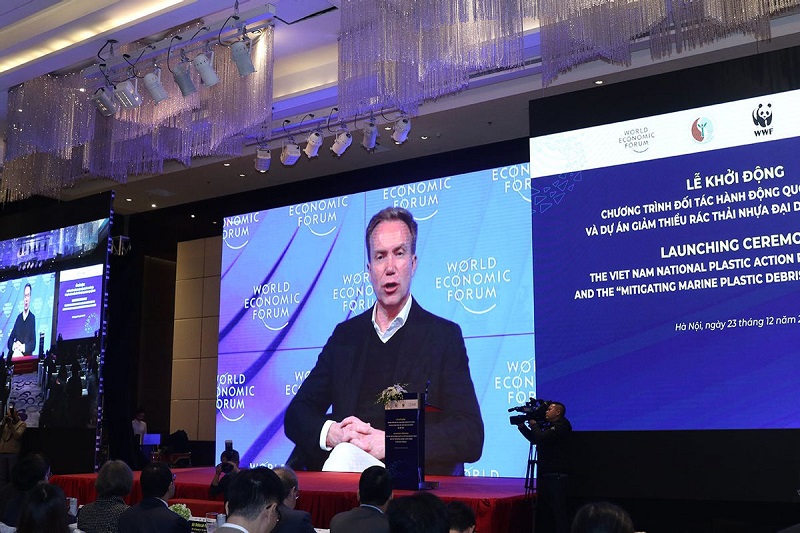
| Børge Brende, president of the World Economic Forum speaks at the ceremony. Photo: Baotainguyenmoitruong |
Achieving these goals will mean an absolutely transformative transition for Vietnam’s marine economy.
It will secure the livelihoods of people and communities in the fishing and tourism industries, as well as catalyzing investment into innovation and capacity-building at all points of the value chain: reduction, substitution, reuse, recycling, and safe disposal.
It will restore Vietnam’s pristine beaches and islands and create a foundation for sustainable waste management practices, particularly as tourism rebounds in the post-Covid-19 recovery, according to the World Economic Forum.
Global support
The World Economic Form-initiated NPAP is impartial and inclusive platform whose work in each country is guided by three strategic pillars, including convening communities and curating conversations, generating new knowledge and action roadmaps, and catalyzing strategic investment for high-potential solutions.
NPAP has been launched in Indonesia and Ghana before it activated in Vietnam.
To put its recommendations into action in Vietnam, the World Economic Forum will assemble five national Task Forces to move progress forward in the areas of policy; metrics; innovation; financing; and communication and education.