Vietnam’s export strength in 2025 builds solid momentum for 2026 growth
With trade turnover nearing the US$900-billion mark, Vietnam enters 2026 with renewed confidence despite global volatility, rising trade barriers and shifting supply chains. Deputy Director of the Import–Export Department Tran Thanh Hai has outlined the drivers of this growth and the priorities for sustaining momentum next year.
THE HANOI TIMES — Vietnam is on track to reach US$900 billion in export–import turnover in 2025, reflecting the resilience of domestic enterprises and the effectiveness of government policies amid global market turbulence.
Tran Thanh Hai, Deputy Director of the Import–Export Department under the Ministry of Industry and Trade, speaks to the Vietnam News Agency about the drivers behind this result, challenges for 2026 and key strategies to maintain growth.

Container trucks loaded with farm exports go through a border gate in the northern mountain province of Lao Cai. Photo: Kinh te & Do thi Newspaper
Will Vietnam surpass $900 billion in export–import turnover this year? What are the key drivers?
As of November-end, total export–import turnover rose 17% on-year to reach nearly $840 billion this year. Exports were up 16% on-year and imports increased by 18.4%. The trade balance recorded a surplus of $20.5 billion.
With this growth rate, Vietnam can be confident that total export–import turnover in 2025 will reach or exceed the $900-billion milestone. This is a symbolic achievement and a remarkable result in a year of major global market fluctuations.
Despite countervailing tariff measures from the United States, risks of supply chain disruption and unusual weather events, businesses have made strong efforts to overcome difficulties. Meanwhile, the Party, the government and Ministry of Industry and Trade have had decisive instructions that help reflect the resilience and adaptability of Vietnam’s production and export sectors.
With global trade becoming more volatile, especially due to US policy shifts, how should Vietnamese businesses adapt?
The most striking feature of 2025 is the US countervailing tariff policy, which reflects a return of unilateralism and protectionism in global trade. This is one of many deep disruptions that Vietnam has faced since 2020, including the Covid-19 pandemic, trade conflicts, investment shifts and supply chain breakdowns.
These factors have reshaped trade flows and forced businesses to stay agile, adjust quickly and respond proactively. Companies have become more active in adjusting production and business plans.
Importantly, the government support has been crucial. Timely market forecasts and warnings from management agencies helped businesses plan ahead and respond more confidently to global changes. This remains a priority mission for the Ministry of Industry and Trade.
Key export sectors such as textiles and footwear are forecast to face headwinds in 2026. What challenges lie ahead?
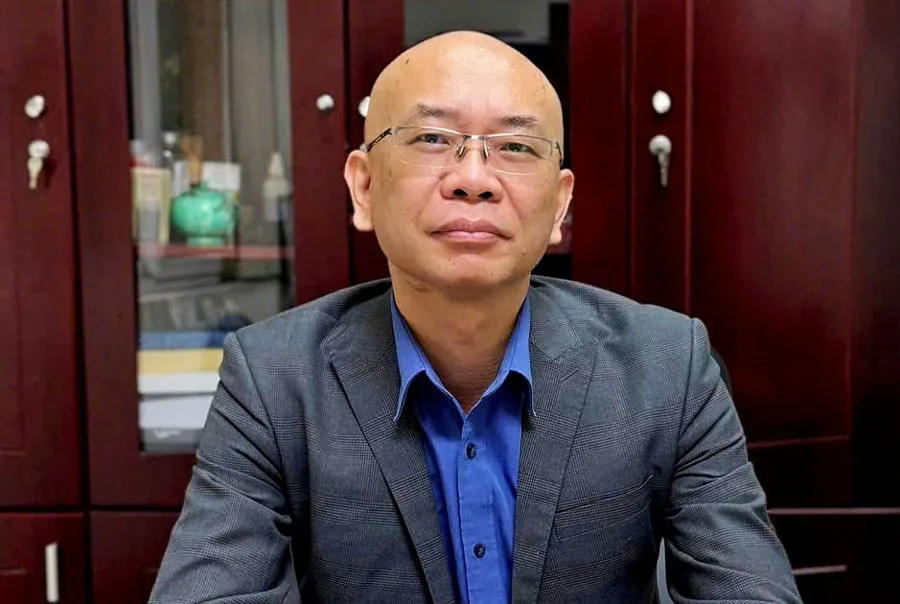
Tran Thanh Hai, Deputy Director of the Import–Export Department under the Ministry of Industry and Trade
Globally, markets are recovering from major shocks in the post-Covid-19 period.
However, new tariff policies from the United States will have broad spillover effects since the US is the world’s largest consumer market. Any policy shift there will influence other markets. For Vietnam, the US is a crucial export destination, so major sectors such as textiles, footwear, seafood and electronics all feel the impact.
In 2026, businesses must strengthen market planning, forecast orders more accurately and prepare response scenarios. Only then can they sustain growth amid continuing volatility.
What strategic solutions should businesses prioritize to maintain and expand exports?
The key strategy for businesses is to improve product quality. For sectors such as seafood, furniture, textiles and electronics, long-term market access depends on ensuring sustainable quality to build customer trust.
When quality is ensured, companies must take the next step: building strong brands. Branding creates trust and distinguishes Vietnamese goods in global markets. Many Vietnamese businesses excel in production but underinvest in branding.
Another critical factor is green transformation. From 2026, the EU will enforce the Carbon Border Adjustment Mechanism (CBAM) for steel and aluminum and may expand it to other products. This trend will spread to other markets. Energy-intensive sectors such as steel, aluminum, cement and construction materials must upgrade production standards and cut emissions to meet global requirements.
Self-certification of origin (C/O) has been decentralized to local authorities, yet not all provinces can implement it. How will the Ministry of Industry and Trade expand and improve this system?
According to current assessments, 26 of 34 localities are ready to implement self-certification of origin. This is a positive step showing determination to support exporters.
In 2026, the Ministry will continue working with localities through training and capacity-building programs so staff understand and apply regulations correctly. The most important requirement is that C/O issuance must be fast, accurate and consistent to avoid errors that may cause foreign partners to question or reject certificates, which would harm businesses. Strengthening decentralization and optimizing procedures will remain a core mission of the Ministry.
A major limitation is the low added value of Vietnamese exports, with many industries still dependent on processing. How can this be fundamentally improved during 2026–2030?
This challenge has persisted for many years and requires time to resolve. The fundamental path is to increase localization rates and strengthen control over input materials.
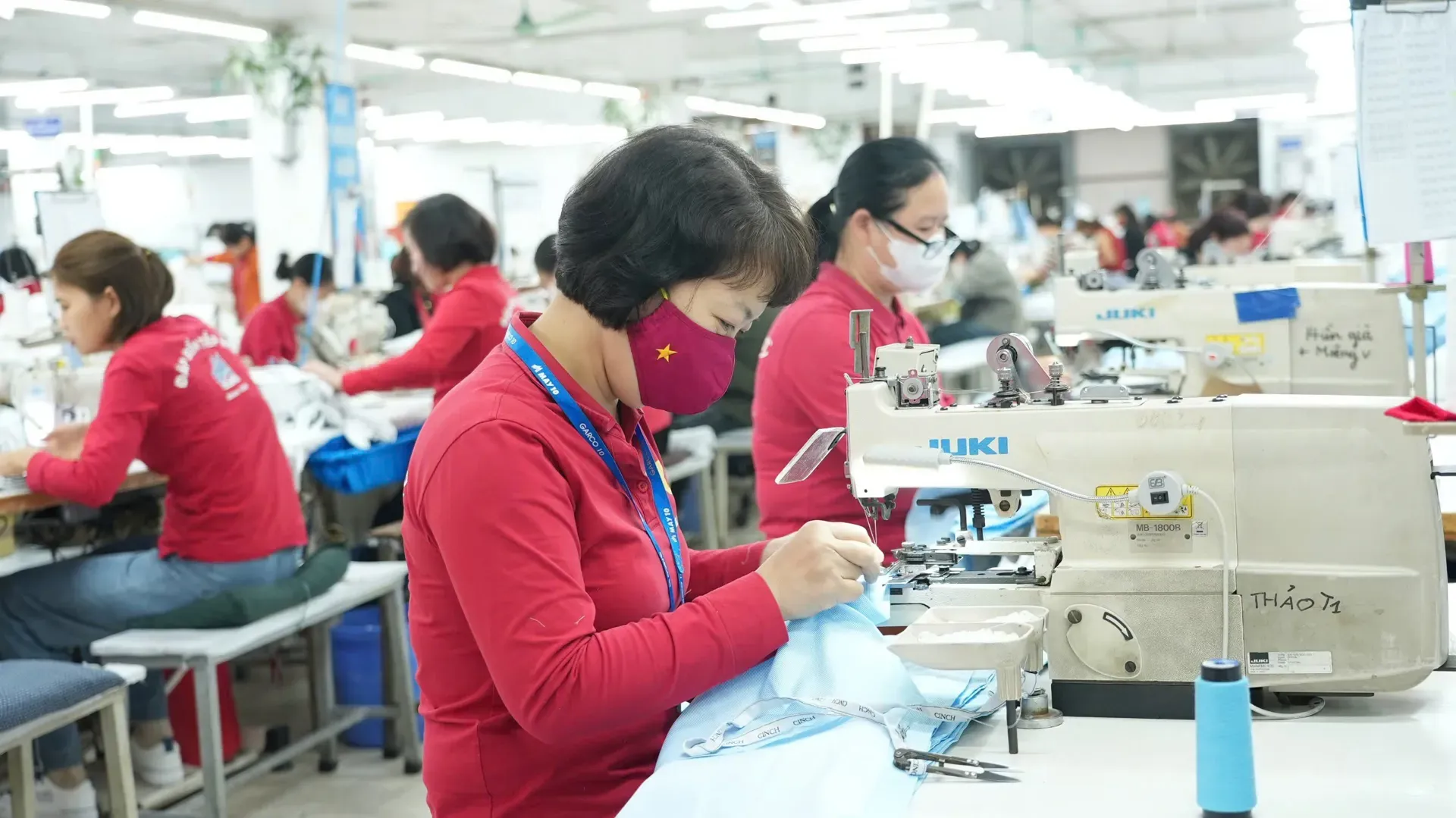
Workers produce garment and textile outputs at May 10 Corporation.
While full autonomy may take time, diversifying raw material sources is crucial to avoid risks of origin disputes or misinterpretation as transshipment goods. At the same time, businesses must enhance innovation and master technology. Some products can be made domestically but lack cost competitiveness. This is where science and technology must play a stronger role.
In today’s fast-moving AI era, businesses must leverage technology to optimize production, reduce costs and strengthen competitiveness. Those slow to adapt will fall behind.
To stay aligned with global markets, what direction should Vietnamese businesses follow to reach international customers in this new era?
Technology adoption in production varies by sector. The wood industry can use AI in design; textiles can use automation; agriculture can use smart farming and digital traceability. The key is having a skilled, tech-savvy workforce.
Businesses should also expand their direct presence in foreign markets. Vietnam exports to more than 200 markets, yet few companies have direct offices, branches or distribution centers abroad.
Foreign-invested enterprises have proven that investing directly in Vietnam leads to success. Vietnamese companies can apply this model abroad by building market offices and distribution channels in major destinations. This is a strategic way to reach customers directly and strengthen Vietnam’s brand identity globally.
Thank you for your time!