Vietnam’s journalism: Building trust, inspiring aspiration for progress
Vietnam’s press, balancing tradition and transformation, is urged to uphold truth, unity, and national aspiration for the country’s development.
THE HANOI TIMES — Vietnam marked the 100th anniversary of its revolutionary journalism today (June 21, 1925 – 2025), honoring the country’s press for its century-long journey of courage, sacrifice, and shaping the nation’s identity and aspirations.

An overview of the centennial celebration of Vietnam's Revolutionary Press at the National Convention Hall in Hanoi on June 21. Photo: Pham Hung/The Hanoi Times
From its humble beginnings under the leadership of President Ho Chi Minh to its current state as a modern, tech-driven media landscape, Vietnamese revolutionary journalism has been a powerful force in uniting the nation, fostering trust, and igniting the vision of a prosperous Vietnam, as stated by To Lam, General Secretary of the Communist Party of Vietnam, at the centennial celebration in Hanoi this morning.
He said that Vietnam’s journalism over the past 100 years has played an enduring role in driving social cohesion, cultural preservation, and global integration and continues to inspire and lead the nation toward a thriving future.
A century of revolutionary ideals
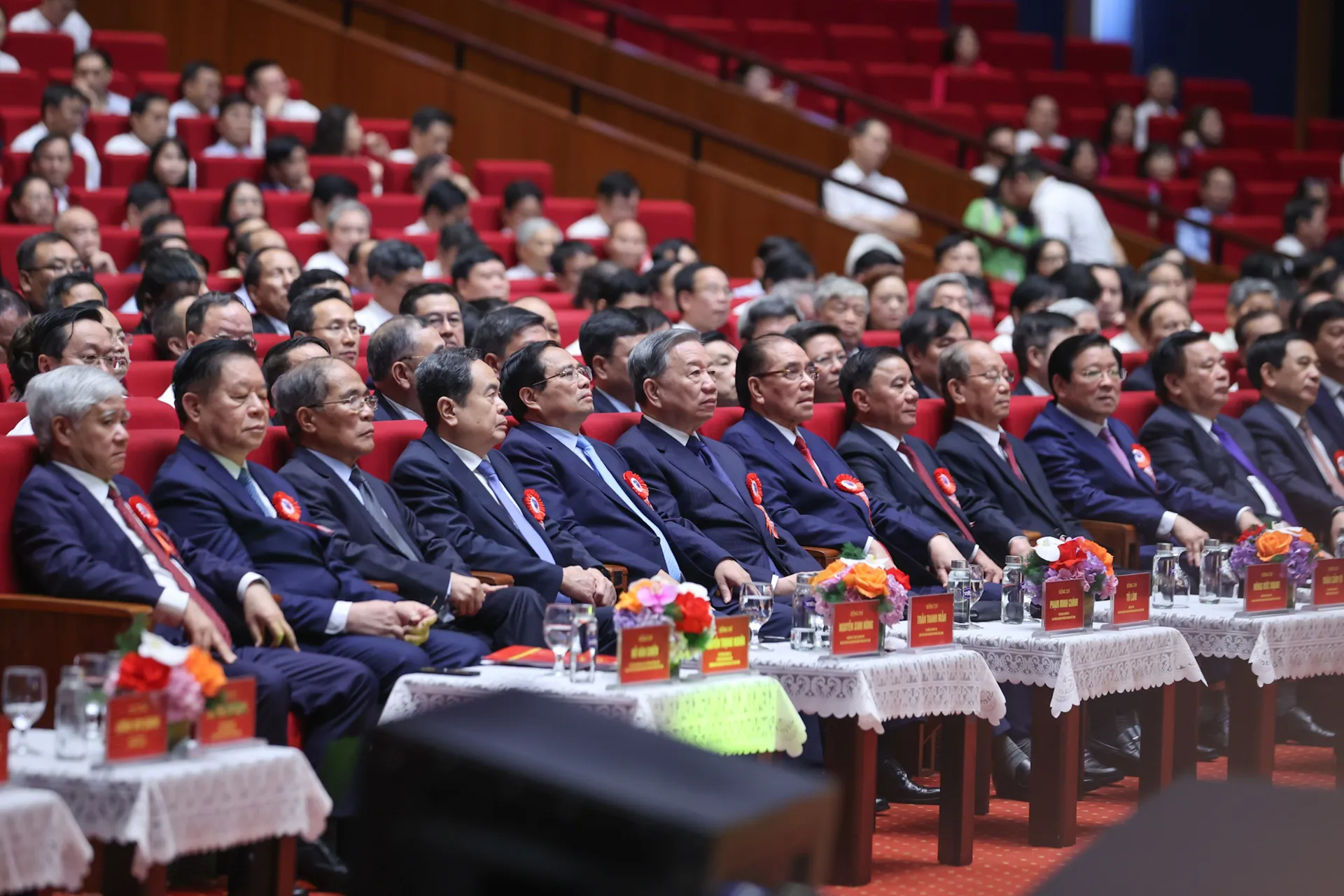
Top leaders and former leaders attend the ceremony on the 100th anniversary. Photo: VGP
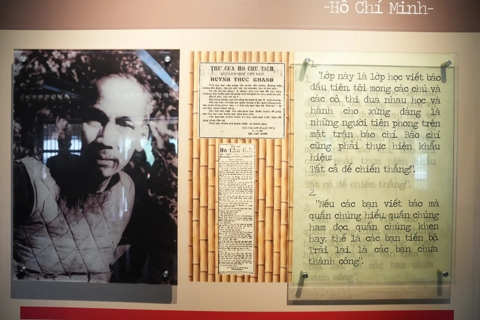
General Secretary To Lam praised Vietnam’s revolutionary journalism as a “glorious journey” that has gone hand in hand with the nation’s struggles and triumphs. From the first issue on June 21, 1925, of Thanh Nien (Youth), the newspaper founded by Nguyen Ai Quoc – who would later become President Ho Chi Minh – our journalism has sown the seeds of revolution, awakening the masses, spreading patriotism, and advocating for national defense and development, Lam said.
Throughout Vietnam’s fight for independence, journalists like Nguyen Van Cu, Le Duan, and Vo Nguyen Giap wielded their pens as weapons to rally the people against colonial and imperialist forces.
Journalism played an instrumental role in the August Revolution of 1945, which led to the establishment of the Democratic Republic of Vietnam. “In war, journalism was sharper than bullets and stronger than tanks, igniting the spirit of resistance. Today, journalism remains a bridge between the Party, the State, and the people, fostering trust and inspiring national development,” said To Lam.
For the development of journalism in the new era, he outlined five key tasks, which include upholding political and social responsibility, maintaining revolutionary zeal, promoting cultural values, embracing digital transformation, and refining media management to ensure efficiency and integrity.
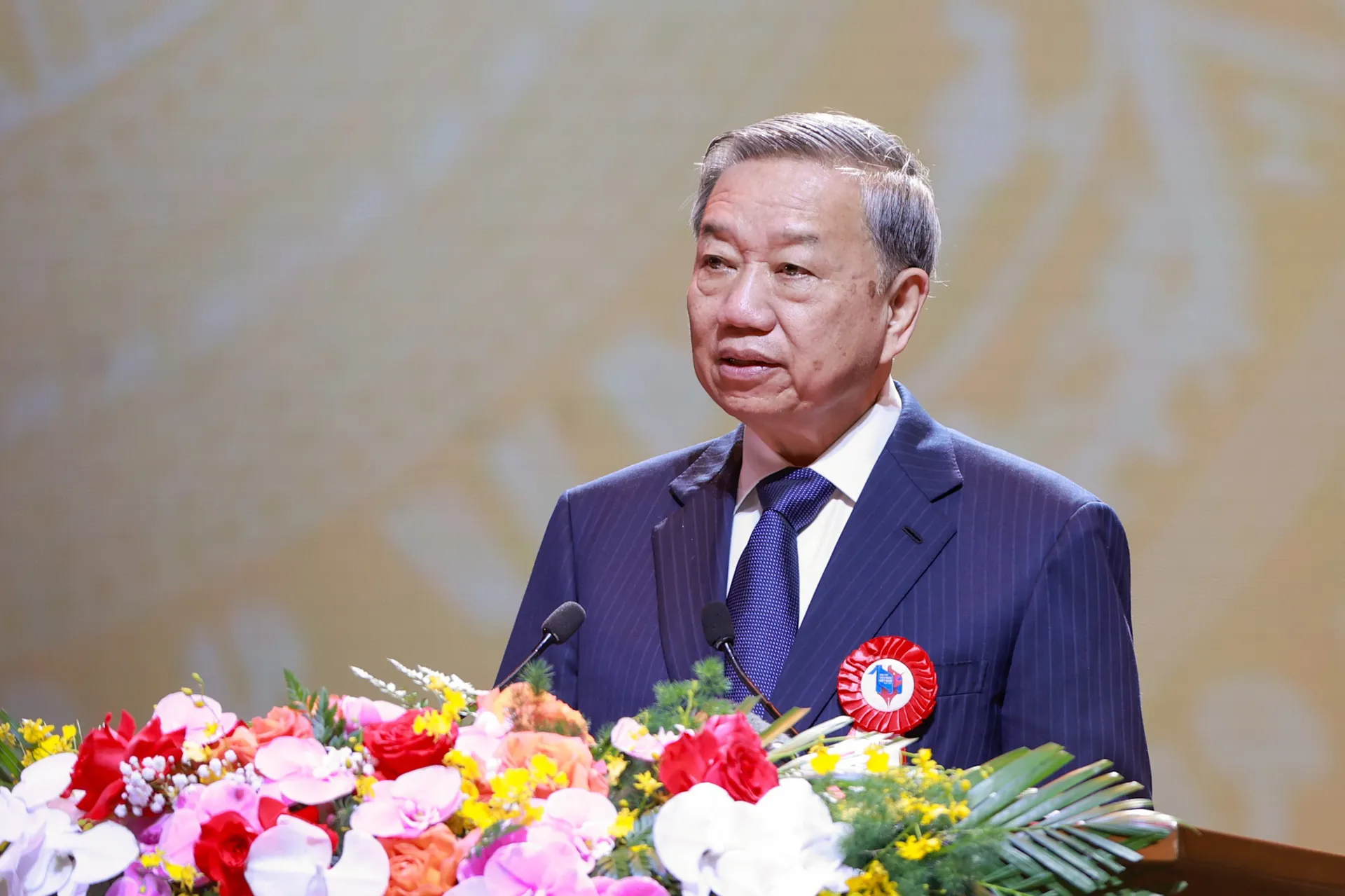
General Secretary of the Communist Party of Vietnam To Lam speaks at the event. Photo: VGP
“Journalism must be at the forefront of building a strong, prosperous Vietnam,” he said, emphasizing its role in combating corruption, protecting national sovereignty, and reinforcing Vietnam’s global presence.
Echoing To Lam, Professor Ta Ngoc Tan, a veteran journalist who has witnessed decades of Vietnam’s media evolution, called for a bold transformation in journalism amid rapid changes. "Digital transformation is about rethinking how we engage with, organize, and deliver news," he said.
He urged the Party and State to support journalists through policies that facilitate retraining, job creation, and technological investment to ensure the press’s vital force in the country’s development.
Speaking at the ceremony, Professor Ta Ngoc Tan stressed the profound legacy of revolutionary journalism. “From the moment Thanh Nien was published, our journalism became a weapon of ideology, a tool to educate, organize, and lead the people toward independence and socialism.”
He paid tribute to the more than 500 journalists who sacrificed their lives during Vietnam’s wars or endured imprisonment and hardship to keep the flame of revolution alive.
The veteran journalist highlighted the timeless motto of “bright eyes, pure heart, sharp pen” as the guiding principle for journalists. “Bright eyes require wisdom and real-world experience to uncover the truth; a pure heart demands moral integrity and dedication; a sharp pen reflects professional skill and innovative storytelling,” he explained. These qualities, exemplified by pioneers such as Ho Chi Minh and Tran Huy Lieu, continue to inspire today’s journalists.
Voice of a new generation
At the event, Nguyen Thi Ngan, a young reporter from Vietnam Television’s News Department, offered a fresh perspective: “As young journalists, we ask ourselves: Are we truly devoted to serving the Party, the nation, and the people?”. Inspired by veteran journalist Ha Dang’s words: “Journalism is a battlefield, and journalists are warriors who don't seek eternal fame,” Ngan stressed the importance of humility and dedication.
She shared her experiences covering remote regions, from border areas to disaster-stricken provinces, to convey a message that these assignments revealed Vietnam’s resilience and humanity. “During Son La’s historic floods two years ago, we documented stories of loss, as well as unity and compassion.” Notably, a message was left on her muddy news van that read: “Journalists, we trust you,” which reminded her of the profound bond between the press and the people.
Ngan stressed that journalism “enriches one's experiences and emotions, and teaches life lessons.” She recalled interviewing General Secretary To Lam, who was then Minister of Public Security. He told her, “Nothing is more powerful than the people’s trust, and journalists must go to them to understand their needs.”
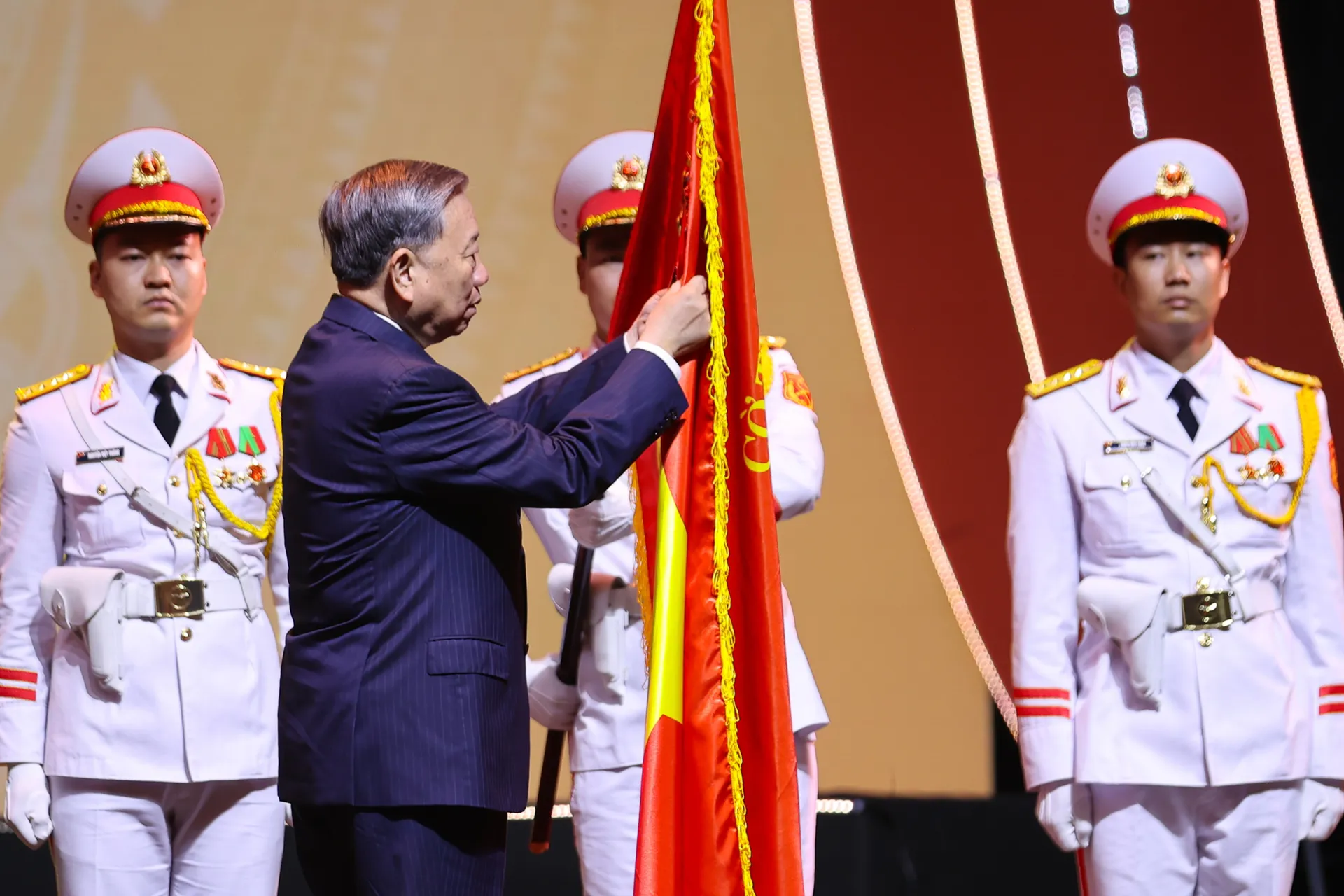
General Secretary To Lam awards Ho Chi Minh Medal to the Vietnam Revolutionary Press. Photo: VGP
Modern media landscape
Vietnam’s media has evolved dramatically since the handwritten bulletins of wartime. Today, nearly 800 media outlets and thousands of journalists leverage digital tools and artificial intelligence to produce engaging content.
From exposing corruption to promoting Vietnam’s cultural heritage worldwide, the press has become a cornerstone of social progress. Examples include initiatives like the “Bright-Green-Clean-Beautiful” campaign in Hanoi, which highlights the important role of the media in promoting environmental sustainability.
The press has bolstered Vietnam’s global integration by highlighting economic progress and key diplomatic efforts, including Prime Minister Pham Minh Chinh’s latest trip to Europe and historic visit to Estonia in May.
Today, the rise of social media and cross-border platforms demands that the Vietnamese press adapt swiftly to maintain its influence. In this regard, General Secretary To Lam stressed the importance of journalism in countering misinformation and hostile narratives while promoting Vietnam’s policies on digital transformation and sustainable development.
Professor Tan echoed this view, urging investment in digital infrastructure to keep pace with technological advancements.
Young journalists like Ngan face the challenge of balancing traditional values with modern demands. Meanwhile, investigative reporting requires a “cool head, warm heart, and honest soul” to tackle complex issues while maintaining public trust, she said, adding that journalists must also navigate professional ethics to ensure accuracy and integrity in the new era.
Those who delivered speeches at today’s event agreed that, as Vietnam looks toward the centennial of its founding in 2045, journalism remains pivotal in realizing the nation’s vision of prosperity and strength.
They urged the press to promote unity, culture, and innovation while leveraging digital tools to strengthen public trust and drive national progress.
Meanwhile, General Secretary To Lam stressed the principles of a professional, humane, and modern press to continue to light the path toward a prosperous, united nation.