
Vietnam poised for sustainable growth through green cooperation: EuroCham
Vietnam’s push for green cooperation is seen as the cornerstone of its sustainable growth.


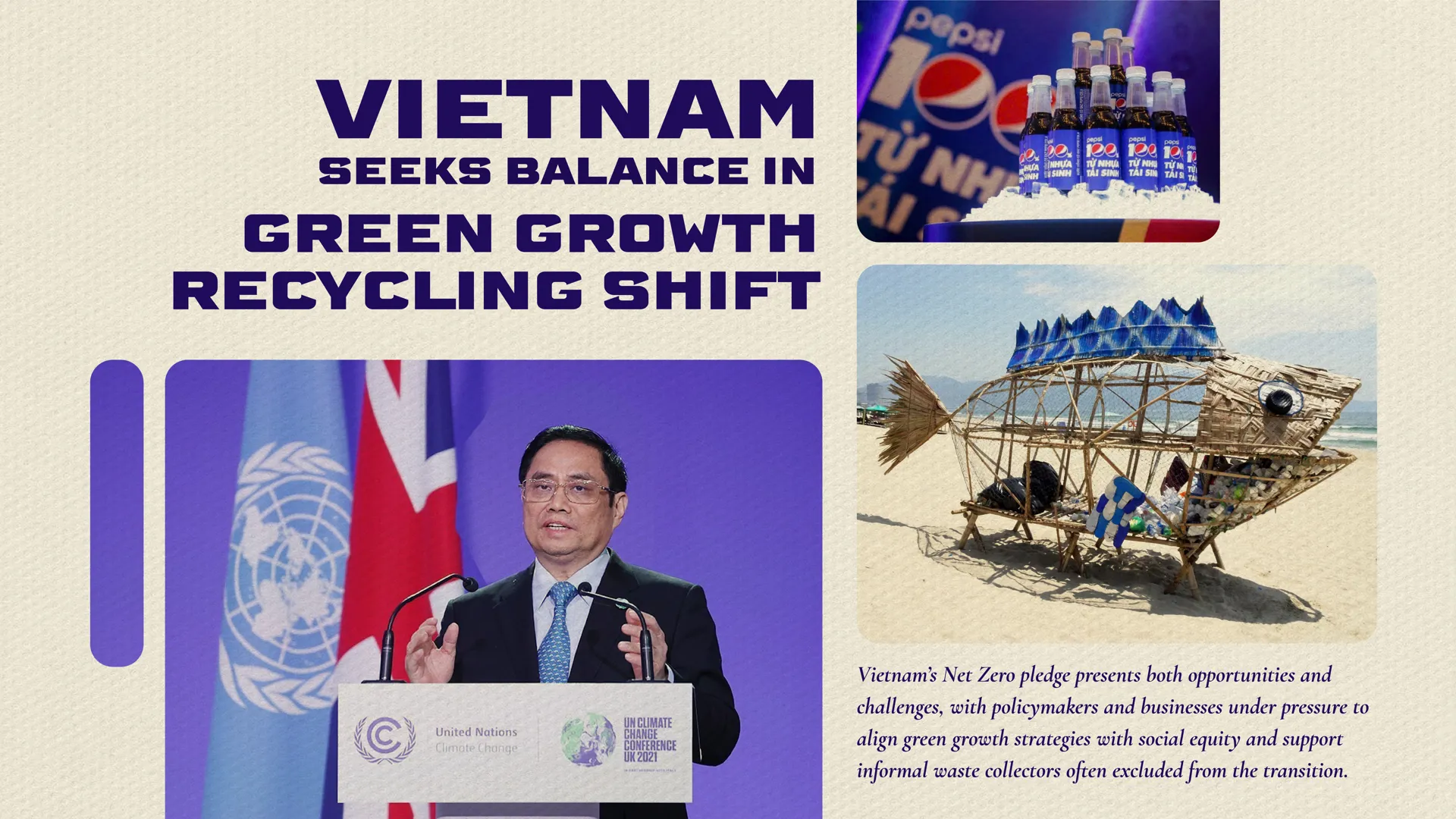
THE HANOI TIMES — Vietnam’s green transition is moving from political pledges to practical action, with new recycling rules, global partnerships and corporate initiatives reshaping its path toward net zero by 2050. Yet the effort also exposes social and economic challenges that the country must confront.
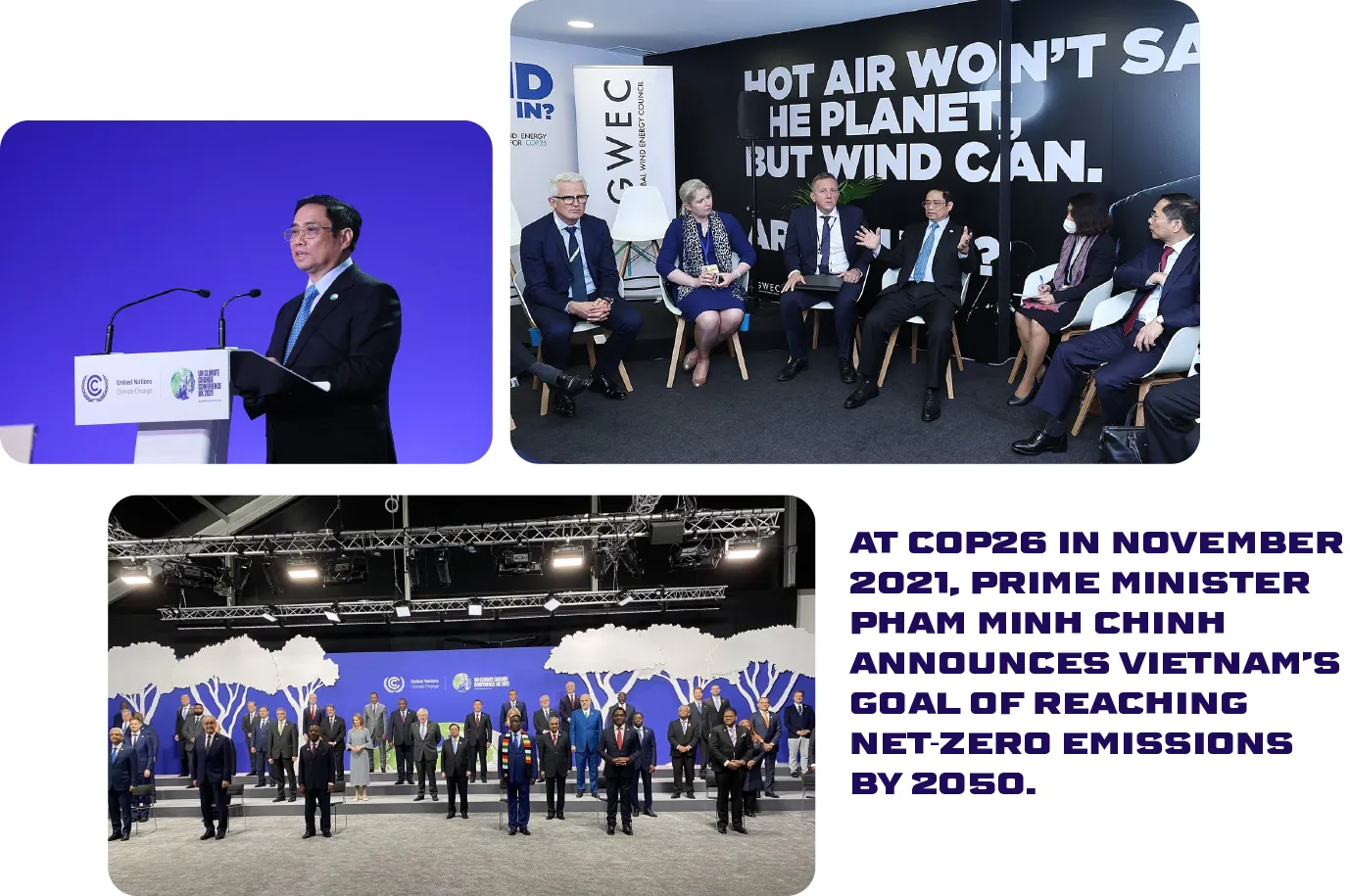
Since Prime Minister Pham Minh Chinh announced the commitment at COP26 in 2021, Vietnam has stepped up with new agreements, including a Just Energy Transition Partnership with the G7 and EU, a Digital-Green Economy Partnership with Singapore, and a Green Strategic Partnership with Denmark.
These frameworks have opened the door for international projects and pilot programs, placing Vietnam on the map as a testing ground for global climate initiatives.
The most concrete shift came at the start of 2024 with the rollout of Extended Producer Responsibility, or EPR, requiring producers and importers of items such as lubricants, batteries, tires and packaging either to recycle their products or to pay into a recycling fund.
The system, outlined in the 2020 Environmental Protection Law, is designed to reduce pressure on the state budget and push companies to design more sustainable packaging.
At the same time, Vietnam is preparing to trial a Deposit Return System in cooperation with Norway, where consumers pay a deposit when purchasing beverages and receive it back when returning the bottle or can.
Norwegian Ambassador Hilde Solbakken said that her country is working closely with the UNDP and local authorities to launch pilots with bottles and jars.
These commitments are unlocking new policy frameworks and paving the way for global initiatives to pilot and expand in Vietnam.
Research suggests that such a system could help Vietnam recycle an additional 21,000 to 77,000 tons of beverage packaging each year, cut about 265,000 tons of CO₂ emissions, create more than 6,000 jobs and save VND1.4 trillion (US$53 million) through reduced pollution and emissions.
Businesses have begun to adjust, though not without difficulty.
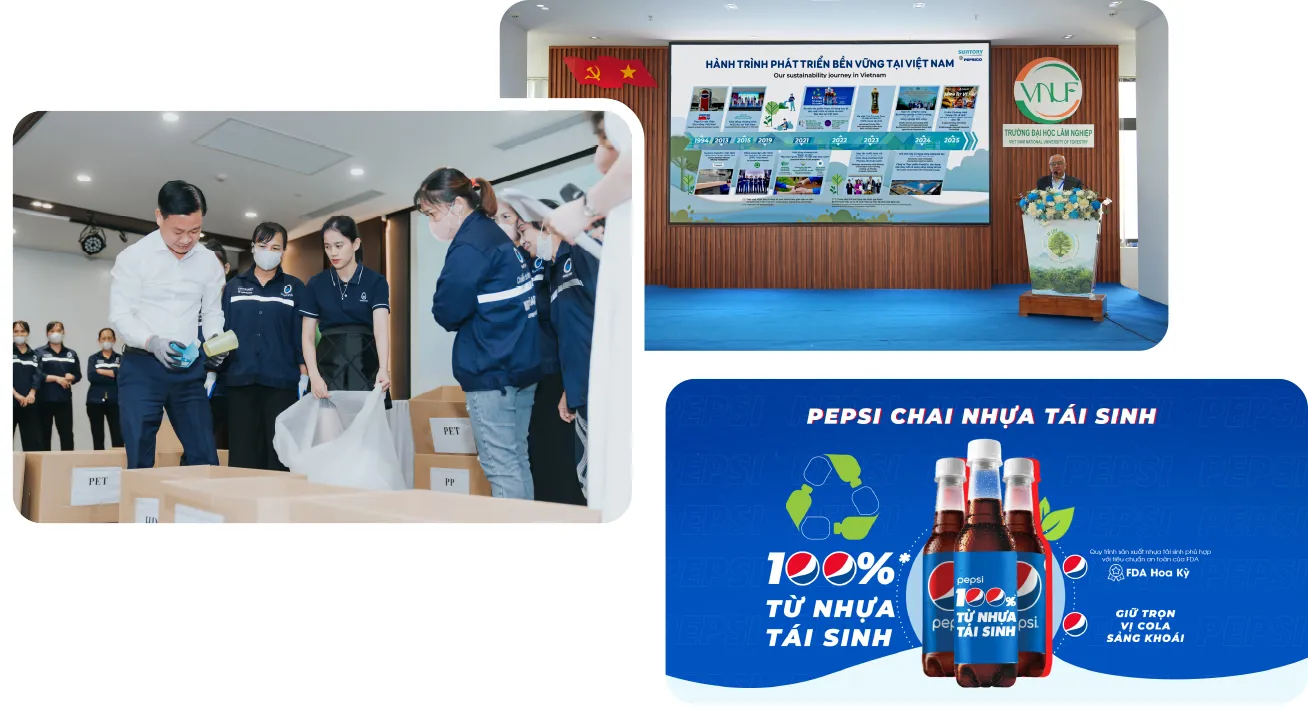
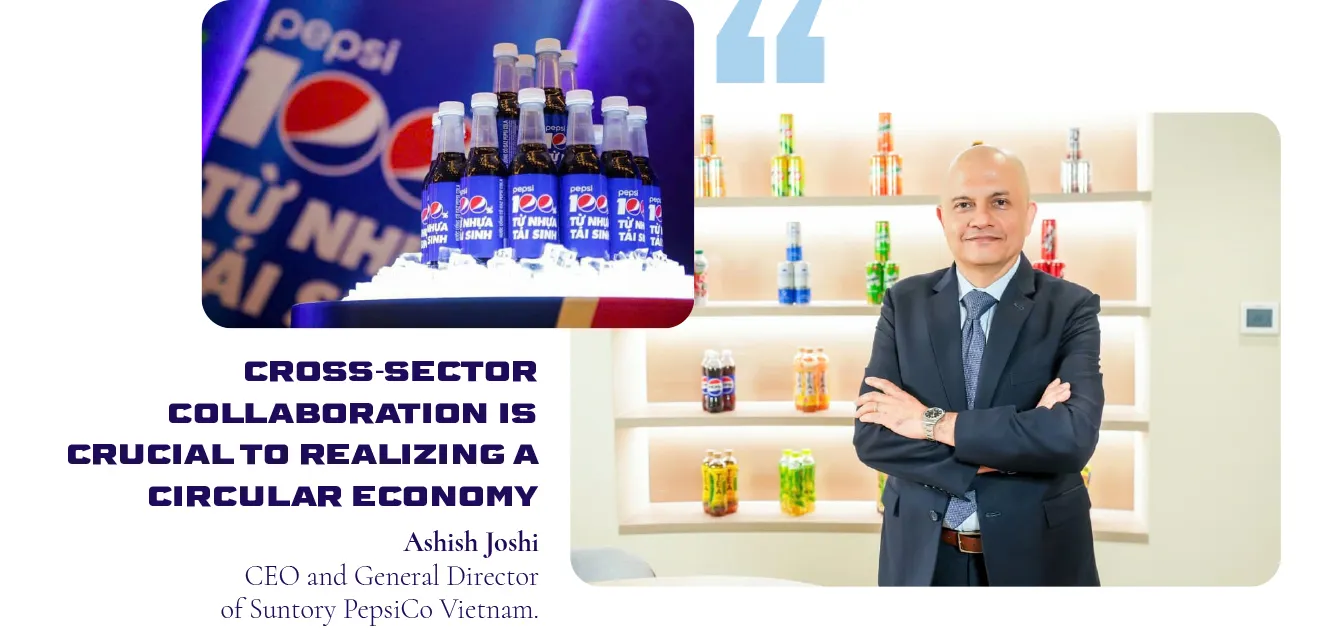
Suntory PepsiCo Vietnam, a founding member of the Packaging Recycling Organization Vietnam (PRO Vietnam), produced its first bottle in the country made from 100% recycled plastic in 2022 and reported cutting 5,800 tons of plastic the following year, equivalent to eliminating 23,000 tons of greenhouse gas emissions.
“Cross-sector collaboration is crucial to realizing a circular economy,” said CEO Ashish Joshi, noting that no business can achieve sustainability alone.
Unilever Vietnam has pointed to gaps such as limited incentives for using recycled plastic, rigid reporting requirements under EPR and uncertainty over how recycling funds will be reinvested.
Other global players, including Nestlé and FrieslandCampina, are also investing in collection networks and partnerships with recyclers to raise the quality of recycled materials and build consumer awareness.
One initiative, led by Unilever and Duy Tan Recycling, aims to collect and process more than 15,000 tons of plastic waste between 2024 and 2025, producing food-grade recycled plastic while improving conditions for waste collectors and promoting household waste separation.
Despite these efforts, the country’s recycling infrastructure remains underdeveloped and heavily dependent on the informal sector.
Tens of thousands of people, many of them migrant women, make a living by collecting bottles, cans and other materials from the streets of Hanoi and other cities.
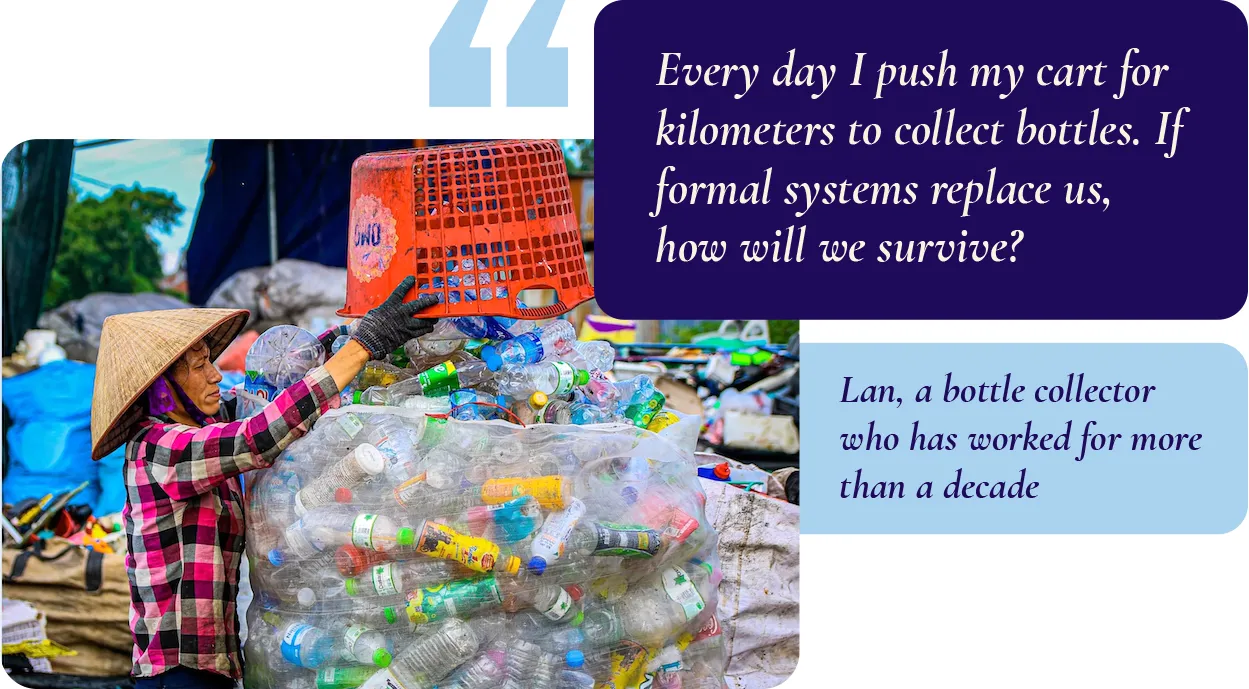
Lan, a bottle collector who has worked for more than a decade, said she fears losing her livelihood if official collection companies take over.
“Every day I push my cart for kilometers to collect bottles. If formal systems replace us, how will we survive?” she asked.
Vu Thi Quynh Hoa, Oxfam’s Country Director in Vietnam, warned that the expansion of formal recycling mechanisms risks leaving these workers behind.
She said that they already face unsafe conditions, lack labor protections, and depend on unstable incomes from large buyers. Many also struggle with access to healthcare, housing and education, compounded by gender-based stigma.
“If EPR and DRS focus only on formal actors, these women will be left behind,” she said.
For companies, challenges remain significant. Suntory PepsiCo noted that sourcing food-grade recycled plastic locally is still difficult, while regulations remain unclear. Waste-sorting infrastructure is weak and there is little recognition of the informal collectors who actually provide the backbone of recycling.
Businesses stress that clearer standards and stronger incentives will be needed to reward early movers. PRO Vietnam has reinforced this point in recent policy discussions, arguing that government support will determine whether corporate investments can scale up.
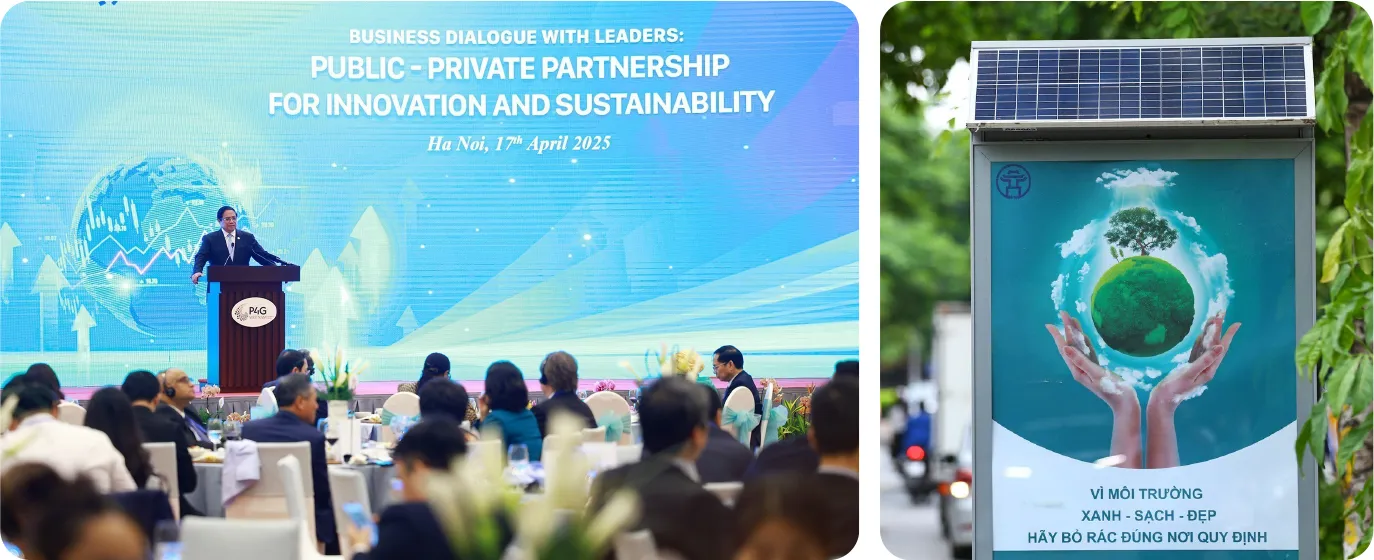
The picture shows both opportunities and risks. Green policies are opening new space for innovation, finance and partnerships, but they also bring costs and uncertainties.
According to Oxfam, Vietnam will need a balanced approach combining mandatory standards with incentives such as technical support, green finance and opportunities for smaller firms to build sustainable brands.
Hoa said that connecting businesses, communities, cooperatives and social organizations will be essential to ensure that recycling and energy transition mechanisms deliver both economic and social benefits.
For people like Lan, the shift remains uncertain. The idea of reverse vending machines at supermarkets raises hopes of better prices but also fears of being excluded.
“If there were policies that let us work at collection points or offered training, I would feel more secure,” she said.
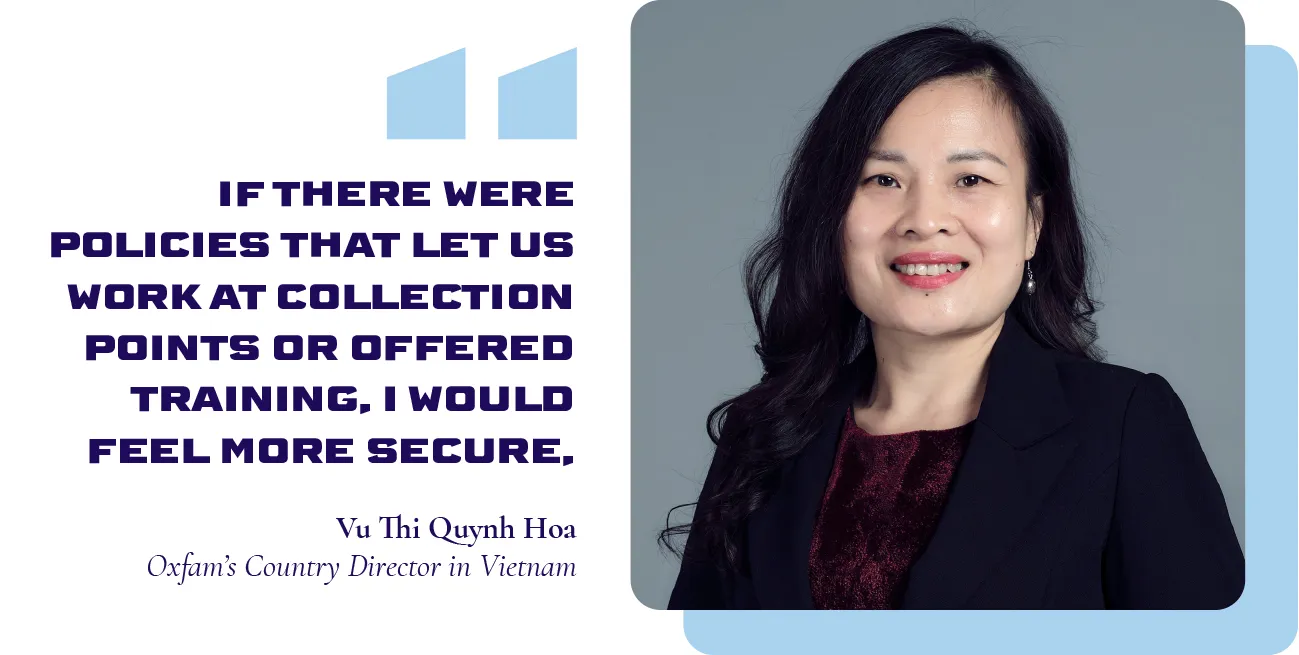
Her words reflect the human dimension of Vietnam’s green transition: progress measured not only by emissions reduced or recycling plants opened, but by whether every citizen has a role in building a circular economy where no one is left behind.

Vietnam’s push for green cooperation is seen as the cornerstone of its sustainable growth.

The eco label is seen as a “green passport” that helps Vietnam’s businesses expand markets, reach responsible consumers, and provide safe and quality choices for buyers.
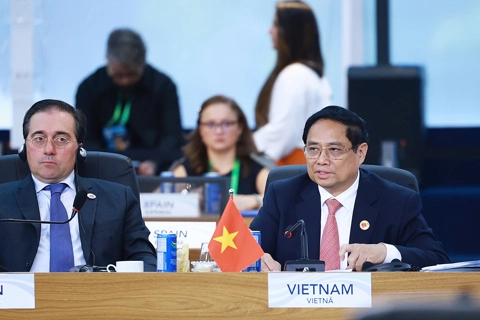
Vietnam is dedicated to working alongside other nations and partners to achieve net-zero emissions before 2050.
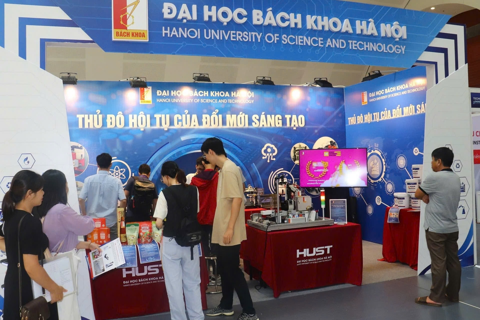
Hanoi debuts a new innovation center to accelerate science, technology and digital transformation, creating a collaborative platform linking government, universities and businesses while attracting global expertise and investment to solve challenges and strengthen competitiveness.
27 Feb, 06:13 PM
Vietnam’s cultural strategy is entering a new phase, positioning culture as a strategic pillar of growth while accelerating the development of cultural industries, creative education and heritage innovation to enhance national competitiveness and global influence.
25 Feb, 04:22 PM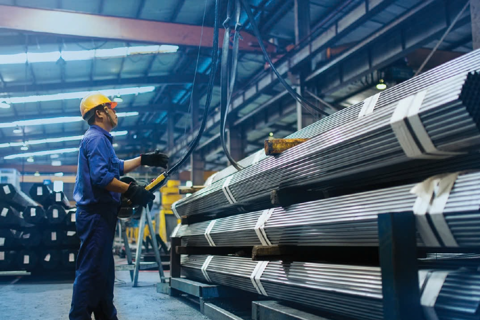
Green, digital and circular economic models are becoming strategic drivers for Hanoi’s next growth phase, helping the capital enhance productivity, strengthen competitiveness and build a more sustainable, innovation-led economy aligned with national development goals.
24 Feb, 03:42 PM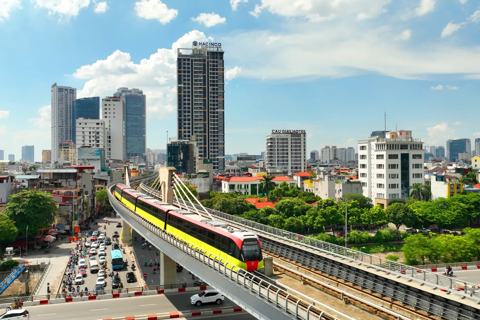
With new powers in hand and long-stalled projects back on the agenda, Hanoi is moving to turn institutional reform into concrete construction, betting that streamlined approvals and greater autonomy will transform persistent bottlenecks into momentum for a new phase of urban growth.
23 Feb, 10:35 PM
This week, we cover Vietnam-US high-level engagement and major investment deals, Hanoi’s push for green commitments and high-tech cooperation, strong Lunar New Year tourism growth and heritage promotion, enhanced digital tourism management, a historic victory commemoration, and the city’s accelerated green energy transition.
22 Feb, 09:19 PM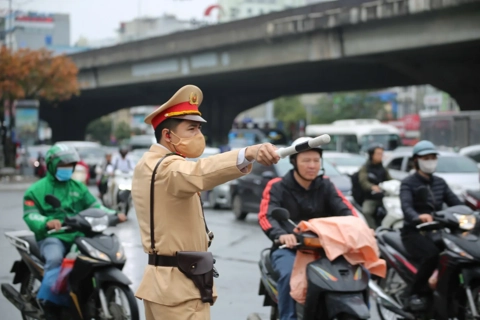
Heavy rain and rising traffic marked the end of Tet 2026 as thousands of residents returned to Hanoi, with police deploying AI cameras and early traffic control to ease congestion at key city gateways.
22 Feb, 08:00 PM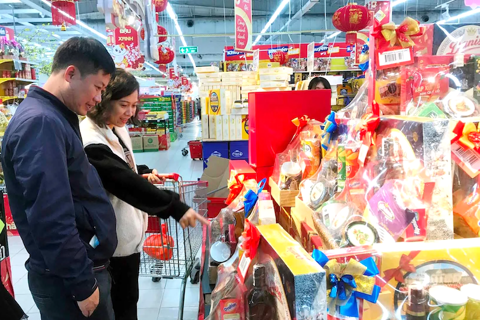
Hanoi has ramped up supply reserves, strengthened market oversight and coordinated with businesses to stabilize prices and prevent shortages, ensuring residents have reliable access to essential goods as demand rises ahead of the 2026 Lunar New Year.
15 Feb, 10:01 PM
This week, we highlight Hanoi’s overseas unity efforts, stronger France cooperation on metro and heritage, expanded Tet welfare support, child protection initiatives, tourism recognition and renewed investor interest in suburban land auctions.
15 Feb, 04:21 PM