Vietnam tourism says no to plastic waste
Today's travelers are seeking more than just scenic views and cultural experiences; they are looking for responsible destinations, like many in Vietnam, to drive a quiet green revolution in tourism.
THE HANOI TIMES — Today, more and more tourists in Vietnam, both local and international, are embracing sustainability as a key part of their travel experiences. The country's tourism industry is saying no to plastic waste and yes to a greener future.

The Cu Lao Cham (Cham Island) in Danang is an UNESCO World Biosphere Reserve. Photo: Minh Nguyet
According to Booking.com’s latest Travel and Sustainability 2025 report, Vietnamese travelers are becoming more mindful of their environmental impact. While earlier sustainability efforts focused on saving energy, a new wave of eco-conscious travelers is focusing on minimizing waste, especially single-use plastic.
A shift towards greener getaways
The report revealed that 41% of Vietnamese tourists now consider reducing plastic waste the most important aspect of sustainable travel. This year, 58% aim to adopt eco-friendly habits while on the road, such as recycling and refusing disposable items.
This is a significant change from 2024, when reducing energy use was the top priority (56%). Now, travelers are thinking beyond the hotel room light switch. Nearly two-thirds (62%) of respondents said that sustainability is a top consideration when choosing a travel destination. An impressive 90% plan to travel more sustainably in the next year.

Silk Sense Hoi An River Resort, Danang is one of the first hotels in Vietnam to declare itself plastic-free
In Vietnam, concerns about the environmental impact of tourism are growing. Nearly half (46%) of travelers believe waste and pollution pose serious challenges to local communities, and 56% want to support better waste management in popular tourist destinations.
Notably, 69% of travelers are more aware of tourism’s impact on communities and the environment. Moreover, 83% want to have a positive impact on the places they visit, and over a quarter (26%) now consider sustainability a deciding factor when planning vacations.
Varun Grover, Country Head of Booking.com in Vietnam, noted, “Single-use plastics are staining the beauty of Vietnam’s iconic destinations. Without action, our beaches and cultural landmarks risk becoming accidental dumping grounds. No traveler wants to see that.”
Green tourism in action

One of the top behaviors that Vietnamese travelers hope to incorporate into their future trips in 2025 is reducing general waste by recycling and avoiding single-use items. Photo: Dien Nguyen
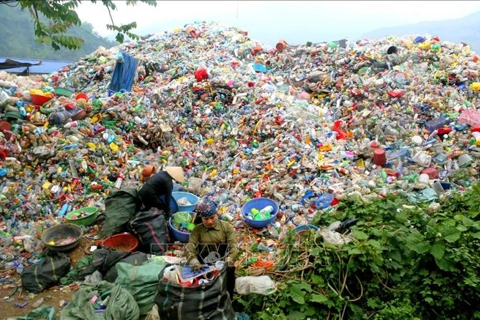
The numbers tell a compelling story. According to the Institute for Tourism Development Research, overnight tourists in Vietnam generate about 1.2 kilograms of waste per day, while day-trippers produce around 0.5 kilograms. Plastic makes up around 60% of that waste.
By 2025, waste generated by tourists is expected to reach 236,000 tons, rising to nearly 350,000 tons by 2030. However, the country is not standing still.
Across Vietnam, local destinations and tourism businesses are spearheading a green transformation. One standout is Hoi An, now widely acclaimed as an eco-travel hub.
Cu Lao Cham, a UNESCO World Biosphere Reserve, is one of its shining examples. The island banned plastic bags in 2009, and its sustainable practices are now an integral part of the visitor experience. Reusable containers, local materials, and plastic-free alternatives are the norm, providing tourists with an authentic, eco-friendly adventure.

Amenities made from recycled materials are becoming more common in Vietnam. Photo: Silk Sense Hoi An River Resort
We were told not to bring plastic water bottles or disposable bags to the island," said traveler Phuong Nhung. "It wasn't inconvenient at all. Most of us were happy to do our part to keep the island pristine.”
Following Cu Lao Cham’s lead, other Vietnamese islands such as Co To (Quang Ninh), Bach Long Vy (Haiphong), Phu Quy (Binh Thuan), and Ly Son (Quang Ngai) are now instituting their own “no plastic waste” policies.
Vietnam’s hospitality sector is also embracing the zero-waste movement. Silk Sense Hoi An River Resort is one of the first hotels in the country to declare itself plastic-free. Using a 60-point checklist, the resort eliminated over 80,000 disposable plastic bottles and more than 10 tons of plastic waste in one year.
“All our resort materials and amenities are selected with sustainability in mind,” said the resort’s investor, Tran Thai Do. “We believe that luxury and environmental responsibility can go hand in hand.”

The hotel's amenities are made from areca spathe, loofah, and sugarcane bagasse by the Vietnamese manufacturer Rom Rac. Photo: I Am Rubbish
In a milestone development, the Danang Tourism Association and the Pacific Environment Organization Vietnam launched the Vietnam Zero Waste Tourism Network on July 9, which connects tourism businesses committed to reducing and eventually eliminating waste across their operations.
The network's ambitious goal is to have at least 100 pioneering tourism businesses across Vietnam leading the way in waste-free travel by 2030. These businesses will offer visitors high-quality experiences that leave no environmental footprint.
By blending natural beauty, cultural heritage, and environmental responsibility, Vietnam is setting a new standard in global tourism. As travelers increasingly seek meaningful, low-impact experiences, Vietnam is responding with sustainable practices that protect its landscapes and communities.