14TH NATIONAL CONGRESS OF THE COMMUNIST PARTY OF VIETNAM
Log in
Social Affairs

Vietnamese doctors carry out first-ever intestine transplants from live donors

The biggest difficulty in intestine transplantation is connecting arteries and veins to nourish the transplanted organ.

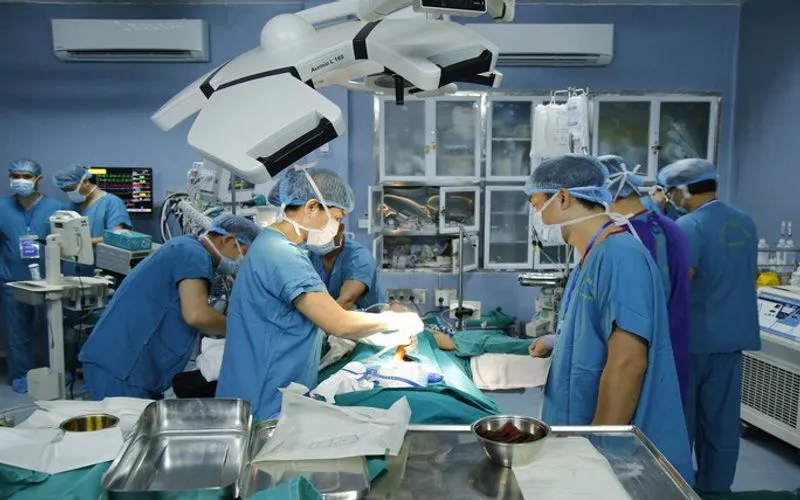
First-ever successful intestinal transplants were performed by doctors of 103 Military Hospital for two male patients in Hanoi.

With this achievement, Vietnam has become one of 22 countries in the world to successfully perform an intestinal transplant from a live donor, a highly complex technique. Globally, only around 1,000 such transplants have been done so far.

 Vietnamese doctors carried out the two bowel transplants together with their colleagues from Japan’s Tohoku University Hospital. Photo: Hanoi's 103 Military Hospital


Dr. Do Quyet, director of the Hanoi-based Military Medical University, said that before the surgery, the two patients had completely lost their digestive function and received parenteral nutrition.

“If the patients do not have a bowel transplant, they could face a high risk of complications related to vein nourishment such as infection, liver damage, wasting, and death at any time,” said Dr. Quyet.

Doctors at Hanoi's 103 Military Hospital carried out the two bowel transplants together with their colleagues from Japan’s Tohoku University Hospital.

One 26-year-old male patient had peritonitis and developed near-total colonic necrosis, and had his small intestine almost completely removed.

He was treated and fed intravenously, but he developed a metabolic liver condition associated with dysfunctional bowel syndrome. On October 27, nearly 100 doctors and other medical staff carried out the transplant, with the intestinal donor being his biological mother.

The second patient is a 42-year-old man who earlier had five abdominal surgeries for peritonitis due to intestinal perforation, including one to remove most of his small intestine in May 2007. Only around 80 cm of his intestine remained.

He had surgery a day after the first patient did. His brother was the donor.

Both donors are in stable condition while the recipients, whose survival indicators are stable, are being carefully monitored.

Dr. Quyet said the biggest difficulty in intestine transplantation is connecting arteries and veins to nourish the transplanted organ. There is a higher risk infection and organ rejection than in other organ transplants, and taking care of the two patients post-surgery would be a challenge.


Reactions:
Share:
Trending
Most Viewed
Related news
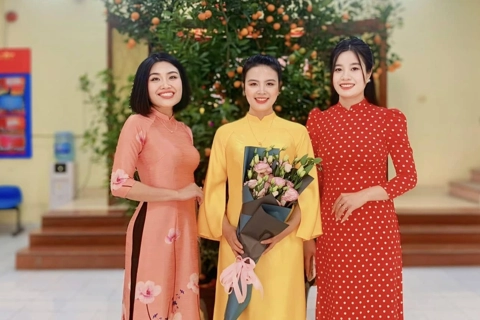
Ao Dai Week seeks to elevate Vietnam’s national dress at work

Ao Dai Week seeks to elevate Vietnam’s national dress at work

Authorities are encouraging women to wear the ao dai to work in early March, culminating in mass performances marking key political and historical anniversaries.

Vietnam to improve vocational standards for 1.5 million rural workers

Vietnam to improve vocational standards for 1.5 million rural workers

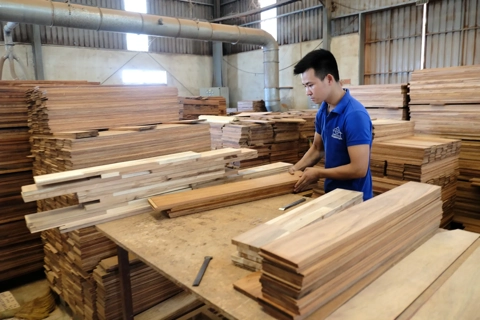
The program will be implemented nationwide, with priority given to especially disadvantaged coastal and island communes, ethnic minority and mountainous areas and communes building advanced new-style rural models.

Vietnam seeks partnerships at APAIE 2026

Vietnam seeks partnerships at APAIE 2026

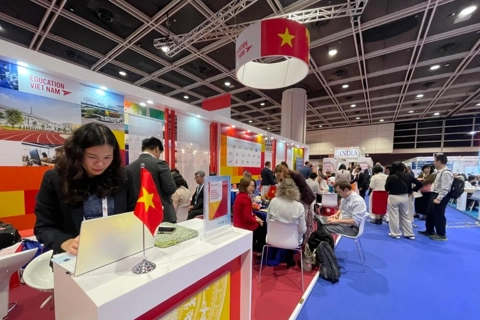
The presence at the 2026 Asia-Pacific Association for International Education (APAIE) Conference and Exhibition marks an important step in the international integration of the country’s education sector, particularly higher education.

Hanoi transport ridership surges during Tet, Metro traffic up over 30%

Hanoi transport ridership surges during Tet, Metro traffic up over 30%

The growth shows a rising preference among Hanoi residents and visitors for public transport and urban railway system during major holidays.

Tree planting campaign launched in Hanoi

Tree planting campaign launched in Hanoi

Each locality in Hanoi will select suitable species to cultivate in the right locations, plant them in appropriate locations and ensure long-term management.

Tet in the digital age: Smartphones replace red envelopes 

Tet in the digital age: Smartphones replace red envelopes 

This trend has been appeared in Vietnam in recent years as many e-commerce platforms have made digital age celebrations a familiar part of the traditional Tet.

How young Vietnamese make a shift in Tet celebrations

How young Vietnamese make a shift in Tet celebrations

Today’s Tet has evolved beyond its traditional form, reflecting the changing needs and lifestyles of young Vietnamese and becoming not only a time for family reunions but also a valuable opportunity to rest, recharge and explore life.

Hanoi enhances urban hygiene standards ahead of Tet

Hanoi enhances urban hygiene standards ahead of Tet

The goal is to ensure that residents welcome the Lunar New Year joyfully while managing safe and orderly environment citywide during the peak period.