VNPT, CT Group join forces to develop smart infrastructure for low-altitude economy
Vietnam is positioning the low-altitude economy as a new growth frontier as major technology players align infrastructure, applications and digital platforms to accelerate innovation.
THE HANOI TIMES — The Vietnam Posts and Telecommunications Group (VNPT) and technology developer CT Group on December 29 signed a strategic cooperation agreement to develop smart infrastructure for Vietnam’s low-altitude economy.
The signing took place at a conference reviewing one year of implementation of the “three-pillar linkage” model connecting the State, academic institutions and businesses under the Politburo’s Resolution No. 57 on advancing science, technology and innovation nationwide.
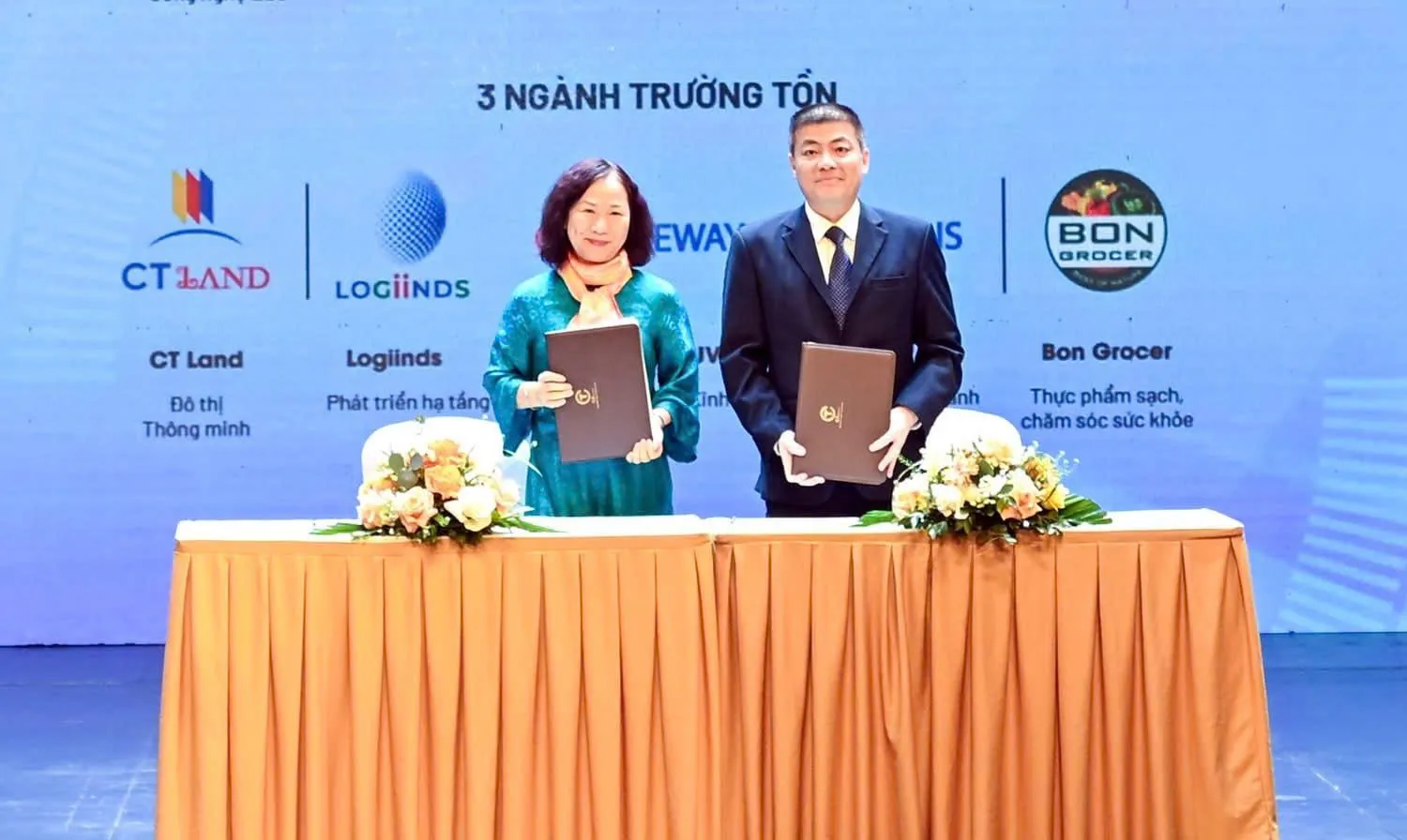
Representatives of the two companies sign the cooperation agreement. Photo courtesy of VNPT
Under the agreement, the two sides will coordinate to optimize infrastructure services for low-altitude space.
VNPT will lead the development of digital infrastructure, connectivity, data systems and secure, scalable operating platforms. CT Group will focus on researching and developing applications, products and a broader technology ecosystem.
The partnership is expected to accelerate practical applications in logistics and smart urban development, opening new growth space while strengthening Vietnam’s digital economy and overall competitiveness.
Ngo Dien Hy, Deputy CEO of VNPT, said the edge economy, particularly the low-altitude sector, is emerging as a high-potential field capable of creating new value for cities, industrial zones, logistics and smart services.
He noted that digital infrastructure is expanding into new development spaces, where digital technologies increasingly integrate with physical environments and low-altitude economic activities.
Hy reaffirmed VNPT’s commitment to a long-term, sustainable and effective partnership with CT Group to turn this vision into reality and contribute to the development of Vietnam’s technology sector and the broader economy.
The low-altitude economy is opening significant growth potential for Vietnam. Experts estimate the sector could reach a market size of US$2-$3 billion by 2030 and grow toward $10 billion in revenue while creating one million jobs by 2035, positioning Vietnam as a regional hub for low-altitude manufacturing and services.
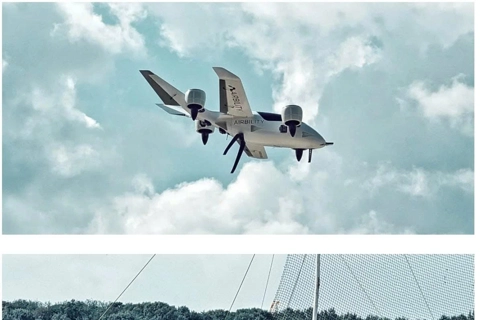
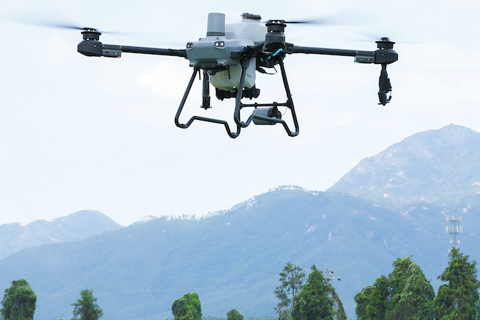
CT Group and other Vietnamese companies, including Viettel and Realtime Robotics Vietnam, have developed unmanned aerial vehicles (UAVs) and drones for military, agricultural and civilian use, with several models exported to international markets.
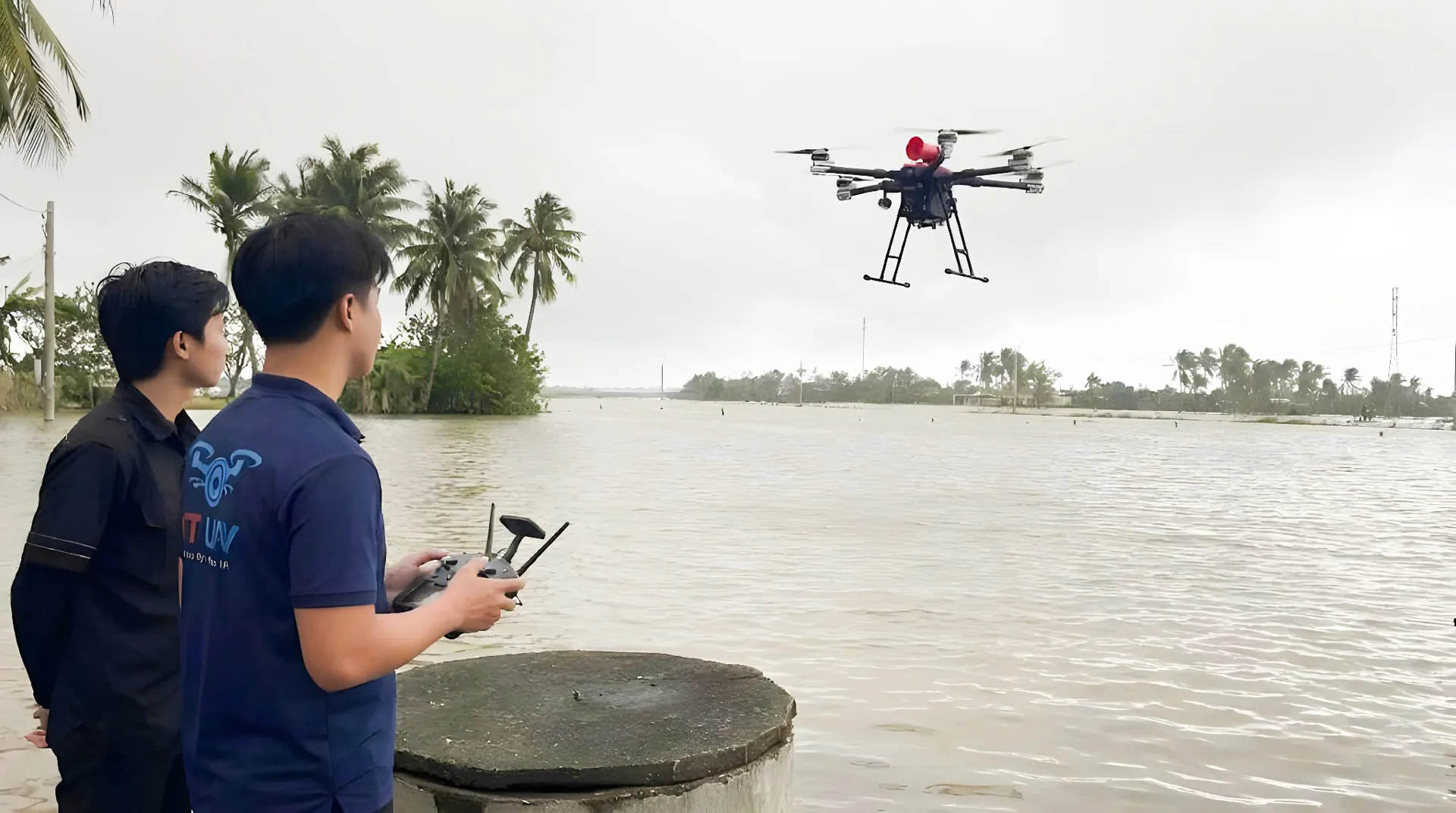
CT Group technicians use a drone to help the people of the Central Region struggle against flooding in 2025. Photo courtesy of the company
On December 25, Duc Giang General Hospital in Hanoi began piloting UAVs to transport medical samples, medicines and supplies, reducing patient waiting times and improving service efficiency.
In August 2025, CT Group signed a contract to export 5,000 heavy-load transport drones to South Korea, marking a notable step in Vietnam’s participation in the global low-altitude technology market.
CT Group in 2025 also deployed drones to support Vietnamese people being hit by floods and heavy rains in the Central Region.