When worry becomes the meaning of Tet
Welcome to Words on the Street on The Hanoi Times. Today’s reflection looks at Tet as more than a holiday, but as a season of quiet worry that shapes how families prepare, spend and return home. It is a familiar tension that sits beneath the celebrations, revealing why Tet’s meaning often begins long before the new year arrives.
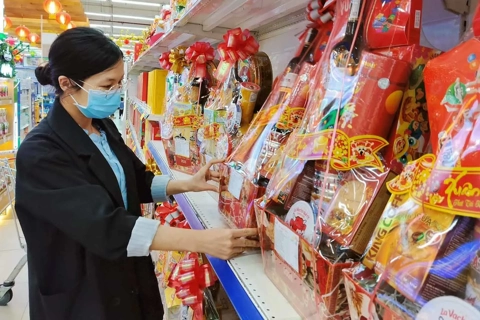
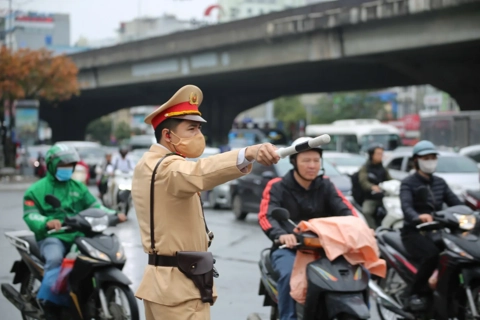
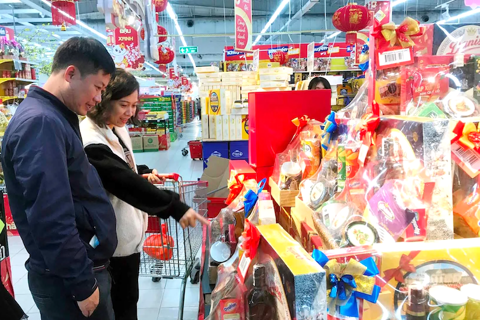
THE HANOI TIMES — In the weeks before Tet (the Lunar New Year), the same grumbles return year after year. Many say the holiday is exhausting, with shopping lists seeming endless, the calendar suddenly moves too quickly and a steady stream of last-minute purchases, scheduled visits and one cost that keeps piling up.
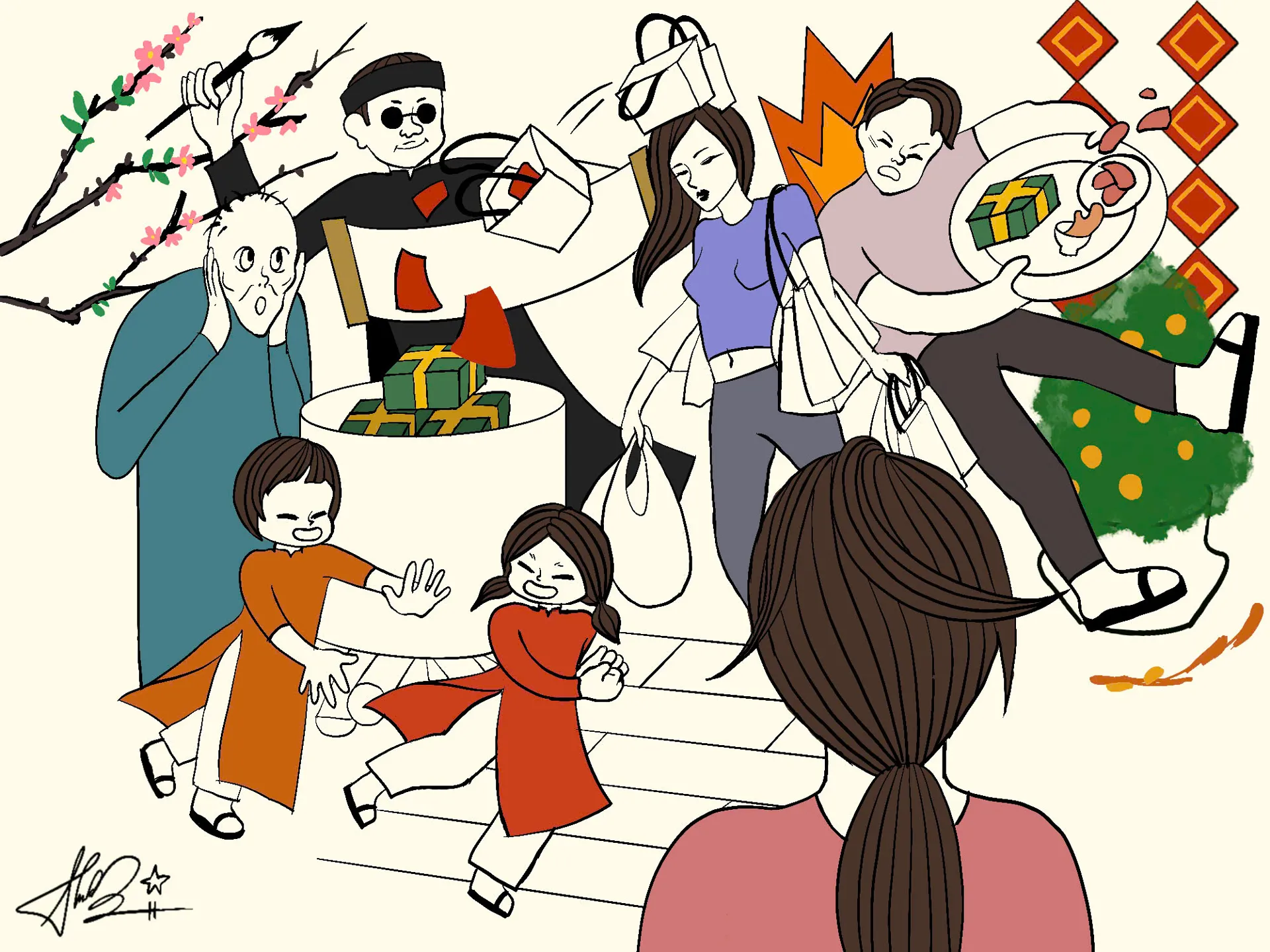
Tet is a return. Illustrated by Nora/The Hanoi Times.
I used to think the same. There were years when I secretly wished Tet could take a break, just once, because it felt unfair that after twelve months of working and saving, the biggest test of all would arrive at the very end of the year, demanding both money and energy at the same time.
Back then, I believed the joy of Tet lived only in the quiet days after the rush was over, when people could finally rest.
I was wrong.
For many families, Tet begins long before the first morning of the new year. It begins with counting, not only money, but responsibility. Counting how much is left after rent and school fees. Counting how many relatives must be visited on both sides of the family. Counting how much to prepare for lucky money, gifts and travel, while still leaving enough so that life after Tet does not turn into debt.
People often say things are easier now because everything can be bought. Supermarkets open late and delivery arrives at the door. With enough money, the whole Tet table can be prepared in one afternoon. Yet the worry does not disappear, because the worry has never been only about convenience. It is about wanting no one to feel forgotten and wanting both sides of the family to be treated with the same care, even when the budget is limited.
I once met a man who said his family now tries to keep Tet spending to around VND5 million to VND6 million (US$200 to US$240) instead of VND20 million to VND25 million (US$800 to US$1,000) as they did years ago. He did not complain. He said they had learned to be careful, enough food, enough fuel to go home, enough small gifts for parents and grandparents and enough left so that the first month of the lunar year does not begin with panic.
For others, even that careful number still feels heavy. Many workers save quietly for weeks just to afford the journey home. Some sit with their phones open to ticket prices, wondering if they can return this year or if they must stay away one more Tet.
And yet, most of them go, because Tet is not simply a holiday. It is a return.
When I think about Tet in the past, I remember the long nights boiling banh chung (traditional Vietnamese sticky rice cake), the crowded kitchen and the feeling that the work belonged to everyone. Today, banh chung can be bought anywhere, clean and ready in hours. It tastes almost the same, but something is lost when everything becomes simple and individual.
I once heard a woman say she missed boiling banh chung even though she no longer knew how to do it. She lived in an apartment where there was no place for a fire, her relatives had moved away and her neighbors were strangers. She said she missed the busyness, not because she wanted hardship, but because she missed the feeling of being surrounded by family.
That is where the conflict between generations often appears. Older people value the gathering itself, even if it requires work. Younger people, who can eat these dishes any day of the year, struggle to understand why they must spend precious time recreating what can be bought so easily. Both sides have a point and that is why Tet has become many different versions of the same holiday.
For me, the meaning of Tet becomes clearest on the last night of the year, when the final meal is placed on the table. It is never really about how expensive it is. It is about the month of planning behind it and the year of endurance that made it possible. Parents look at the dishes and feel relief. Children look at the table and feel abundance. Older people look at the table and feel continuity.
As Tet approaches, I find myself noticing things I did not pay much attention to before. My mother looks a little older than last year. Some relatives move more slowly. I realize that one day, some familiar faces will no longer be around this table. That thought makes the coming reunion feel more urgent, not sad, but precious in a way I did not understand when I was younger.
In that moment, all the worry becomes invisible. The effort finds its meaning.
That is why I no longer think Tet’s meaning lives only in rest or celebration. For many families, it lives inside the preparation itself, inside the saving, the careful choices and the stubborn decision to return home even when it is inconvenient.
There are many ways to spend Tet now and each person is free to choose their own. But I have learned not to dismiss the worrying and the rushing as something meaningless, because without that struggle, the reunion would feel lighter in the wrong way.
When the old year closes and everyone finally sits together, it becomes clear that the meaning of Tet was never waiting at the end of the preparations.
The meaning had always been the preparations themselves.