Biometric technology to modernize Hanoi’s metro ticketing system
This new system aims to improve efficiency and passenger convenience by using biometric and digital verification across Hanoi’s urban railway lines, ensuring faster and safer access.
THE HANOI TIMES — The Hanoi People’s Committee has approved a new ticket control procedure for automatic fare gates, applying digital identification, electronic verification and biometric recognition technologies for passengers on the city’s urban railway lines.
The procedure will apply to all metro lines in Hanoi, first starting with the Cat Linh - Ha Dong and Nhon - Hanoi Station routes. These are Hanoi’s first operating metro lines.

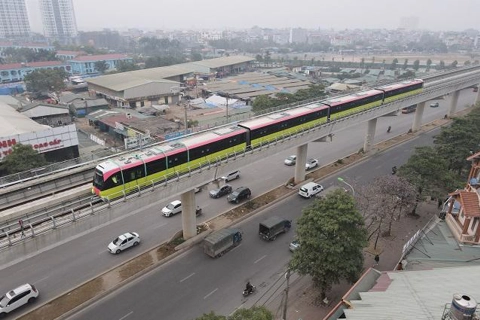
The Nhon - Hanoi Station urban railway line. Photo: Hai Linh/The Hanoi Times.
Tickets are divided into several categories, including non-identified single tickets, identified single tickets with biometric recognition, time-based tickets with identification and discounted tickets for senior citizens.
The system also accepts NFC physical cards and virtual cards issued by HMC, which integrate identification data for automatic fare control.
The project will be implemented in three phases. In the first phase, the system focuses on verifying and identifying user accounts for time-based tickets such as daily, weekly and monthly passes. Identification is carried out through Citizen ID, the VNeID app, or directly at ticket counters for foreign passengers.
Passengers using time-based tickets must scan their tickets and verify facial recognition at fare gates before entering the station. Those using single tickets can access the station without biometric verification. The system also supports EMV chip payment cards, allowing passengers to tap and go through the gates.
This method can be integrated with the city’s electronic ticketing system. Senior citizens can travel using their chip-based Citizen ID and facial recognition without purchasing a paper ticket.
In the second phase, passengers are encouraged to purchase identified single tickets through the Hanoi Metro app or at kiosks and use facial recognition for gate access. If the city’s integrated e-ticketing system already stores biometric data, it will automatically use that information for verification.
The procedure also introduces an API platform that enables ticket purchases directly through the VNeID app, providing greater convenience for passengers.
The third phase aims to expand the use of identified tickets and require biometric verification for all station entries and exits, gradually phasing out non-identified single tickets.
If the e-ticketing system lacks facial data, passengers will provide biometric information once at station kiosks. For single-use e-tickets, passengers must register this information before their trip.
The city will gradually apply biometric ticket control for all time-based ticket users and pilot the system for foreign passengers using passports or those paying with EMV cards and e-wallets.
Source: Decision 5316/QD-UBND issued by the Hanoi People's Committee on October 27, 2025.