Capital Law to cover cultural industry development
The development of Hanoi's cultural industry cannot be delayed any longer, requiring specific policies to contribute to the municipal GRDP.
Authorities and cultural experts have proposed that the Capital Law include a provision specifically dedicated to the cultural industry, as it is an important development strategy for Hanoi.
Cultural protection and development is one of the nine groups of policies proposed to be updated in the Capital Law (Amended) to provide Hanoi with legal instruments to protect cultural heritage and promote the capital's cultural identity.
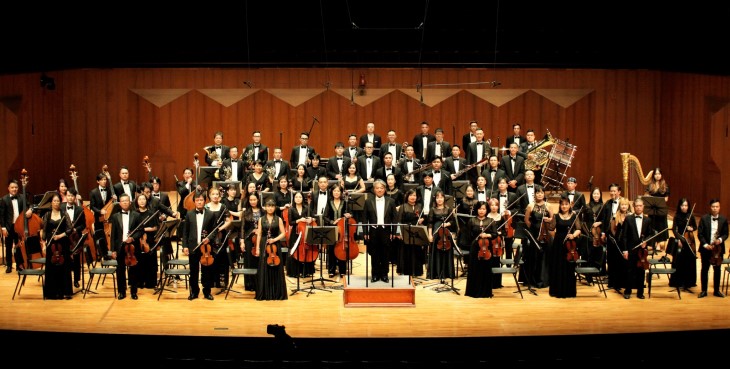
| Vietnam National Symphony Orchestra in a performance. File Photo |
The draft law covers a wide range of issues, including the development of human resources, preservation of architectural, cultural and historical works, protection of culture and sports, and mobilization of all resources for cultural development. It is designed to encourage public-private partnerships in culture and sports while making more investment incentives.
According to Deputy Minister of Justice Tran Tien Dung, the draft law covers many regulations that fall under the jurisdiction of various ministries and agencies. Therefore, it's necessary to have enough regulatory framework to smooth coordination among regulatory agencies so that Hanoi can become one of the pioneers in building the cultural industry in Vietnam.
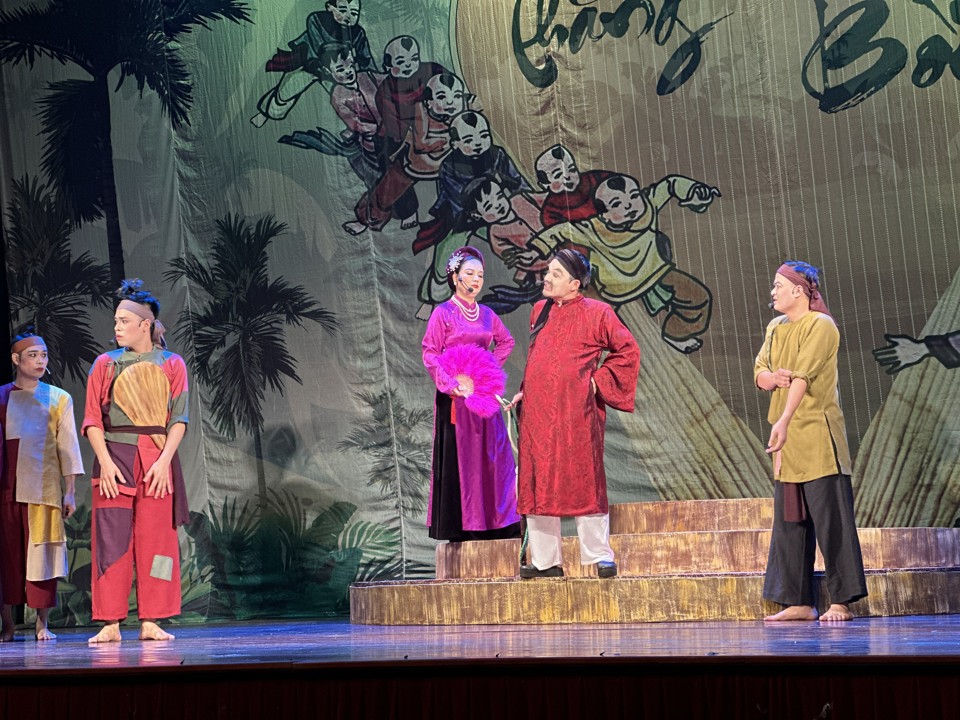
| A cheo (traditional operetta) performance in Hanoi. Photo: The Hanoi Times |
As Hanoi's cultural industry needs a boost, Deputy Minister of Culture, Sports and Tourism Trinh Thi Thuy has suggested more enforceable regulations.
Thuy said more research and further clarification are needed on some provisions of the Capital Law or the Law on Cultural Heritage. In particular, there needs to be an article on developing Hanoi's cultural industry rather than scattered provisions in different articles as in the current draft law.
In addition, the Hanoi People's Committee needs to be equipped with a legal instrument to deal with the construction, management, and use of architectural works to preserve and promote their values.
Sharing specific mechanism for the development of the cultural industry, Tran Dung Hai at Hanoi University of Culture said that although the Capital Law 2012 has its own article on cultural preservation and development, it fails to promote the development of cultural industries commensurate with the capital's specificity and important role.
"The Capital Law should explicitly deal with cultural industries as Hanoi is a fast and sustainable socio-economic region, becoming a key economic area of the country, especially when Hanoi has passed 15 years of administrative boundary adjustment.
"We hope that the amended Capital Law this time will have specific regulations on culture to achieve the goal of harmoniously combining the preservation of cultural identity with economic development, between economic growth and cultural promotion, in which both culture and people are the driving force for the development of the capital," Hai said.